When Is the Best Time to Visit the United States
The United States covers a vast territory where climate varies by region. Divided into several climate zones: the country displays a tropical atmosphere in southern Florida
The United States cover a vast territory where climate varies significantly by region. Divided into several climate zones: the country displays a tropical atmosphere in southern Florida, polar conditions in Alaska, and pleasant temperatures year-round on the Hawaiian archipelago! Due to its climate diversity, America offers vastly different experiences within the same timeframe. As a result, the best time to visit the USA depends primarily on your itinerary and planned activities during your trip.
What are the 4 seasons of the year in the United States?
1. Spring (March to May)
With its mild climate, spring is often considered one of the best seasons to discover the United States.
In the Northeast, this period brings melting snow and budding trees. It's the ideal time to explore major cities like New York or Boston, which regain their vibrant colors.
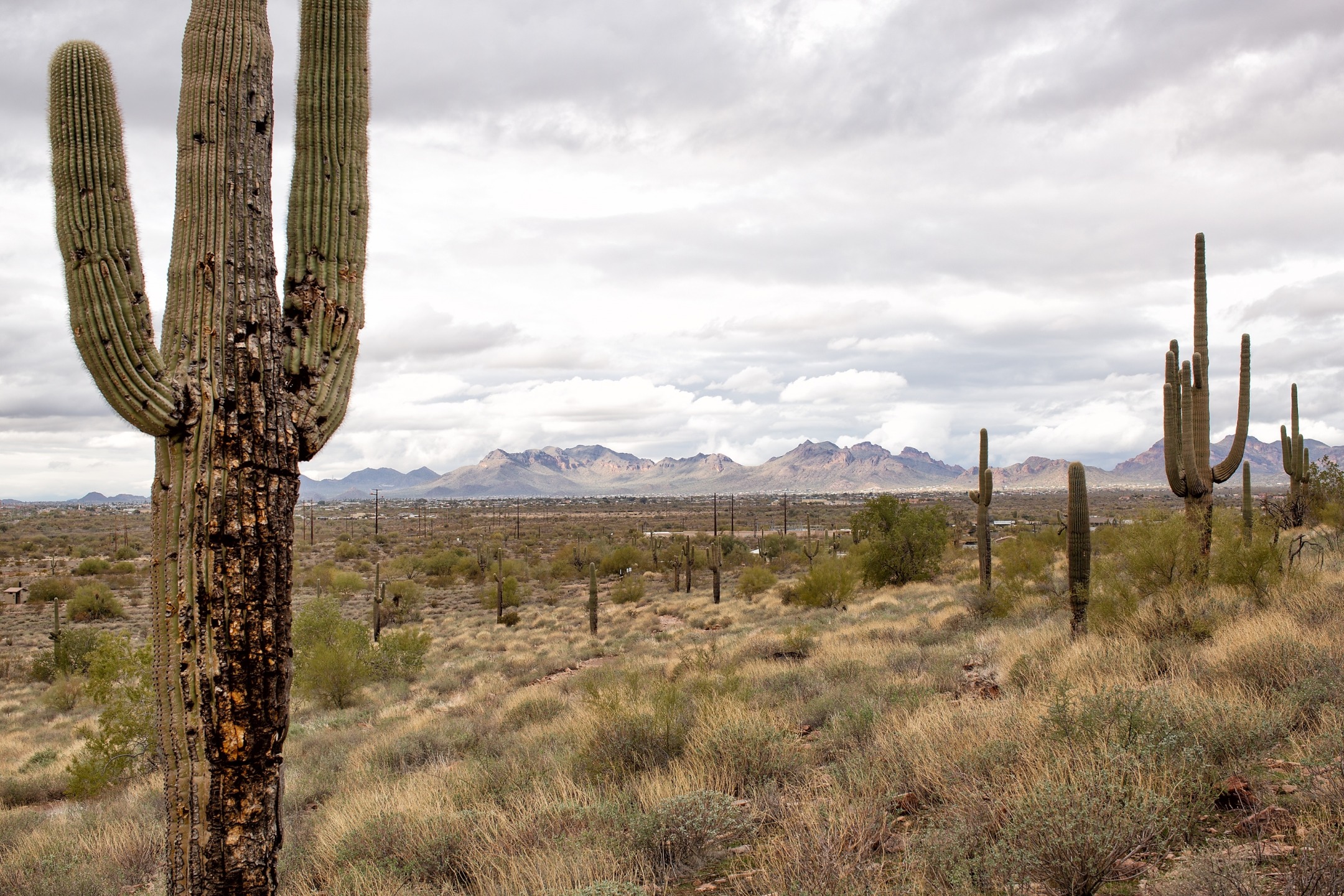
Meanwhile, the Southwest and its desert regions (such as Nevada and Arizona) are also very pleasant to visit, away from summer's intense heat.
Spring is also the perfect season to explore national parks, such as the Grand Canyon.

2. Summer (June to August)
In the Southeast and eastern parts of the country, summer is both hot and humid. Florida, Texas, and Louisiana regularly record temperatures exceeding 95°F (35°C) and very high humidity levels.
If you plan a stay in these regions during summer, keep an eye on weather forecasts. Indeed, this period is hurricane season, and it's not uncommon for coasts (particularly in Florida, North Carolina, and Louisiana) to experience storms.
On the West Coast, and California in particular, summer is calmer, with fairly warm but pleasant temperatures due to ocean breezes. For those seeking relaxation, the beaches of San Diego and Los Angeles are ideal, with a drier climate.
Conversely, desert areas in Nevada and Arizona experience extreme temperature peaks, exceeding 104°F (40°C).
3. Fall (September to November)
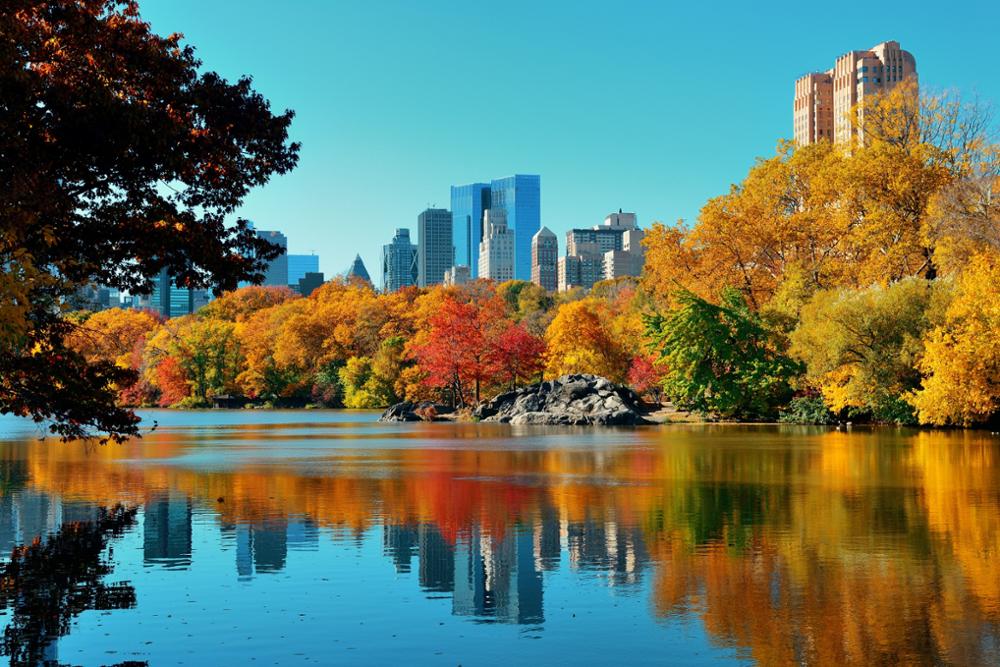
Fall is a very pleasant season to discover the United States; particularly the Northeast and Midwest. From September onward, the country – especially the States of Maine, Vermont, and New Hampshire – adorns itself in warm colors and offers spectacular landscapes.
This rare natural event is called Fall Foliage. The variations of yellows, oranges, reds, and purples in American forests then attract travelers from all over the world.
On the West Coast, fall is also a beautiful season. Days remain mild and coastal landscapes offer a calmer atmosphere than the summer period, perfect for walks. In Los Angeles and San Francisco, the climate remains very pleasant, while tourist crowds decrease.
September is often considered the best month of the year to visit the country. The climate is then stable in most regions and summer heat gradually diminishes. All conditions are met to discover the United States!
4. Winter (December to February)
American winter can be radically different from one state to another. In the northern part of the country, around Michigan, Massachusetts, Illinois, and New York, temperatures easily drop below freezing. Winters there are quite harsh and often marked by snowstorms.
During this season, cities like Chicago and Boston may be disrupted by heavy snowfall. Around the Great Lakes — a vast area near the Canadian border — snowfall is particularly significant.
This region, nicknamed the snowbelt, is subject to the lake-effect snow phenomenon: cold air masses that glide over the lakes, become charged with moisture, and trigger heavy snowfall.
Further south, in the southern regions (toward California, Florida, or Miami), the winter period is much milder. If you wish to visit the United States in winter without enduring extremely cold temperatures, this part of the country is ideal (averaging around 68°F/20°C).
Finally, the months of December, January, and February are perfect for discovering mountain ranges. On the Rocky Mountains side – the mountain chain located in western North America – you can ski and enjoy numerous outdoor activities, such as snowshoeing, in Montana and Colorado.
United States: When to Visit – Best Periods by Major Region and Climate
Although the United States follow the same four seasons, each manifests differently depending on regions.
Northeast
The Northeast is home to iconic states like Massachusetts, New Jersey, and New York.
This part of the country experiences quite harsh winters, with a frigid atmosphere due to freezing temperatures and snowfall.
In summer, this part of the country enjoys warm and pleasant days, hovering around 86°F (30°C). However, during this period, the region often experiences rainfall and sometimes even thunderstorms.
In fall, the Northeast begins to cool down and takes on beautiful reddish hues. The climate remains generally quite mild in October, with temperatures ranging from 55°-72°F (13°-22°C) depending on the area.
In spring, temperatures gradually rise (averaging around 68°F/20°C), but risks of thunderstorms and heavy rain are quite high and continue into summer.
Southwest
The Southwest of the United States comprises several desert regions, including Arizona, Nevada, Utah, and New Mexico.
In this part of the country, the climate is dominated by an arid climate, where summers are extremely hot, with temperatures frequently exceeding 104°F (40°C); as is often the case in cities like Las Vegas and Phoenix.
One of the Southwest's iconic sites is Death Valley National Park. Located in eastern California, bordering Nevada, it's known for its extreme temperatures that regularly approach 122°F (50°C). If you absolutely wish to visit this site, prioritize the period between October and April. In summer, the heat is unbearable even early in the morning.
Conversely, winter is a fairly mild period in the Southwest, with days around 59°-68°F (15°-20°C). Due to their ideal meteorological conditions and mild temperatures, fall and spring are the two seasons to prioritize for hiking and exploring parks.
Southeast
The Southeast – which notably includes the states of Florida, Georgia, and the Carolinas – enjoys a subtropical climate.
Summers are fairly humid, with temperatures reaching 95°F (35°C), and are often subject to thunderstorms and showers.
In fall, temperatures range from 54°F to 84°F (12°C to 29°C) depending on geographic location, while rainfall decreases across the region. In mountainous regions, such as the Appalachians, forests take on autumnal colors and proudly announce Fall Foliage.
In this part of the country, winter is fairly mild with temperatures rarely dropping below 50°F (10°C). This pleasant atmosphere makes the Southeast an ideal destination for discovering the United States in winter, without having to endure excessively cold temperatures.
In spring, showers return while temperatures rise; an ideal combination for vegetation to take on new green colors.
West Coast
Stretching from San Francisco to Los Angeles, the American West Coast is a spectacular region. Blessed with vast expanses and splendid coastlines along the Pacific, it offers breathtaking scenery.
The Pacific Coast largely depends on the ocean. Blessed with a Mediterranean climate, summers are quite dry while winters are relatively mild and humid.
Cities like Los Angeles and San Diego offer pleasant temperatures year-round. The West Coast is thus an ideal destination in all seasons. Further north, toward Oregon and Washington State, winters are more humid.
Summer is particularly pleasant on the beaches of southern California. Finally, rich in history and dotted with iconic cities, the West Coast is also THE region for taking a road trip.
East Coast
The East Coast is home to must-see cities such as New York, Boston, Philadelphia, and Washington. Further south, the East Coast also includes Florida and its famous city of Miami – particularly pleasant between December and February.
The region is ideal for discovering the United States in winter. Blessed with pleasant temperatures, it's also less crowded than during summer. An opportunity to enjoy Miami's beaches and the Everglades National Park, away from heavy tourist traffic!
Depending on the season, the climate is very different on the East Coast. In summer, the atmosphere is warm and humid, with a risk of hurricanes between June and August. Meanwhile, spring and fall offer optimal conditions to explore major cities.
The Rocky Mountains
The months of December to February are an opportunity to ski and snowshoe in the heart of the Rockies; a major mountain chain located in western North America, stretching from New Mexico to Canada (through six states).
Also called Rocky Mountains (or Rockies), this region enjoys a Mediterranean temperate climate and a hot, dry summer, with an average daytime temperature of 77°F (25°C) from late June to mid-August. Temperatures are cooler as elevation increases.
The Rockies experience a relatively mild winter in the southeastern part and a colder climate as you head north. Between December and January, temperatures can drop below freezing.
Alaska
Due to its geopolitical past, Alaska is an American state separated from the rest of the country. Located northwest of Canada, this American region (which belonged to the Russian Empire until 1867) enjoys a fairly harsh climate.
Alaska experiences a polar winter and temperatures that can drop below -22°F (-30°C). During this period, the phenomenon of « polar nights » plunges certain parts of the state into darkness for several weeks, such as in Utqiagvik.
In summer, Alaska experiences fairly long and sunny days, with daytime temperatures around 68°F (20°C). This is the best period to visit this part of the United States – but also the most touristy and expensive, due to its good weather conditions.
The months of May and September (the beginning of spring and fall) are two intermediate seasons much less touristy; perfect for discovering the region and enjoying a fairly pleasant climate – though with slightly cooler temperatures and higher rainfall risk.
Finally, if you wish to see the northern lights in Alaska, plan your trip between mid-September and end of March, when the sky, particularly clear, facilitates observation of this natural phenomenon – particularly around Denali National Park.
Hawaii
Like Alaska, the state of Hawaii is an American territory separated from the rest of the country due to its historical and geopolitical past.
Blessed with a tropical climate, the archipelago enjoys pleasant temperatures year-round, particularly between June and October when the thermometer averages 86°F (30°C).
Due to its geographic location, Hawaii also experiences a rainy season from late October to March. During this period, showers are quite common, but not severe and of short duration – which minimally disrupts outdoor activities (except diving).
From December to May, the archipelago is also an essential spot to observe humpback whales, while they migrate to the archipelago's warm waters.
What are the periods and seasons to avoid when visiting the USA?
Certain areas of American territory are renowned for their weather phenomena and extreme temperatures. Here are some details and periods to avoid in certain regions.
Hurricanes and Tornadoes
The southern and eastern coasts of the country (particularly Florida) are especially prone to tornadoes and hurricanes. The period between June and November is when conflicts of warm and humid air masses create particularly favorable conditions for these phenomena.
If you travel to these areas during this period, follow local weather forecasts and alert messages. Before your trip, don't hesitate to read documentation to familiarize yourself with protocols in case of a Hurricane warning (or flooding).
The central part of the country also experiences this type of phenomenon; named Tornado Alley in this part of the States. The risk of tornadoes is higher between April and June.
Extreme Heat
The American West is notorious for its extreme summer heat. Between June and August, temperatures easily exceed 104-107°F (40-42°C), as in Las Vegas. Around Death Valley, one of the hottest places on Earth, the mercury reaches over 122°F (50°C).
If you absolutely wish to discover Death Valley, avoid the summer period. Likewise, if you visit the American West in summer, such as Nevada or Arizona, schedule outdoor activities early in the morning and remember to stay well hydrated throughout the day.
Where to Visit in the United States by Season? Recap
By Season | Ideal Activities |
Spring | Visit Northeast cities (New York, Boston, etc.), Explore national parks, Hiking, Visit the Southwest and Death Valley before summer heat. |
Summer | Enjoy California beaches Engage in water sports Take a road trip on the West Coast, |
Fall (September to November) | Observe Fall Foliage in the Northeast, Visit major cities without tourist crowds, Road trips. |
Winter (December to February) | Skiing, Snowshoeing in the Rockies, Visit Chicago and Boston under snow, Stay in Florida and California to enjoy mild climate. |
By Zone | Weather Conditions |
Northeast | Warm, pleasant summers, Fall (Fall Foliage period), Spring (mild, but stormy), Harsh winters: freezing temperatures (snow, storms). |
Southwest | Mild spring and fall, Mild winter, Extreme summer heat: (>104°F); Death Valley >122°F. |
Southeast | Fall (little rain, pleasant temperatures), Mild winter, Hot and humid summer, Hurricane risks between June and November. |
West Coast | Pleasant year-round, Ideal in summer for beaches, Mild fall, Rather humid winters in the north. |
East Coast | Spring and fall, Pleasant winters in Florida, Hot and humid summers, Hurricane risk between June and August. |
The Rocky Mountains | Summer (hot and dry, 77°F), Cold winters in the north: temperatures < 32°F, Main activities: skiing and snowshoeing. |
Alaska | Summer daytime around 68°F, Period between May and September less touristy, Polar winter (down to -22°F), Polar nights and northern lights. |
Hawaii | Pleasant climate year-round, Humpback whale observation between December and May, Rainy season from late October to March (brief showers). |
Best Season to Visit the United States Based on Activities
The best time to visit the USA also depends on the activities and experiences you wish to have during your trip.
Best Period to Visit America's Major Parks
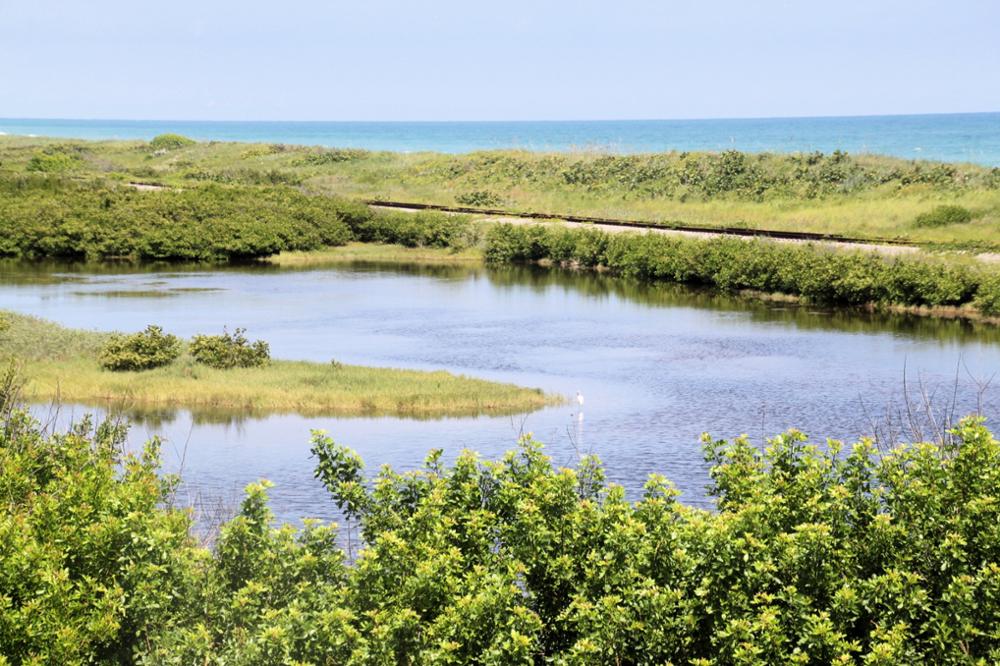
Generally speaking, spring and fall offer the best conditions for exploring American parks.
In addition to offering pleasant weather, these two seasons are also when there are fewer tourists. Two perfect conditions for engaging in outdoor activities and enjoying untamed nature in complete peace.
The United States boast numerous parks, including:
Grand Canyon National Park : located in Arizona, the Grand Canyon impresses with its vertiginous dimensions and 4,900-foot (1,500 m) depth. This site is UNESCO World Heritage listed due to its topography that is « as vast as it is multicolored and labyrinthine ».
Rocky Mountain National Park: in the heart of Colorado, you'll find Rocky Mountain National Park which lives to the rhythm of the seasons. In winter, the park is prized by skiing, snowshoeing, and dog sledding enthusiasts. In summer, the park is ideal for hiking on marked trails and observing local wildlife (elk, bighorn sheep, beavers, etc.).
Everglades National Park : created in 1947 to protect the site's ecosystem, this park spans over 2,300 square miles (6,000 km²). Inscribed as a World Heritage Site, you can see the famous American alligators in its swampy waters.
Visiting Iconic Cities
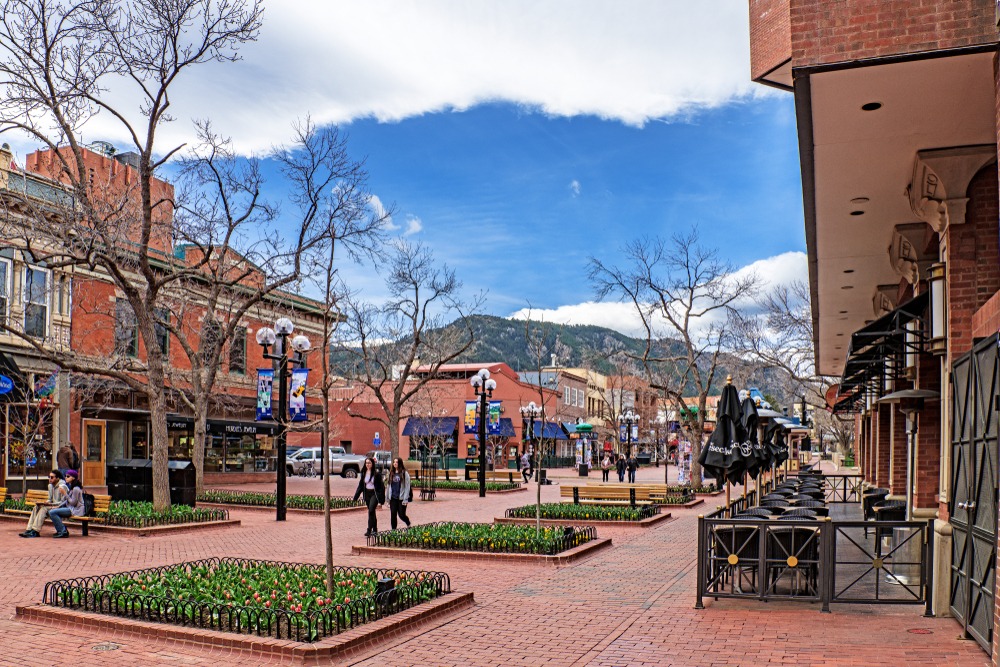
Spring and fall are also the two most pleasant seasons for discovering major cities, without excessive heat or cold.
Among essential cities: New York (Northeast), San Francisco (West Coast), California (West Coast), and Texas (Southwest), etc.
Taking a Road Trip
Finally, spring and fall also offer the best conditions for taking an iconic road trip, such as:
Pacific Coast Highway: also called State Route 1, this mythical route in California hugs the steep cliffs of the Pacific coast, passing through Santa Cruz, Monterey, Big Sur, and Santa Barbara.
Oregon Coast route: this scenic route is considered one of the most beautiful ocean routes in North America, thanks to the wild beauty of its coastal landscapes.
Route 66 (or U.S. Route 66): known worldwide, this route is associated with several historical events, notably the migration of farmers to California in the 1930s, seeking employment during the Great Depression.
Enjoying Beaches and Swimming
With its three maritime coasts (the Pacific, Atlantic, and Gulf of Mexico), the United States boasts numerous beaches and thousands of kilometers of coastlines. The ideal season for swimming generally spans June to September, with possible variations depending on regional climates.
If you wish to enjoy white sand beaches during your trip, note that California, Florida, and Hawaii offer very pleasant weather conditions, as well as numerous beach resorts.
On the West side, don't miss Big Sur, an essential stretch of the California coast; considered one of the most beautiful in the United States.
On the East side, toward Florida or South Carolina, summer temperatures hover around 75-86°F (24-30°C). Outside the summer season, water temperature remains around 72°F (22°C).
Finally, regardless of when you visit the United States, you can always swim in Hawaii, thanks to mild temperatures around 77°F (25°C), even during winter.
What is the Best Month to Visit the United States?
Depending on the regions, states, and your activity schedule, the best time to visit the United States may differ for each traveler. Nevertheless, the month of September can be considered the best for visiting the United States. In addition to enjoying pleasant temperatures, it also benefits from post-summer tranquility, once the peak tourist season has ended.
Frequently asked questions
September is often considered the best month to visit the United States. The climate is stable in most regions, summer heat diminishes, and tourist crowds decrease. It's also the beginning of Fall Foliage in the Northeast, offering exceptional landscapes.
The best period to visit Florida is between December and February. The climate is mild (around 68-77°F/20-25°C), tourist traffic is lower than in summer, and hurricane season (June to November) has ended. It's ideal for enjoying Miami's beaches and Everglades National Park.
To observe the northern lights in Alaska, plan your trip between mid-September and end of March. The particularly clear sky during this period favors observation of this phenomenon, particularly around Denali National Park.
Hurricane season in Florida runs from June to November. During this period, risks of storms and hurricanes are significant. If you travel during this time, carefully monitor local weather forecasts and inquire about hurricane alert protocols.
Spring (March to May) and fall (September to November) offer the best conditions for a road trip across the United States. Temperatures are pleasant, crowds are smaller, and landscapes are magnificent. Iconic routes like the Pacific Coast Highway in California or Route 66 are particularly beautiful during these periods.
Hawaii enjoys a tropical climate pleasant year-round. The sunniest and warmest period extends from June to October, with temperatures around 86°F (30°C). Rainy season lasts from late October to March, with brief showers that minimally disrupt activities. From December to May, it's also the ideal period to observe humpback whales.
Yes, certain national parks are very pleasant in winter. Rocky Mountain National Park in Colorado is prized for skiing and snowshoeing. Everglades National Park in Florida is ideal in winter thanks to its mild temperatures. Conversely, avoid Death Valley in summer (>122°F) and prioritize visiting between October and April.