Complete guide to the United States
Our local agency, based in Washington, covers a territory spanning four time zones and nearly 4,500 km from east to west. The United States is less a country than a mosaic: the dense, historic East Coast between Boston and Washington, the musical South from New Orleans to Nashville, the mineral-rich West with parks in Utah and Arizona, and the Californian Pacific from San Francisco to San Diego.
We regularly work across four major regions. The Northeast concentrates colonial heritage, Manhattan, and the stunning Route 1 through New England, spectacular in October when the maples turn red. The American West remains our favorite territory: the parks loop (Grand Canyon, Bryce, Zion, Monument Valley) takes seven to ten days by car, with nights in lodges overlooking the canyons. Florida and Louisiana offer a different pace, slower, between bayous, beaches, and Creole culture. Finally, the West Coast combines cities (Los Angeles, San Francisco), parks (Yosemite, Sequoia), and Highway 1 between Big Sur and Monterey.
On a practical note, plan a minimum of 12 days for a genuine region, 3 weeks to combine two coasts. Our team will guide you based on the season: summer for the northern parks, winter for Florida and the Southwest, autumn for New England.
The regions of United States
Each region has its own personality: climate, landscapes, pace of life and ways of traveling. Our local team helps you choose the combination that suits you.

East Coast
From Boston to Washington via New York and Philadelphia, the East Coast concentrates colonial heritage and major metropolises. Allow 4 hours by train between New York and Washington, and 4 hours between New York and Boston as well. New England villages, such as Stowe in Vermont or Kennebunkport in Maine, are best explored by car, especially between late September and mid-October when the forests blaze with color. Winters are harsh (below freezing from December to March in Boston), and summers are hot and humid in New York. We recommend May-June and September-October to combine city and countryside without excessive crowds.
American West
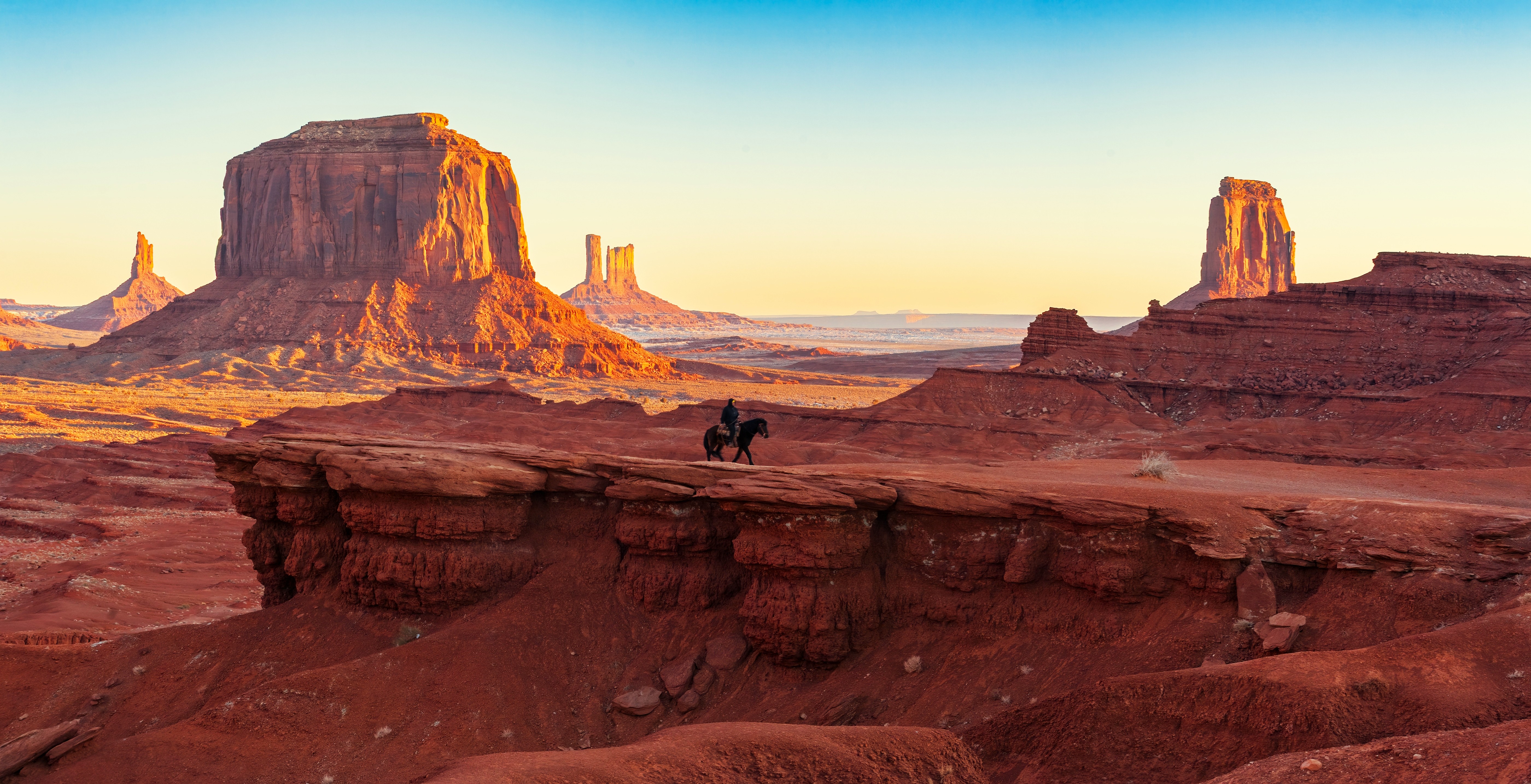
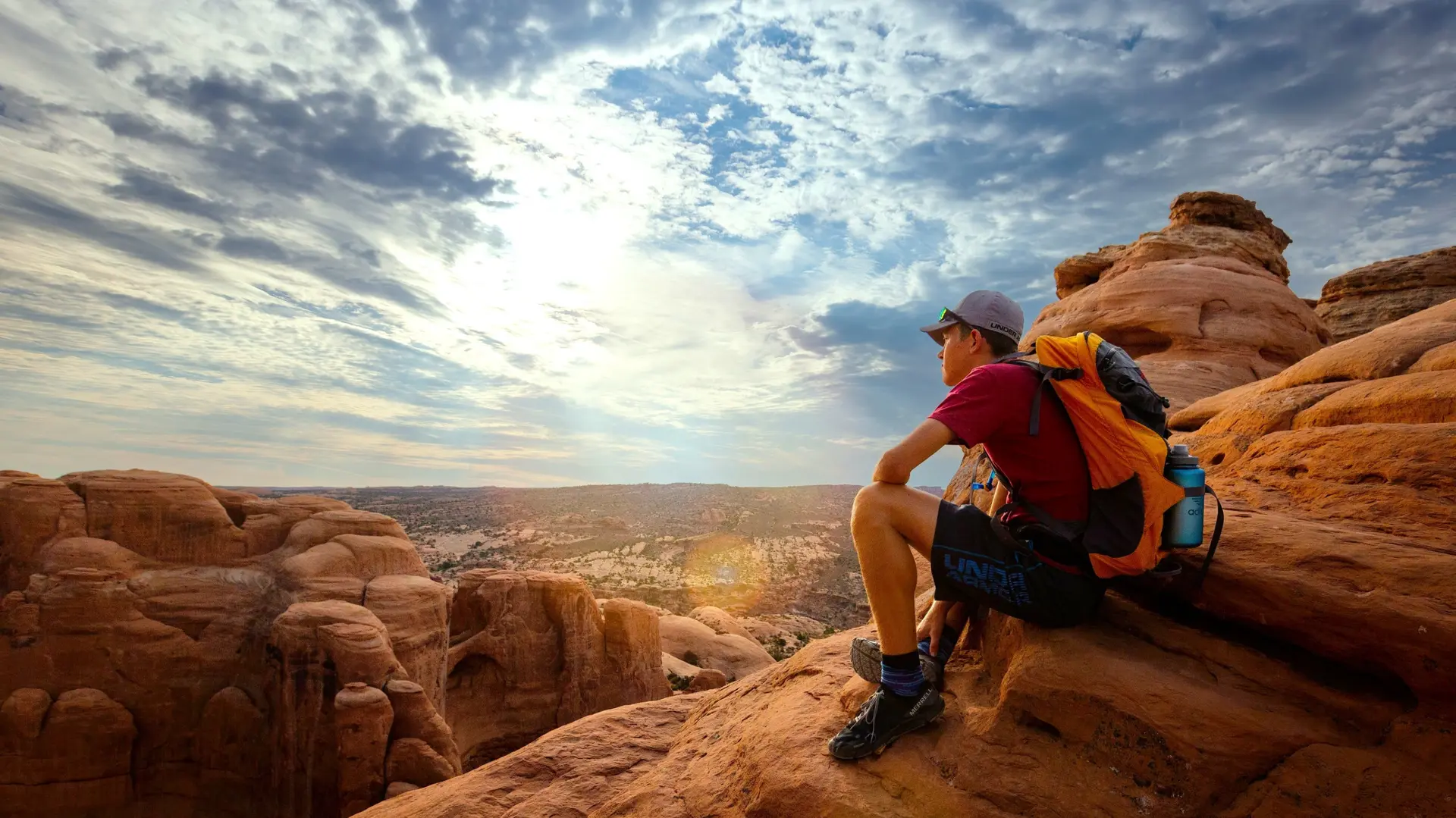
The grand parks circuit is organized around Las Vegas or Phoenix, in a loop of 7 to 12 days. Grand Canyon, Bryce Canyon, Zion, Monument Valley, Antelope Canyon: the distances are long (200 to 400 km per stage) but the roads are excellent. Scorching summers in the canyons (40°C at the bottom of the Grand Canyon in July), snow possible at Bryce in winter (2,400 m altitude). We favor May and September-October, with nights in lodges inside the parks, to be booked six months in advance. A detour through the Navajo village of Tuba City adds a cultural dimension to the mineral landscape.

California
From San Diego to San Francisco, California can be explored in 10 to 14 days by car along Highway 1. Los Angeles is home to studios and beaches (Santa Monica, Venice), San Francisco offers mild weather year-round (15-20°C) and direct access to Napa vineyards. Yosemite, a 4-hour drive from San Francisco, is best visited between May and October, as Tioga Pass Road closes in winter. The Big Sur-Monterey stretch, with its cliffs and seals, remains our favorite section. Avoid Death Valley's extreme heat in July-August, with temperatures exceeding 50°C on some days.
Deep South
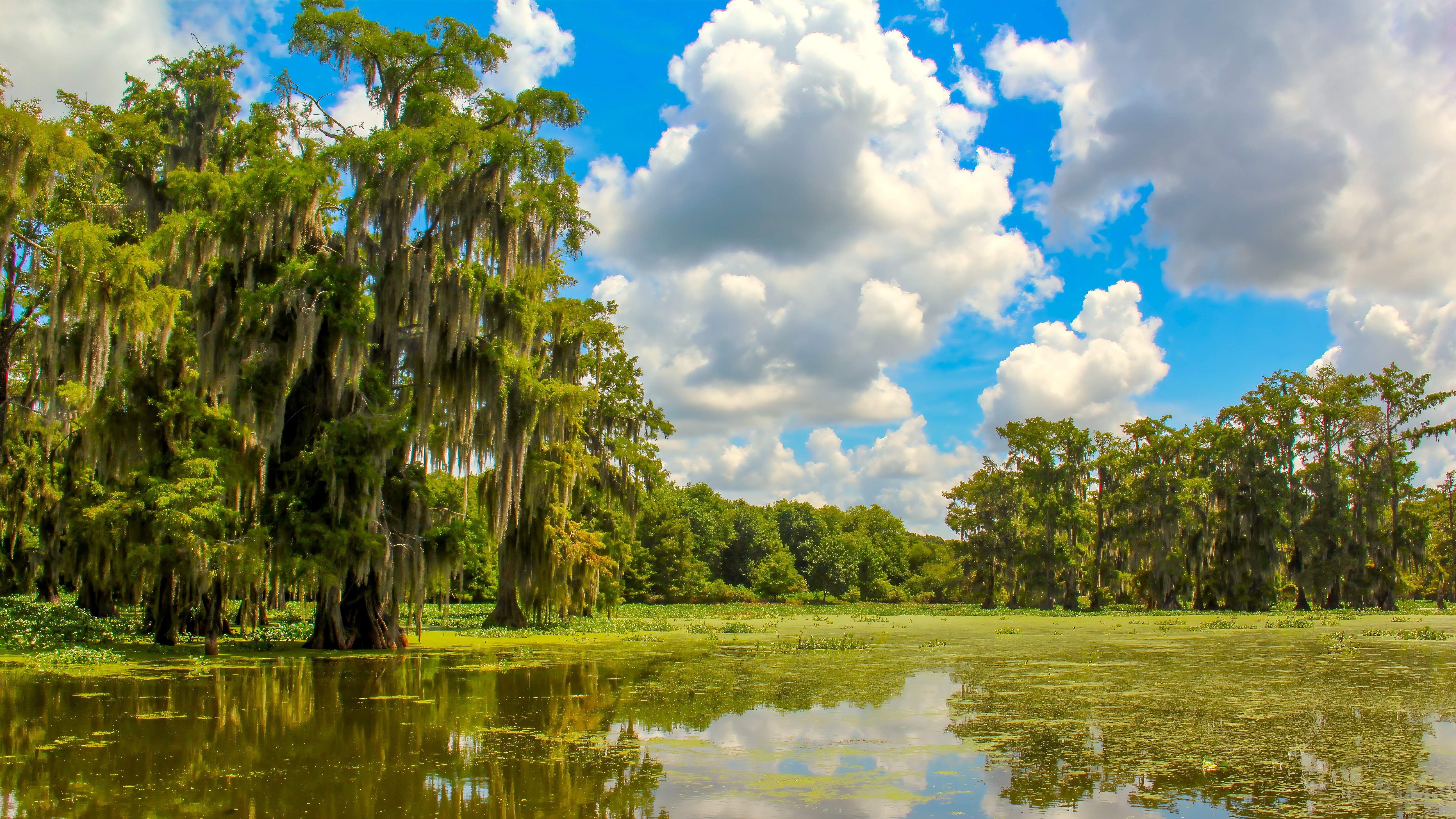
New Orleans, Memphis, Nashville, Charleston: the South pulses to the rhythm of jazz, blues, and Creole cuisine. Allow a minimum of 10 days to drive from Louisiana to Tennessee, with stops at plantations in Natchez or music venues in Clarksdale, in the Mississippi Delta. Subtropical climate: mild winters (average 15°C in New Orleans), heavy and stormy summers, hurricane season from August to October. Our preferred time remains March–April, when magnolias bloom and festivals follow one another (Jazz Fest at the end of April in New Orleans).
Florida and Southeast
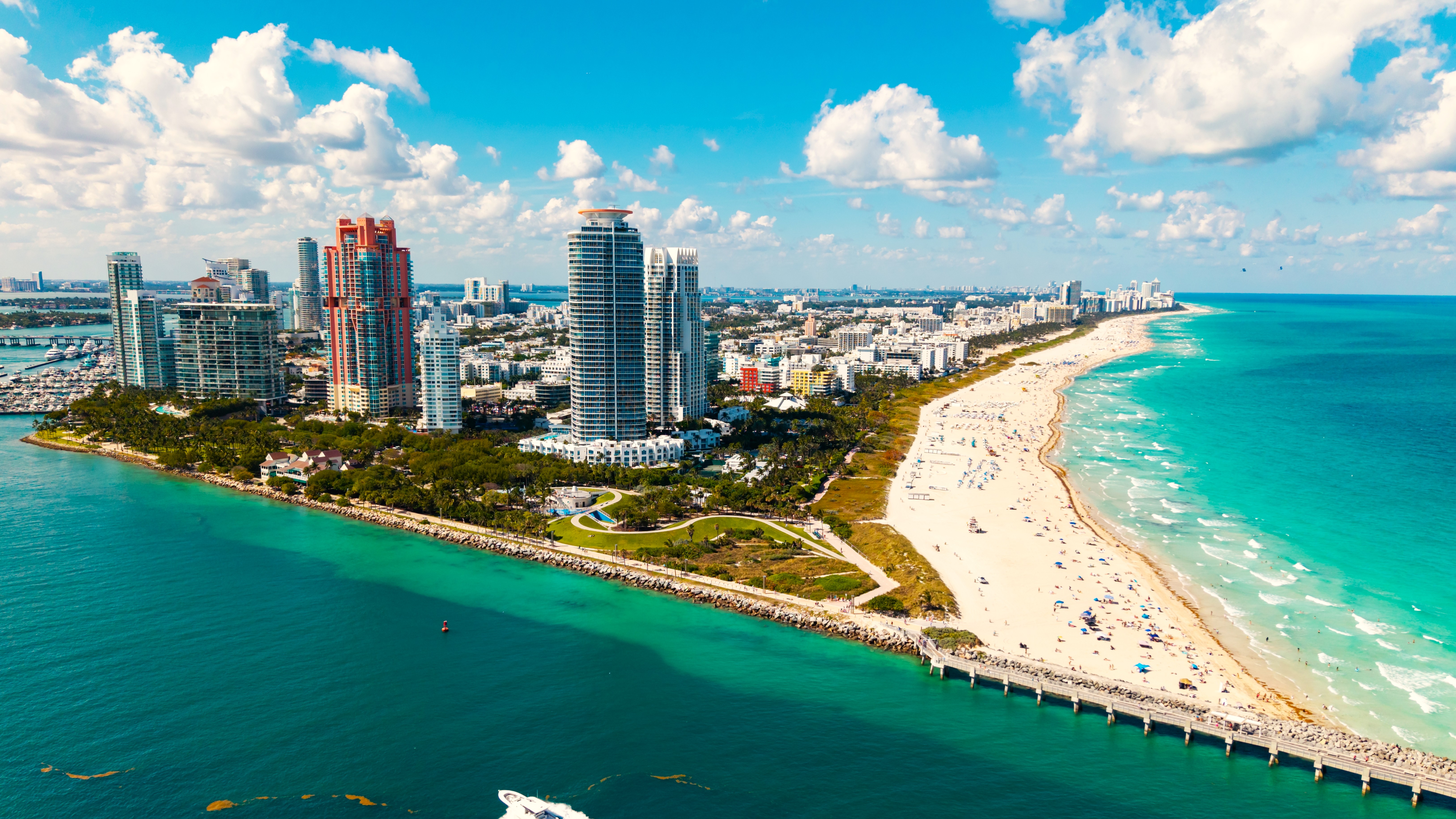
Miami, the Keys, the Everglades and the Gulf Coast form a year-round accessible destination, ideal between December and April when the rest of the country freezes. The US-1 route to Key West, 180 km of bridges over turquoise waters, can be done in two days with a night in Islamorada. The Everglades are explored by speedboat from Everglades City. For families, Orlando concentrates the theme parks. Avoid September, peak hurricane season. Water at 24°C in winter, ideal for diving on the reefs off Key Largo.
Northern Parks and Rockies
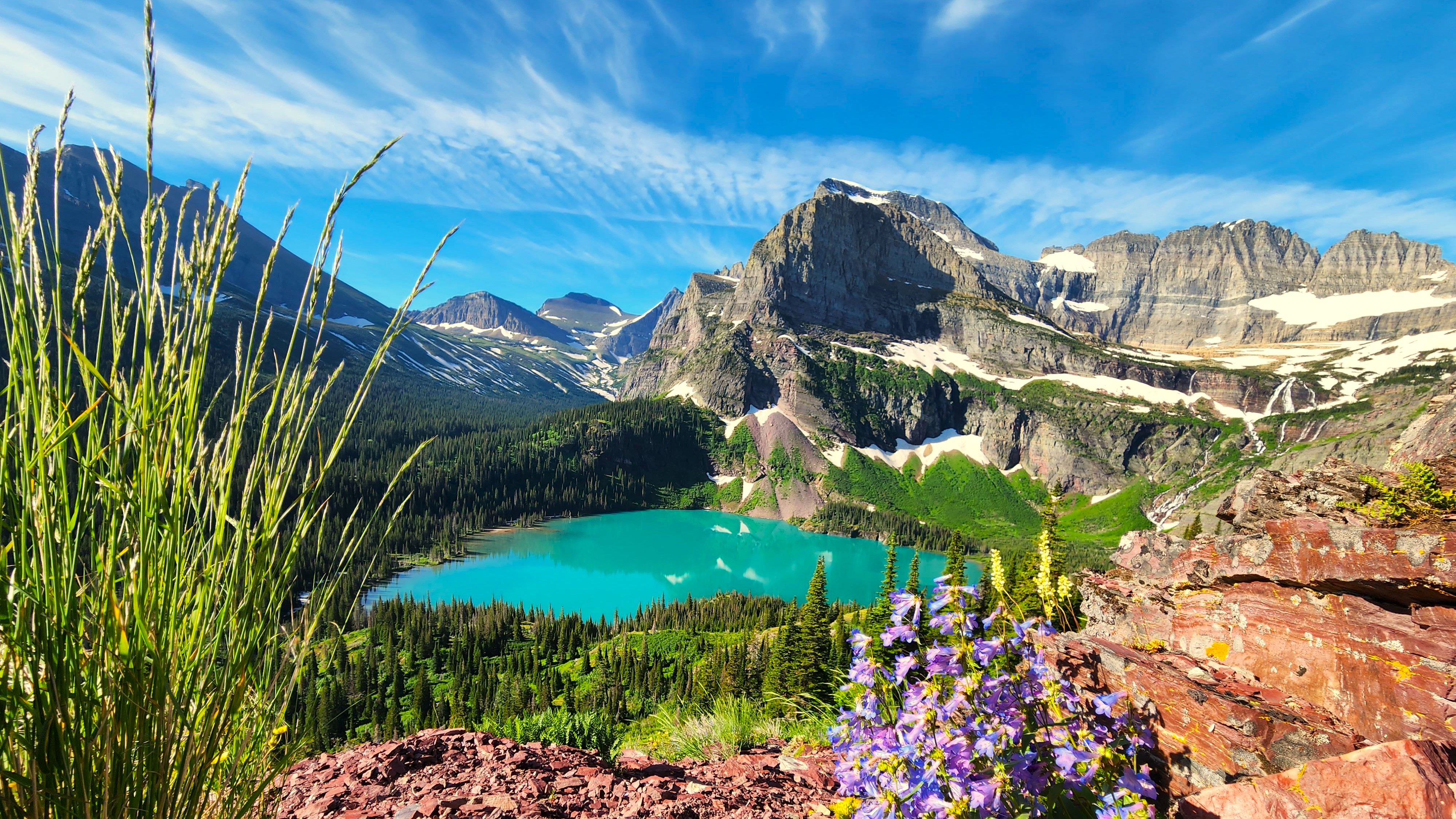
Yellowstone, Grand Teton, Glacier National Park: the northern parks are best visited between June and September, as high-altitude roads are closed the rest of the year. Plan for 8 to 10 days departing from Bozeman or Jackson Hole to combine geysers, bison, and glacial lakes. Yellowstone, the world's oldest national park (1872), remains our favorite for wildlife: bears, wolves, and elk are easily spotted at dawn in Lamar Valley. Cool nights even in summer (5°C in July at 2,400 m), so bring a fleece and windbreaker. Historic lodges, such as Old Faithful Inn, book up a year in advance.
Explore by theme
Unique experiences tailored to every traveler.
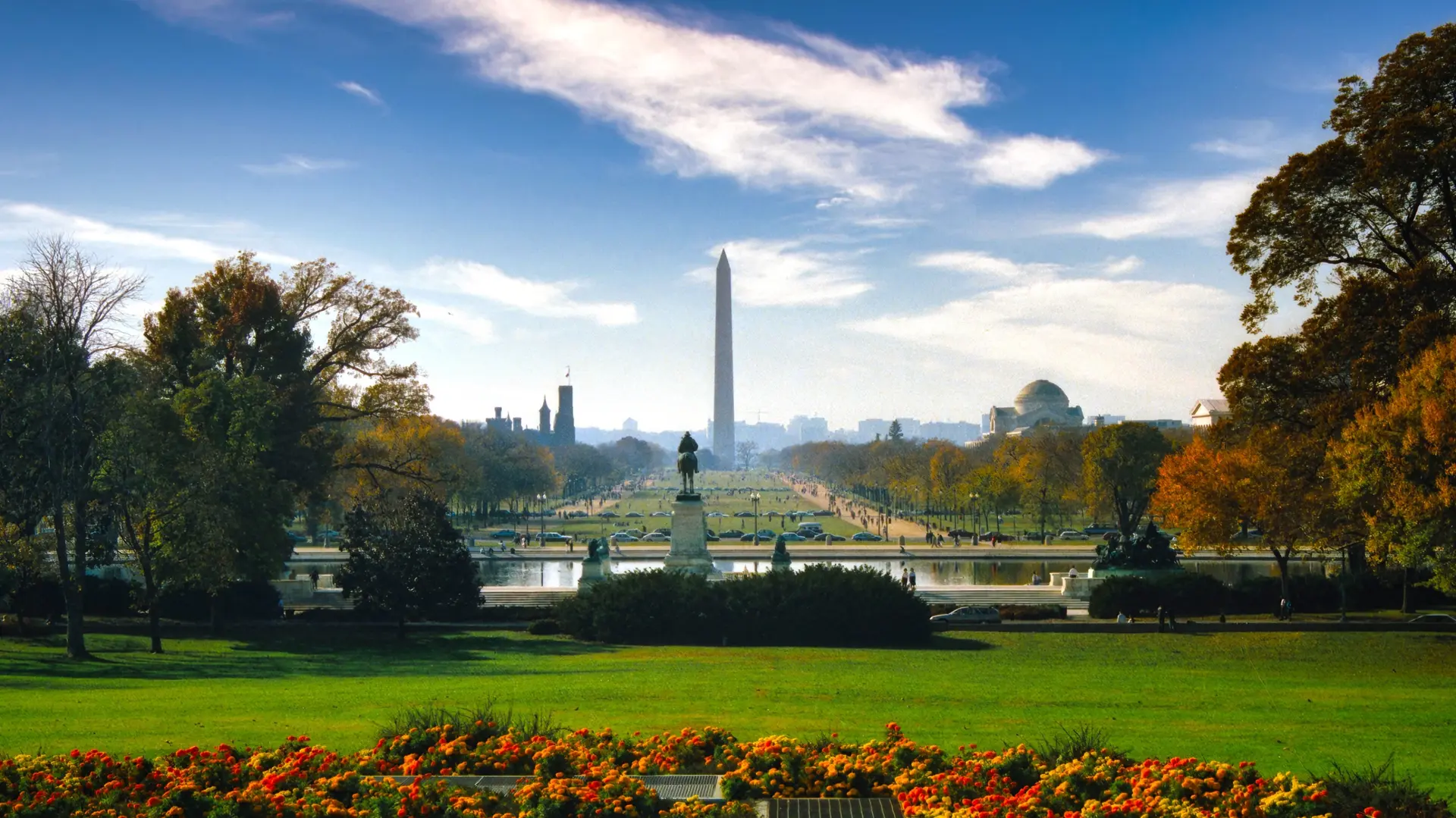
Culture & Heritage
Temples, musées, sites historiques
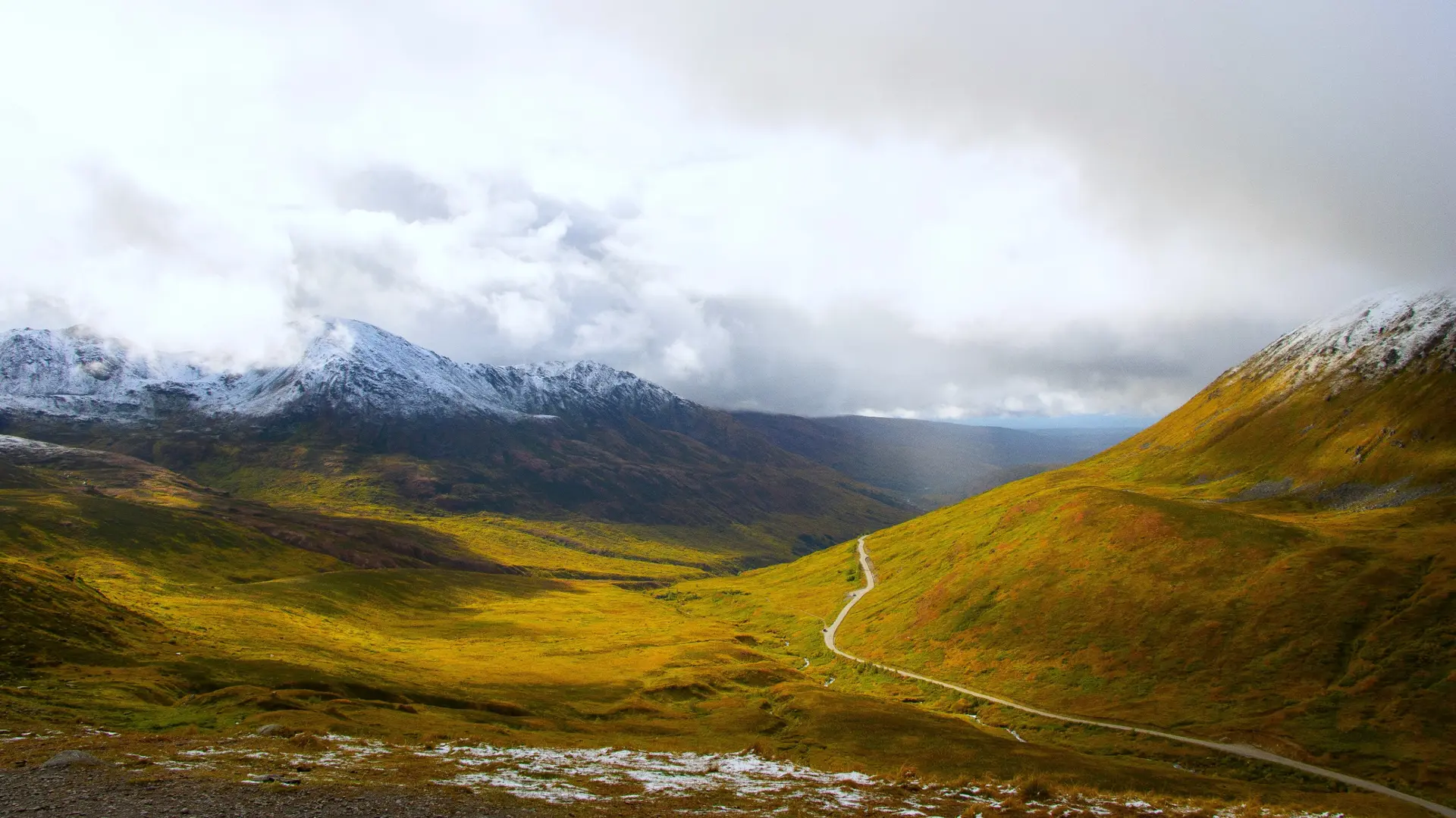
Nature & Landscapes
Parcs nationaux, montagnes, forêts
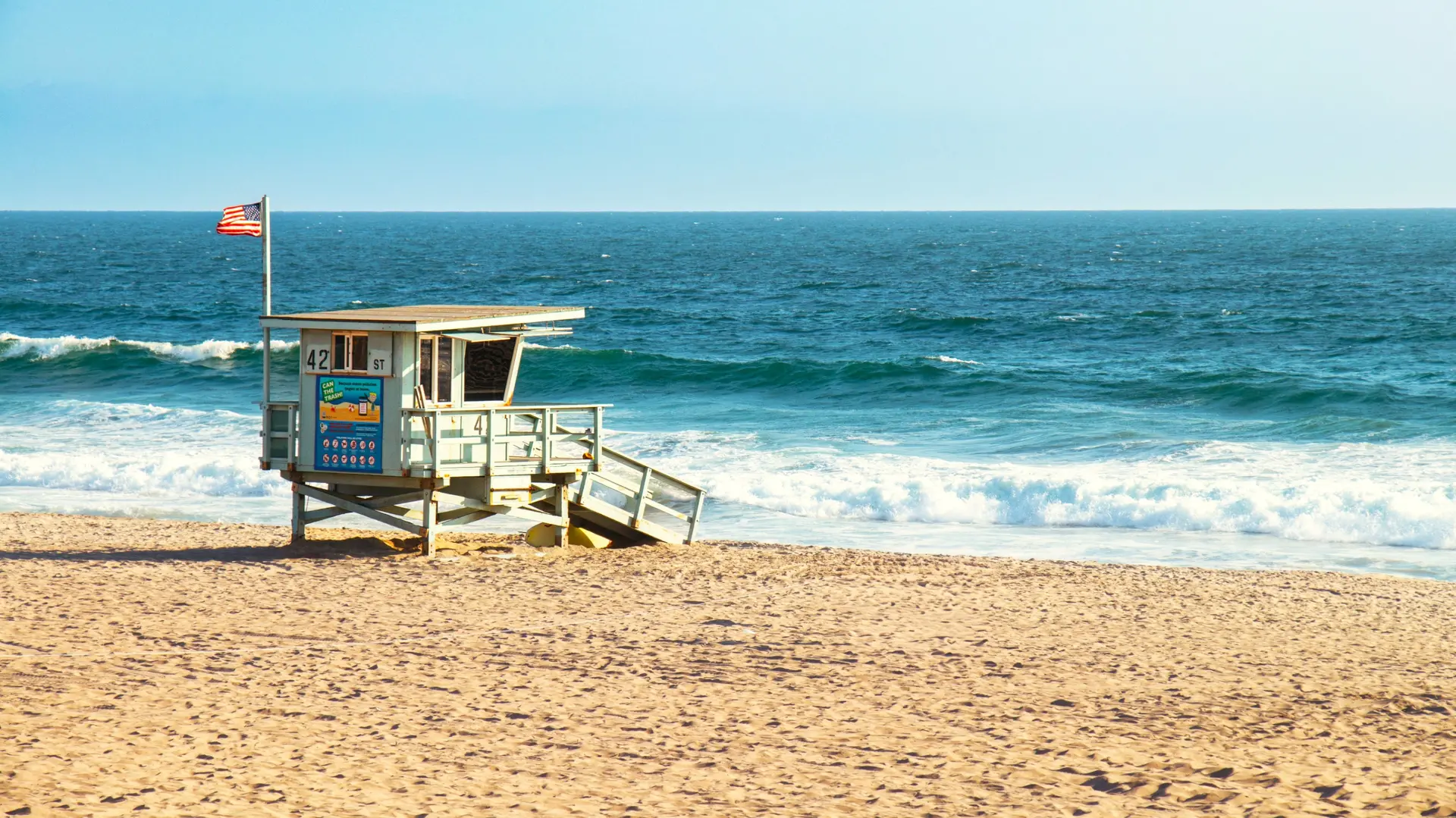
Sea & Beaches
Littoral, îles, sports nautiques
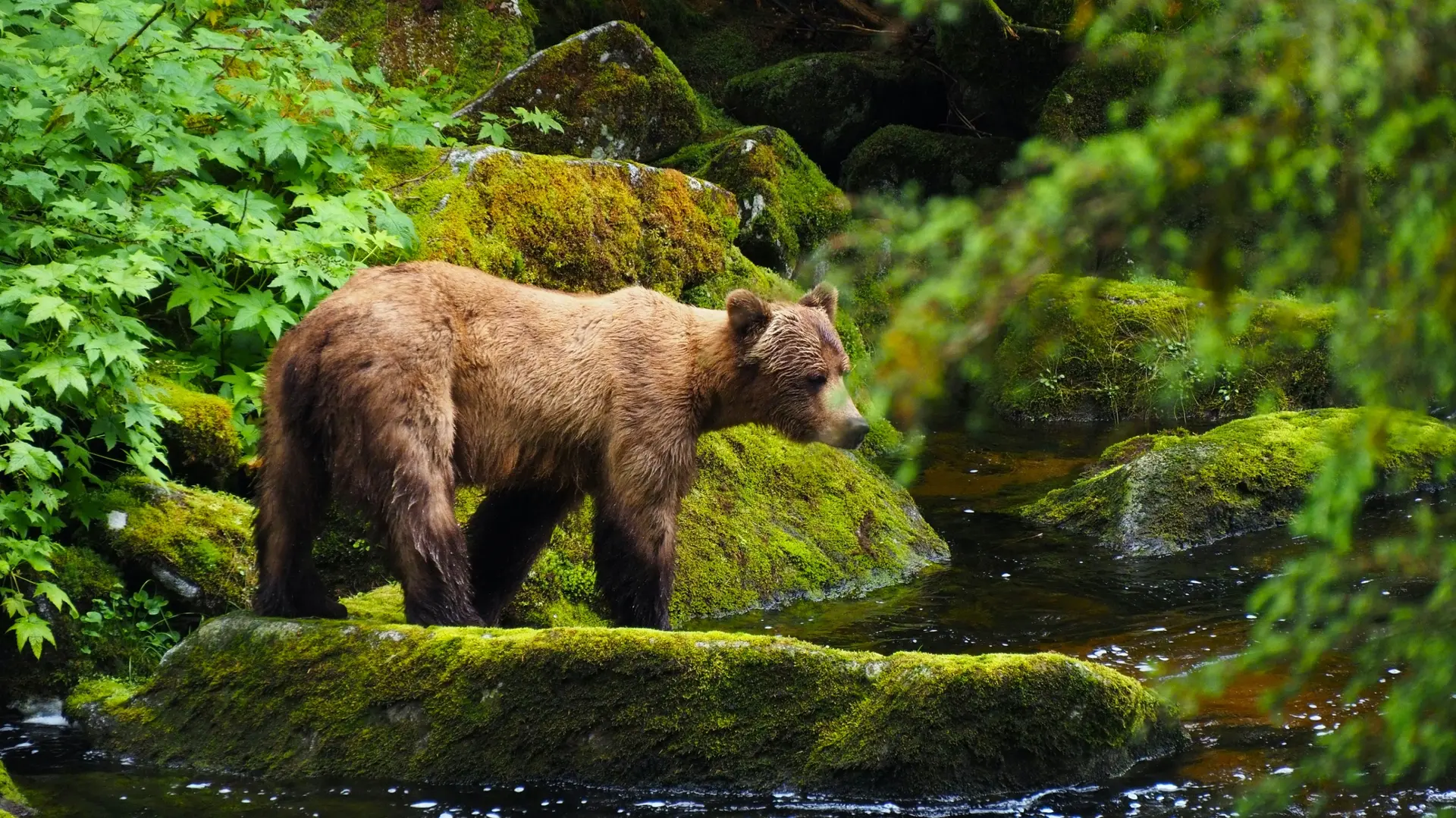
Wildlife & Biodiversity
Observation animale, sanctuaires, réserves
Activities & Adventure
Trek, kayak, escalade, sports outdoor

Gastronomy
Cuisine locale, marchés, cours de cuisine
We use cookies to improve your experience and measure our site's audience. You can choose what you accept. Learn more.