Power Outlets in the USA
When bringing electrical devices on your trip to the United States, be aware that the electrical system differs from that in France. It is essential to verify compatibility before plugging in your equipment.
When bringing devices on your trip to the United States, understand that the electrical system differs significantly from France's. It's essential to verify compatibility before plugging in your equipment and ensure your devices meet American electrical standards.
General Information About Electrical Current in the USA
Heading to the United States? You've thought of everything… except electrical outlets! In the USA, the electrical system is different from France's. Without the right adapter, you won't be able to charge your phone, use your laptop, or dry your hair.
Do you need a simple adapter or a voltage converter? Which model should you choose to avoid unpleasant surprises at the hotel or in a rental car? This guide explains everything you need to know to safely plug in your devices in the United States.
Electrical Current Standards in the United States
Unlike Europe, where domestic electricity operates at 220V, the United States uses a voltage of 110V. The frequency also differs: 60 Hz in the United States versus 50 Hz in Europe.
Fortunately, many modern electronic devices (phone chargers, computers, cameras, etc.) are designed to support a wide voltage range (100V–240V).
Before departing, check the label on your device or its charger. If you see "Input: 100–240V, 50/60Hz," it means it's compatible with American power. A simple plug adapter will suffice.
However, certain devices like hair dryers, irons, electric razors, and electric toothbrushes aren't always compatible with American voltage. In this case, a voltage converter will be necessary.
What Types of Outlets Are Used in the United States?
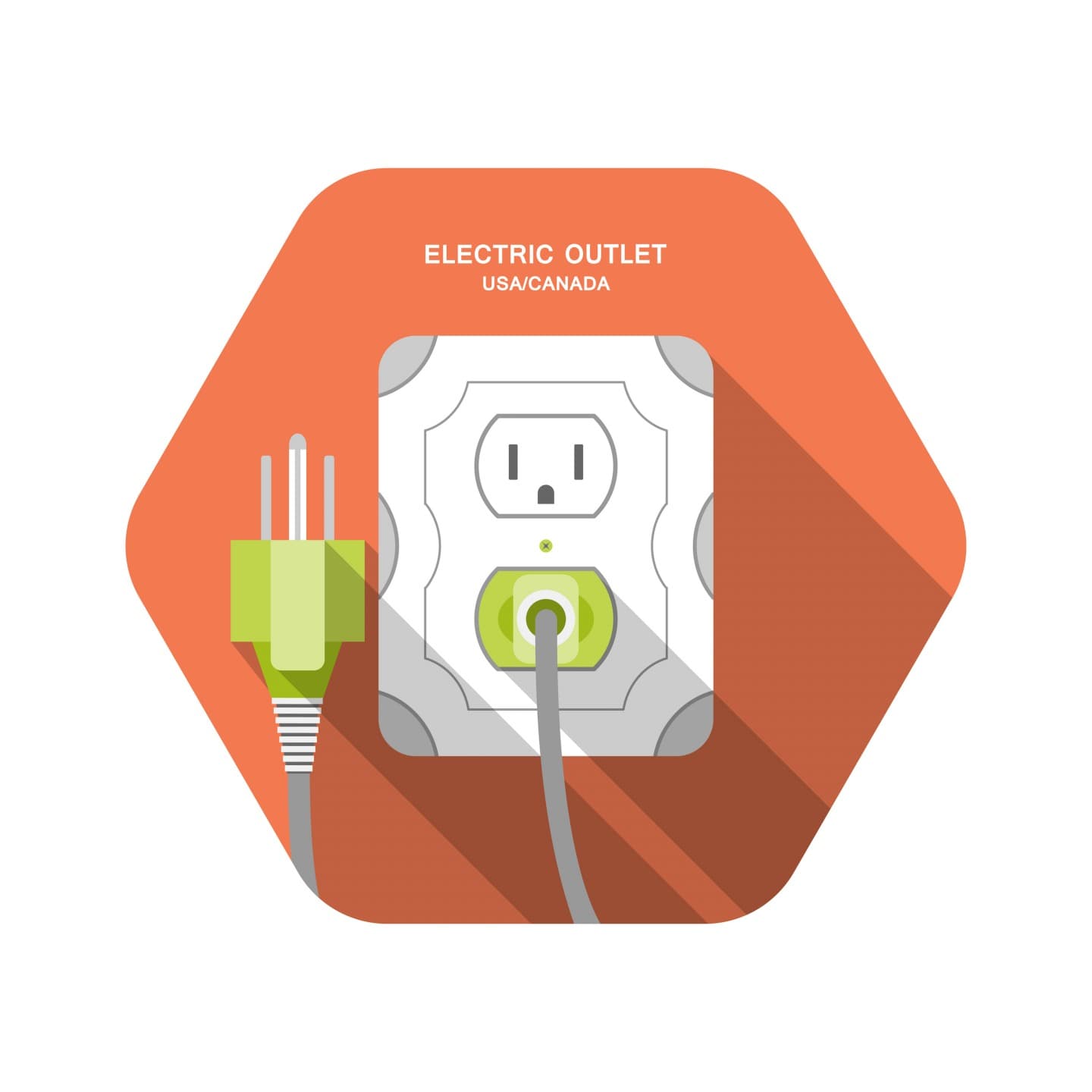
The United States uses two types of electrical outlets: Type A and Type B outlets.
Type A Outlets
The plug (male connector) of Type A outlets features two flat parallel prongs. One prong is slightly wider than the other to prevent reversed polarity when inserting into the wall outlet (female socket).
Each prong has a small hole. These holes allow springs inside the female socket to catch them, ensuring a more secure connection. This system prevents the plug from accidentally disconnecting, reducing the risk of electrical arcs, fires, or power loss.
Type B Outlets
A Type B plug is similar to Type A, but with a third round prong for grounding, offering enhanced safety.
Which Adapter Should You Choose for an American Outlet?
Standard Adapters
You'll find simple adapters on the market that allow you to plug your French outlets into American ones.
In the United States, most modern homes use Type B outlets. However, Type A outlets are still present in some older buildings, particularly in houses and structures built before the 1970s. Purchase both a Type B adapter and a Type A adapter to avoid surprises.
Universal Adapters
This is the type most travelers choose. Unlike basic adapters, it's compatible with most outlet types worldwide, including American outlets (A and B), British (Type G), Australian (Type I), and European (Type C/E). Make sure it can handle the power of your devices. Some models include surge protection features.
Do I Need to Buy a Converter?
Some European devices operate only with 220V or 230V installations. These include hair dryers, certain electric toothbrushes (especially those that don't charge via USB), and some medical devices. If this applies to your equipment, you'll need to purchase a voltage transformer (converter).
Transformers work by increasing or decreasing electrical voltage. For travelers from France, a transformer reduces voltage from 220V to 110V.
These devices are bulkier and more expensive than a simple adapter. They typically resemble power strips and come with several electrical adapters for use in many countries.
Some believe you can use European devices without a voltage converter. Generally, they won't suffer immediate damage, but their performance could be affected. Insufficient power can cause overheating or reduce their lifespan. Additionally, unsuitable frequency can cause unpredictable malfunctions.
If you decide to try it, proceed with caution, especially with motorized or sensitive electronic equipment like clocks, razors, and medical devices. To avoid problems, it's better to purchase a voltage converter.
Do I Need an Adapter in Hotels?
Many hotels in the United States are equipped with USB outlets, allowing you to charge certain devices directly without an adapter. However, wall outlets remain in American format (Type A and B), requiring an adapter to plug in French equipment.
Regarding transformers, few hotels provide them. If you have a device incompatible with 110V, you'll need to bring your own transformer.
Do I Need an Adapter in Vehicles?
Rental vehicles in the United States are equipped with 12V cigarette lighter sockets, identical to those used in France. You can use a standard cigarette lighter charger for your devices.
Increasing numbers of rental cars also offer integrated USB ports to charge your smartphone or tablet directly.
On planes and long-distance trains, electrical outlets are common, but they'll also follow American standards.
If you're traveling in a motorhome, it may be useful to purchase a 12V/220V converter that plugs into the cigarette lighter and powers devices requiring 220V.
Where Can You Buy French-to-USA Adapters?
You can purchase adapters before departure or once you arrive.
Before Departure
- Online: platforms like Amazon offer a wide selection of adapters and universal adapters.
- In-store: large retailers, electronics shops, and travel stores sell adapters, though selection is often limited.
On-Site in the United States
- Airports: travel shops sell adapters, though prices are higher.
- Electronics stores: retailers like Best Buy and Walmart offer adapters and transformers.
- Pharmacies and gas stations: basic adapters are often available.
While European countries use 220V domestic electricity, in the United States current voltage operates at 110V in all homes. In principle, devices such as phone chargers, computers, and cameras are compatible with 110V–230V. This requires a quick check each time to avoid damaging your equipment.
Type of Outlets Used in the USA
American power outlets have flat prongs. You'll need to bring an adapter to recharge your electrical devices. Some require a transformer, such as a hair dryer. This device can also function as an adapter. There's no need to buy both at once. They're typically sold in hardware stores, home improvement shops, and airports. Additionally, a helpful tip is to bring a multi-outlet extension cord, allowing you to charge several devices simultaneously while using just one adapter.
Furthermore, an electrical device purchased in the United States may not comply with France's electrical system, even with the help of an adapter and transformer.
What Type of Adapter Should You Use?
The universal adapter allows you to charge both a smartphone and camera batteries. Apart from airports where prices seem quite high, you can find them in drugstores like Duane Reade in New York. In hotels, signs specify the respective use of outlets, such as for razors. This doesn't prevent using them for battery chargers or phone chargers. Additionally, you can borrow an adapter from the reception desk of upscale hotels.