Currency in the United States
Before traveling to the United States, it is essential to understand how American currency works. Between bills adorned with historical figures, coins that remain very present in daily life, and the massive use of banking cards, the payment system can surprise travelers.
Before traveling to the United States, it is essential to understand how American currency works. Between bills adorned with historical figures, coins that remain very present in daily life, and the massive use of banking cards, the payment system can surprise travelers. This practical guide explains everything you need to know about the American dollar (USD): denominations, payment methods, cash withdrawals, cost of living, and useful tips for managing your expenses during your stay.
A brief introduction to the American dollar
The American dollar (USD) is the official currency of the United States since 1792. Recognized by its symbol $, it is divided into 100 cents. The dollar is not just a national currency—it is also the primary medium of exchange in international commerce. Its stability and central role in global finance make it a benchmark for many countries.
The dollar is issued by the Federal Reserve, the central bank of the United States. Bills are printed by the Bureau of Engraving and Printing, located in Washington D.C. and Fort Worth, Texas, while coins are minted by the U.S. Mint.
For an English-speaking traveler, the dollar may seem familiar, as it circulates widely abroad. Yet its use comes with specific characteristics: a limited system of denominations, the still-common use of coins, and above all a payment culture that relies heavily on cards and tipping.
Dollar bills in circulation
In the United States, only a few denominations actually circulate. The most common are:
- 1 dollar: George Washington, used daily.
- 5 dollars: Abraham Lincoln.
- 10 dollars: Alexander Hamilton, first Secretary of the Treasury.
- 20 dollars: Andrew Jackson, very common, but sometimes refused in small shops due to counterfeit concerns.
- 50 dollars: Ulysses S. Grant.
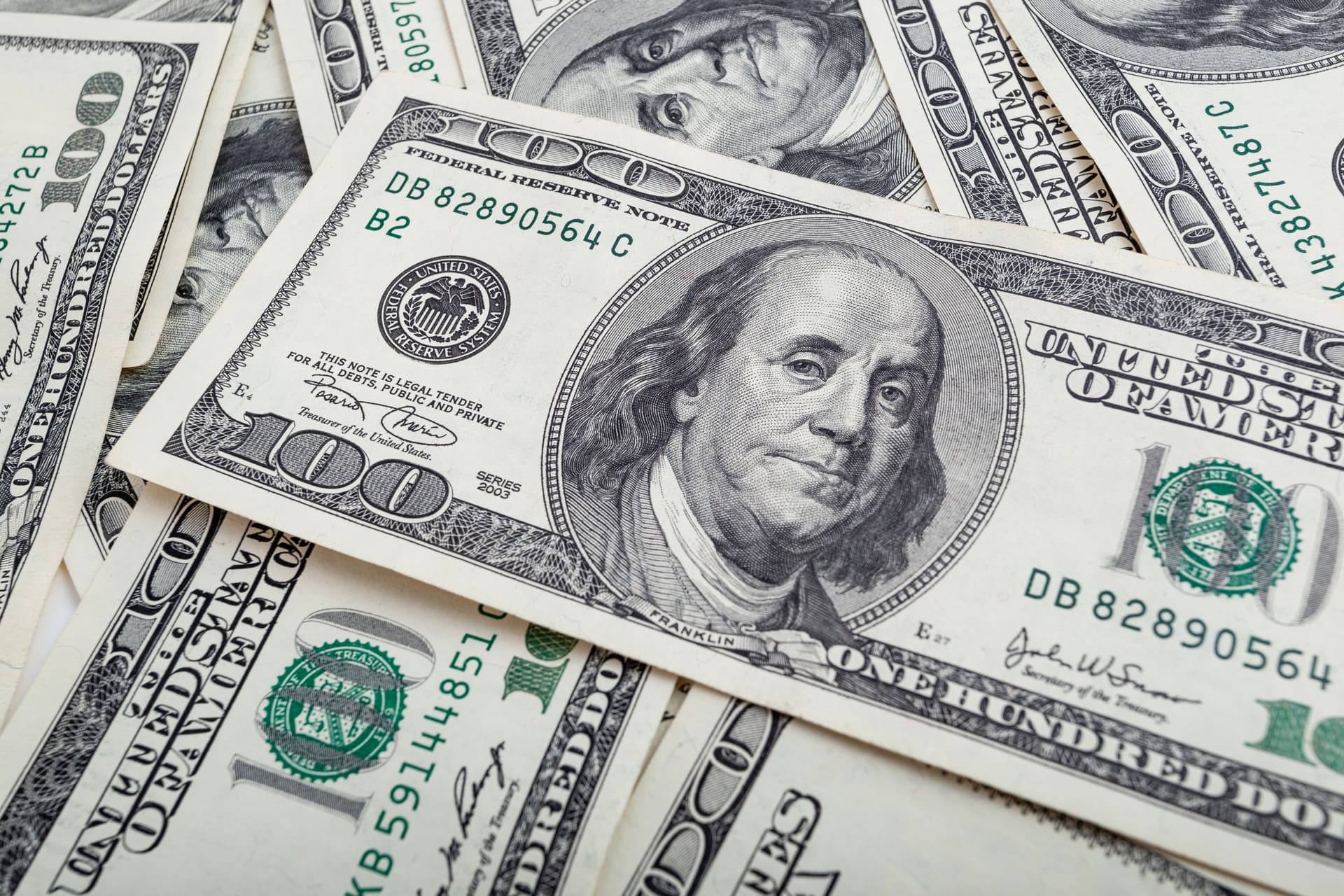
- 100 dollars: Benjamin Franklin, the highest denomination in circulation.
The 2 dollar bill, featuring Thomas Jefferson, still exists but remains rare.
Each bill incorporates security features: watermarks, special inks, holograms, and micro-printing. The 20 and 100 dollar bills are the most counterfeited, which is why merchants are particularly vigilant. Some do not accept 100 dollar bills, especially in tourist areas.
Practical tip: always keep small denominations on you. They will save you from refusals or difficulties making change, particularly in taxis or restaurants.
Coins in use
As mentioned above, the dollar is divided into 100 cents. Coins have specific names that sometimes surprise travelers:
- 1 cent (penny): copper, portrait of Abraham Lincoln.
- 5 cents (nickel): Thomas Jefferson.
- 10 cents (dime): Franklin D. Roosevelt, very small coin despite its value.
- 25 cents (quarter): George Washington. This is the most useful coin in daily life.
- 50 cents (half dollar): John F. Kennedy, rarely used.
- 1 dollar (dollar coin): exists with different portraits (Sacagawea, presidents), but circulates very little.
The quarter is indispensable. You will need it for vending machines, laundromats, or parking meters. The penny, on the other hand, is often overlooked as its value is too low.
Tip: set aside your quarters, especially if you are traveling by car or using public transportation. They will make your life much easier.
Payment methods used by Americans
On American soil, the banking card reigns supreme. Americans strongly prefer electronic payments, but cash remains necessary in certain situations.
- Banking cards: Mastercard and Visa International are accepted everywhere. American Express and Discover are accepted less frequently, especially in small businesses.
- Mobile payments: Apple Pay, Google Pay, and other contactless solutions are now widespread, particularly in major cities.
- Cash: still used, but less common for large amounts. Small denominations remain useful for tips and quick purchases.
- Traveler's checks: virtually obsolete and rarely accepted.
Note: some businesses refuse 100 dollar bills, or even 50 dollar bills. In restaurants, it is common for the bill to be paid directly by card, even for small amounts.
Withdrawing and exchanging currency
To obtain dollars, you have several options.
- Withdrawals at ATMs: easy to find in airports, banks, supermarkets, and gas stations. Watch out for fees: generally between 2 and 5 dollars per withdrawal, plus fees from your bank at home.
- Exchange offices: present in airports and major cities, but rates are not always favorable. Exchanging currency on site is often unfavorable; it may be more advantageous to convert your euros to dollars before departure.
- American banks: they can exchange your euros for dollars, but this service is sometimes reserved for customers.
- Fee-free international cards: some online banks or neo-banks offer free or low-cost withdrawals. This is often the most economical solution.
To know: you can carry up to 10,000 USD in cash without special formalities. Beyond this amount, you must file a declaration with U.S. customs.
Tip: prioritize withdrawals from major bank ATMs (Bank of America, Chase, Wells Fargo) rather than isolated machines in hotels or shops, which charge higher fees.
Budget and cost of living
As in all countries, the cost of living varies by region in the United States. Major cities like New York, San Francisco, or Los Angeles are expensive, while small towns or the interior are more affordable.
A few useful benchmarks:
- Restaurant meals: between 15 and 25 dollars per person in a standard restaurant.
- Hotel night: from 100 to 250 dollars in major metropolises, 70 to 120 dollars elsewhere.
- Transportation: a subway ticket in New York costs about 2.90 dollars, car rental runs around 50 dollars per day.
An essential element is the tip, which represents a significant part of the budget:
- Restaurants: 15 to 20% of the bill.
- Taxis and ride-sharing: 10 to 15%.
- Hotels: 1 to 2 dollars per bag for bellhops, 2 to 5 dollars per night for housekeeping staff.
Failing to leave a tip is considered rude. You must therefore always plan an additional amount in your budget to cover this practice.
In restaurants, it is customary to leave 15 to 20% of the bill. In cafes, count rather on 10 to 15%, while at the bar, it is common to leave about 1 dollar per drink.
For other services (taxis, hotels, baggage handlers), set aside a few dollars depending on the service. Most of the time, you can pay the tip in cash or add it directly when paying by credit card, which is very convenient.
FAQ about currency in the United States
What is USD?
USD is the international code for the American dollar, used in financial and banking transactions.
How do you count American currency?
The dollar is divided into 100 cents. Bills range from 1 to 100 dollars, coins from 1 cent to 1 dollar. Remember the specific names well: penny, nickel, dime, quarter.
Do merchants accept euros?
No, payments are made only in dollars. You must therefore exchange your euros before departure or withdraw money on site.
Can you pay everywhere by credit card?
Yes, almost everywhere. Only some small businesses, markets, or remote stations still prefer cash.
Is there a limit on how much you can withdraw from ATMs?
Yes, depending on the bank and the machine, withdrawal can be limited (often between 200 and 500 dollars per transaction).