What to See and Do in the Everglades
Everglades National Park is located in southern Florida. Spanning over 6,000 km², this vast territory is the third largest national park in the United States! Ready to explore it?
The Everglades National Park is located in southern Florida. Spanning over 6,000 km², this vast territory is the third largest national park in the United States! Ready to explore it? Park entrances, routes, outdoor activities and costs : here is our complete guide to visiting the Everglades National Park – located just a short distance from Miami…
Why Visit Everglades National Park?
The stunning Everglades National Park is an emblematic destination, renowned and honored multiple times by prestigious authorities. In 1976, the site was designated a biosphere reserve to protect its ecosystems (36 species living in the park were endangered at that time).
In 1979, the park was also inscribed on the UNESCO World Heritage List, due to the richness of its landscapes and endemic wildlife. A few years later, in 1987, the site joined the list of Ramsar sites, which catalogs wetlands of international importance, across the globe…
What to See and Do in Florida's Everglades Park?
1. Observe Wildlife and Flora
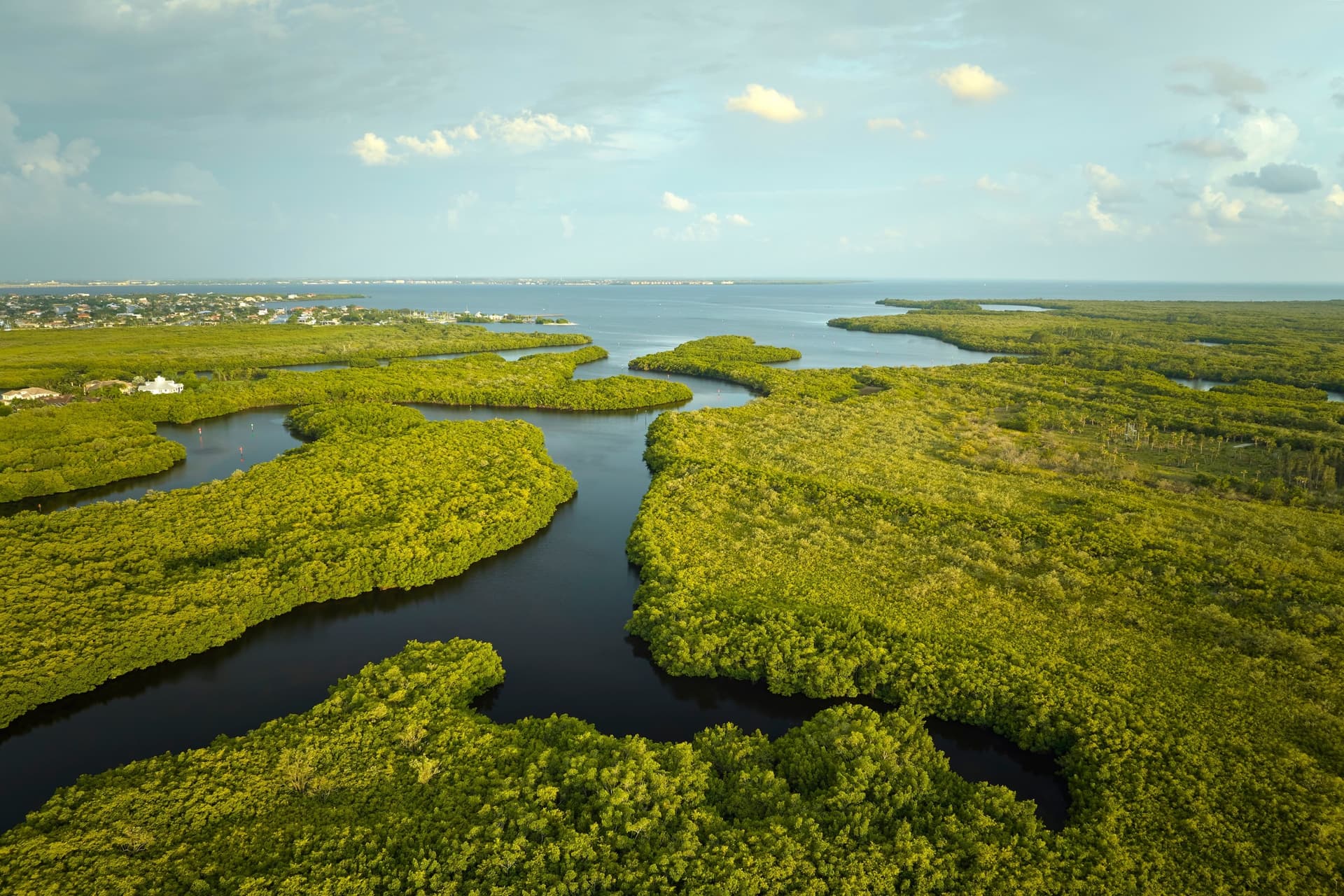
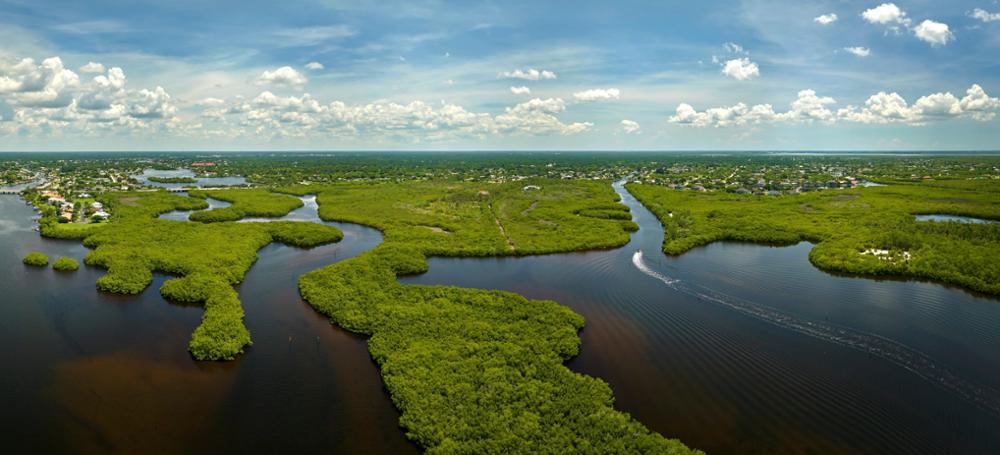
The Everglades park is renowned for its biodiversity. Composed of mangroves, marshes, forests and access to the sea : the site is an exceptional natural habitat for numerous animal species.
Considered a sanctuary, the park is home to more than 400 bird species, around forty mammals and many reptiles, which live in its freshwater and saltwater, forests and wetlands…
Among the rare species ? You may encounter green sea turtles, the marsh hawk or the wood stork. But also emblematic species, such as the Caribbean manatee, white-tailed deer and thousands of alligators !
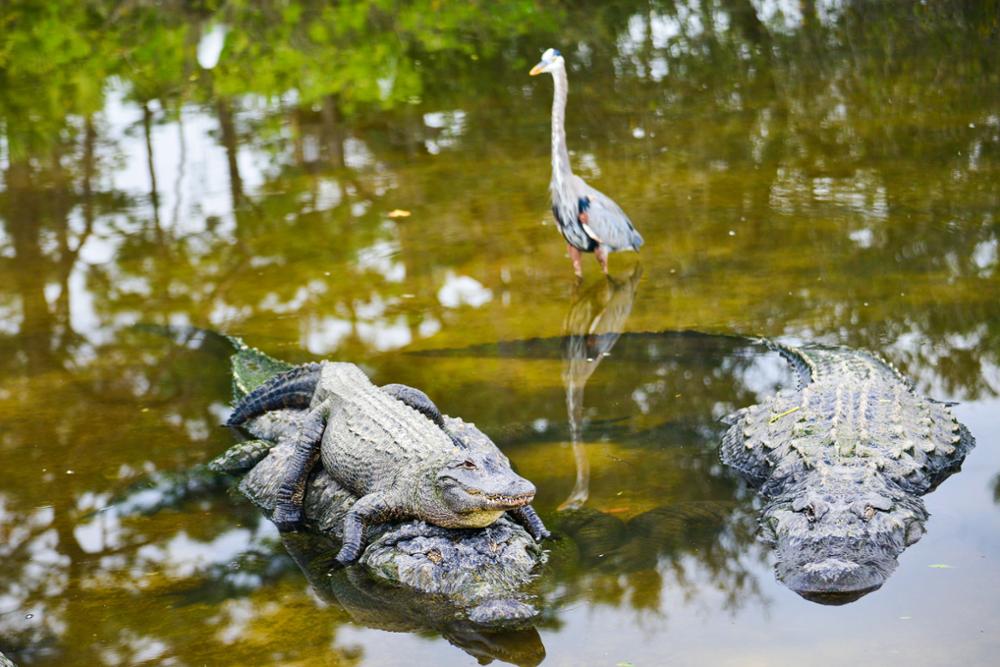
Why Avoid the Alligator Farm ? The alligator farm is often recommended if you lack time to visit Everglades park by boat. Yet, this place is best avoided! The reason? The animals are subjected to crowds, far from the tranquility of their wild habitat. Moreover, baby alligators are also passed from hand to hand, so that visitors can touch them and take photos with them… While this may seem fun, the reality is that the animals are constantly solicited and stressed. |
2. Take an Airboat Tour
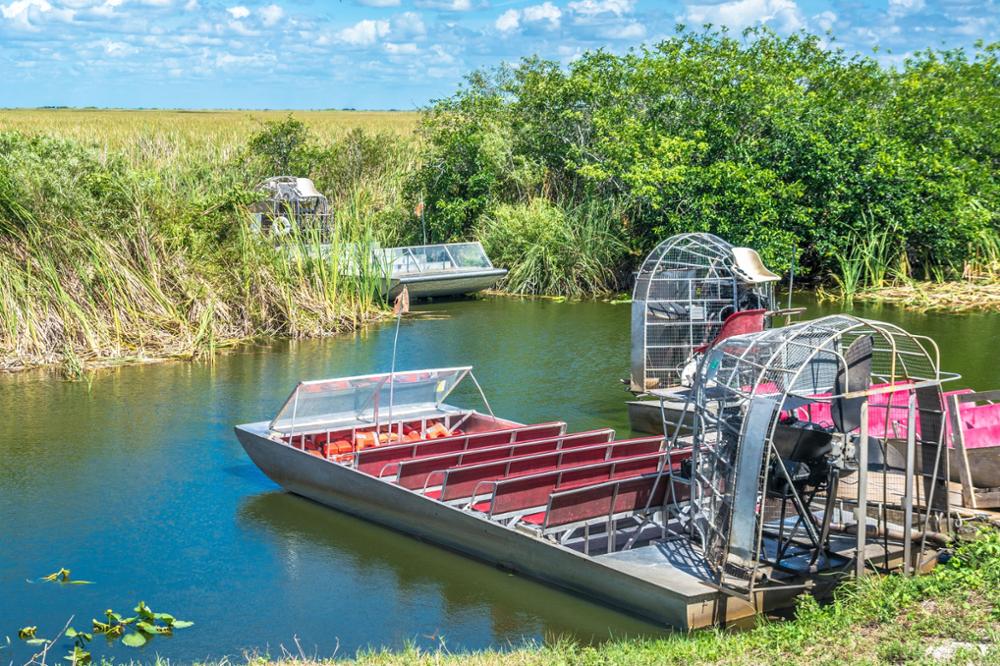
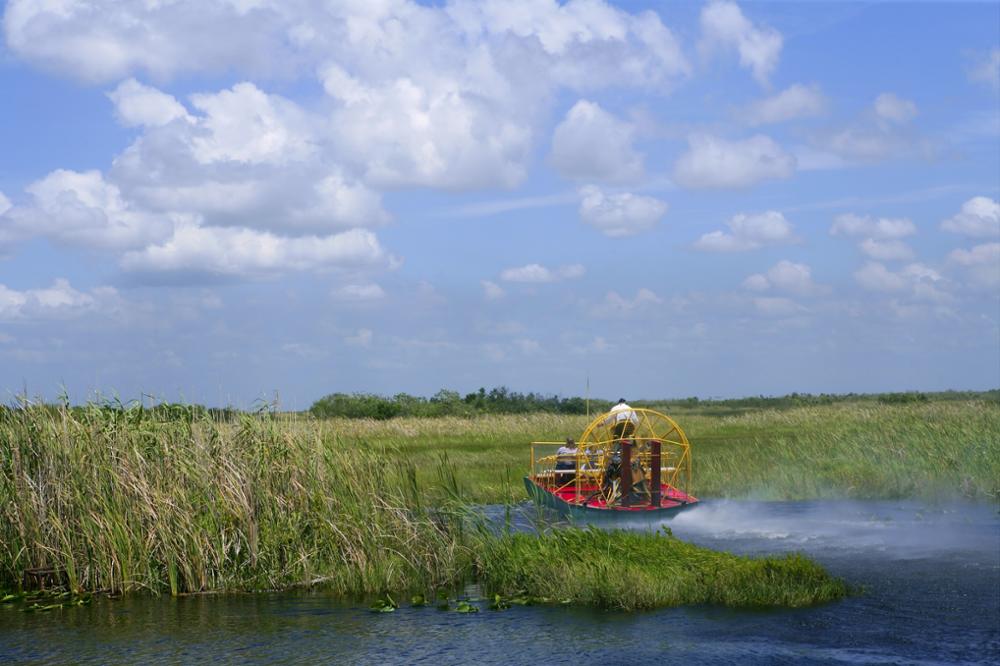
The must-do attraction of the park is taking an airboat tour, a hydrofoil expedition through the mangrove ! The concept? It's a small vessel propelled by a massive propeller.
Ideal for observing alligators, this popular activity takes place in remote areas to avoid disturbing the wildlife on the site. There are numerous tours (Gator Park Airboat Tours, Captain Jack's Airboat Tours, etc.). Expect an average of $23/person for about 30 minutes.
3. Take a Boat Tour to See Dolphins
The park offers the opportunity to take boat tours to observe manatees, dolphins and sea turtles. During these offshore excursions, it's also possible to admire numerous birds (such as herons, pelicans or ospreys). There are several tours (Florida Bay Tour, Backcountry Tour, Ten Thousand Island Cruise, etc.)
4. Canoe or Kayak
The park is a magical place for canoeing and kayaking. Both entertaining and enjoyable, this water activity offers a unique vantage point on the park (to observe alligators up close or discover inaccessible locations via other means of transport !). There are numerous marked water trails, including the famous Wilderness Waterway.
5. Hiking and Biking
The park is also renowned for its numerous trails, distributed across different areas. On the Ernest Coe side? You can do the Gumbo Limbo Trail (ideal for a family walk through the forest, this trail allows you to admire many indigenous plants) or the Anhinga Trail (which allows you to observe alligators).
On the Flamingo side? You can do the Snake Bight Trail (an opportunity to encounter many animals), as well as the Eco Bond trail (a trail that allows you to walk around a pond where many turtles swim).
The site is also a great place for bike rides. Among the trails not to miss? Loop Trail and Janes Memorial Scenic Drive (located on the Shark Valley side)
6. Geocaching
Geocaching is a 2.0 treasure hunt, which involves discovering hidden locations or treasures using GPS coordinates. To sign up? Simply visit one of the park's visitor centers.
How to Get to Everglades Park from Miami?
The Roads to Access the 4 Entrances
Everglades National Park is accessible by car via several routes from Miami :
- Access to the Flamingo entrance is via Florida's Turnpike (Route 82) from Miami or Palm Drive Road from Florida City.
- South-Ernest F. Coe access is via Route FL9336 (Ingraham Highway).
- North-Shark Valley access via US41 (Tamiami Trail) or the Florida Turnpike highway (exit 25A).
- Northwest-Gulf Coast access via FL29.
As you can see on the map, the entrances are far from each other. It is therefore important to determine in advance which activities you wish to do in the park, in order to choose the most appropriate entrance for your visit.
The 4 Park Entrances
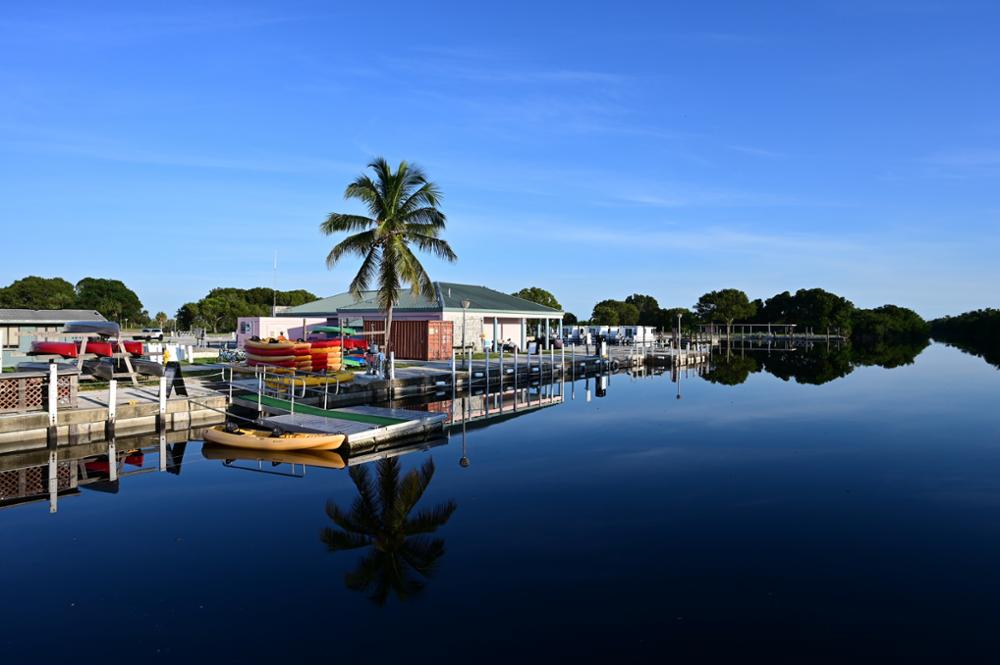
1. The Guy Bradley Visitor Center (Flamingo town)
This part of the park features a charming marina, ideal for kayaking. During a boat tour, it's also possible to observe numerous birds and manatees. Hiking enthusiasts can also take walks through the marshes.
2. Ernest F. Coe Visitor Center (Homestead town)
Considered the main entrance, this entrance provides access to the area named Royal Palm, highly sought after for its Anhinga Trail route, dedicated to wildlife and flora observation.
3. Shark Valley Visitor Center (Miami town)
Rather dedicated to hiking (on foot or by bike), this part of the park has numerous routes and hiking trails. It's also possible to admire many animals, including alligators and snakes.
4. Gulf Coast Visitor Center (Everglades City town)
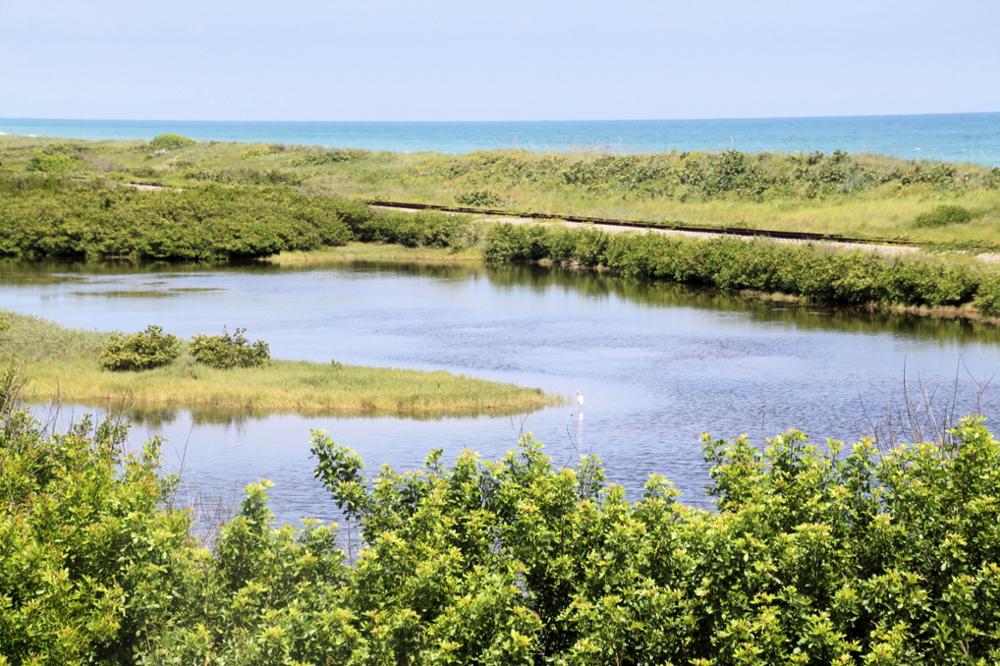
This entrance is an access point to the coastal and marshy areas of Everglades Park. It's possible to take boat tours through the mangroves, observe bird species and go canoeing and kayaking.
Note Certain parts of the park may occasionally be closed due to maintenance or bad weather. Before heading out, verify that the entrance you wish to visit is open. To do this, check the official park website to verify the alerts and access conditions for Everglades Park. |
How to Get Around Everglades Park?
Except for the Gulf Coast Visitor Center, all parts of Everglades National Park can be visited by car (or by motorcycle). There are numerous roads in the park. Among the most popular? Loop Road and Turner River Road !
Note that there is no public transportation inside the site. If you plan a long journey, don't hesitate to rent a car for the duration of your visit. The park can also be explored by bike or on foot and, in certain areas, aboard the Tram tour (a small tourist train).
In the Gulf Coast area, you can explore the park aboard a boat, a hydrofoil (airboat), a canoe or during a paddleboarding expedition (reservations and rentals are made directly on site).
How Much Does Everglades National Park Admission Cost?
Admission tickets can be purchased on site or online, on the National Park Service government website. Once purchased, the ticket provides access to the park for 7 consecutive days! It is, however, neither exchangeable nor refundable.
The ticket price varies depending on your mode of transportation within the park. Expect:
- $35 (€32/person) for a visit by car;
- $30 (€27/person) for a visit by motorcycle;
- $20 (€19/person) for a visit by bike or on foot.
How Much Time Should You Budget for Your Visit? Regardless of which area you explore, it is recommended to dedicate a full day to maximize your enjoyment of the park's natural treasures and activities. If you only wish to take a boat or airboat tour, plan for at least half a day. |
What is the Best Time to Visit Everglades Park?
The state of Florida enjoys a tropical climate, with temperatures remaining pleasant year-round (between 59° and 86°F throughout the year). Everglades National Park has two distinct seasons:
- Wet season (May-November) : during this period, humidity can be stifling and rainfall fairly frequent. It's also when mosquitoes are omnipresent – but when the park is at its most lush… Temperatures then range between 64 and 77°F.
- Dry season (December-April) : during this period, temperatures are pleasant (between 77° and 86°F). While this is the best time to visit Everglades Park, it's also the busiest season…
Frequently asked questions
Admission to Everglades National Park is $35 per vehicle (valid for 7 consecutive days), $30 for a motorcycle and $20 for entry on foot or by bike. Tickets can be purchased on site or online on the National Park Service website.
The best time to visit the Everglades is the dry season, from December to April, with pleasant temperatures between 77 and 86°F and fewer mosquitoes. The wet season (May to November) offers a more lush park, but with stifling heat and frequent rainfall.
It is recommended to dedicate at least a full day to enjoy the park to the fullest. If you wish only to take a boat or airboat tour, plan for a minimum of half a day.
Yes, Everglades National Park is accessible by car from Miami. The closest entrances (Ernest F. Coe and Shark Valley) are about 45-60 minutes from downtown Miami, making a day trip quite feasible.
The Everglades are home to exceptional wildlife: thousands of alligators, Caribbean manatees, dolphins, sea turtles, over 400 bird species (herons, pelicans, wood storks), white-tailed deer and numerous reptiles.
The park offers many activities: airboat tours (hydrofoil) to observe alligators, boat tours to see dolphins and manatees, canoeing and kayaking on marked water trails, hiking, biking and geocaching.