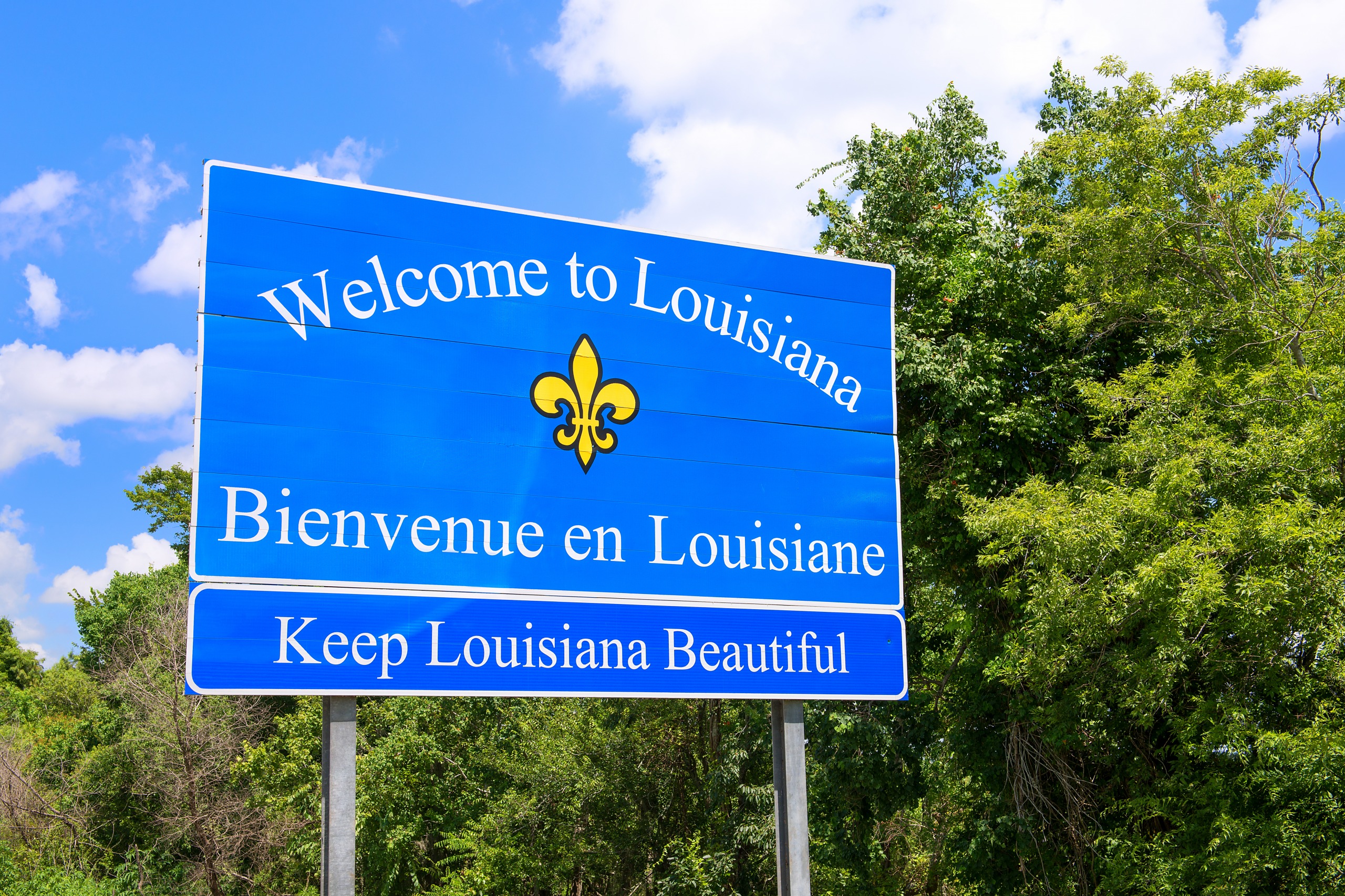
Louisiana trip: What are the must-sees?
First Native American, then French, Spanish, and finally American, Louisiana has experienced a tumultuous past. One thing is certain, it is rich in history
First Native American, then French, Spanish, and finally American, Louisiana has experienced a tumultuous past. One thing is certain, it is rich in history and ranks among the most fascinating multicultural destinations in the country!
From its colonial past closely linked to slavery, its plantations, its culinary traditions, its Creole and Cajun culture, its bayous, its music... Discover the must-sees to explore during a road trip through Louisiana!
Did you know?
Louisiana owes its name to French explorer René-Robert Cavelier de La Salle. Indeed, the name was given to the Mississippi delta region when he took possession of the lands on behalf of the King of France Louis XIV in 1682.
New Orleans
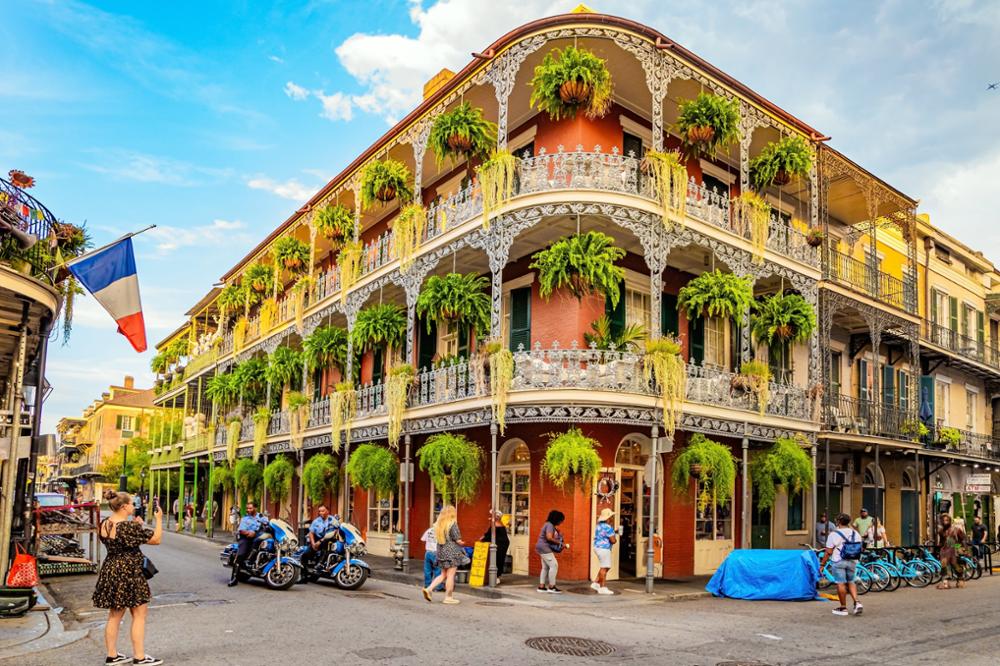
Sometimes called NOLA or Crescent City, New Orleans is an essential stop on any Louisiana road trip. Considered the cultural capital of the region and the birthplace of jazz, it is also one of the best destinations for music lovers. Its history spanning over 300 years is reflected in its architecture. As evidenced by the historic French Quarter, it is one of the rare cities in America to have been under French rule.
One thing is certain, you will love its festive atmosphere, its mixed population where French, Spanish, Creole and African-American cultures blend, and its many historical and religious treasures.
Among the things you absolutely must do and see in New Orleans, we recommend:
Stroll through the French Quarter;
Admire the Saint-Louis Cathedral, the oldest cathedral in the États-Unis;
Visit Jackson Square, a park that was the scene of the Battle of New Orleans;
Take a walk on the Riverfront along the Mississippi and watch the famous paddle-wheel steamboats pass by;
Ride the streetcar to discover the city, particularly the Saint-Charles line (St. Charles Streetcar Line), which is the oldest in the world;
Listen to music in one of the pubs on Frenchmen Street;
Admire the Antebellum homes (dating from before the Civil War) in the Garden District...
Good to know:
New Orleans has its own Mardi Gras carnival. It is one of the most eagerly anticipated festivities for Louisianans. Each year, before Lent, thousands of people parade in an ultra-festive atmosphere. Not to be missed if you happen to be visiting at that time!
Boat excursion in the Bayous
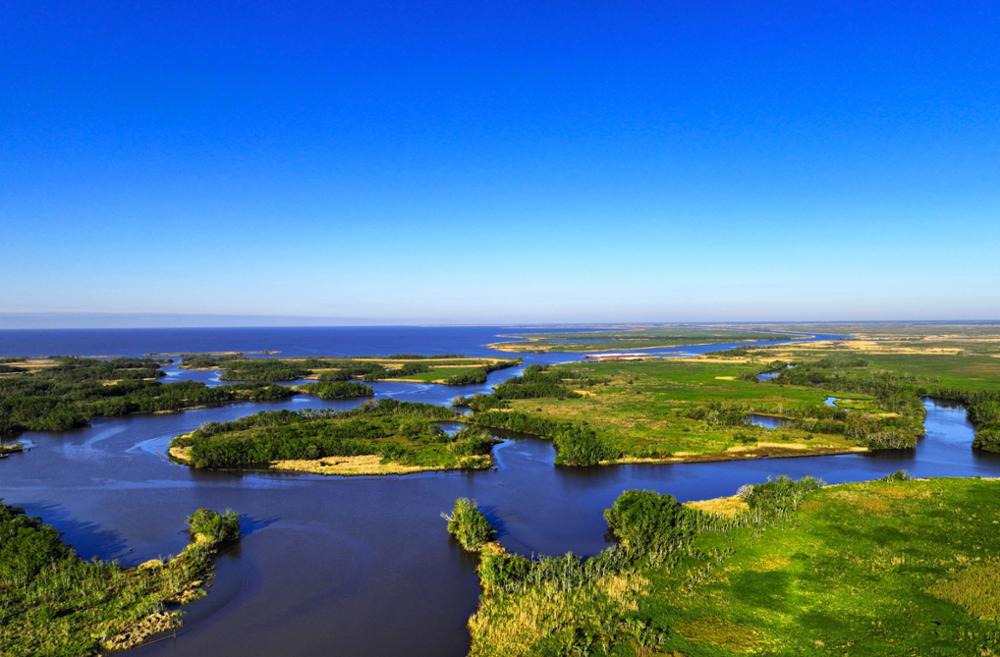
They are among Louisiana's most beautiful natural sites... I'm referring to the Bayous! These are vast swampy territories formed by the old branches and meanders of the Mississippi. The area was occupied by Cajuns who lived mainly off fishing and hunting.
Forming a navigable network of thousands of kilometers in southern Louisiana, the Bayous offer an opportunity to escape into nature. This wetland is characterized by the presence of impressive trees (bald cypress and tupelo-gum trees) covered with curtains of Spanish moss.
In terms of wildlife, the Bayous are home to many animal species including alligators, manatees, dolphins, turtles, shrimp, crawfish... It is also the kingdom of birds: you can spot egrets, herons, bald eagles, white or brown pelicans, red-tailed hawks, red-winged blackbirds... A treat for bird enthusiasts!
To explore this natural wonder, you can arrange a boat excursion (on site or from nearby cities like New Orleans). You'll have your choice of excursions on a double-deck boat, an airboat, or a private small vessel. Kayaking excursions in the Bayou marshes are also available.
The plantation route
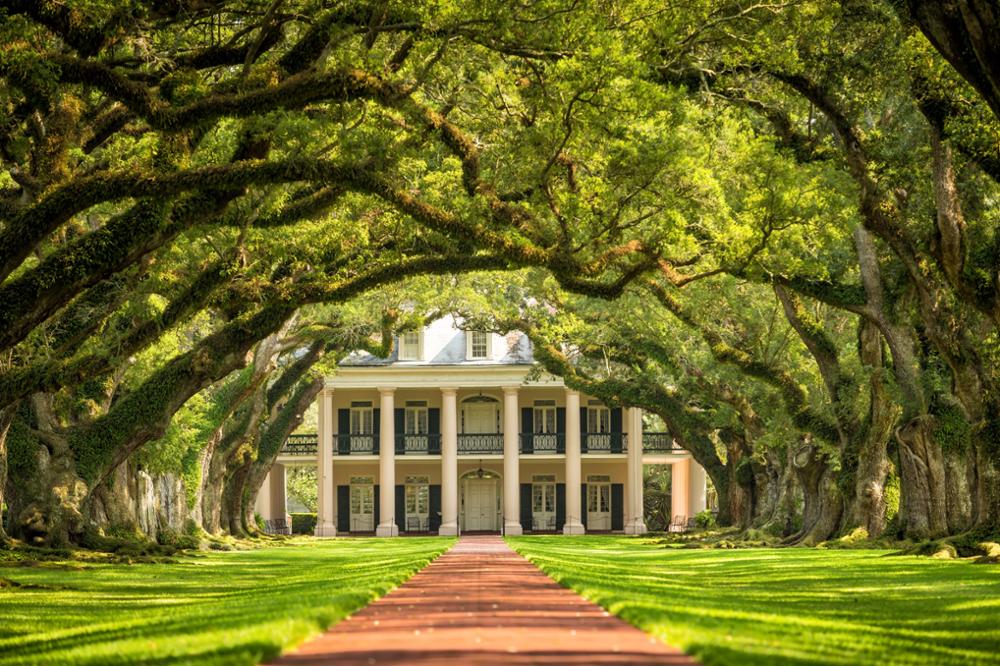
The plantation route is sadly linked to the era of slavery. Located between New Orleans and Baton Rouge, this 150 km road owes its name to the presence of numerous plantations that emerged in the 14th century. Wealthy planters settled here to take advantage of the region's fertile lands. Indeed, they cultivated cotton and sugar cane there by exploiting numerous slaves.
Spread along the Mississippi River, there were more than 350 plantations at the time. Today, only about a dozen homes remain. Some can also be found near Saint Francisville. Most of these have been restored and can be visited.
Among the most interesting plantations to visit, we recommend:
Oak Alley: famous for its avenues of 300-year-old oak trees, you can see the Greek Revival mansion, the slave cabins and discover an exhibition on slavery;
Laura Plantation: this plantation brings together a large mansion, two Creole houses and an Acadian home as well as slave cabins. You can discover the history of 4 generations of women who lived there;
Houmas House: surrounded by lush gardens and fountains, this plantation features a Greek Revival mansion with views of the Mississippi;
Destrehan Plantation: it is the oldest of the plantations in the Mississippi valley;
Nottoway Plantation: located in White Castle, it is the largest antebellum plantation in the South of the États-Unis;
To remember:
Not all plantations can be visited freely. Some require booking a guided tour. Be sure to check ahead and verify visiting hours before heading out. It's also worth noting that some of the homes have been converted into Bed & Breakfast inns and hotels. You can, for example, stay at Oak Alley, Houmas House or the Ormond Plantation.
Baton Rouge
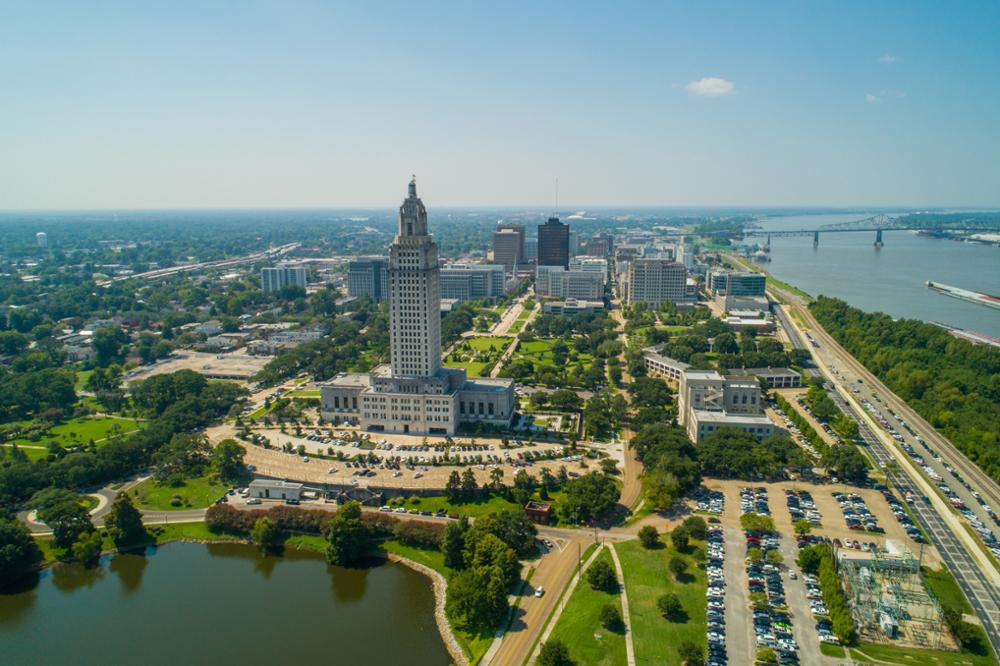
Capital of Louisiana, Baton Rouge is a city often overlooked by tourists. Yet it has much to offer. It attracts lovers of historic architecture with its monuments and delights culture enthusiasts with its numerous museums.
Among the must-see sites in Baton Rouge, we recommend:
Louisiana's Old State Capitol: the former capitol with Gothic architecture dating from 1850;
The Louisiana State Capitol: standing at 137 meters tall, it is the highest capitol in the country. It is possible to access its top for free to enjoy an unobstructed view of the city and the Mississippi;
The Capitol Park Museum: a museum where you can discover collections of artifacts representing the multiple facets of Louisiana's history;
The LSU Museum of Art: a museum to understand Louisiana's culture and art;
The Magnolia Mound Plantation: a museum to learn more about Louisiana's history from the 18th and 19th centuries;
The LSU Rural Life Museum of Louisiana State University: a museum where you can discover the entire history of Cajun culture;
The USS Kidd, a World War II torpedo boat destroyer: a former Fletcher-class warship converted into a museum...
Lafayette
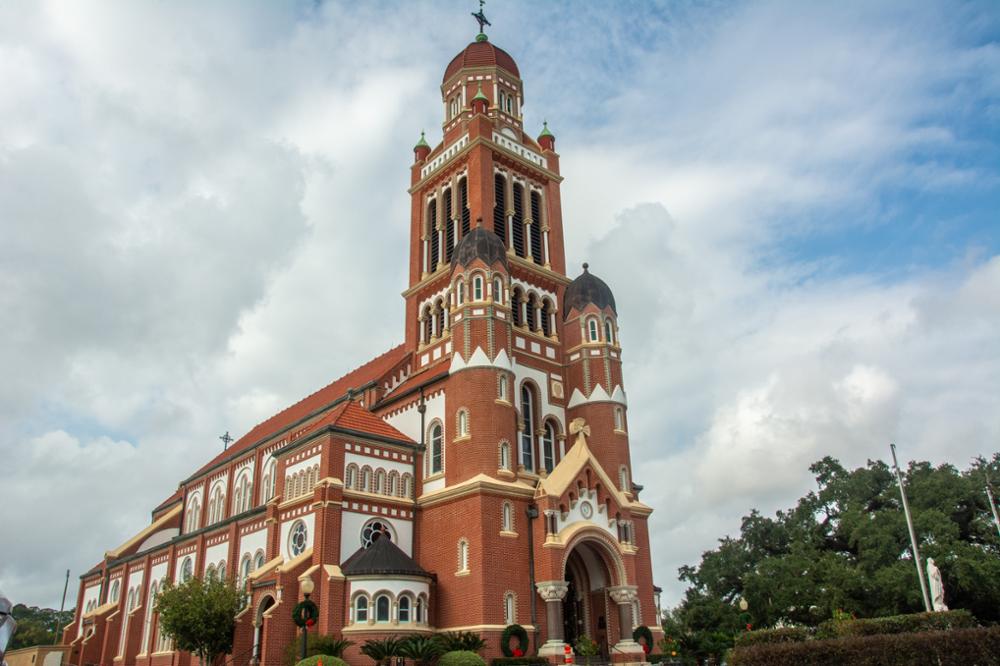
Considered the capital of Cajun Country, Lafayette is THE city to discover Cajun culture and Creole culture in Louisiana. You can start with the Acadian Cultural Center, a museum dedicated to the history and arrival of Acadians in the city. Continue your visit with two villages recreating the lifestyle and daily life of Acadians in the 19th century: Vermilionville and LARC's Acadian village. A real journey through time!
Obviously, Cajun culture has left an indelible mark on the city. You'll find it in its gastronomy, architecture and even music!
Beyond the previous visits, here are things to do and see in Lafayette:
Stroll through the old town of Lafayette to discover its unique atmosphere and architecture;
Admire the Cathedral of Saint-John;
Visit the factory of the famous Tabasco sauce on Avery Island;
Visit the Jungle Gardens;
Savor all the culinary specialties of Cajun cuisine: boudin, gumbo, king cake...;
Catch a jazz or blues concert at the Blue Moon Saloon;
Visit the natural history museum and its planetarium...
To go further...
Cajun Country is not limited to the city of Lafayette alone. To discover Cajun culture, you can also explore other cities in the region: Eunice, Thibodaux, Crowley, Breaux Bridge, Saint Martinville, New Iberia...
Natchitoches
Founded in 1714 by French-Canadian Louis Antoine Juchereau de St. Denis, Natchitoches is the oldest city in Louisiana. It owes its name to the Natchitoches Indians who once populated the region. Located on the shores of Cane River Lake, the city is surrounded by orchards, plantations and ancient 18th-century homes that blend French, Spanish, African, Native American and Creole influences.
Its historic district is one of three sites designated as a National Historic Landmark. Across 33 city blocks are displayed magnificent buildings of Victorian architecture, Creole-style homes...
Beyond its architecture, the city boasts numerous sites of interest including:
The Fort St. Jean-Baptiste State Historic Site to relive the colonial era;
The Kaffie-Frederick General Mercantile Store, Louisiana's oldest grocery store;
The Minor Basilica of the Immaculate Conception, a sublime basilica at the heart of the city;
The plantations in the area: Oakland Plantation, Melrose Plantation (which has the distinction of being founded by a freed slave and her son) and Magnolia Plantation;
The Louisiana Sports Hall of Fame: a museum that chronicles the achievements of over 300 sports legends from Louisiana. The building also houses the Northwest Louisiana History Museum where you can discover unique exhibitions on cultural traditions...
For food lovers, don't forget to try the famous Meat Pie, a meat tart considered the local culinary specialty!
Finally, if you're in the area in December, don't miss the Festival of lights to see the city light up...
Cruise on the Mississippi aboard a paddle-wheel steamer
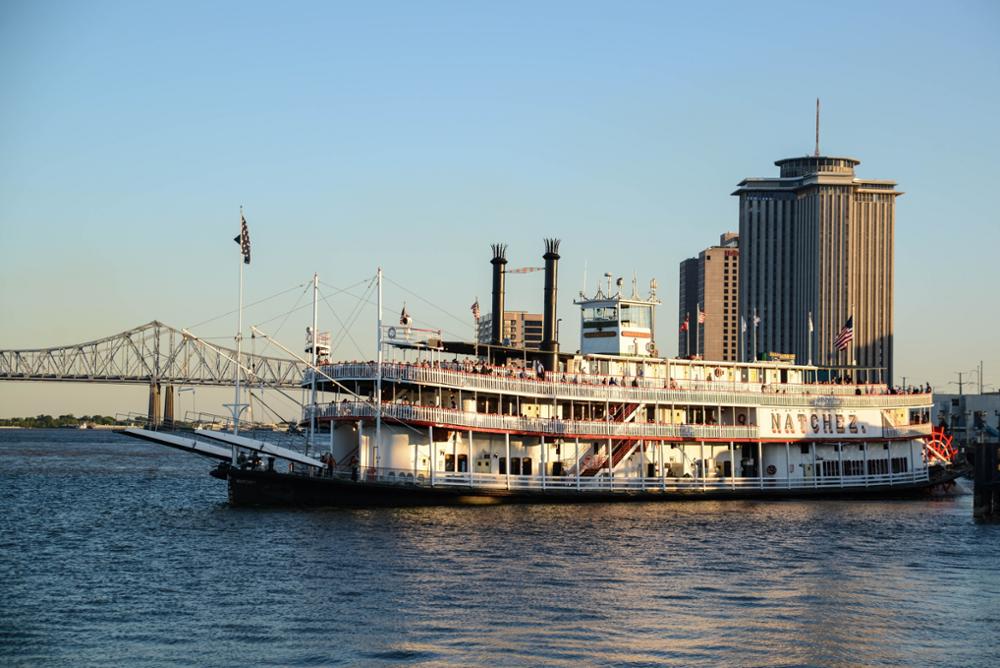
We conclude with an activity you absolutely must do on a Louisiana road trip: a cruise on the Mississippi, the third largest river in the world! Board a traditional paddle-wheel steamer. These vintage steamboats offer a chance to travel back in time and immerse yourself in the era of "Gone with the Wind."
As you travel down the river, you'll pass through Louisiana's mythical cities: St. Francisville, Plaquemine, New Orleans, Baton Rouge, Natchez as well as plantations along the Mississippi River. Some cruises offer themed visits: for example, you can sail while enjoying a jazz concert aboard!
Practical info:
What is the best time to visit Louisiana?
The best time to discover Louisiana is from February to June, when the weather is dry, temperatures mild (20/25°C) and festivals plentiful! Avoid August and September, which constitute the hurricane season.
How long should you plan for a Louisiana trip?
Given the phenomenal number of things to do and see, we recommend staying at least 5 days to see the must-sees of Louisiana. To take your time and fully immerse yourself in the atmosphere and history of the region, we recommend planning a week or more!
Do you need help organizing your Louisiana trip? Discover our tour to discover authentic Louisiana or contact us to plan a custom itinerary tailored to your wishes and budget!
Frequently asked questions
To see the main must-sees of Louisiana (New Orleans, the bayous, the plantation route, Baton Rouge and Lafayette), plan at least 5 days. For a complete immersion including Natchitoches and a Mississippi cruise, ideally plan a week or more.
The best time to visit Louisiana extends from February to June. The weather is then dry, temperatures pleasant (between 20 and 25°C) and festivals numerous, including the famous Mardi Gras in New Orleans. Avoid August and September, which correspond to hurricane season.
Louisiana is located in the États-Unis. Citizens from France, Belgium and Switzerland do not need a visa but must obtain an ESTA authorization (Electronic System for Travel Authorization) before departure. This authorization is valid for 2 years and costs 21 US dollars.
A rental car is the most convenient way to explore Louisiana, especially for the plantation route and the bayous. New Orleans can be easily visited on foot or by streetcar. Organized excursions from New Orleans allow you to venture to the bayous and plantations without a car.
Cajun culture is the legacy of Acadians, French colonists expelled from Canada in the 18th century, who settled in the bayous and prairies of southern Louisiana. It is characterized by spicy cuisine (gumbo, boudin, crawfish), festive music (zydeco, Cajun music) and unique folk traditions. Lafayette is considered the capital of Cajun Country.
Louisiana has several remarkable plantations to visit along the Mississippi River, between New Orleans and Baton Rouge. The most emblematic are Oak Alley (famous for its avenues of 300-year-old oak trees), Laura Plantation (history of Creole women), Houmas House and Destrehan Plantation (the oldest in the Mississippi valley). Some also offer B&B overnight stays.