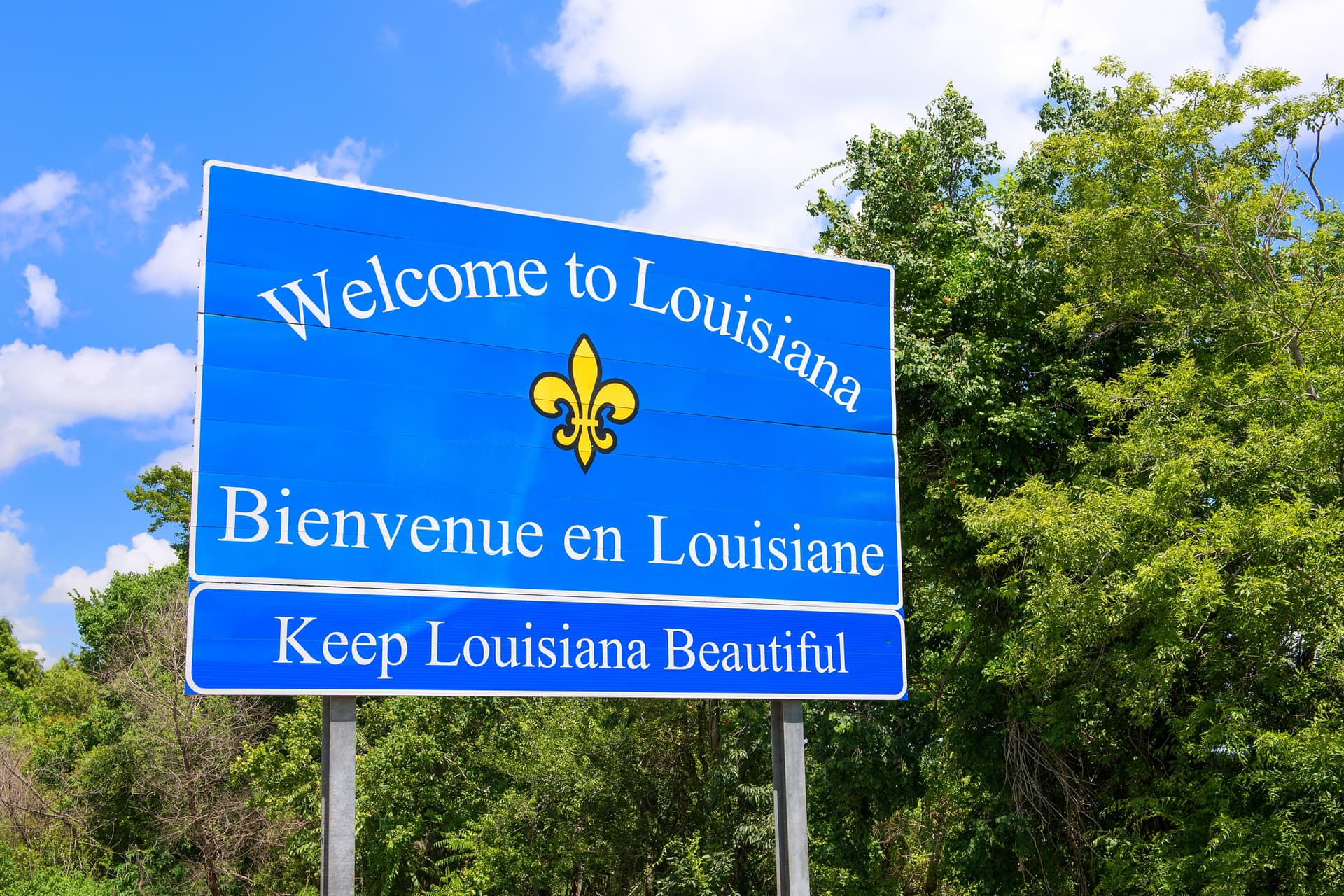
Creole Culture in Louisiana: Traditions, Music & Cuisine
Deeply shaped by its colonial period, Louisiana is an États-Unis state renowned for its multicultural heritage…Architecture of the French Quarter, the birthplace of jazz in New Orleans
Deeply shaped by its colonial period, Louisiana is an États-Unis state renowned for its multicultural heritage… Architecture of the French Quarter, the birthplace of jazz in New Orleans, Cajun cuisine: discover all the treasures of Creole culture in Louisiana !
Why is Creole culture found in Louisiana?
Louisiana is known for its strong ties to French culture. Occupied by French colonists between 1682 and 1762, the city owes its name to French explorer René-Robert Cavelier de La Salle – who named it Louisiana in honor of King Louis XIV.
Today, it remains shaped by a rich blend of cultures (French traditions, as well as customs from other ethnicities – such as Creoles from the Caribbean and Africans).
Creole and Cajun cultures: what's the difference? Creole and Cajun cultures are closely linked. Though distinct, they form a shared cultural heritage – stemming from a common historical past. Descendants of families established in Louisiana during the colonial period, Creoles are people of color (of African or European descent), while Cajuns are white people (of French or Canadian descent). Note that the terms Acadie and Cajun carry the same meaning—it's simply a linguistic evolution! |
Creole Culture in Louisiana: Traditions, Music & Cuisine
Traditions
Mardi Gras
Imported during the colonial period, Mardi Gras is now an eagerly anticipated traditional American festival. It unfolds across several distinct events, including:
1. The grand New Orleans carnival: known as Happy Mardi Gras in the États-Unis, this costumed parade showcases spectacular floats throughout the city. You'll notice dominant colors of gold, green, and purple – symbolizing power, faith, and justice.
2. Courir de Mardi Gras (or "Cajun Mardi Gras"): celebrated in the rural corners of French Louisiana, this event differs from the New Orleans parade (more akin to the aesthetic of Rio's Carnival). Here, participants wear old clothes and travel from farm to farm (some on horseback) to request alms and food (before Lent).
Voodoo Culture
Imported from West Africa in the 18th century, voodoo culture is deeply rooted in Louisiana. This strong presence is largely due to Marie Laveau (a New Orleans voodoo priestess) known for healing or hypnotizing people through her powers…
Though it has become a major tourist attraction today, voodoo culture very much exists in present times. However, it is often practiced discreetly (by at least 10% of the local population) !
Music
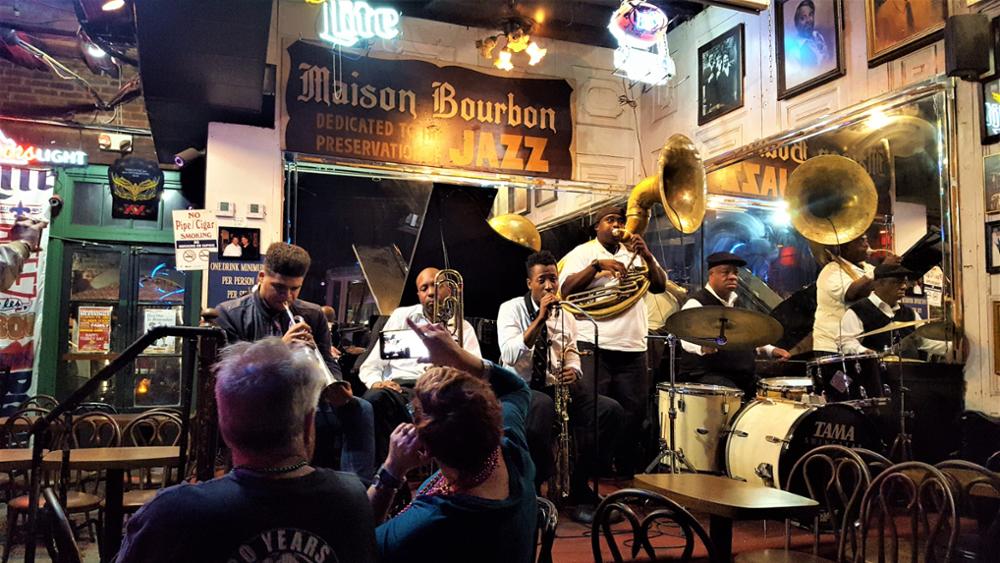
New Orleans is recognized as the birthplace of jazz music. Created in the early 20th century by the region's Black and Creole communities, this African-American music is renowned for its distinctive swing and rhythm.
Jazz is played everywhere throughout the city – in bars, restaurants, clubs, and more. Our tip? Don't leave without visiting the New Orleans Jazz Museum!
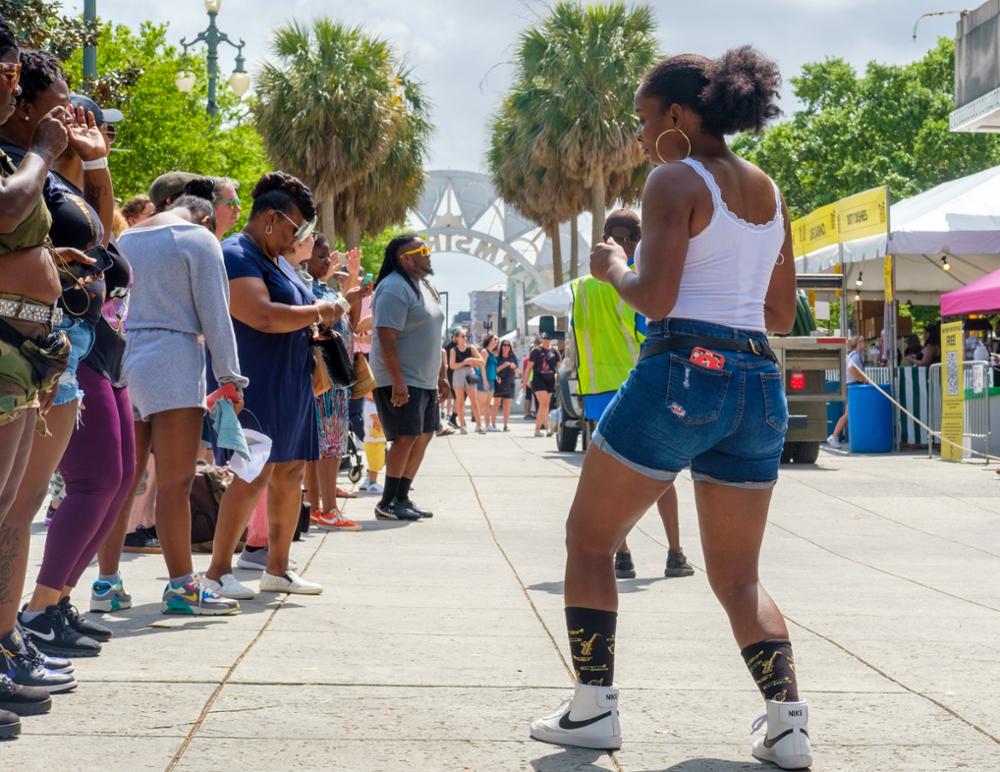
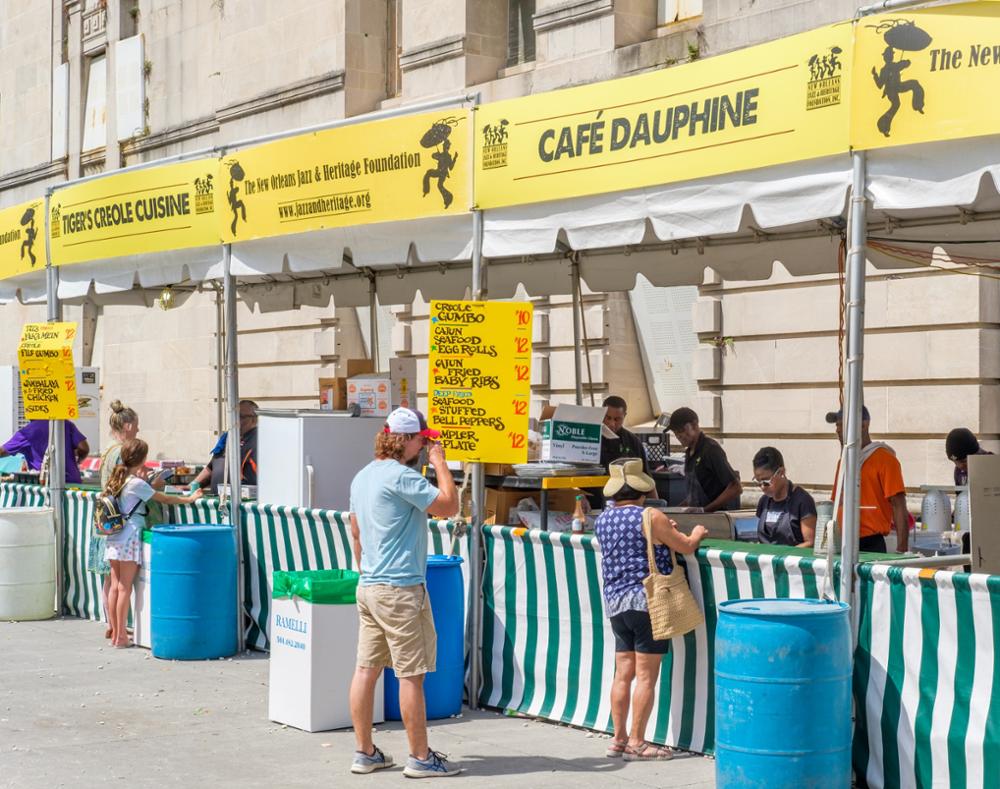
Must-see Festivals - Mardi Gras Carnival (throughout Louisiana): festivities begin on January 6th and continue until Mardi Gras night (falling between February 3rd and March 9th, depending on the year). - The French Quarter Festival: held since 1984 (mid-April in New Orleans' French Quarter), this event showcases local music (traditional and contemporary jazz, funk, R&B, gospel, folk, etc.) and local gastronomy ! - Louisiana International Festival: organized late April, this event is known for spotlighting emerging artists (music and arts) and offers the chance to visit numerous galleries... |
Cuisine
Much like their cultures, Cajun and Creole specialties are distinct yet remarkably similar. The former, rooted in farming traditions, emphasizes meat, while Creole cuisine elevates seafood – notably crab and shrimp – though nothing is set in stone !
In both cases, these two culinary traditions share their seasoning recipes and employ "roux,