Arizona
Renowned for its spectacular national parks, Arizona stands as a premier adventure tourism destination in the United States. Discover the state's greatest attractions.
Renowned for its spectacular national parks, Arizona stands as a premier adventure tourism destination in the United States. Discover the state's greatest attractions.
Visiting Arizona is a childhood dream for adventurers of all ages. Since time immemorial, erosion has sculpted a patchwork of remarkable landscapes across sand and mountain. Soar above the colorful cliffs of the Grand Canyon by helicopter, enjoy a family weekend in the Desert Botanical Garden, observe Saguaro cactus flowers on a cycling expedition, or challenge the impressive rapids of Salt River.
As the sixth-largest state by area in the United States, Arizona is a vacation destination celebrated for its remarkable variety of attractions. Luxury travelers will be spoiled for choice among the spas, casinos, and nightclubs of Phoenix. If golf is your passion, you'll have opportunities to play on a brutally pristine desert landscape worthy of a Western scene. But the region distinguishes itself above all through the triumph of ecotourism and hiking. Fly to Arizona and set out to discover the wonders of the American Far West.
Historical Notes
Pre-Columbian Era
Arizona has always been a land of conquest and immigration. Native Americans were the first to settle during the Paleolithic period, between 16,000 and 10,000 years before Christ, to be precise. They subsisted primarily on mammoth meat. In the third millennium before our era, groups originating from Mesoamerica migrated to Arizona, later joined by the Ancestral Puebloans and the Hohokam. Today, the city of Sedona still bears traces of these civilizations from prehistory. The state's name derives from the Aztec word "alĭ ṣonak," meaning "small spring."
European Colonization
Europe discovered Arizona through exploration missions to the New World in search of the legendary cities of gold. The African slave Estevanico served as a scout: while his master Marcos de Niza and their companions were ill, he alone pressed forward and set foot on what is now known as Arizona in 1539. From there, everything unfolded like a Western: the Spanish seized the region in the 18th century, the Apache and Pueblo tribes rebelled, and skirmishes escalated into gunfights.
Arizona was attached to Mexico in 1821, then became a possession of the United States twenty-seven years later following the Mexican-American War. It officially became a state of the Union on February 14, 1912.
Arizona: A Destination of Two Faces
The sixteenth most populous state in the United States, Arizona is home to approximately 7.28 million residents spread across 15 counties. Phoenix is the capital and the largest city. The population is more than 73% white, descendants of Spanish colonists; Native American peoples and Black individuals brought to American soil during the slave trade in the 18th century represent 4% and 3.4% respectively.
From a tourism perspective, Arizona presents a dual character. In some areas, visitors will encounter a land of mountains with rebellious and turbulent terrain. The desert gives way to deep gorges, plateaus and rocky outcrops, impressive red sandstone formations, and freshwater lakes shaded by pine forests where foxes and wild mustangs drink. Against all expectations, wildlife thrives in these extreme environments. For those passionate about deserts, snow-capped peaks, rafting, or canyon adventures, Arizona is the answer to every fantasy.
But reducing Arizona to merely an adventure destination would be a monumental mistake. You'll also discover luxurious tourist centers, devoted to shopping, spa treatments, nightlife, fine dining, and all manner of extravagances. Golf tourism is a dominant trend among major hotel chains. To each their own!
Must-See and Must-Visit Attractions in Arizona
Natural Heritage
The environmental legislation of the United States has transformed Arizona's desert into a vast corridor of natural parks. The initiative came from former American president Theodore Roosevelt, who designated the Grand Canyon as a game reserve in November 1906. Beyond his passion for hunting and the great outdoors, Roosevelt made this decision to preserve exceptional natural sites classified in the public domain of the West.
The state contains three national parks and approximately twenty national monuments.
Grand Canyon National Park
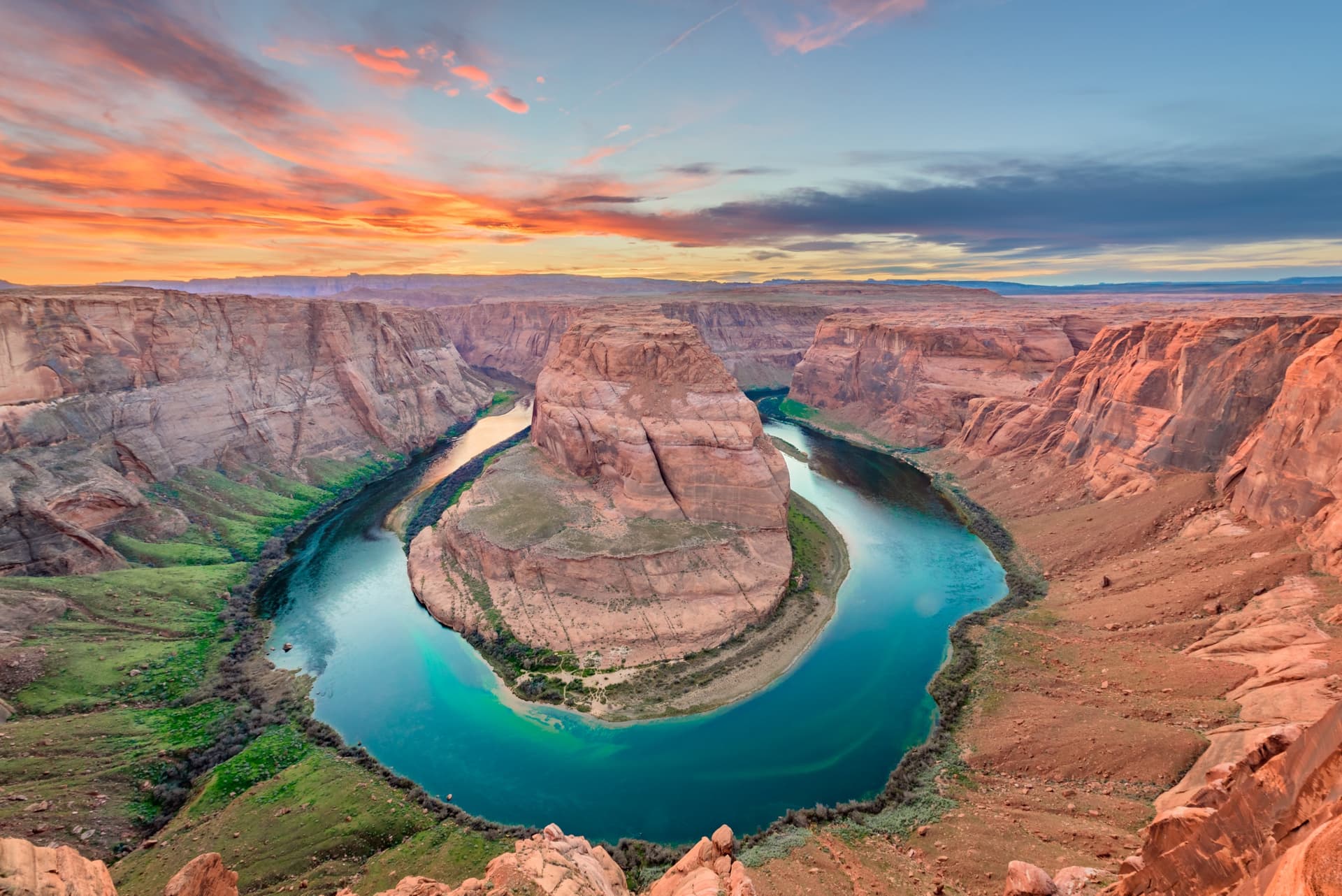
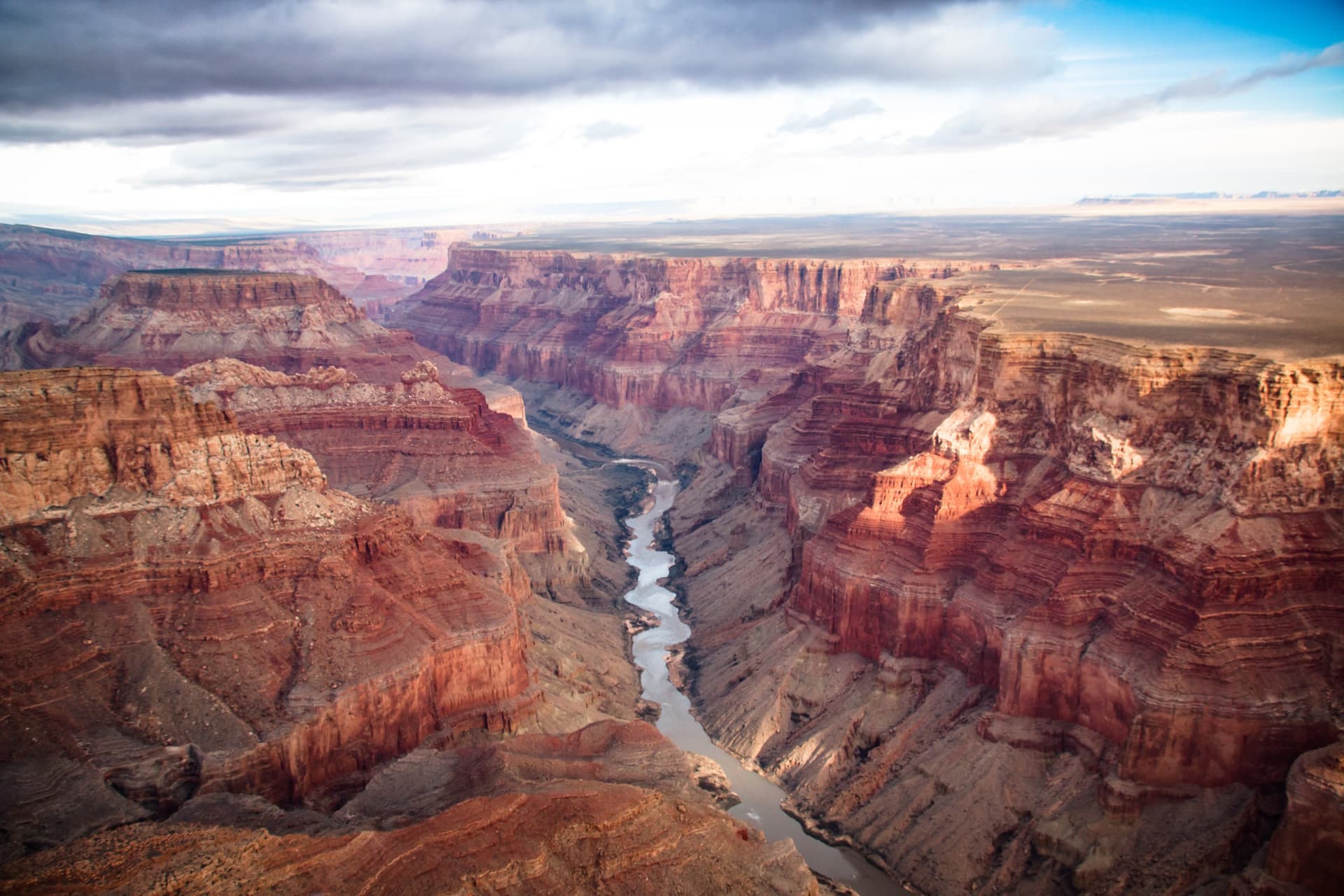
The number one attraction of the state, the Grand Canyon is not only Arizona's largest national park but also holds the record for visitor numbers with over 4 million visitors annually. As recently as 1979, the park was designated a UNESCO World Heritage Site. Numerous observation points allow visitors to admire the canyon from the south rim. The north rim offers a completely different perspective; hiking trails pass through vividly colored rock formations and cross the Colorado River. Mule rides, hot air balloon flights, car tours, or trekking under the burning sun… Every option is available to explore the canyon. For safety reasons, certain park attractions close during winter.
Saguaro National Park
Located in the southern part of the state, in Pima County, Saguaro National Park is unique in the world for its extraordinary concentration of cacti. The star species is the saguaro, which has lent its name to the protected area. The visit should be scheduled in April or May, when the white saguaro flowers open following spring rains.
Petrified Forest National Park
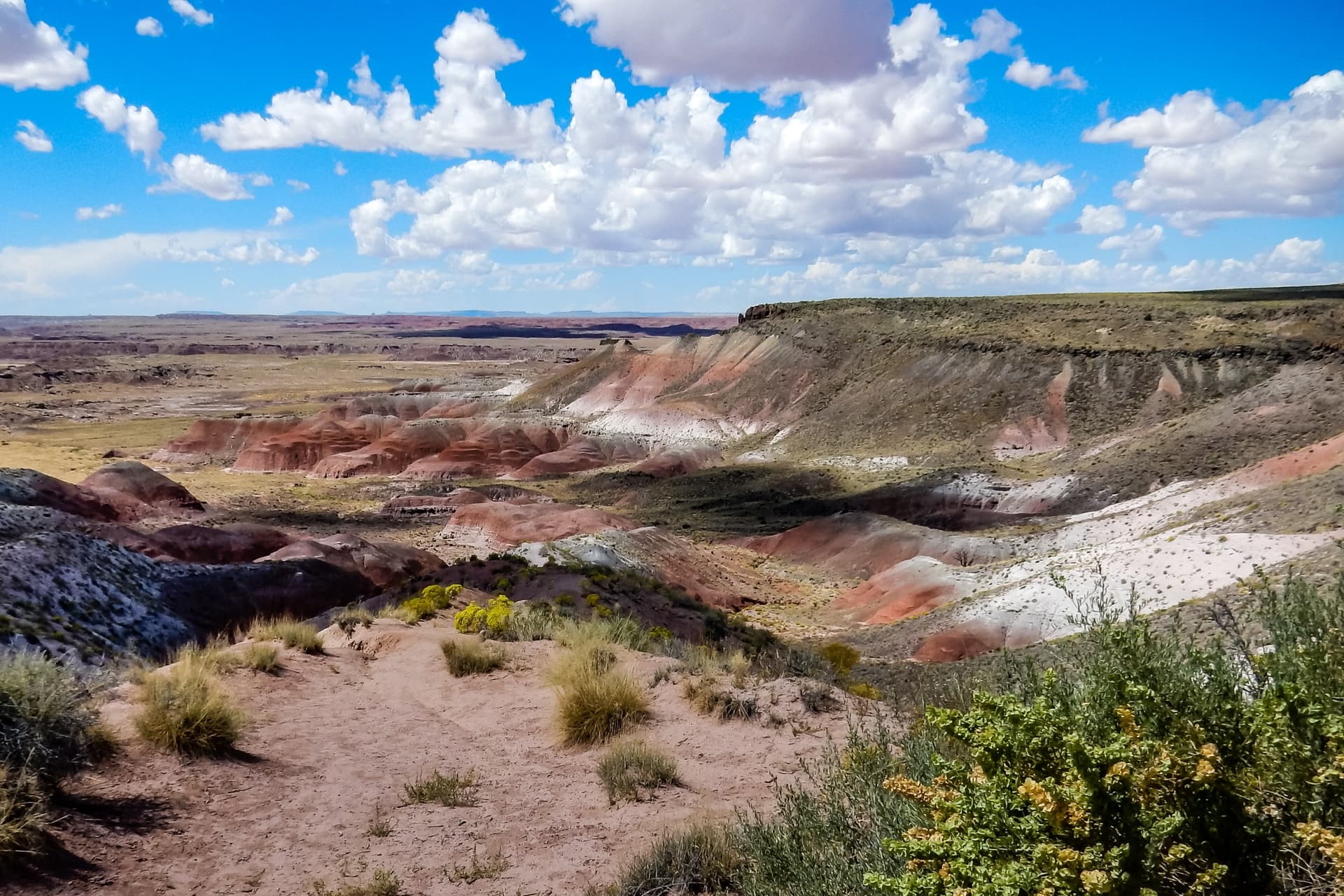
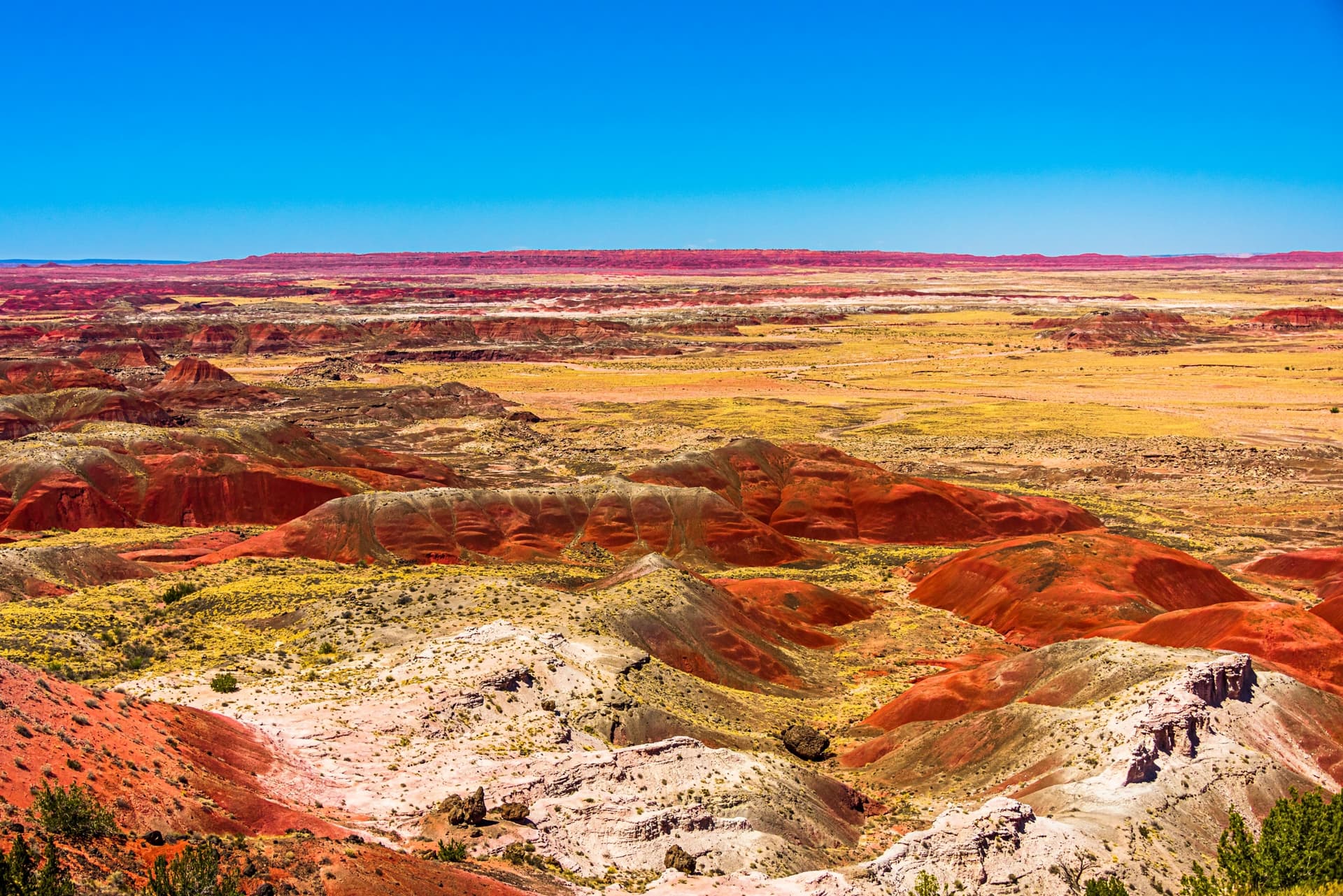
The park intrigues visitors because it is covered with thousands of tree trunks reduced to fossil form. Millions of years ago, giant trees shaded this site, which was then bordered by a river. The waterway dried up, but silica deposits preserved the plant fossils.
Monument Valley
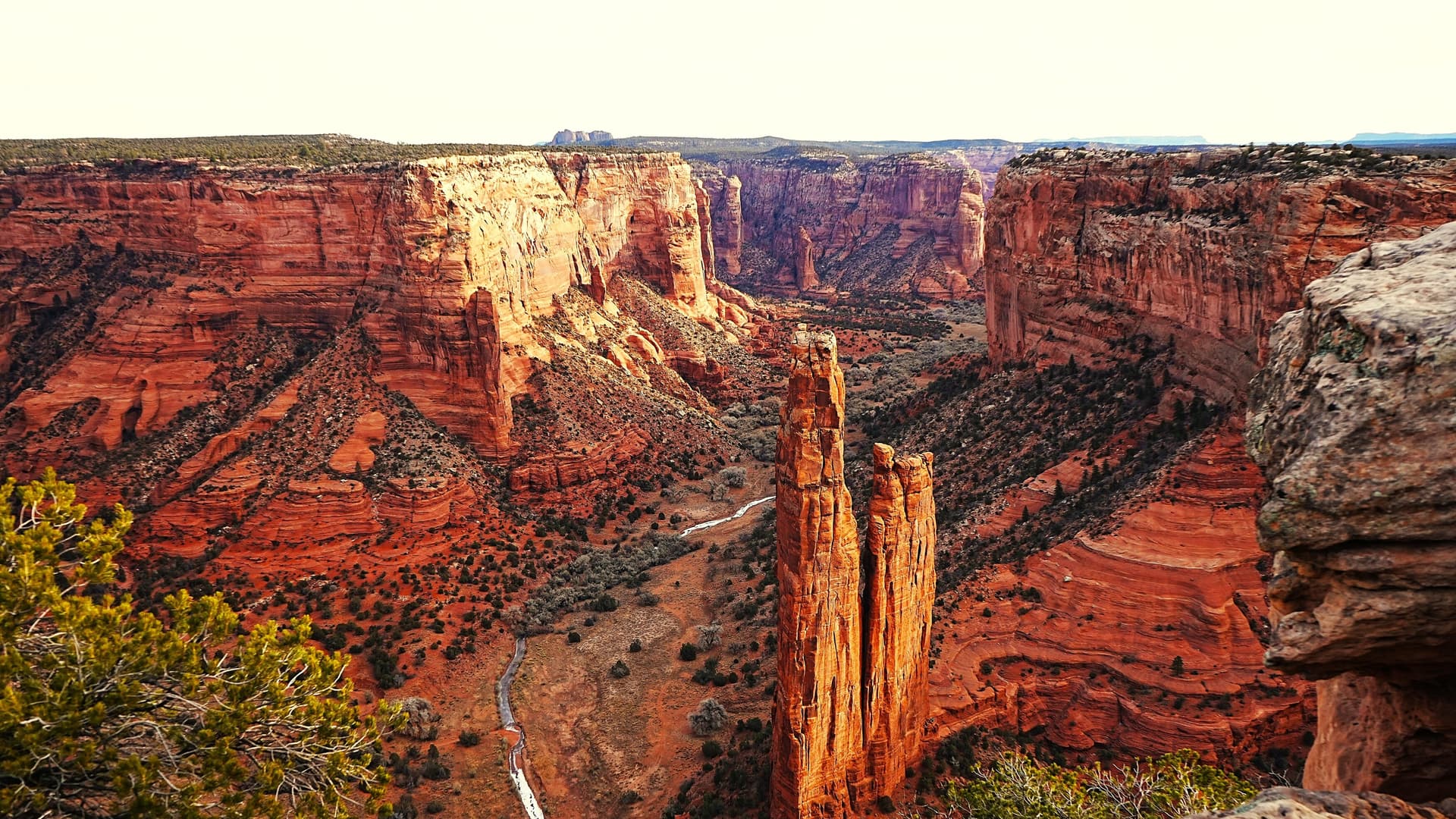
The site owes its tourist success to Stagecoach, a western film by John Wayne released in 1939. When the tabular landscape dotted with unusual sandstone buttes appeared on screen, backpackers and adventurers from across the Far West descended upon the valley. Visits can be made by car or horseback. It is preferable to be accompanied by a Native American guide to fully appreciate the valley.
Meteor Crater
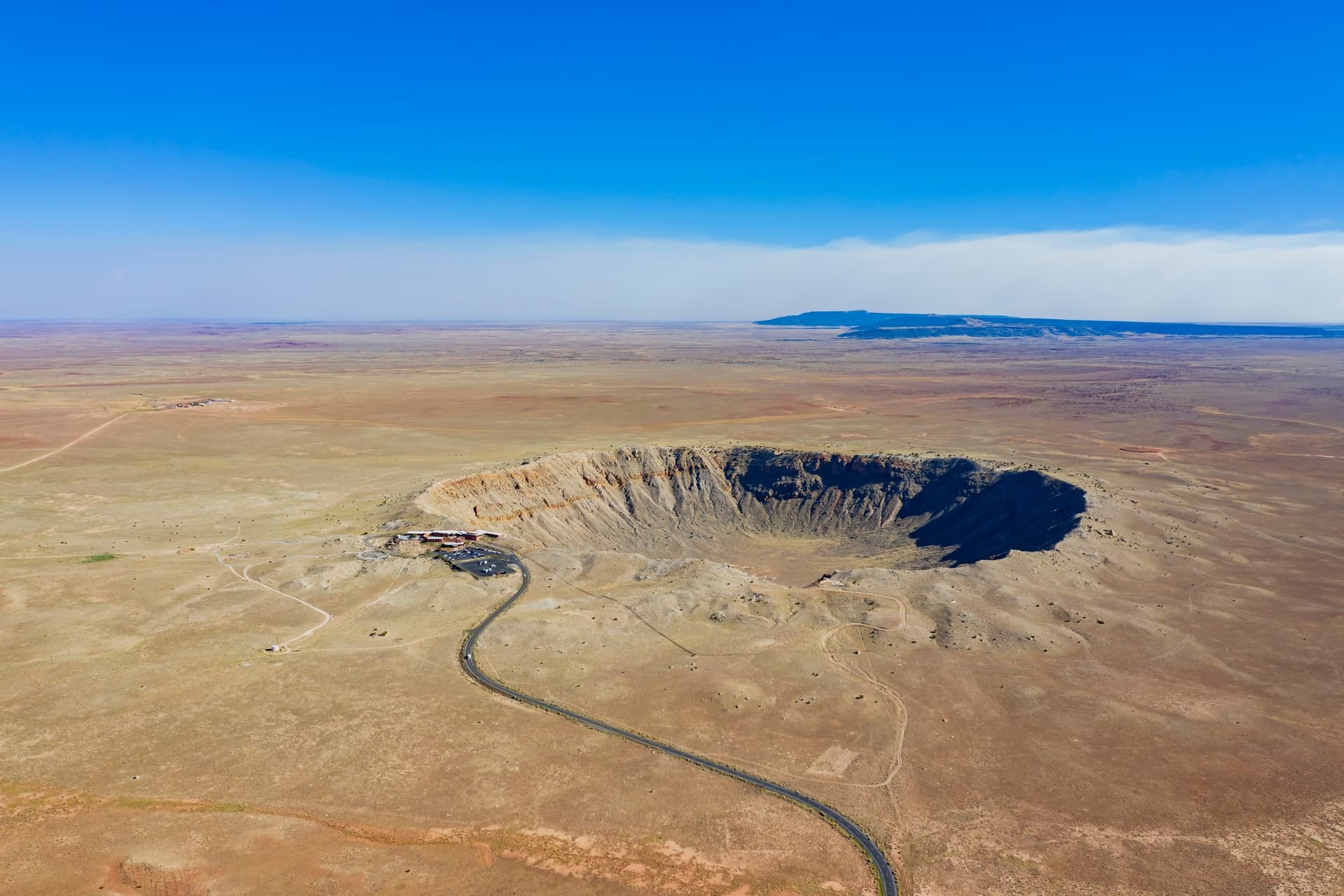
When driving through northern Arizona, from Flagstaff to Winslow, don't miss Meteor Crater, an enormous circular depression measuring 1,200 meters in diameter and 170 meters deep. The crater formed upon impact of a meteorite that fell from the atmosphere and struck the area approximately 50,000 years ago. The crater's shape has changed little over the centuries due to minimal erosion from the arid climate. A remarkable geological treasure!
Other Notable Sites
Desert Botanical Garden
Horticulture enthusiasts visiting Phoenix will not be disappointed by this landscaped park spanning 57 hectares. The garden was established in 1937. Approximately 50,000 plants thrive on the grounds, 16,000 of which are endemic species, several facing extinction. This makes the garden a living resource for studying and understanding xerophytic species. Cacti, agaves, blue oaks, and black sages are the stars. A wide variety of educational programs is offered for young visitors: "Garden Discovery," "Garden Talks," "Birds in the Garden." During the high season, musicians from the region perform on the garden's esplanade.
Phoenix Zoo
With nearly 1,400 animals in captivity, the Phoenix Zoo is a spectacular attraction for all ages. A private nonprofit organization founded it in 1962. The zoo offers four themed trails: the Arizona Trail, the Africa Trail, the Tropics Trail, and the Children's Trail. If time is limited, the first and last circuits are the most worthwhile. The Arizona Trail provides an overview of species common to the southwestern United States, such as the bobcat, cougar, and collared peccary. In the Children's Trail, an animal sanctuary allows children to feed and pet young mammals from the five continents. If you're not traveling with children, the third trail is an excellent option for encountering Komodo dragons.
Bird Cage Theater
A visit to the Bird Cage Theater is a must for soaking in the Old West saloon atmosphere. Located in Tombstone, along Allen Street, the building served in the 1880s as a cabaret, casino, and pleasure house staffed by prostitutes. Little has changed inside, despite the house closing its doors in 1889 and being converted into a museum. The orchestra pit, theater stage, wallpaper on the walls, crimson curtains pierced by hundreds of bullet holes, the 14 bird cages on the balcony where ladies attracted cowboys… The authenticity of the place has been faithfully preserved. The Bird Cage Theater opens a window onto the violent and wild past of the Far West.
Golf Courses
After a tour of Arizona by hot air balloon or helicopter, visitors can play golf in a magical desert environment. Major hotel complexes have claimed a lion's share of this niche market. Golf courses are laid out on carefully selected terrain, surrounded by rock formations and cactus varieties. A restaurant-bar is located nearby, where golfers can enjoy a drink, have a grilled meal, or savor local specialties. That said, golf tourism is not within everyone's budget.
Arizona's Climate
Arizona is an exceptionally dry and arid region. It receives barely 323 millimeters of rainfall annually. Before venturing into the national parks, it's wise to account for temperature conditions that range from 4 to 24°C in winter and exceed 40°C in peak summer. Travel advisors recommend autumn and spring.
With a solid air network, Arizona welcomes international tourism warmly. Several airlines offer flights to Phoenix from Paris, with connections through Chicago or San Francisco. You'll easily find discounted fares with Lufthansa and Brussels Airlines. After 15 hours of flight, your plane will land at Phoenix Sky Harbor International Airport, commonly called Sky Harbor. This is the thirteenth busiest airport in the United States by passenger numbers.
At the airport terminal, you'll find an abundance of taxis ready to take you to your hotel. Some vehicles are specially equipped to accommodate people with disabilities and reduced mobility. The most discerning tourists can take to the skies to reach the Grand Canyon, Saguaro, Monument Valley, and any other Arizona destination. Sky Harbor Airport and Phoenix-Mesa-Gateway Airport share domestic flight operations throughout the territory.
You Will Love…
- Taking a memorable road trip through the Grand Canyon;
- Studying the iconic flora and fauna of the region;
- Returning home with saguaro cactus flowers;
- Enjoying a family picnic in the Desert Botanical Garden;
- Spending magical moments at the Phoenix Zoo.