Estes Park
Estes Park
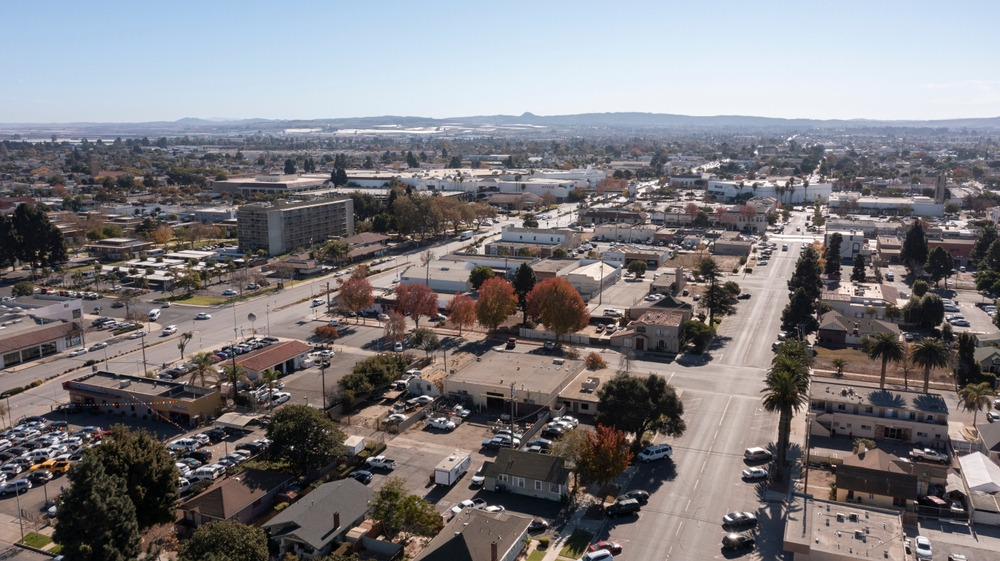
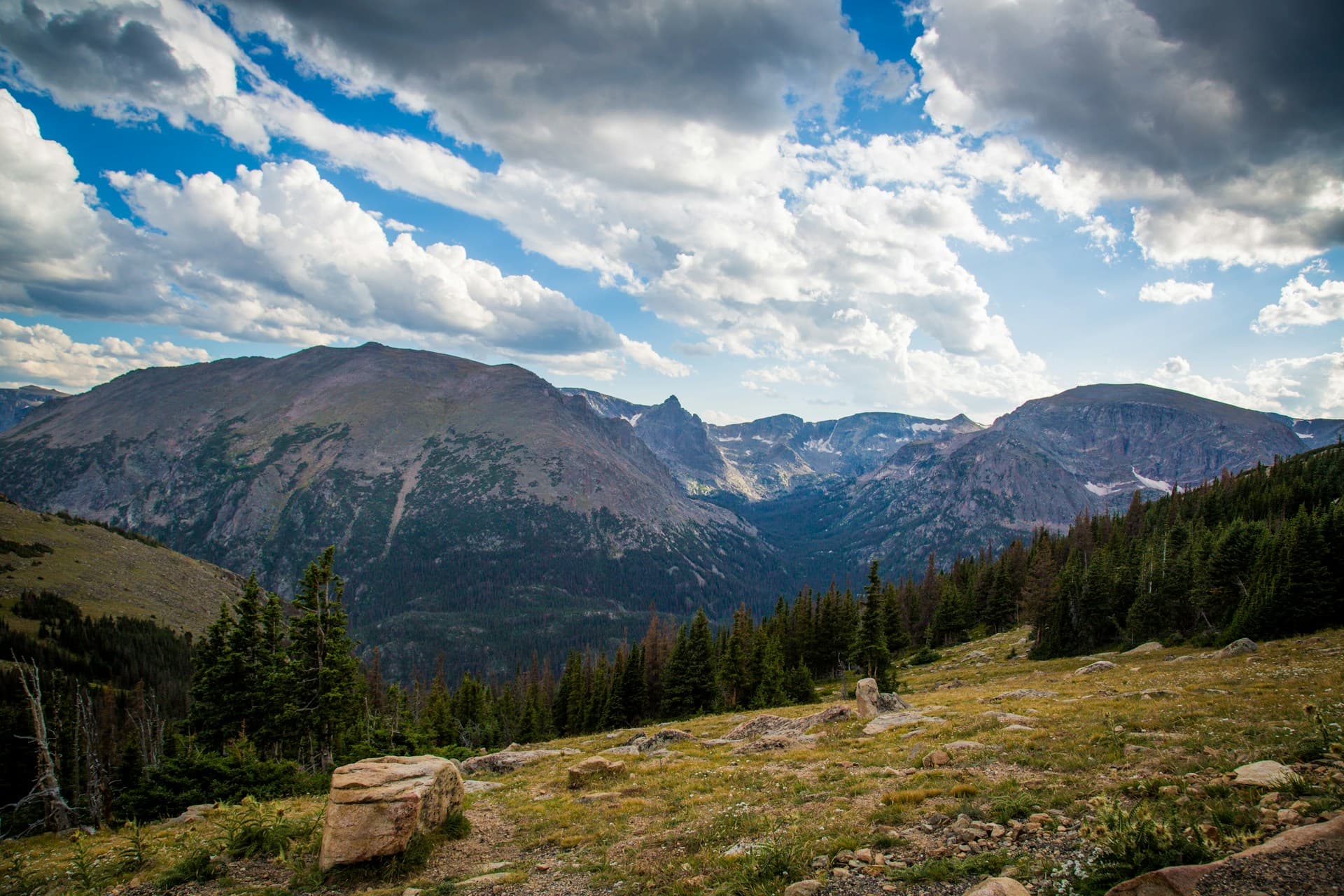
Estes Park is a small mountain town in Colorado, nestled at approximately 2,286 meters elevation in the foothills of the Rocky Mountains.
Estes Park is a small mountain town in Colorado, nestled at approximately 2,286 meters elevation in the foothills of the Rocky Mountains. It serves as the main gateway to Rocky Mountain National Park. Its bustling Main Street, artificial lake and sweeping views of snow-capped peaks make it a cherished base for hikers and families alike.
Quick facts at a glance
Getting there: car recommended; US-36 from Boulder or US-34 from Loveland.
Peak season: June to September — expect crowds, reservations advised.
Recommended duration: 2 to 4 days to explore both the town and national park.
Elevation: approximately 2,286 m — allow time for gradual acclimatization.
Pets: welcome in town; restrictions apply within the national park.
What to see
Downtown runs along Elkhorn Avenue, the main thoroughfare lined with souvenir shops, art galleries and restaurants. Estes Lake, an artificial reservoir created in the 1940s, offers water activities and direct views of the surrounding peaks. The Big Thompson River flows through town, drawing fly fishers. Elk regularly descend into the town, especially at dawn and dusk.
History and context
Joel Estes settled in the valley in 1859 with his family, lending the town his name. The region quickly attracted hunters and tourists. The opening of Rocky Mountain National Park in 1915 transformed Estes Park into an established tourist destination. The Stanley Hotel, opened in 1909 by F.O. Stanley, co-founder of the Stanley Steamer, marked the rise of luxury mountain hospitality in the Rockies.
Highlights of a visit
The Stanley Hotel
This pristine white Colonial mansion perched on a hillside is famous for inspiring Stephen King while writing The Shining. Guided tours of the property are offered regularly. The Edwardian architecture and valley views make it worth exploring even if you don't stay overnight.
Estes Park Aerial Tramway
This historic aerial tramway connects downtown to the summit of Prospect Mountain. It offers a 360-degree panorama of the valley, Estes Lake and the ridges of the national park. Check seasonal hours before making the trip.
Elk watching
Estes Park is one of the rare places in the United States where elk roam freely in an urban setting. In autumn, during the rutting season, males bugle in parks and on golf courses — a striking natural spectacle.
Gateway to Rocky Mountain National Park
The park's main entrances (Fall River Entrance or Beaver Meadows Entrance) are just minutes from downtown. Trail Ridge Road, the highest scenic highway in the United States, departs from this gateway.
Photography tips
Golden morning light illuminates the peaks from the edge of Estes Lake — arrive early to avoid wind reflections. For elk, the meadows around Moraine Park (within the national park) offer better conditions than downtown. The Stanley Hotel photographs beautifully from the approach road in late afternoon, its façade bathed in warm light.
Location and access
Estes Park sits in Larimer County, approximately 105 km northwest of Denver. The nearest airport is Denver International Airport. No direct rail service exists; a car remains the most practical way to get around. A seasonal shuttle service (Hiker Shuttle) connects certain town locations to national park trailheads during summer.
Nearby attractions
Rocky Mountain National Park — over 480 km of trails, abundant wildlife and Trail Ridge Road.
Boulder — vibrant college town about 70 km away, known for Pearl Street Mall and the Flatirons.
Fort Collins — craft brewery hub and cultural destination, approximately 80 km east.
Grand Lake — lakeside village on the park's western slope, accessible via Trail Ridge Road in summer.
Frequently asked questions
Frequently asked questions
Summer (June-August) offers all outdoor activities and full access to the national park. Autumn (September-October) is ideal for witnessing the elk rut. Winter is quiet and snow-covered; some park roads close.
During summer season, the park operates a timed-entry permit system for vehicles. Check current requirements on the National Park Service official website before your visit.
At 2,286 m, some visitors experience mild altitude sickness (headaches, fatigue). Stay well hydrated, avoid alcohol on your first day and ascend gradually if planning high-altitude hikes.
Yes, elk frequently descend into Estes Park's parks and streets, especially at dawn and dusk. Maintain at least 30 meters distance and never feed them.
Private shuttle services connect Denver to Estes Park, but options are limited. Once there, a seasonal shuttle serves national park entrances in summer. A car is strongly recommended.
Yes. Guided tours of the hotel are available to the public. The architecture, history and Stephen King connection make it a worthwhile cultural stop in its own right, independent of an overnight stay.
Want to discover this destination?
Our local advisors design your tailor-made trip.