Spring Travel to the United States
Planning a trip to the United States during spring and unsure where to go? Discover the best American destinations to explore in spring
You have planned a trip to the United States during spring and don't know where to go? Discover the best American destinations to explore in spring along with all our tips for visiting the United States between March and June.
Why travel to the United States in spring?
Just like in Europe, the United States has 4 seasons: spring from March to June, summer from June to September, fall from September to December, and winter from December to March.
Spring is one of the best seasons to travel to the United States because of favorable weather across much of the country. Indeed, spring temperatures are mild across virtually the entire territory, and rainfall is relatively low. You'll therefore avoid extreme temperatures: scorching in summer and freezing in winter.
Beyond the weather, spring is a favorable period to travel to the USA because the season is far less touristy than summer. You'll enjoy the most beautiful sites in the United States without being overwhelmed by hordes of tourists. Moreover, airfares are cheaper at this time.
As you can see, traveling to the United States during spring allows you to enjoy the landscapes without suffering from high temperatures or low temperatures, to avoid peak tourist season, and to save money on airfares (provided you book in advance!).
Where to travel in the United States in spring?
New Mexico and Texas
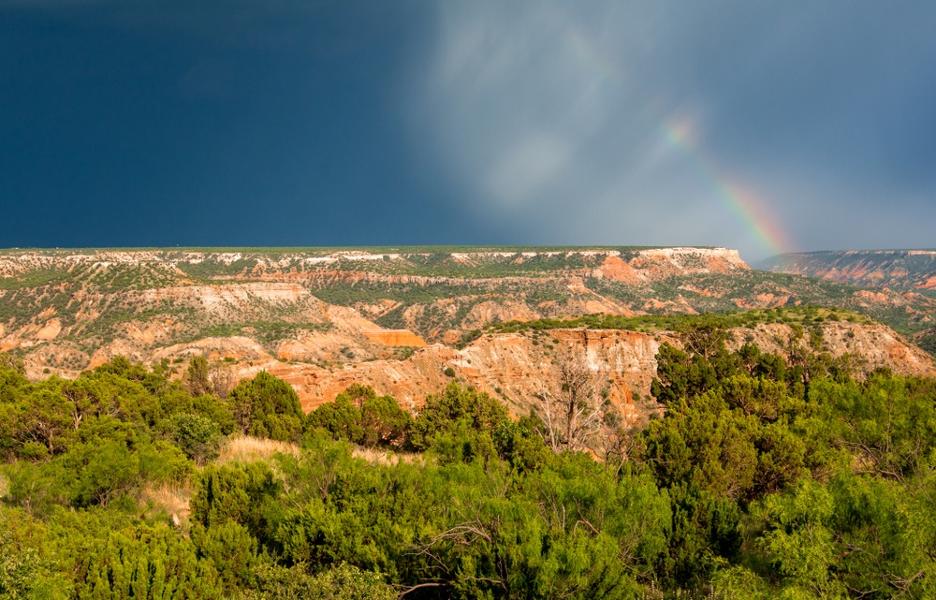
Spring is the ideal season to discover the great plains of Central United States and the deserts of the southwest. For good reason, the climate is rather mild and rainfall is nearly nonexistent, whereas in summer, it's unbearably hot.
This is therefore the best time to visit New Mexico, Texas, and the desert landscapes of the region such as the Mojave, Sonora, or Chihuahua deserts. You can even enjoy the cactus blooming period!
Take the opportunity to explore the cities and beaches of the Texas coast or venture into Big Bend National Park where you can hike and go rafting.
Among other sites in the region to see in spring, you can mention Kansas, Nebraska, and North Dakota.
Colorado and the Grand Canyon
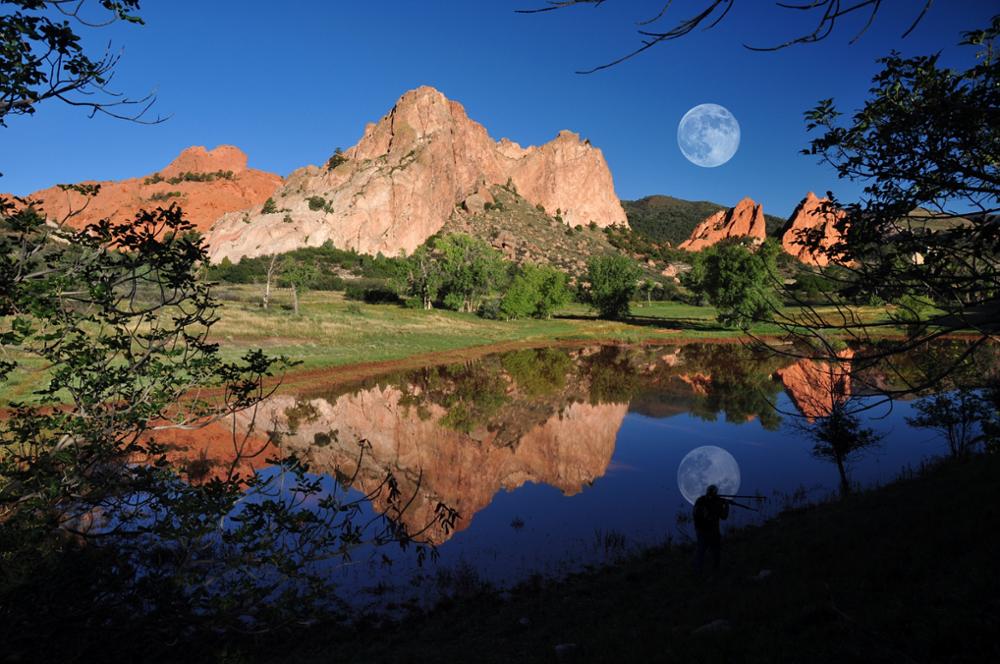
Would you like to discover Colorado and the iconic parks of the southwestern United States? Whether it's the Grand Canyon, Joshua Tree National Park, or Monument Valley, spring is the best time to visit them.
Indeed, this is the ideal period to avoid the high temperatures and enjoy these magnificent landscapes with fewer tourists.
Note, however, that to explore the higher altitude desert regions like the Colorado Plateau, it's better to plan a trip toward the end of spring to avoid lingering snow and cool temperatures.
Southern California

Do you dream of discovering California during your trip? In spring, it's entirely possible to visit California, but it's better to focus on the southern part rather than the northern part where it's still cold and humid.
You can therefore plan a journey through the mythical cities of Southern California such as Los Angeles and San Francisco or through its exceptional natural parks like Yosemite.
Note, however, that it's better to go early in the spring season (March, April) as late spring generally comes with coastal fog caused by the temperature contrast between the ocean and the land.
On the other hand, avoid the Pacific Northwest coast and the city of Seattle at this time since bad weather is more common.
Florida and Louisiana
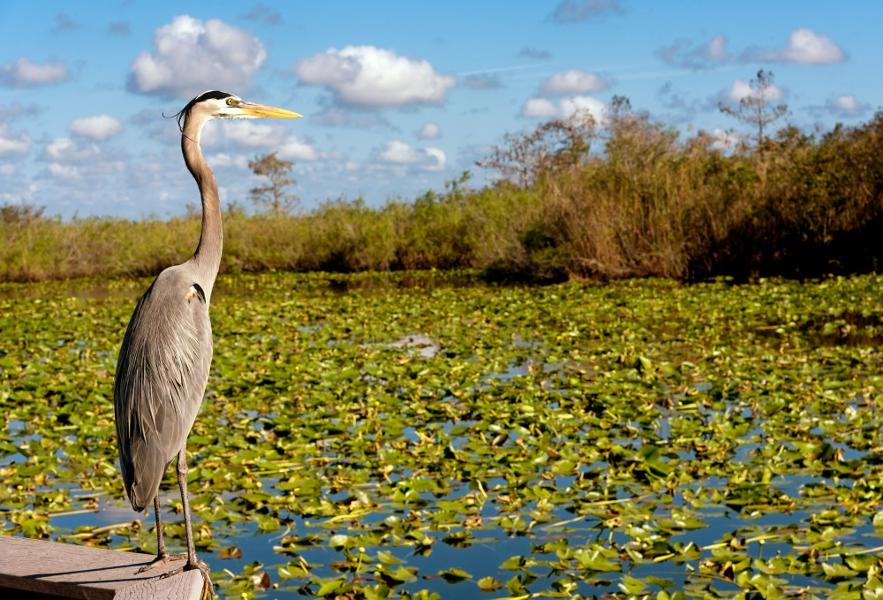
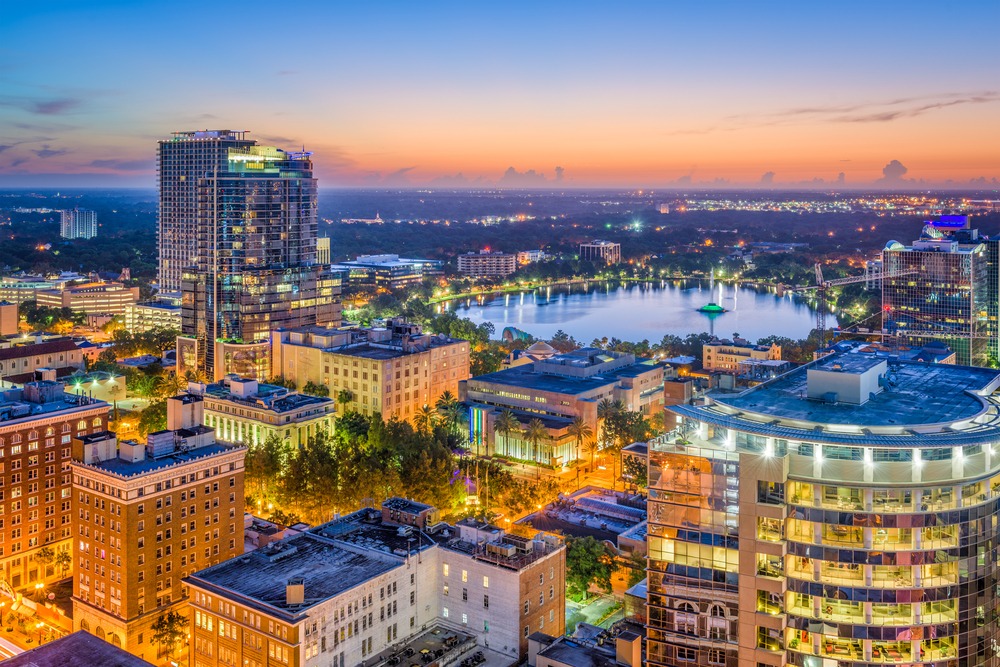
Located in the south of the country, Florida enjoys a Caribbean and humid subtropical climate. In spring, temperatures are rather high (between 68 and 86°F), days are sunny, and rain is rare. Opt for a stay in Florida early in spring, as from May onward, rain becomes more frequent.
Spring is also an ideal period to discover the various parks in the state of Florida, such as the must-see Everglades.
Spring is also a magnificent season to discover Louisiana. During this period, temperatures are pleasant: neither too hot nor too humid, with sunny days and rather cool nights.
New York, Boston, Washington, Chicago, and Philadelphia
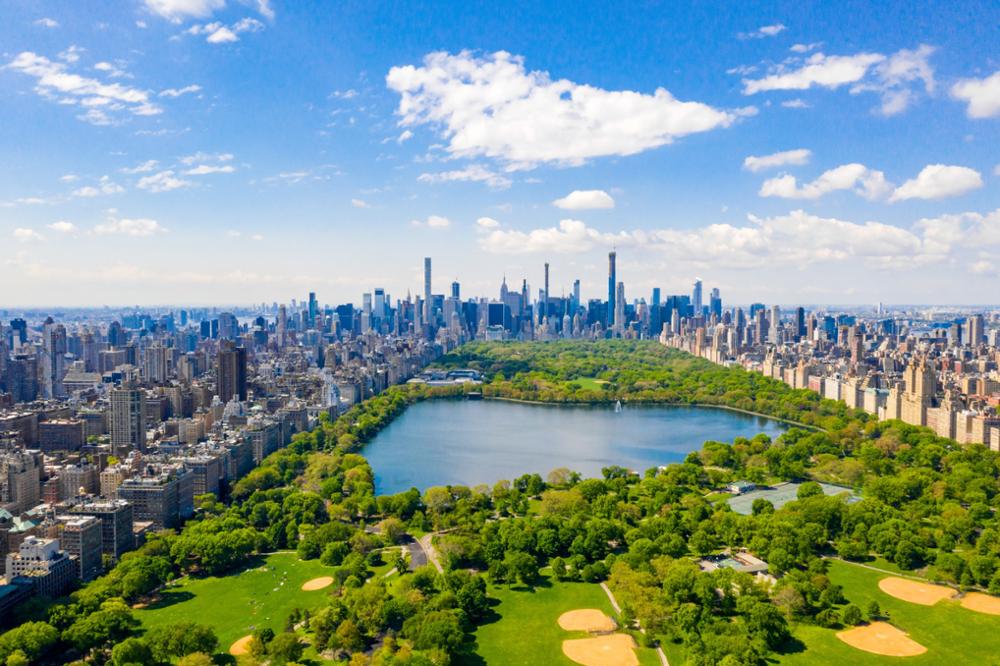
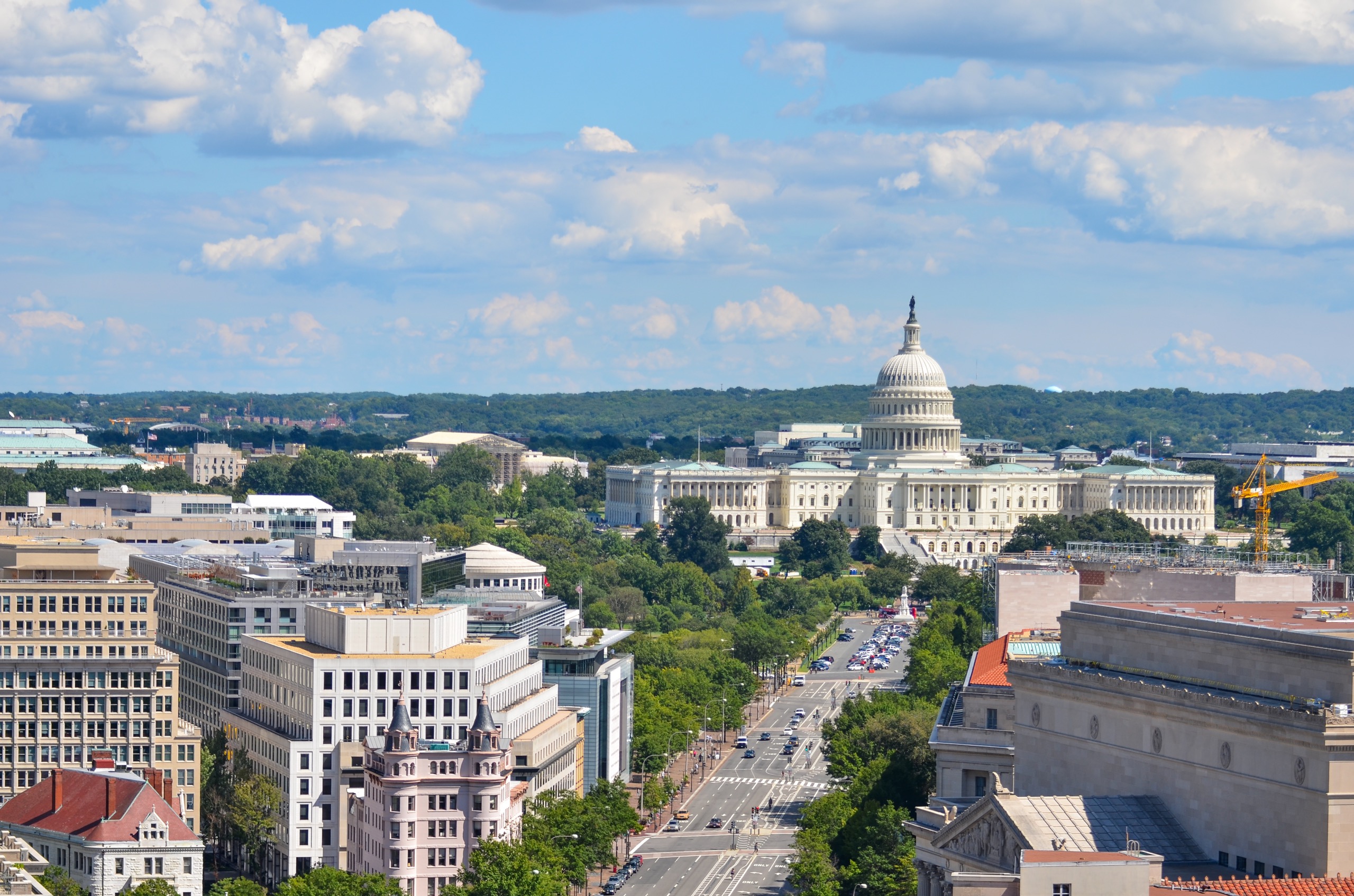
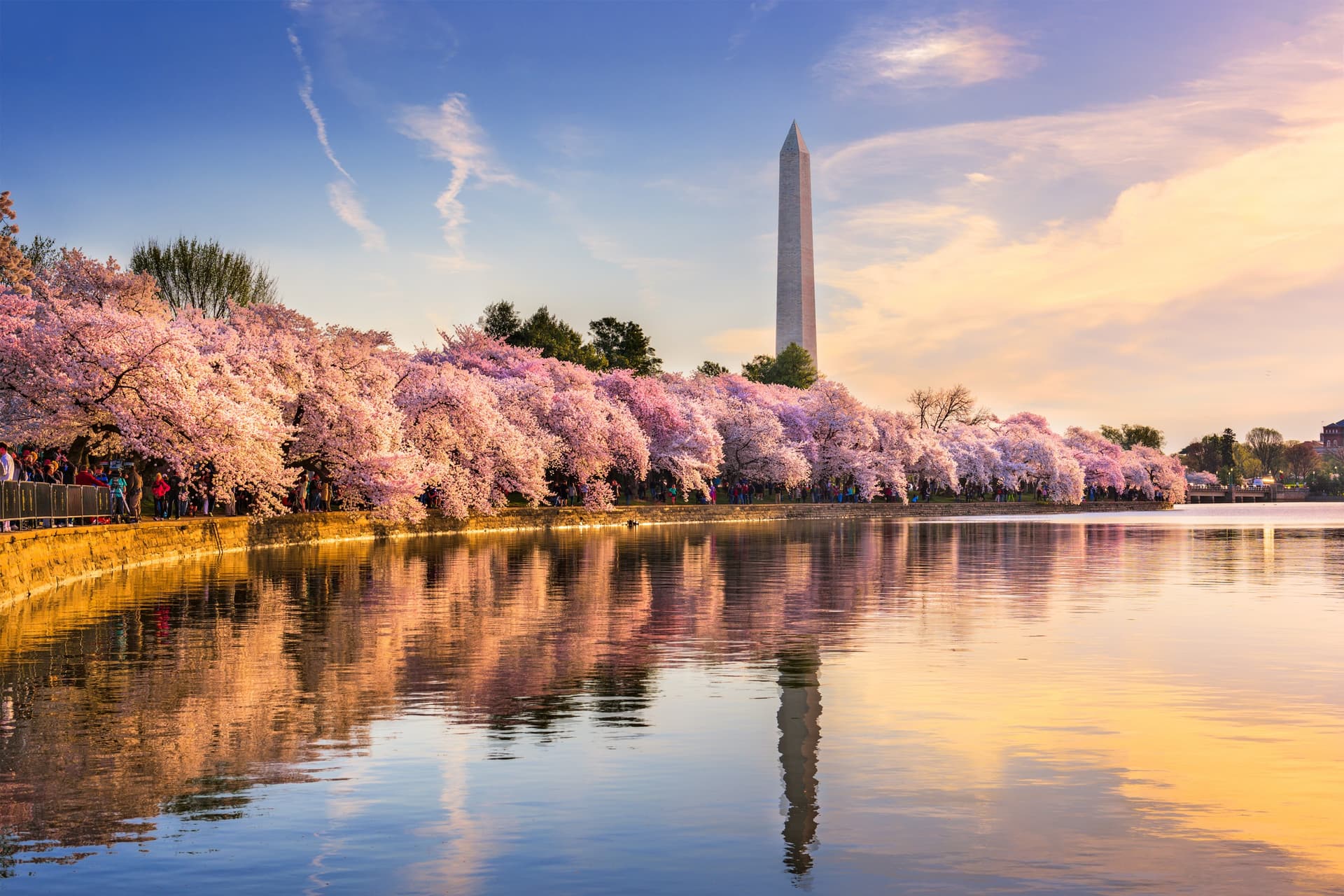
With its bustling cities rich in history and culture, the northeastern United States has plenty to offer. To visit the iconic city of New York, Boston, Washington, Chicago, and Philadelphia, the ideal time is late spring, between May and June.
At this time, the harsh winter gives way to a temperate climate with mild temperatures. Moreover, there are fewer visitors than in the height of summer.
Frequently asked questions
The ideal month depends on your destination: March and April are perfect for Florida, Southern California, and Southwest parks before the heat sets in. May and June are recommended for New York, Boston, Washington, and Chicago where temperatures become pleasant after winter.
Citizens of English-speaking countries don't need a visa for tourist stays of less than 90 days. However, it is mandatory to request an ESTA (Electronic System for Travel Authorization) authorization at least 72 hours before departure, at a cost of 21 dollars.
Yes, spring is generally a more economical time to visit the United States. Airfares are cheaper than in peak summer season, accommodations offer better rates, and tourist sites are less crowded. However, it's advisable to book in advance to take advantage of the best offers.
Weather varies by region: in the South (Florida, Texas), temperatures range from 68 to 86°F with little rain. In the West (Southern California, Grand Canyon), the weather is mild and sunny between 59 and 77°F. In the Northeast (New York, Chicago), May and June offer temperate temperatures between 59 and 72°F after a cold winter.
Spring is the ideal season to visit American national parks. Among the most beautiful to discover: the Grand Canyon (Arizona), Big Bend National Park (Texas), the Everglades (Florida), Joshua Tree National Park (California), and Yosemite (California), preferably early in spring to avoid summer crowds.
Car rental is highly recommended, especially for exploring the American West (Grand Canyon, California, Texas, New Mexico) where distances are vast and public transportation is limited. In major metropolises like New York, Chicago, or Boston, public transportation is sufficient.