The Deep South
From Creole New Orleans to country Nashville, 1500 km along the Mississippi through the birthplaces of jazz, blues and the civil rights movement.
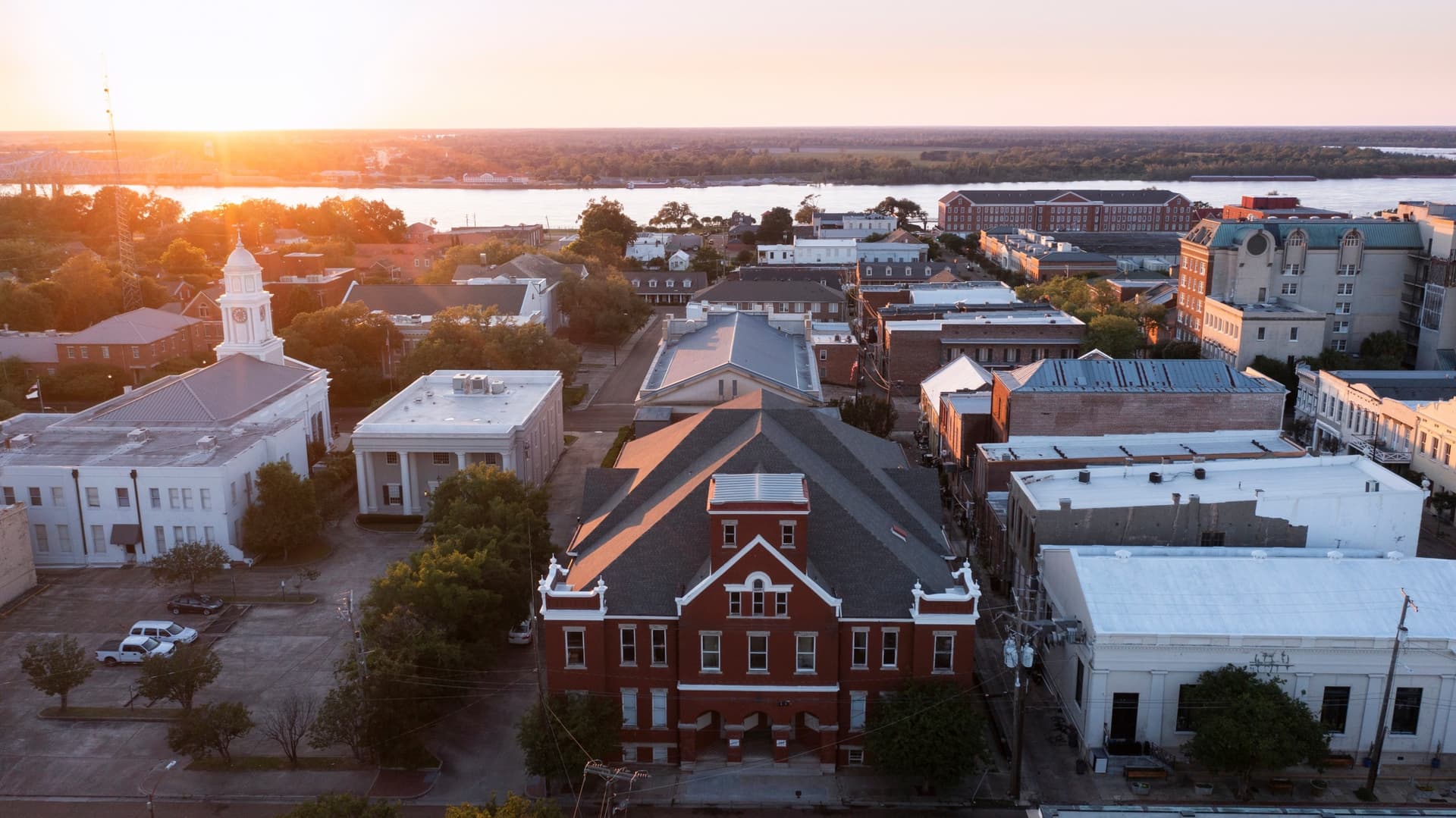
The Deep South resembles no other region in the United States. When our team escorts travelers from New Orleans to Nashville, we cross four states (Louisiana, Mississippi, Alabama, Tennessee) and three centuries of dense history, marked by slavery, the Civil War, the struggle for civil rights, and the invention of music that captivated the world. The territory is flat, riverine, humid. The Mississippi structures all geography: it descends from Memphis toward the Gulf of Mexico, carrying the silts that enriched the cotton plantations of the delta.
New Orleans remains our natural gateway. Founded by the French in 1718, sold to Napoleon, resold to the Americans in 1803, the city preserves its Creole architecture in the French Quarter, its wrought-iron balconies in the Marigny neighborhood, and a cuisine that exists nowhere else: brown roux gumbo, jambalaya, fried oyster po'boys, sweet beignets from Café du Monde. In the evening, clubs on Frenchmen Street feature traditional jazz and brass bands until 2 a.m., far from the excesses of Bourbon Street.
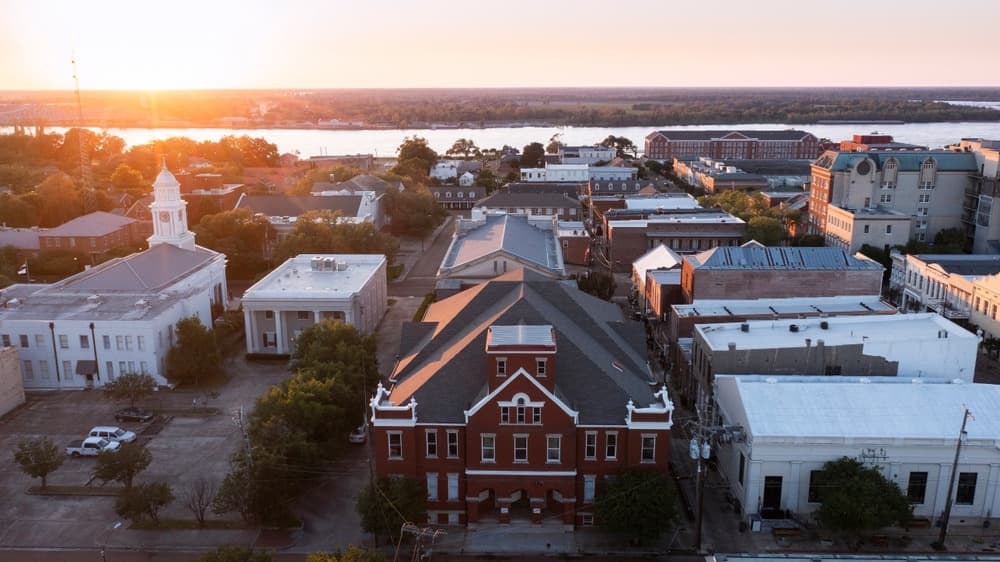
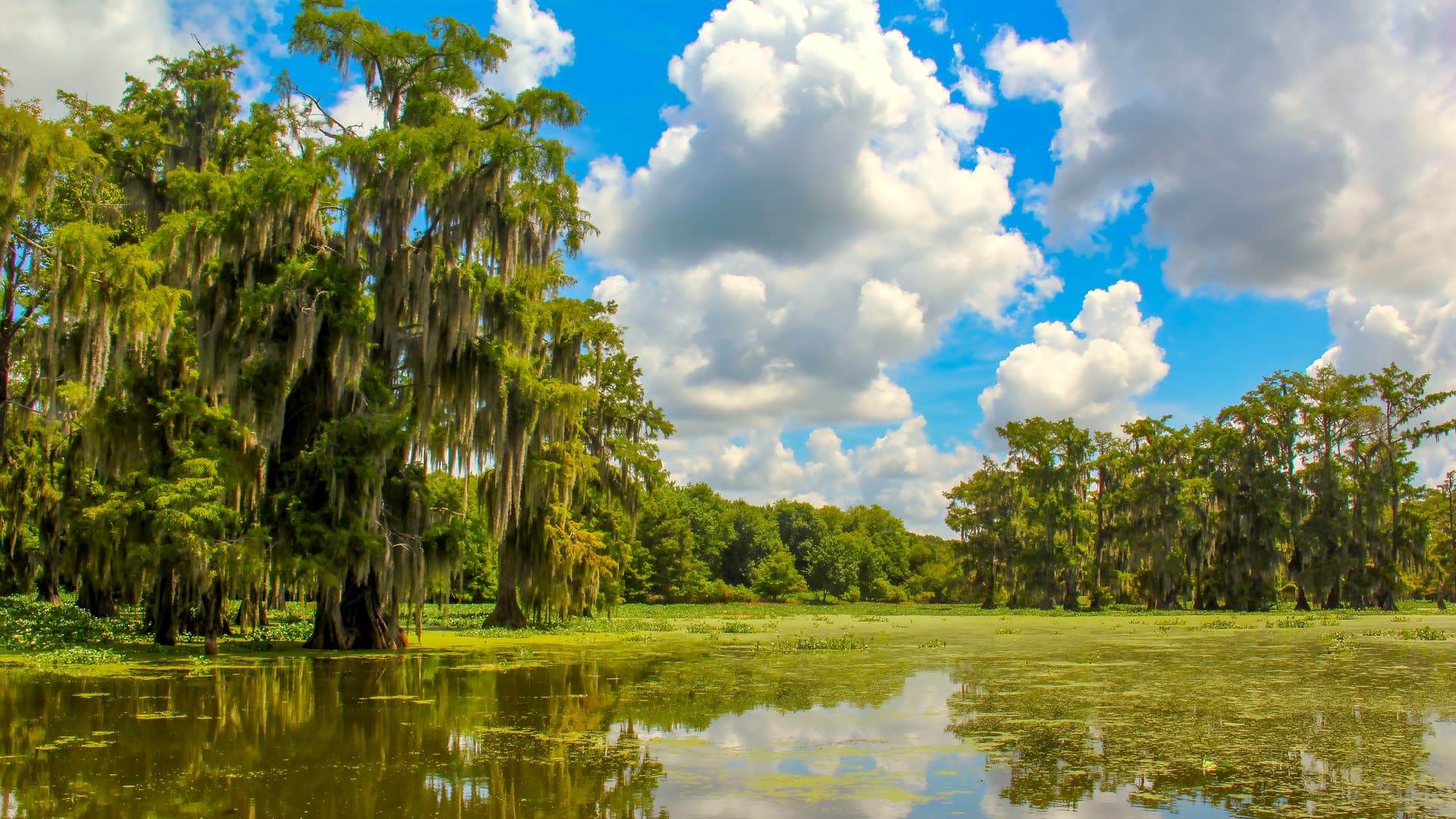
Leaving the city along River Road, you pass former sugar plantations that have become museums. We recommend Whitney Plantation, the only one explicitly dedicated to the memory of enslaved people, rather than purely decorative estates. Further north, Natchez preserves about fifty antebellum homes on bluffs overlooking the river. The Natchez Trace Parkway, a scenic 715 km route, then heads toward Nashville through forests of pine and bald cypress.
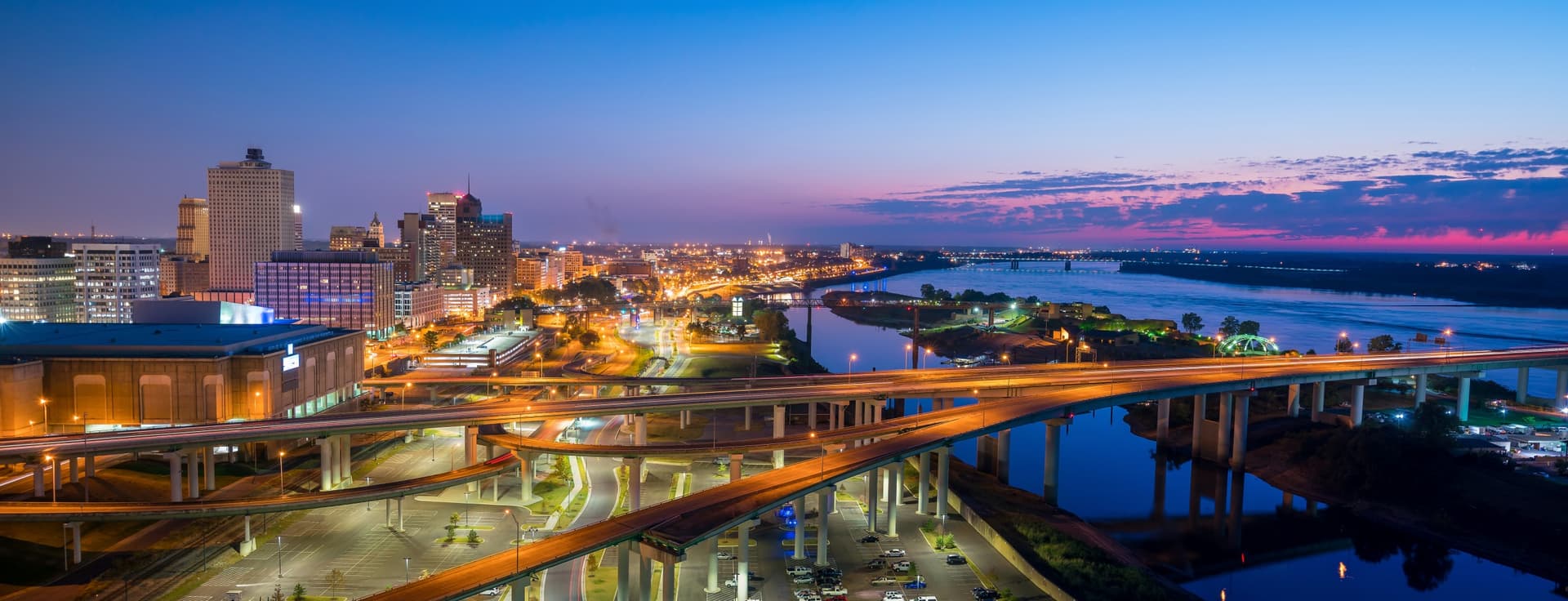
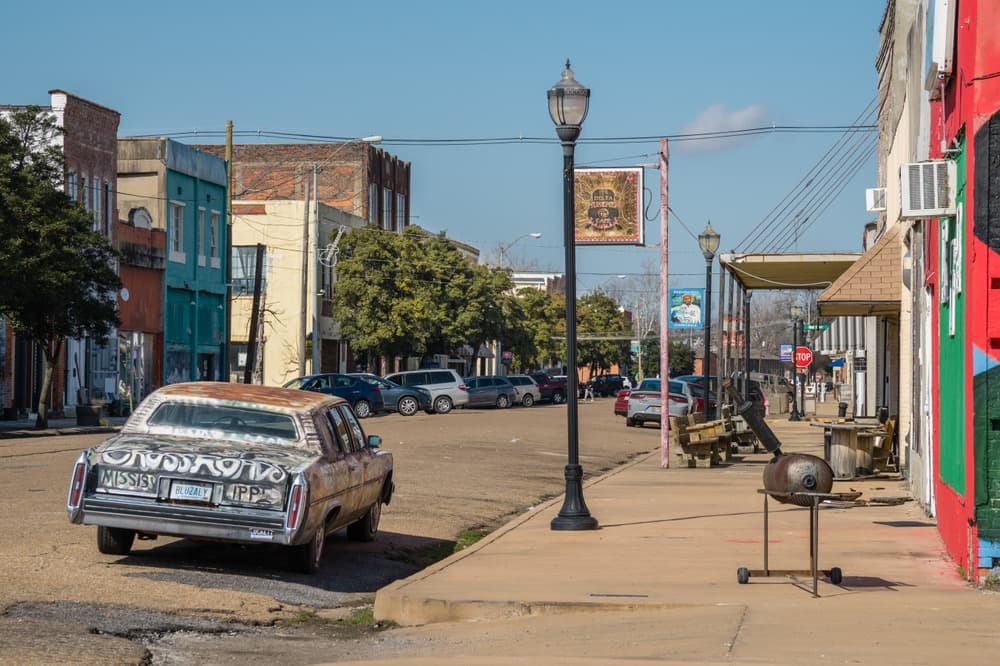
The Mississippi Delta, between Vicksburg and Memphis, is the birthplace of the blues. In Clarksdale, the crossroads of highways 49 and 61 remains the legendary place where Robert Johnson allegedly sold his soul to the devil. Ground Zero Blues Club and Red's Lounge still host local musicians six nights a week. Memphis, perched on the river bluff, houses Sun Studio (where Elvis recorded in 1954), Stax Records (Otis Redding, Isaac Hayes), and the National Civil Rights Museum installed in the former Lorraine Motel where Martin Luther King was assassinated in 1968.
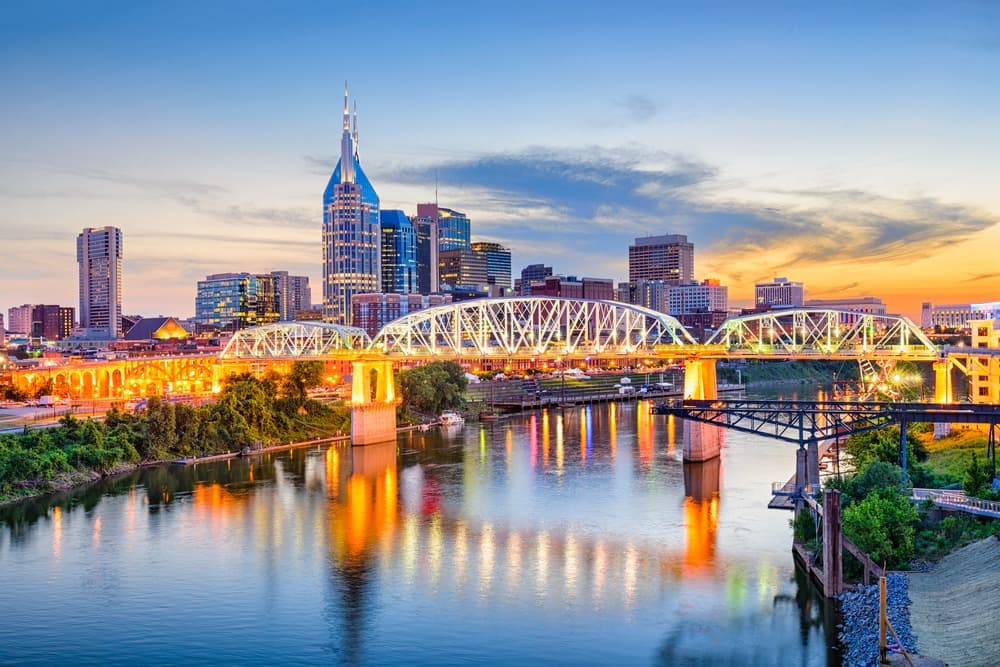
Nashville closes the loop in Tennessee. Capital of country music since the 1920s, the city lines Broadway with honky-tonks, the Ryman Auditorium (former home of the Grand Ole Opry), and active studios on Music Row. Charleston, on South Carolina's Atlantic coast, sometimes completes the circuit: its streets lined with Rainbow Row, its markets of sweetgrass baskets woven by descendants of Gullah people, and the memory of Fort Sumter where the Civil War began in 1861.
The South is as much eaten as it is heard. Pork barbecue in Memphis (dry rub), hickory-smoked ribs in Mississippi, fried chicken and collard greens everywhere, pecan pie and bourbon from neighboring Kentucky. Our travelers often return with a playlist and a recipe, rarely with photos of spectacular landscapes: that's not what you come here to find.
To discover
Frenchmen Street, New Orleans. Three blocks concentrating The Spotted Cat, Snug Harbor and d'Blanchard's, where traditional jazz and brass bands play every evening with no fixed cover charge. Our favorite neighborhood to understand the local music scene, away from the tourist bars of Bourbon Street.
Highway 61 and the Mississippi Delta. 240 km of road between Memphis and Vicksburg through flat cotton fields, dotted with Clarksdale's juke joints and the Delta Blues Museum. Plan two days by stopping in Indianola (B.B. King Museum) and Cleveland (Grammy Museum Mississippi).
Whitney Plantation, Louisiana. An hour from New Orleans on River Road, the only plantation in the South entirely dedicated to the memory of enslaved people. 90-minute guided tour among wooden cabins and steles engraved with 107,000 names.
National Civil Rights Museum, Memphis. Housed in the Lorraine Motel preserved as it was since Martin Luther King's assassination on April 4, 1968. Chronological journey from slavery through the Selma marches, best combined with a visit to Sun Studio ten minutes on foot.
Natchez Trace Parkway. Federal scenic route 715 km long connecting Natchez to Nashville, with no billboards or traffic lights, speed limited to 80 km/h. Three days of contemplative driving through forests of Mississippi and Tennessee, with stops in Tupelo (Elvis's birthplace) and Florence (Muscle Shoals).
When to go
The humid subtropical climate demands precise timing. We recommend March to May: temperatures from 18 to 26°C, magnolias and azaleas blooming in Charleston and Natchez gardens, dense festival calendar (French Quarter Festival mid-April, Jazz Fest late April to early May in New Orleans, Memphis in May throughout the month). October and early November offer a pleasant second window, drier, with 20 to 24°C daytime temperatures.
Summer (June to September) combines 32 to 36°C, humidity above 80%, daily afternoon storms and active hurricane season between August and October, particularly on the Louisiana coast. Outdoor visits become uncomfortable after 11 a.m. December to February remains mild in New Orleans (15°C average) but can be surprisingly cold in Nashville and Memphis, where nights regularly freeze. Mardi Gras carnival (February or early March depending on the year) remains highly demanded, requiring booking six months in advance.
Practical advice
Plan a minimum of 10 days for a self-drive circuit of New Orleans, Mississippi Delta, Memphis, Nashville; 14 days for a comfortable pace including Natchez and Charleston. Distances are significant: 640 km from New Orleans to Memphis, 340 km additional to Nashville. A rental car is essential; Amtrak rail connections exist but are slow. New Orleans airport (MSY) is the most logical entry point, with return possible from Nashville (BNA) on one-way rental without excessive surcharge.
The Deep South combines well with Florida and the Southeast by road (8 hours from Nashville to Atlanta, then descent to coastal Georgia), or with the East Coast by extending through Charleston. Combining with the American West or California requires a domestic flight. This region suits travelers interested in African-American history, live music and gastronomy, rather than lovers of wide-open spaces or hiking. Hotel comfort ranges from historic bed and breakfasts to French Quarter boutique hotels; budgets remain moderate outside festival periods.