Louisiana
Louisiana is a former French territory located in the South of the United States. Becoming the 18th American state in 1812, it attracts travelers today who come to discover a slice of France in the United States
Louisiana is a former French territory situated in the South of the United States. Becoming the 18th American state in 1812, it attracts travelers today seeking to discover a slice of France in the United States. Beyond its English-speaking heritage, Louisiana is renowned for jazz, the Mardi Gras, freshwater wetlands (bayous), and its historic plantations. Discover in this guide everything you need to know for a trip to Louisiana: the state's history, the best destinations and tourist attractions, and practical information.
History
Throughout the ages, Louisiana has seen many communities pass through. Before Europeans arrived, Native Americans—the Choctaw, Natchez, Houma, and Caddo—lived on these lands. Over time, French, Spanish, German, Italian, and African influences took root in the region.
The Arrival of the French in Louisiana
The French adventure in Louisiana begins in 1682, when French explorer René-Robert Cavelier de La Salle claimed the territory for King Louis XIV and named it "Louisiana" in honor of the king. It became a French colony in 1699. In 1762, Spain took control of the region, but it was returned to France in 1800 through the Treaty of San Ildefonso.
The Purchase of Louisiana from Napoleon and the Territory's Entry into the United States
In 1803, the United States purchased Louisiana from Napoleon Bonaparte, doubling the country's size. During the Civil War, Louisiana seceded from the Union to join the Confederate States of America. After the conflict ended, the region entered a reconstruction phase to rejoin the Union. Struggles for civil rights marked the twentieth century.
Louisiana Today
Today, Louisiana is a melting-pot state where French, African, Spanish, and Native American influences meet. It blends ancestral traditions with modernity, attracting millions of visitors each year in search of authenticity and escape. This cultural richness coexists, however, with major environmental challenges, such as coastal erosion and recurring hurricanes.
What to See and Do During Your Trip to Louisiana?
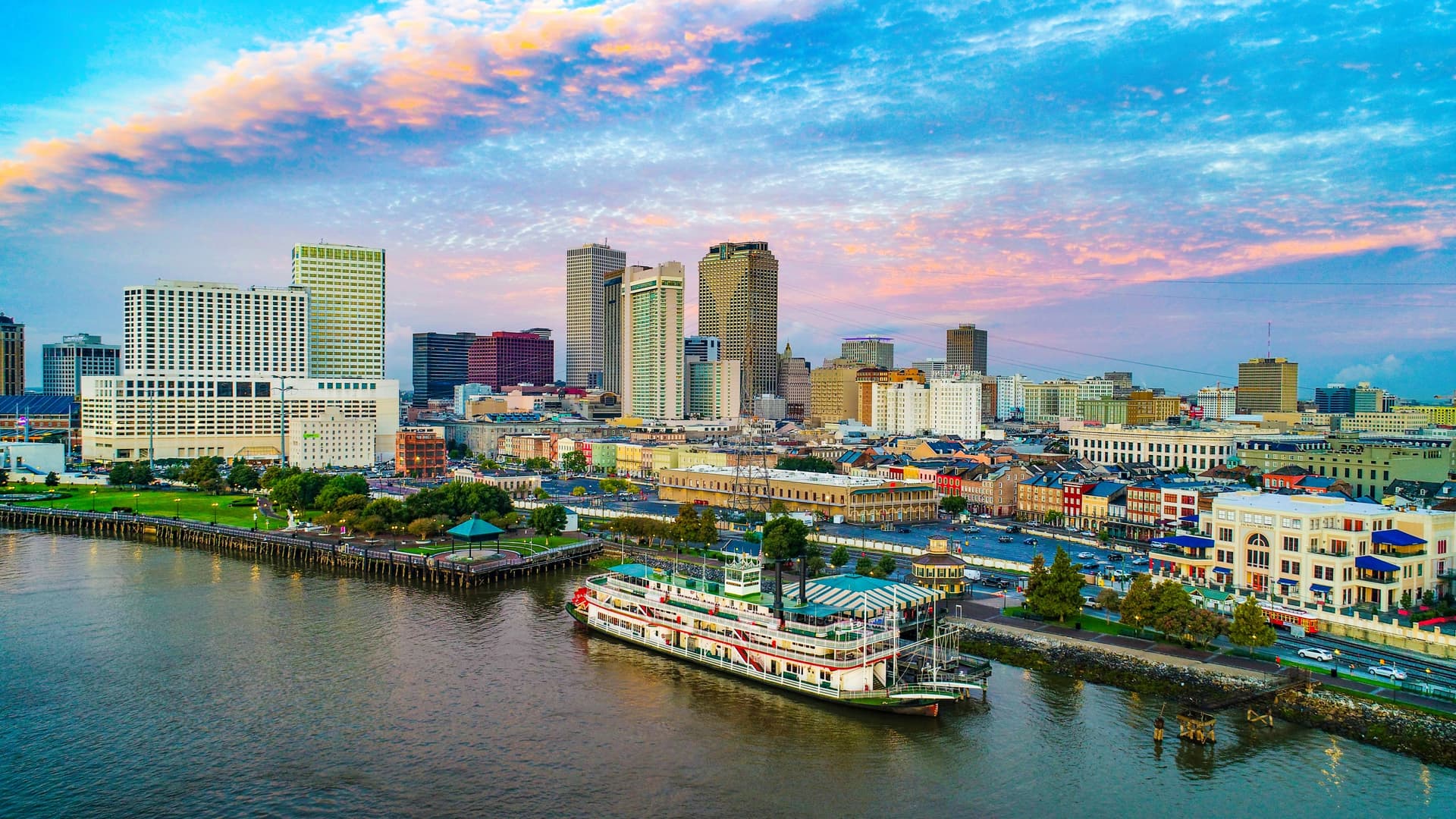
1. New Orleans
It is often the starting point for any trip to Louisiana. Several experiences await you here:
The French Quarter (Vieux Carré)
The historic heart of New Orleans, the Vieux Carré is a must-see destination. Stroll under wrought-iron balconies enveloped in lush vegetation, discover the Saint Louis Cathedral on Jackson Square, let yourself be carried away by the jazz of Frenchmen Street clubs, and explore the art galleries and antique shops of Royal Street. The neighborhood reveals all its magic once night falls.
Music
New Orleans is the crossroads for music lovers in Louisiana. Wherever you go in this city, music is always present. Jazz is part of the daily lives of residents, and festivals are exhilarating moments for the entire community.
Gastronomy
Take advantage of your visit to New Orleans to savor local specialties such as gumbo, beignets (at Café Du Monde, for example), jambalaya, or crawfish. Restaurants abound throughout the city.
Mardi Gras
If you travel in early in the year, the famous Mardi Gras is an absolute must-experience moment. Spectacular parades traverse the city for several weeks, featuring colorful floats and krewes that toss strands of beads to enthusiastic spectators.
2. Cajun Country (Acadiana)
This region of South Louisiana immerses you in the heart of Cajun culture. Cajuns are descendants of French settlers who established themselves in Acadia, a historic region of Canada. Following the British conquest and the deportation of 1755, known as the Great Expulsion, part of these communities settled in Louisiana. The term "Cajun" comes from the word "Acadian," gradually transformed into "Cadien," then "Cajun."
Lafayette
Considered the capital of Acadiana, it is renowned for its music (Zydeco, Cajun) and authentic cuisine. Visit the Vermilionville Living History Museum for a journey through time and discover reconstructed Creole homes. Attend concerts in local dance halls and taste traditional boudin noir in historic butcher shops.
Avery Island
This is the production site of the famous TABASCO sauce since 1868. You can visit the factory, discover the fermented pepper manufacturing process, and stroll through the magnificent Jungle Gardens, a 68-hectare botanical garden home to herons and alligators.
Breaux Bridge
Breaux Bridge is the "crawfish capital of the world." This charming village hosts the Crawfish Festival each spring. Browse local craft shops, photograph the historic bridge over Bayou Teche, and savor authentic Cajun dishes in family-run restaurants.
3. The Bayous, Nature, and Landscapes
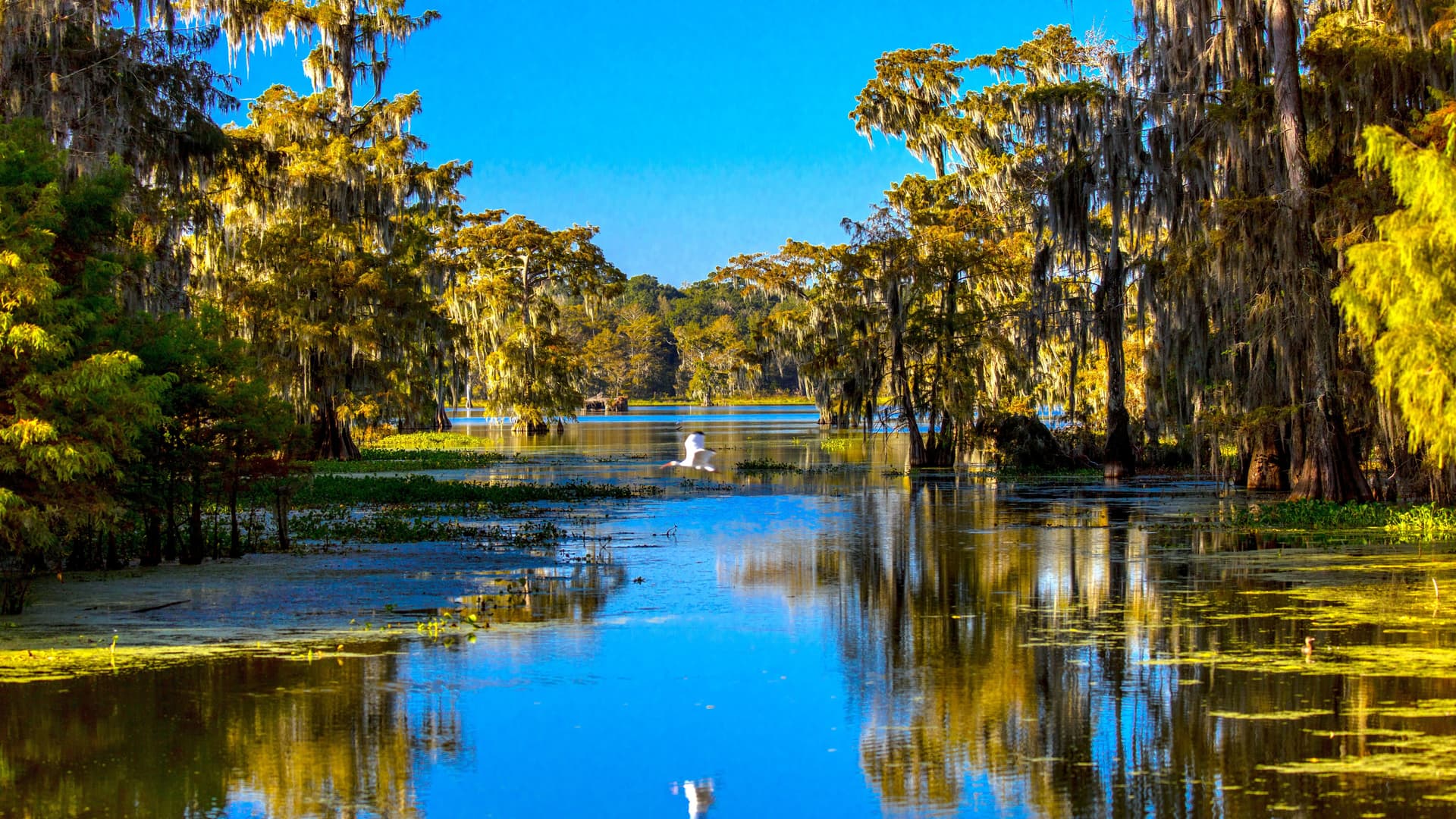
Louisiana is also known for its mysterious marshes and aquatic landscapes inhabited by exceptional wildlife. Bald cypress trees draped in Spanish moss create a unique, almost surreal atmosphere, which you'll discover as you journey through fragile ecosystems.
Boat Excursions (Swamp Tours)
Explore the marshes and local wildlife, including alligators, turtles, herons, and egrets. Tours depart from New Orleans or Cajun Country. Local guides share their knowledge of the ecosystem and ancestral fishing traditions.
Cruise on the Mississippi
Board a paddle-wheel steamboat to explore this mythical river. These nostalgic cruises evoke the era of 19th-century steamboats. You'll appreciate the historical commentary, often accompanied by live jazz music.
4. The Plantation Road
Along the Mississippi, between New Orleans and Baton Rouge, stand historic plantations that bear witness to the region's complex past. This scenic route allows you to understand the slavery-based economy and antebellum architecture that shaped the American South.
Oak Alley Plantation
Oak Alley Plantation is famous for its spectacular avenue of 300-year-old oak trees forming a 240-meter-long natural tunnel. The Greek Revival mansion built in 1839 offers detailed guided tours. You'll also discover reconstructed slave quarters that tell their story.
Laura Plantation
Recognized for its history told from the perspective of enslaved people and Creole women who managed this property, tours are based on archival documents and personal journals. It is here that the tales of Compair Lapin (Brer Rabbit) were collected.
5. Baton Rouge
The state capital also deserves a visit for its impressive government architecture and instructive museums. Located on the banks of the Mississippi, Baton Rouge blends modernity with history, boasting a dynamic university (LSU) and a thriving culinary scene.
Louisiana State Capitol
It is the tallest state capitol in the United States (137 meters). Rising near downtown, it dominates the urban landscape. An observation deck on the 27th floor offers stunning views of the Mississippi and the city. The Art Deco architecture from the 1930s and landscaped gardens are well worth the visit.
Capitol Park Museum
A museum to learn more about Louisiana's history and culture, from the pre-colonial period to the present day. Interactive exhibits cover music, festivals, the oil industry, and the communities that shaped the state.
Practical Information
Where is Louisiana Located?
Louisiana is situated in the South of the United States, bordered by Texas to the west, Arkansas to the north, Mississippi to the east, and the Gulf of Mexico to the south. The state occupies a strategic position on the Mississippi Delta.
By Air
By air, New Orleans Airport is the primary entry point into Louisiana. It operates connecting flights to major destinations across the United States, such as Houston, Chicago, and New York. International connections are also available, notably with London.
By Train
Amtrak trains travel through different regions of the state and continue to major destinations across the country such as Chicago, Los Angeles, and New York.
In major cities, you can use public transportation. However, buses are inconvenient for visiting suburbs and remote areas, even if they remain the most affordable alternative. In New Orleans, you can get around on foot or by bike. Try the streetcar as well. To explore more distant regions of the state, renting a car is the best option.
What is the Best Time to Visit Louisiana?
The best seasons for tourism in Louisiana are spring and fall. During these periods, the climate is ideal for outdoor activities. Most festivals and cultural events take place during these times. In summer, the state experiences intense heat and hurricanes.
FAQ About Louisiana
When and Why Was Louisiana Sold to the United States?
Napoleon Bonaparte sold Louisiana to the United States for 15 million dollars in 1803 to finance European wars and prevent the territory from falling into British hands.
What is the Official Language of Louisiana?
There is no official language in Louisiana. However, English dominates daily communication (91 percent). In certain rural areas, particularly in Acadiana, you'll still hear Cajun French and Louisiana Creole, especially among older generations. Linguistic revitalization efforts exist.
What are the Main Cities in Louisiana?
Beyond Baton Rouge, New Orleans, and Lafayette, major cities include Shreveport in the northwest (industrial hub), Lake Charles near the Texas border, Monroe in the northeast, and Alexandria in the center of the state.
Airlines such as Air France, Delta, United, and other partners operate flights to New Orleans from Paris-Charles de Gaulle Airport (CDG). Flights include one or more stops, typically in major American cities such as Newark, Atlanta, or Dallas. The total travel time, including layovers, can vary considerably, but expect a minimum of 13 to 17 hours.
What Does the Louisiana State Flag Look Like?
The Louisiana flag displays a blue background with a brown pelican in its nest feeding its young. This is an ancient Christian symbol representing compassion, also present on the state seal. The pelican is the official bird of Louisiana.