East Coast
Four foundational cities connected by 4 hours of train, from Vermont villages to Maine's coastlines: the East Coast flows between colonial heritage and rural hinterlands.
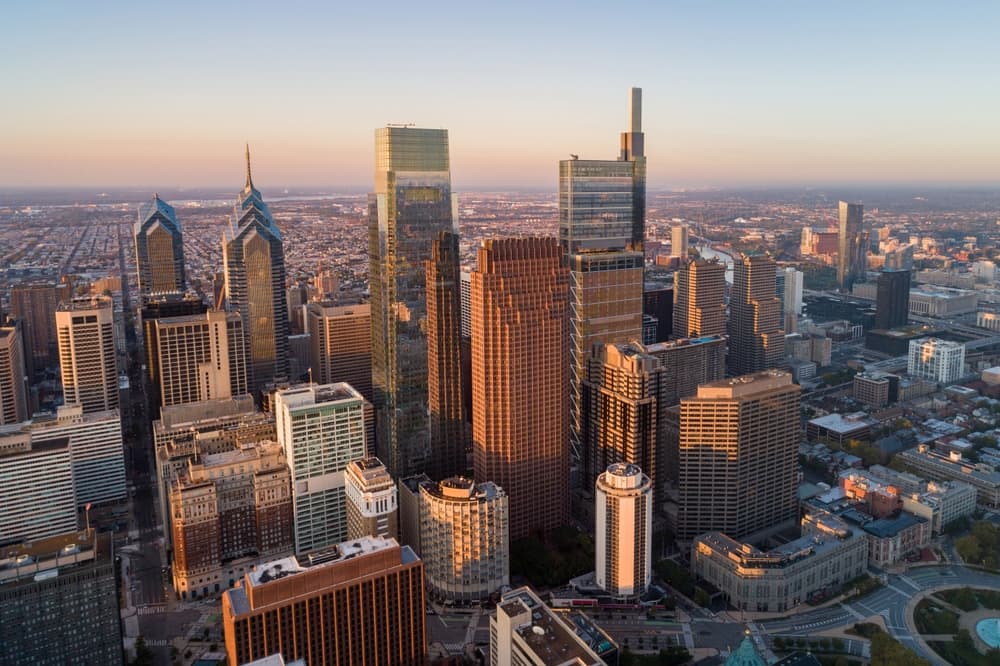
The East Coast stretches nearly 450 miles between Boston and Washington, along the corridor geographers call BosWash, which concentrates about 50 million inhabitants. This dense urban strip alternates with rural hinterlands little known to European visitors: the wooded hills of the Berkshires in western Massachusetts, orchards of the Hudson Valley, the Amish of Lancaster County in Pennsylvania, the salt marshes of Maine. We approach this region as a cohesive whole, linked by Amtrak's Acela train (4 hours from Boston to Washington via New York and Philadelphia) and by a road network that allows you to quickly escape the metropolises.
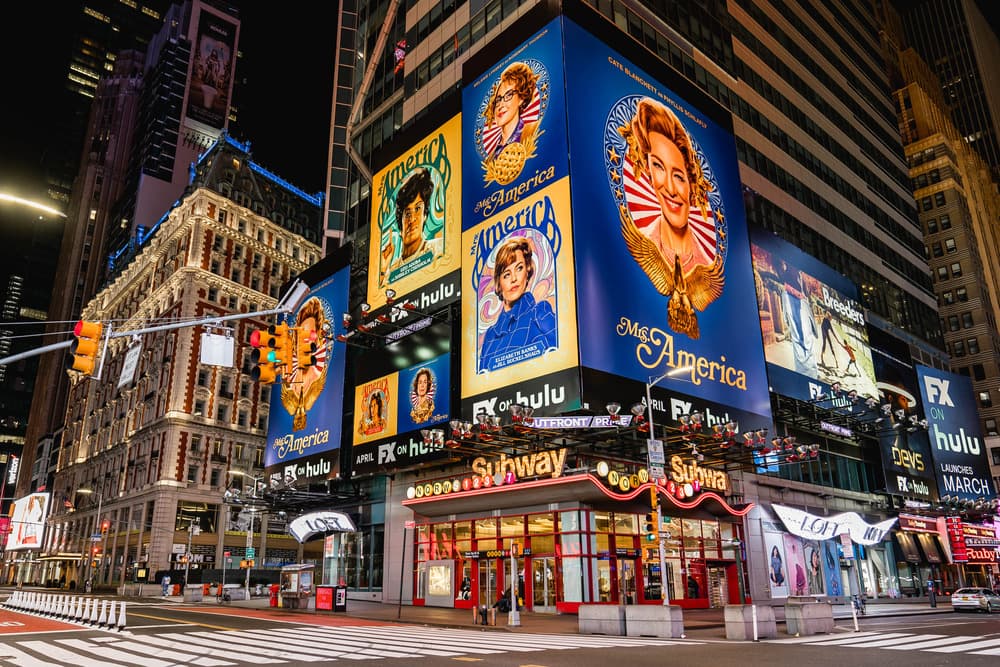
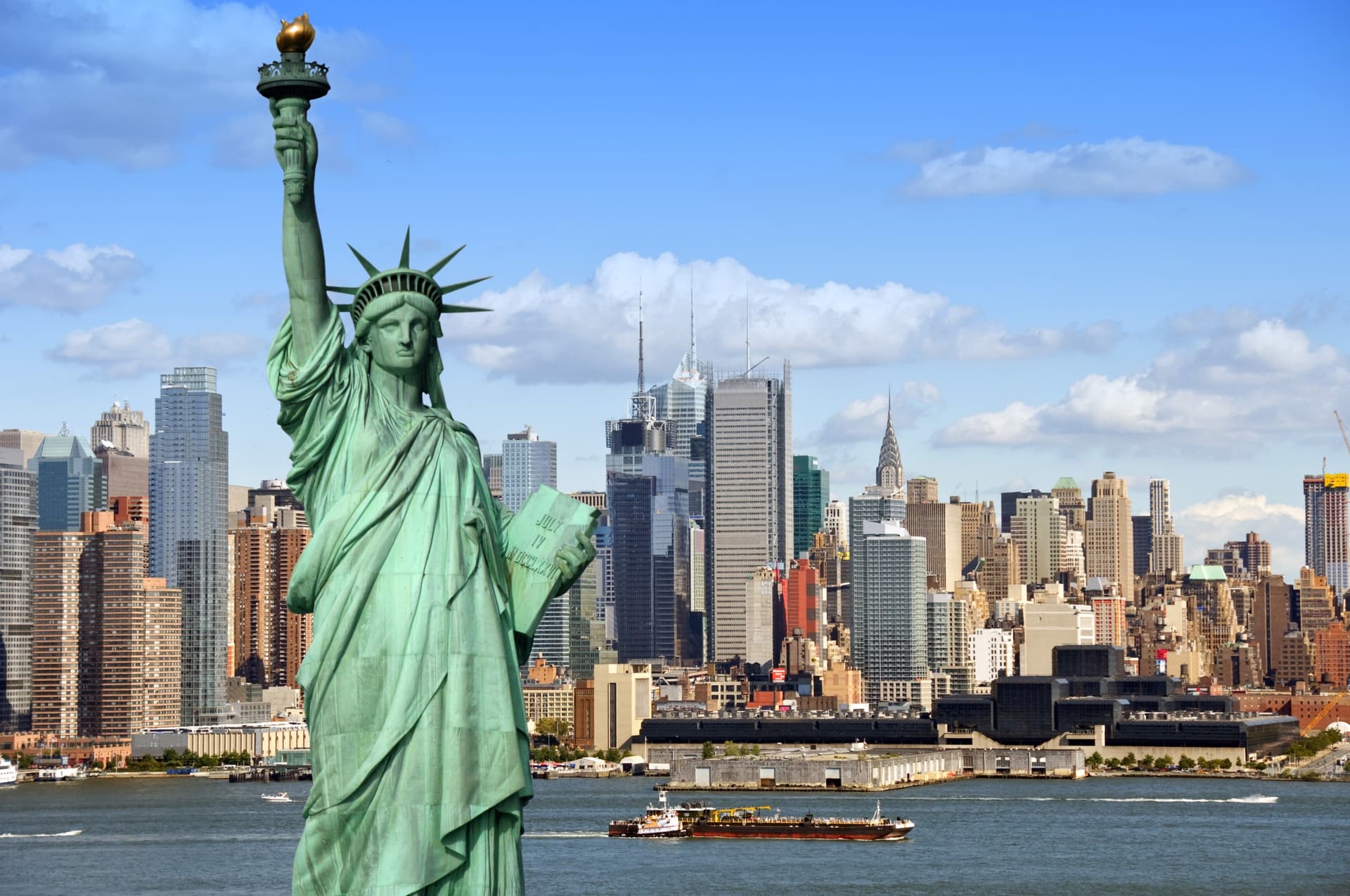
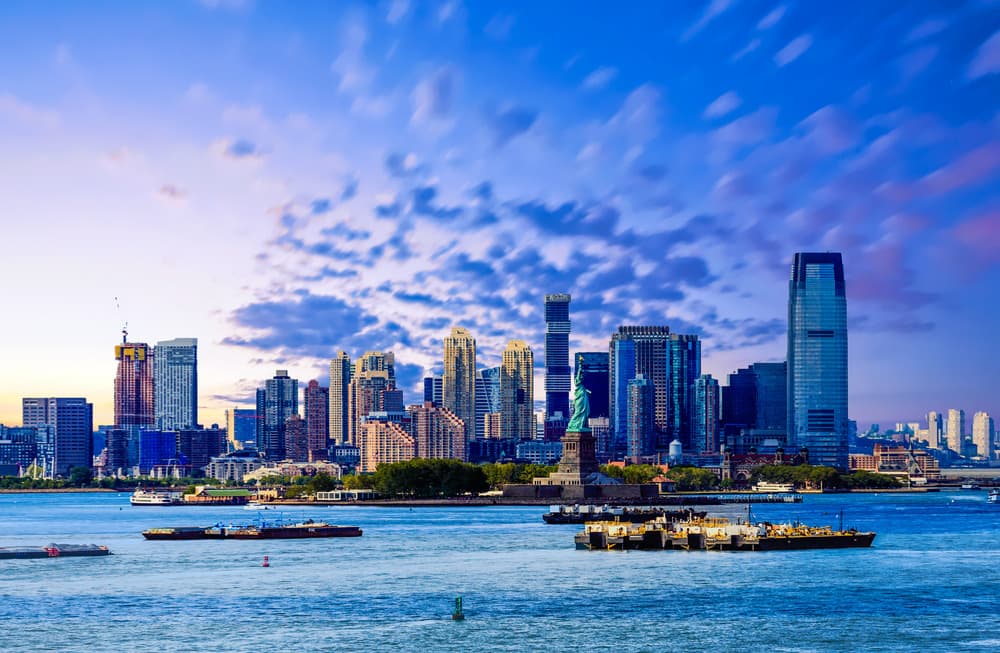
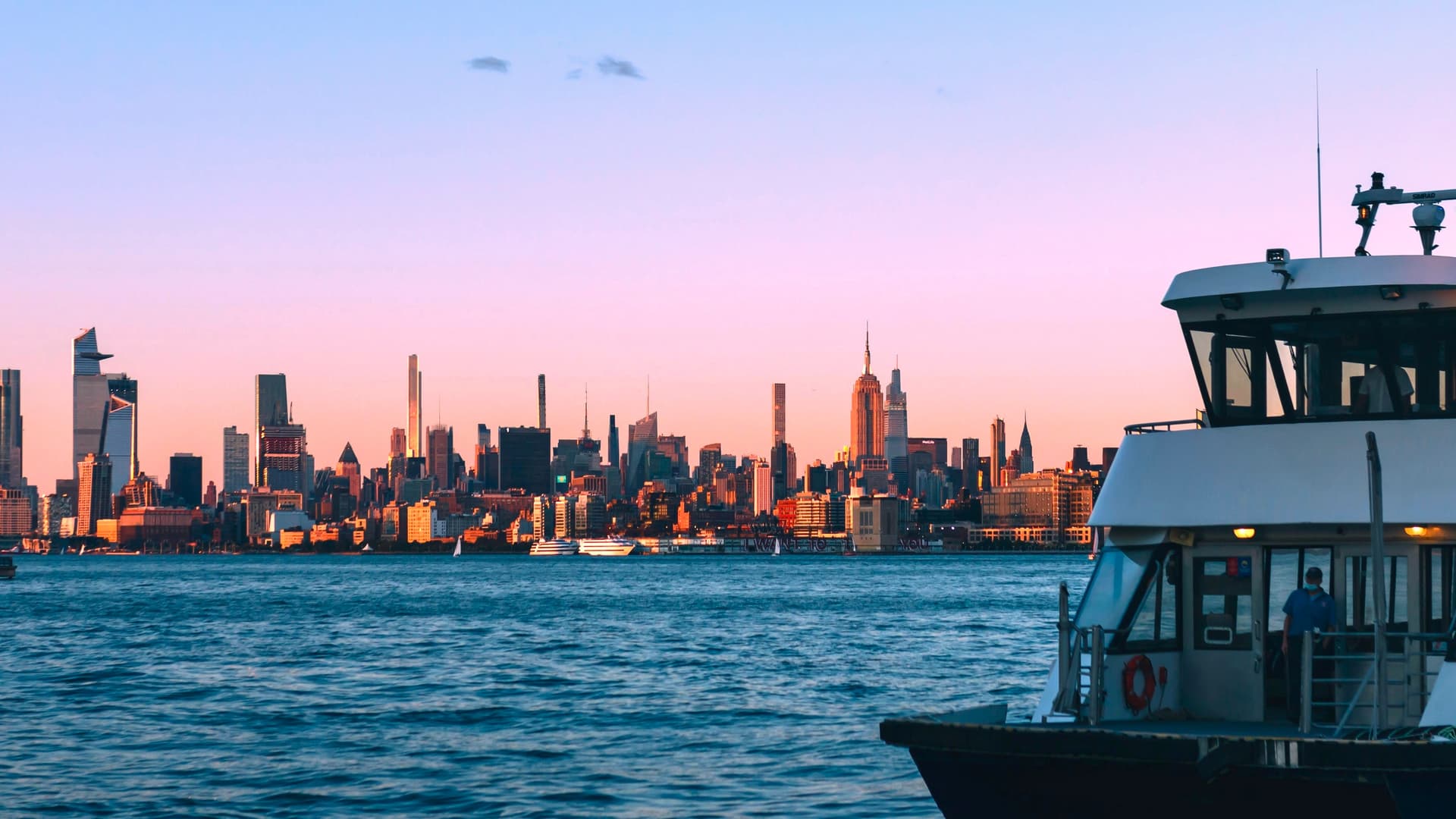
The cultural foundation is colonial and revolutionary. Boston preserves the Freedom Trail, a 2.5-mile red-marked route connecting 16 sites linked to independence, including the Old North Church and the harbor where the Boston Tea Party took place in 1773. Philadelphia houses Independence Hall and the Liberty Bell, where the Declaration of Independence was adopted. Washington concentrates federal institutions and nearly all Smithsonian museums, free of charge, from the National Air and Space Museum to the National Museum of African American History. New York plays a different tune: a city of immigration, financial and cultural capital, where you can move from a Lower East Side synagogue to Dominican tables in Washington Heights within an hour on the subway.
Beyond the four major cities, New England forms a world apart. Vermont has more dairy cows per capita than any other state, and its villages—Woodstock, Stowe, Manchester—retain their white churches with pointed steeples and wooden covered bridges. Coastal Maine, from the touristy south of Kennebunkport to Acadia National Park near Bar Harbor, lives off lobster: the fishing season peaks from June to October, and a lobster roll in a seaside shack costs between $20 and $30. New Hampshire and its White Mountains offer the only true peaks in the East, including Mount Washington (6,288 feet), renowned for recording one of the most violent winds ever measured at ground level.
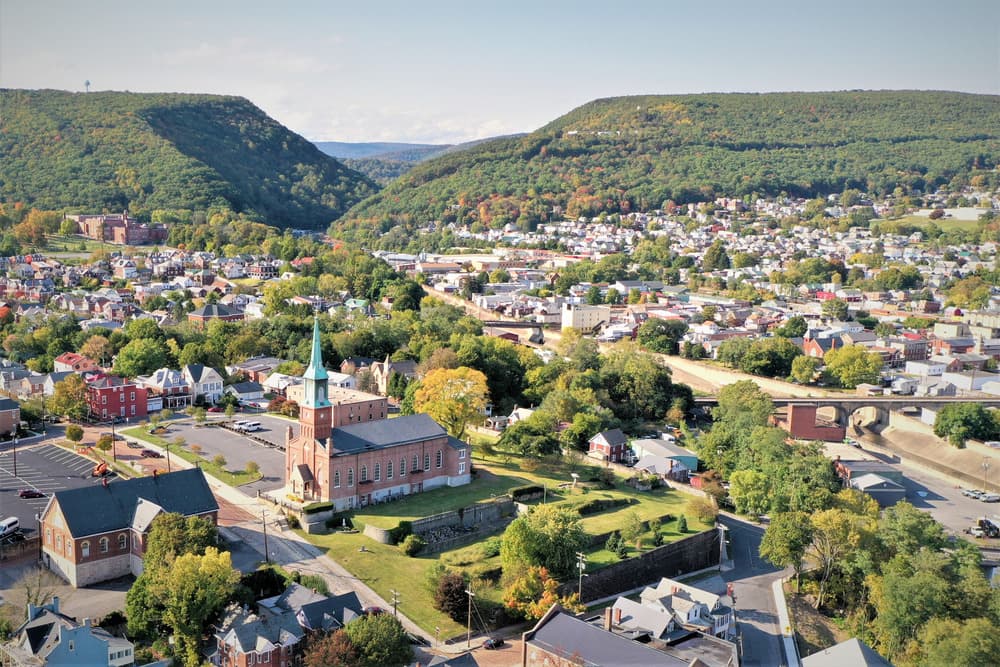
Further south, between New York and Washington, the geography shifts. The Hudson Valley lines historic estates (Kykuit among the Rockefellers, Franklin Roosevelt's mansion at Hyde Park) and organic farms that supply New York's tables. Rural Pennsylvania harbors the largest Amish community in the United States around Lancaster, where horse buggies still cross paths with pickup trucks. Chesapeake Bay, between Baltimore and the Virginia coast, is the country's largest estuary: blue crabs steamed and dusted with Old Bay seasoning are eaten from May to October.
The region's identity is also readable in its domestic architecture. The gray-shingled houses of Cape Cod, Brooklyn's brownstones, the red brick rowhouses of Philadelphia and Georgetown, the white-painted farmhouses of Vermont: each sub-region has its own architectural vocabulary, inherited from local materials and successive waves of immigration. We often direct our travelers toward bed and breakfasts installed in these buildings, rather than standardized hotel chains, to give the stay a texture often lacking in city centers.
On the culinary front, the East Coast is more than fast food. Boston champions its clam chowders and scrod (daily catch cod), New York its lox bagels inherited from Eastern European Jewish immigration and century-old Neapolitan pizzerias in Brooklyn, Philadelphia its cheesesteak and Reading Terminal Market, Washington an Ethiopian dining scene established around 9th Street since the 1980s. This culinary diversity is, for us, one of the best gateways to understanding the region.
Must-See
Fall foliage in New England. Between September 25 and October 15 depending on altitude, the forests of maples, birches and oaks in Vermont and New Hampshire turn red, orange and yellow. We organize 4 to 6-day driving loops through the Green Mountains and White Mountains.
Acadia National Park, Maine Coast. The only national park on the East Coast, on Mount Desert Island. Coastal trails, pink granite plunging into the Atlantic, and sunrise from Cadillac Mountain (1,530 feet), the first point in the United States touched by the sun for part of the year.
The Smithsonian in Washington. 19 free museums and galleries around the National Mall. Plan 2 to 3 full days to see 4 or 5 without saturation, alternating with memorials (Lincoln, Vietnam Veterans, Martin Luther King).
Lancaster County and the Amish. 1.5 hours west of Philadelphia, Mennonite and Amish farms where travel by buggy continues. Markets on Saturdays in Bird-in-Hand, quilting workshops and family-style dining tables, provided you respect the photography prohibition.
Brooklyn Beyond Manhattan. Williamsburg, Greenpoint, Red Hook, Crown Heights: neighborhoods where contemporary New York unfolds, between converted warehouses, Hasidic communities, Caribbean restaurants and views of the skyline from Brooklyn Bridge Park.
When to Go
We recommend two main windows. May and June offer long days, temperatures of 64 to 77°F in New York and Boston, and generous blooms (Washington's cherry blossoms late March to early April, rhododendrons in May). September and the first half of October combine stable skies, temperatures of 59 to 72°F, and from September 25 onward in northern Vermont and Maine, the first fall colors. It's peak leaf-peeping season: we book New England inns 6 to 9 months in advance.
To avoid: July and August in the cities, where humidity pushes the heat index above 95°F in New York and Washington, with frequent thunderstorms. Winter, from mid-December to mid-March, sees Boston regularly dip below 23°F with nor'easters that paralyze transportation, but remains practical for a short urban stay. Coastal Maine and rural Vermont close part of their offerings from November to April, except ski resorts (Stowe, Killington).
Practical Tips
We recommend a minimum of 10 days to combine two major cities and a rural escape, and 14 to 18 days for a complete Boston-New York-Philadelphia-Washington route plus a loop in New England or the Hudson Valley. The most flexible logistics entry point is New York (JFK and Newark airports), well connected to the entire coast by Amtrak train or car. Boston Logan is relevant if you start from the north, Washington Dulles if you head north. A car becomes necessary once you leave the BosWash corridor: we never take it to cross Manhattan, but systematically for Vermont, Maine, or Lancaster County.
The region logically combines with Florida and the Southeast (direct flights from New York or Washington, 2.5 to 3 hours) for a winter-sun contrast, or with the Deep South (New Orleans, Charleston, Savannah) to continue the historical thread. For travelers with 3 weeks, a sequence of East Coast then West Coast remains classic, with a domestic flight of 5 to 6 hours. Comfort levels are high everywhere: boutique hotels, characterful B&Bs and large short-term rental homes. The East Coast suits urban contemplatives, history and architecture lovers, families with teenagers (museums, parks, US sports), and travelers sensitive to fall landscapes. Serious hikers will find more to explore in the Rockies or parks of the West.