California
A symbol of the American dream, California fascinates with its blend of glamour, wild nature, and innovation. From the palm trees of Beverly Hills to the startups of Silicon Valley, from national parks to golden beaches, it offers a unique experience where everything seems possible.
A symbol of the American dream, California fascinates with its blend of glamour, wild nature, and innovation. From the palm trees of Beverly Hills to the startups of Silicon Valley, from national parks to golden beaches, it offers a unique experience where everything seems possible. Ready to experience the California epic? Discover its best tourist attractions in this travel guide.
California, a world apart in the États-Unis
Nicknamed the "Golden State," California stands out as no other American territory through its exceptional diversity. The world's fifth-largest economy if it were an independent nation, it possesses such a strong cultural identity that one might speak of an almost separate nation. From San Francisco to Los Angeles, passing through the Mojave Desert, this state represents in itself all the extremes of the États-Unis.
What makes California particularly remarkable is its incomparable blend of cultures: birthplace of the hippies in San Francisco, epicenter of world cinema in Hollywood, and temple of technological innovation in Silicon Valley. But beyond its cultural diversity, the state also surprises with its geographical contrasts: it is home to both the lowest point in North America, Badwater Basin (−86 m), and the highest mountain in the contiguous États-Unis, Mount Whitney (4,421 m), separated by only 136 km as the crow flies!
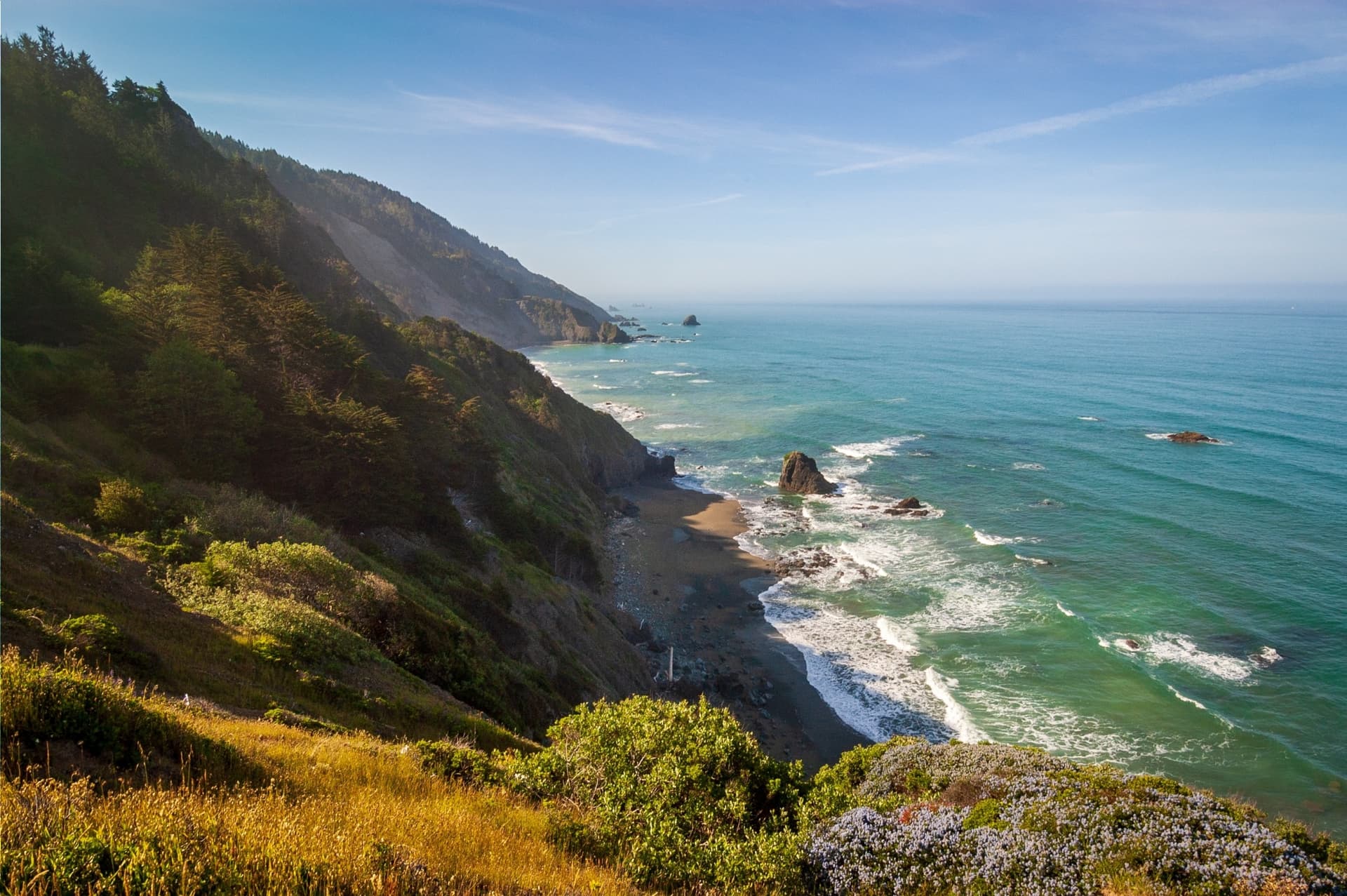
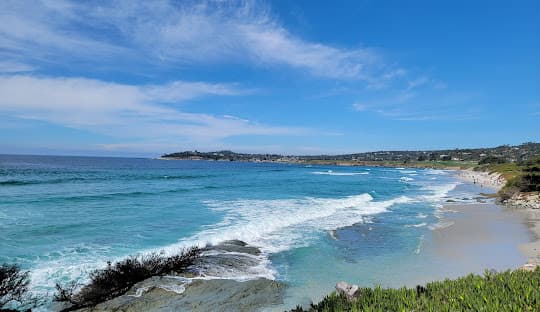
Another fascinating peculiarity: California boasts more than 800 km of coastline along the Pacific, where paradisiacal beaches and spectacular cliffs like those of Big Sur converge. It is no coincidence that the "California dream" continues to attract millions of visitors and new residents each year, making this state the most populous in America.
Its history in brief
California was once far more than just a simple state. It was formerly a vast region encompassing the entire Mexican peninsula and territories today distributed between Nevada, Arizona, Utah, and Wyoming.
These lands, first inhabited by more than 100 Native American tribes, welcomed the first European explorers such as João Rodrigues Cabrilho in 1542. The region subsequently came under Spanish control in 1769, before becoming Mexican in 1821.
California's true transformation began with the Gold Rush of 1848, attracting thousands of gold seekers and transforming San Francisco into a dynamic metropolis. In 1846, a group of American immigrants proclaimed the birth of the California Republic, also known as the "Bear Flag Republic." This brief independence ended with California's admission to the États-Unis in 1850, becoming the 31st state.
The twentieth century marked a decisive turning point, with the opening of the Panama Canal in 1914, which energized the Los Angeles port, and the discovery of oil, which propelled the regional economy. The establishment of cinema giants in Hollywood, combined with industrial advances during World War II, made California a major player in the global economy.
Today, California is a crossroads between culture, nature, and high technology, a place where the dream of the West continues with each new innovation. Nevertheless, the state does not escape certain challenges, such as its frequent earthquakes, due to the meeting of tectonic plates, as well as social tensions that shape its contemporary history.
What to see and do in California?
1. Natural heritage
- The majestic giant sequoias
These giants, 90 meters tall, are the largest trees in the world. Discover them in the national parks of Sequoia and Kings Canyon. You can also spot Mount Whitney, the second-highest peak in the États-Unis.
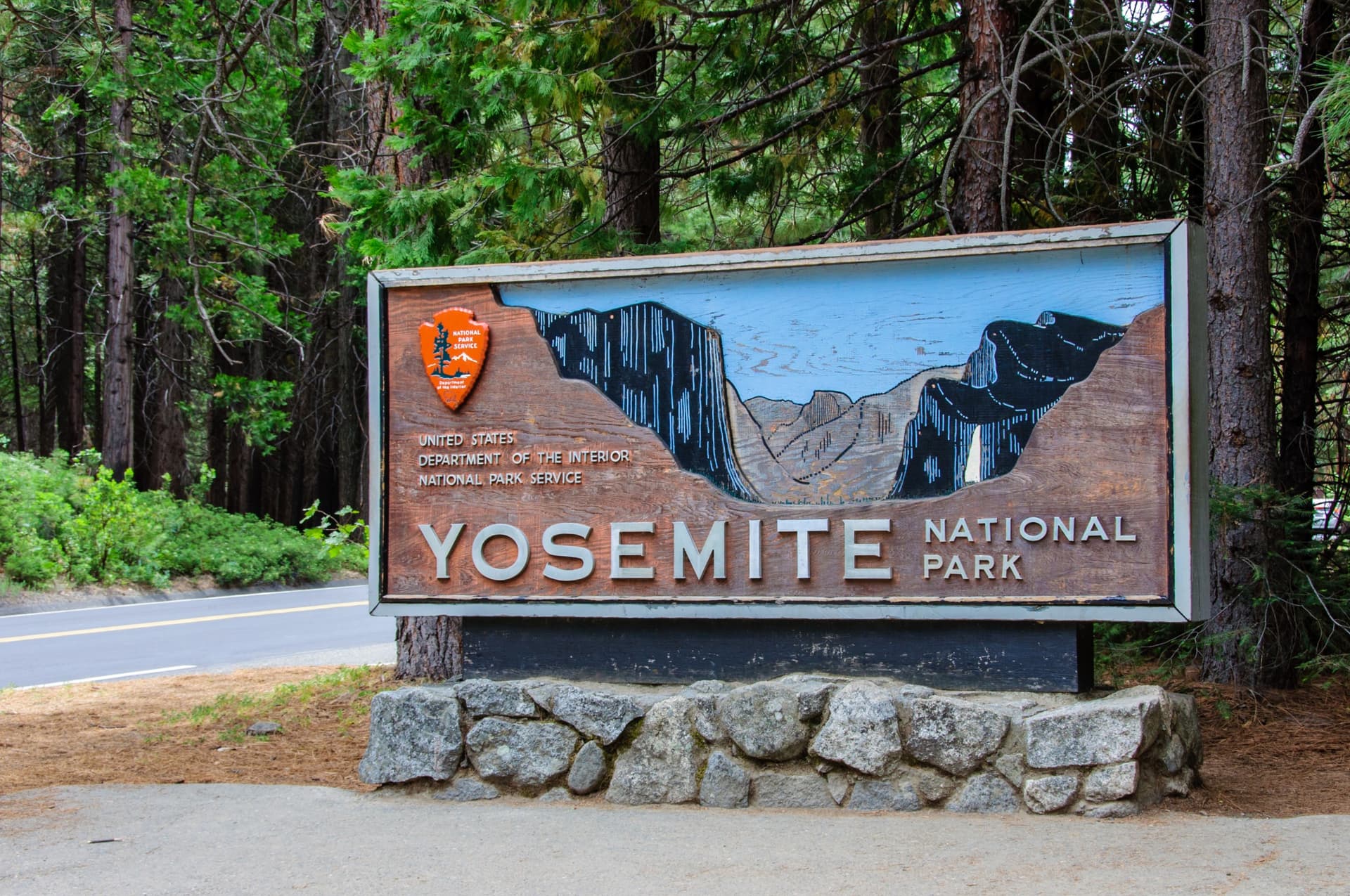
- Yosemite National Park
Yosemite National Park is a popular hiking destination located in the northwestern part of the state. Granite ramparts, watercourses, mountain lakes, and tumultuous waterfalls compose a grandiose landscape. Yosemite Falls, Half Dome, and El Capitan are its main attractions.
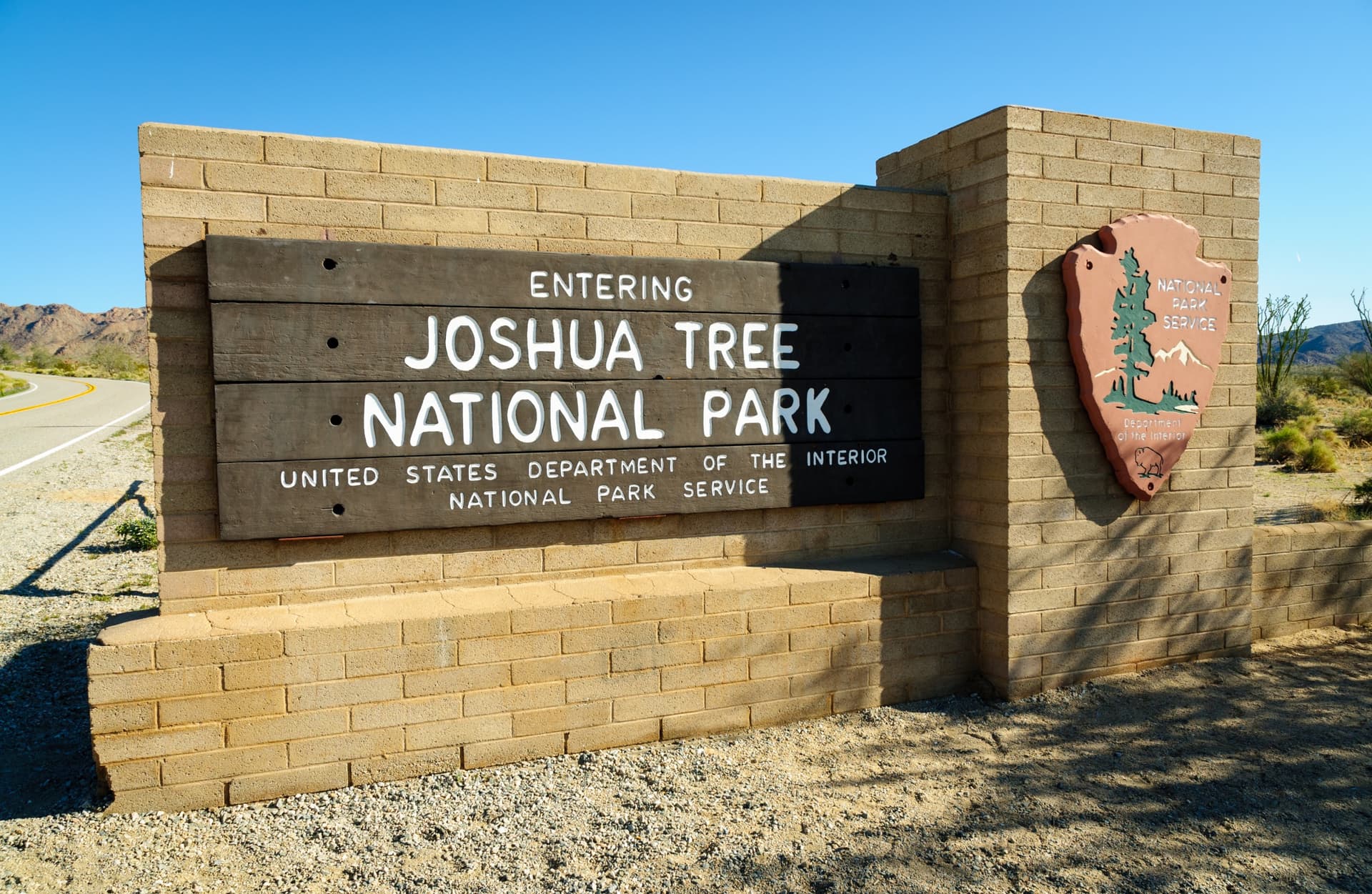
- Joshua Tree National Park
This park is renowned for its unique desert landscapes, spectacular rock formations, and famous Joshua trees. Easily accessible from Palm Springs, it is a popular spot for hiking, climbing, and stargazing.
- Death Valley
Death Valley is one of the most inhospitable places in the États-Unis. It fascinates with its extreme landscapes: sand dunes, salt lakes, and rock formations. Here you will find Badwater Basin, the lowest point in North America.
2. Architectural and urban heritage
- The Golden Gate Bridge
If you only visit one monument in San Francisco, head to the Golden Gate Bridge. It spans a channel through which San Francisco Bay flows into the Pacific Ocean. Pedestrians, cyclists, and drivers are all welcome. The spectacle is divinely beautiful when the gleaming red span stands out against the sea or emerges from the morning mist.
- The Alcatraz Federal Penitentiary
Infamous for the criminal records of its inhabitants, including Al Capone, the Alcatraz Island promises an exciting escape. An audio guide allows you to hear the confessions of prisoners, the details of their daily life, the carefully planned escape attempts and countless foiled breakouts... The view of the Golden Gate Bridge and San Francisco Bay is truly worth it.
- Hearst Castle
Hard to miss this curious castle perched on a hill 400 meters high. It sits on the route between Los Angeles and San Francisco. Seat of a wealthy barondom, the castle pleases with its composite architecture, but the breathtaking view of the sea and the Santa Lucia range is its main asset.
- Bodie
Bodie, in the eastern Sierra Nevada, transports you to a past frozen since the end of the Gold Rush. This ghost town preserved in a state of organized abandonment offers exceptional testimony to daily life in a 19th-century mining town. The dusty streets lined with dilapidated wooden buildings, the abandoned schoolhouse with intact desks, the saloon with bottles still lined up, and the silent church compose an authentic setting where the soul of the gold seekers lingers.
3. Museums and amusement parks
- Disneyland Park
Located in Anaheim, southeast of Los Angeles, Disneyland has been a premier family destination since its opening in 1955. From the Enchanted Kingdom to Pirates of the Caribbean, from Indiana Jones Adventures to thrilling rides, children will find their happiness.
- Hollywood movie studios
Highly favored by tourists, the Hollywood cinema park is an ideal destination if you're traveling with teens, those young people aged 6 to 16 who swear by movies. The program includes rides, roller coasters, and guided studio tours. They'll love it!
- Monterey Bay Aquarium
If you're interested in fish science or marine creatures, as well as the study of American shorebirds, don't hesitate to visit the site. The Monterey Bay Aquarium is one of the largest in the world.
4. Cities to explore
California is not just about breathtaking landscapes and iconic attractions. Its cities, vibrant and eclectic, are destinations in their own right.
- Los Angeles
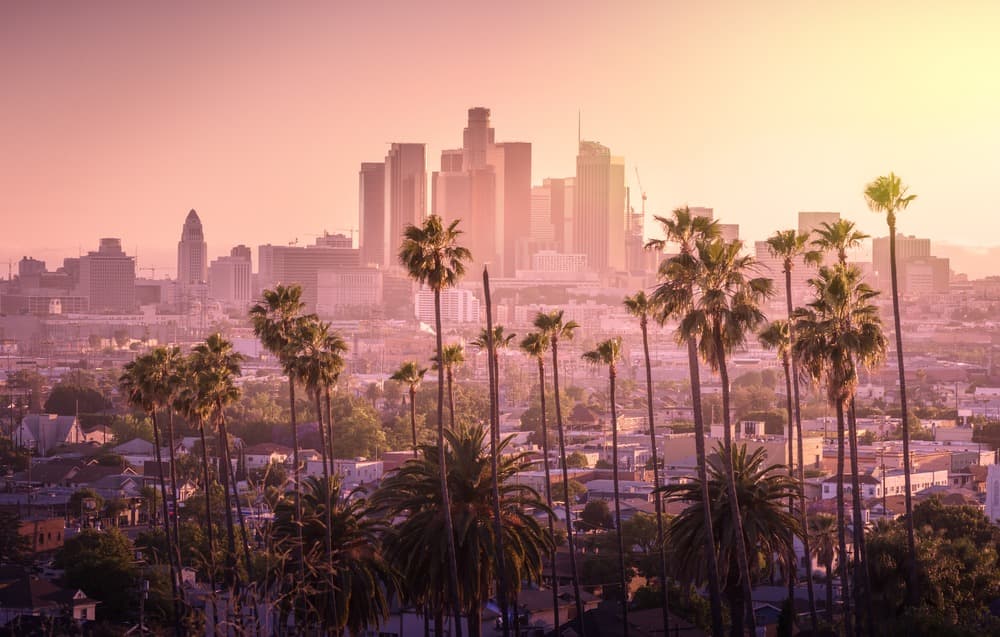
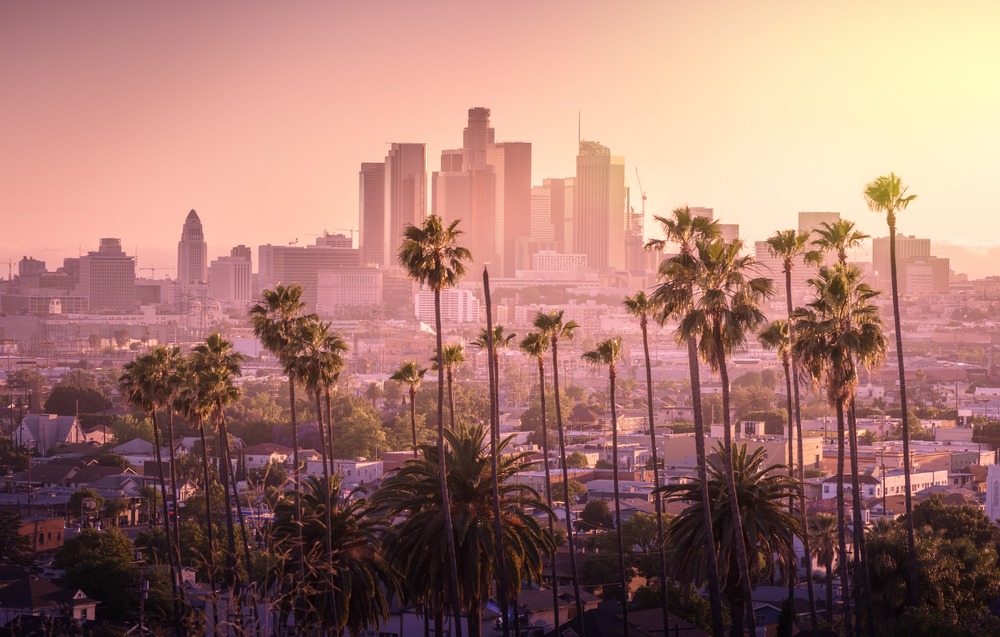
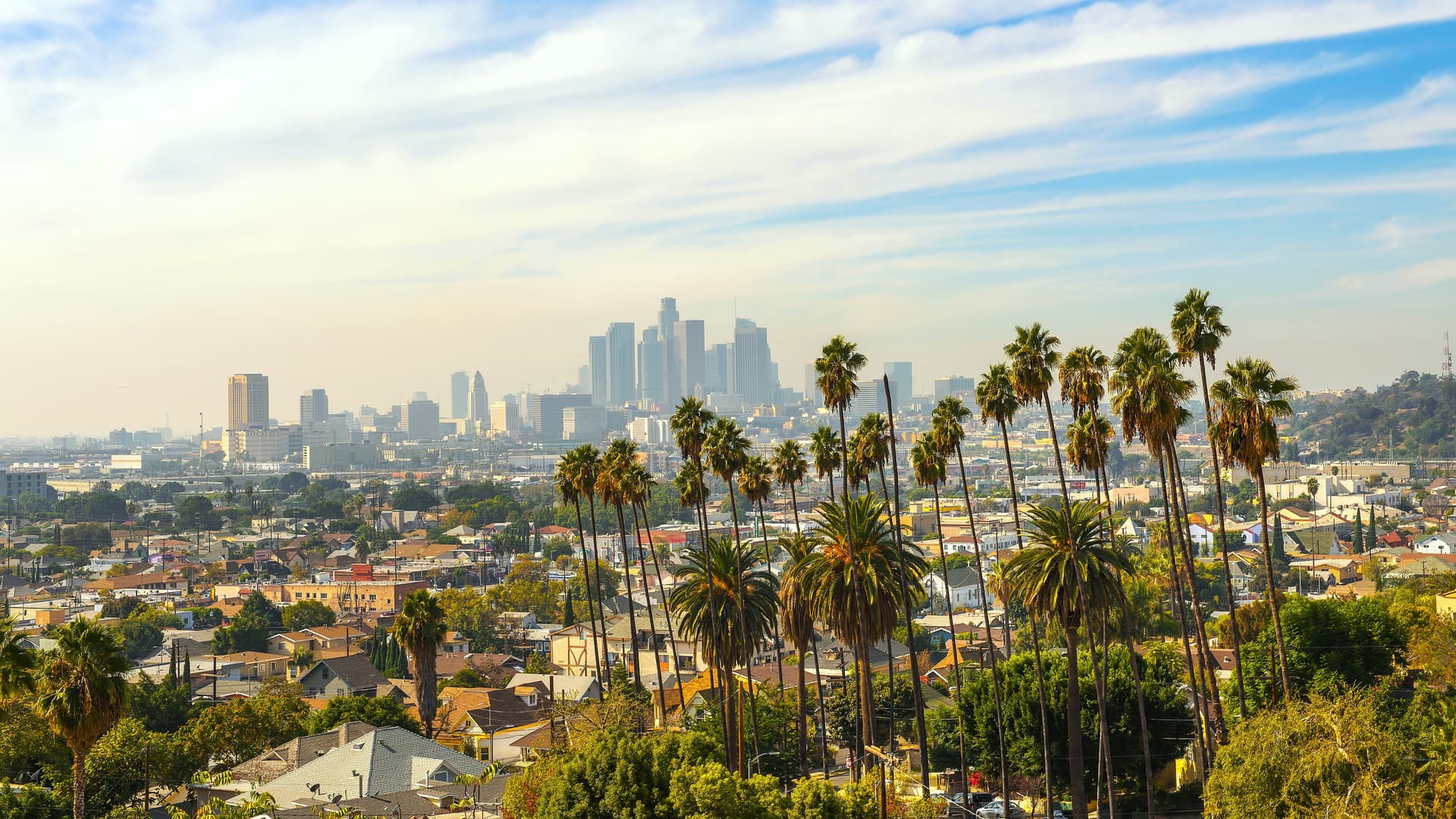
The glittering megalopolis, where Hollywood dreams and urban reality meet, offers far more than film studios. Discover Venice Beach and its street artists, the Getty Center and its impressive art collection, or the 200 food trucks that make LA the capital of food truck culture.
Did you know? The city has more museums than any other American city.
- San Francisco
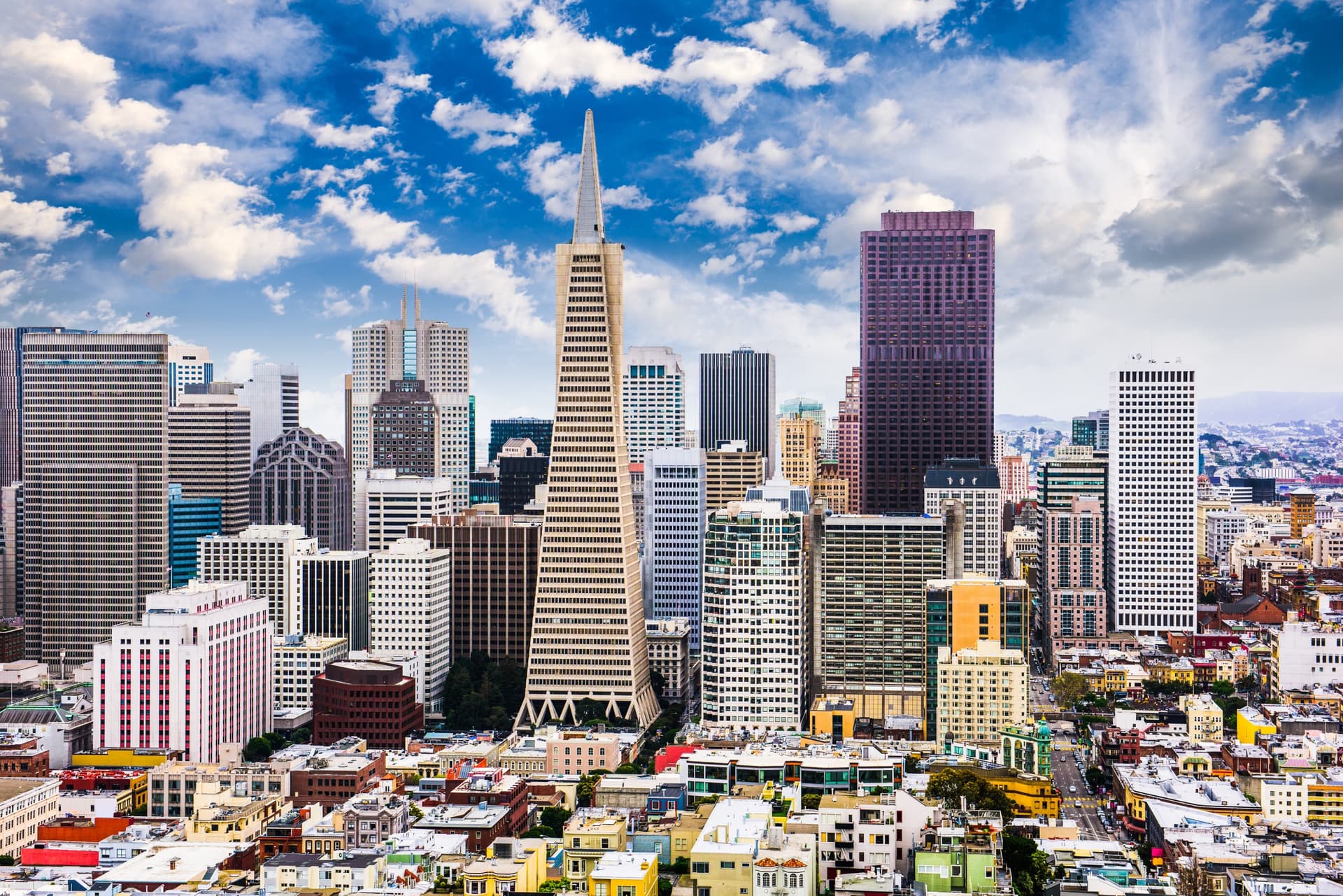
The city of hills and cable cars will seduce you with its bohemian and high-tech charm. Between the hippie neighborhood of Haight-Ashbury, the Victorian houses of Alamo Square, and the starred restaurants of the Financial District, San Francisco blends contrasts with elegance. Don't miss the view from Twin Peaks at sunset.
- San Diego
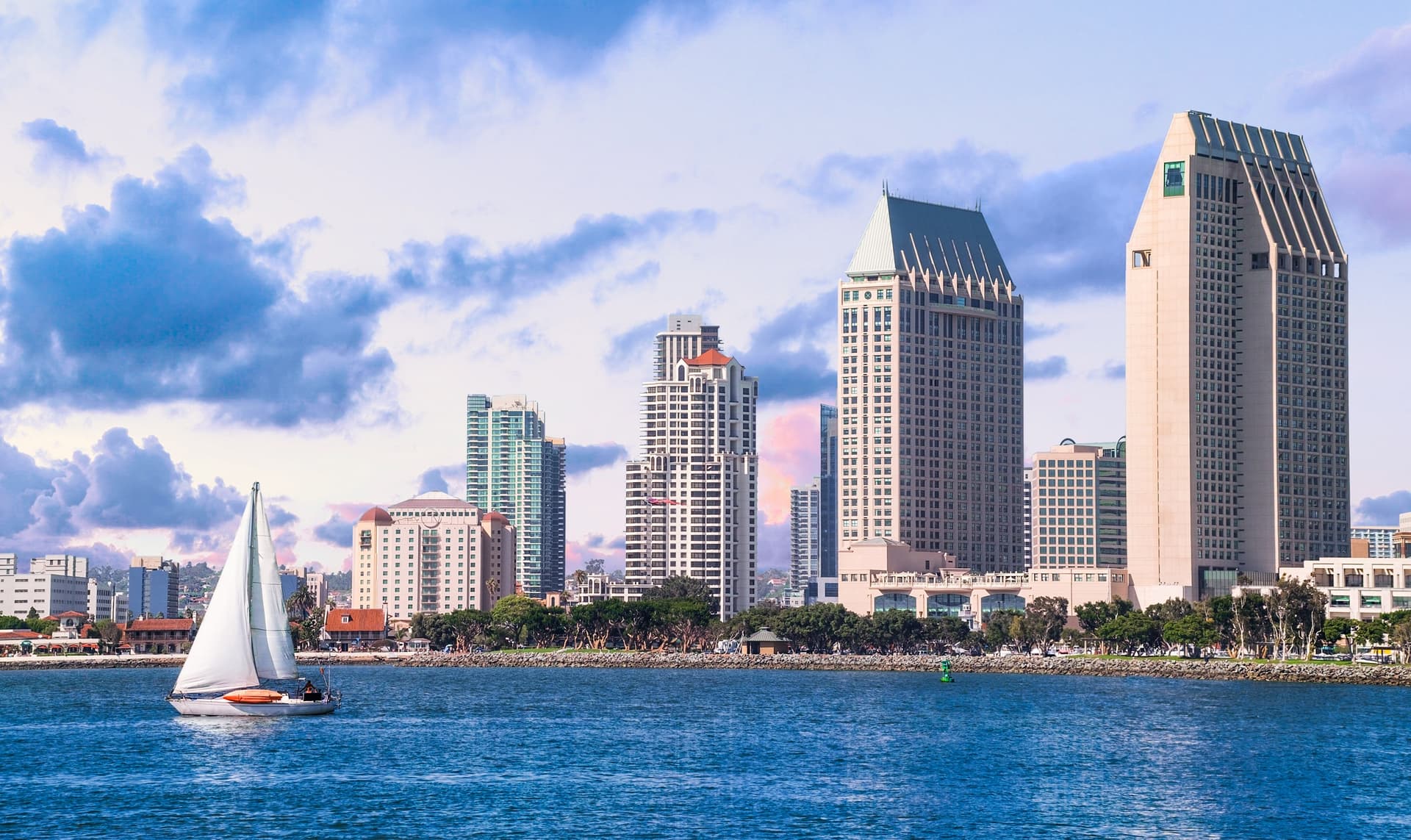
Beyond its pleasant year-round climate, this border city with Mexico is home to magnificent beaches like La Jolla Cove, a legendary zoo, and a fascinating maritime museum. The Gaslamp Quarter comes alive at night with its numerous bars and animated clubs.
- Santa Barbara
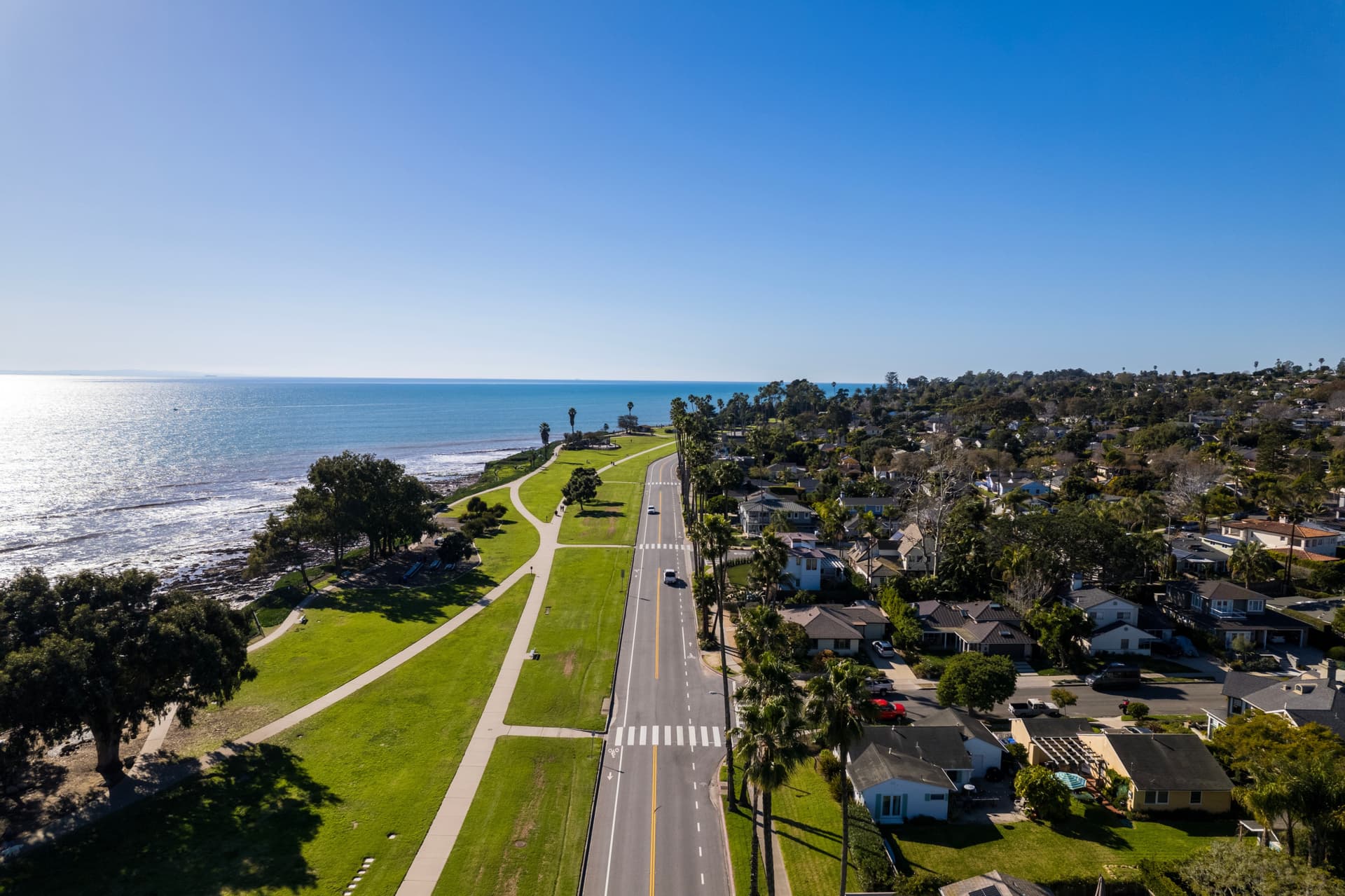
Nicknamed "America's Riviera," this coastal city combines Spanish elegance with California sweetness of life. Its historic missions, renowned vineyards, and famous State Street make it a refined stop. The 78-hectare botanical garden is a true jewel.
- Napa Valley
A paradise for wine lovers, this valley is home to more than 400 wineries, some among the world's most prestigious. Wine roads wind through hills covered with vineyards and remarkable architectural estates. Must-see: the Napa Valley Wine Train, a private tourist train connecting Napa to St. Helena.
- San Jose
The beating heart of Silicon Valley, this modern city houses the Tech Museum of Innovation and the Winchester Mystery House. Its dynamic downtown is filled with starred restaurants and contemporary art galleries. Alum Rock Park offers a natural escape just steps away from technological hustle and bustle.
- Fresno
Gate to Yosemite and Kings Canyon national parks, this agricultural city is California's breadbasket. Its contemporary art museum (Fresno Art Museum) and the lively Tower District will surprise visitors. The Fresno County Blossom Trail in spring is a stunning natural spectacle.
Practical information
Where is California located?
California is located on the west coast of the États-Unis and stretches between the Pacific Ocean and the Sierra Nevada mountains. It shares borders with Oregon to the north, Nevada to the east, Arizona to the southeast, and Mexico to the south.
Air traffic is shared between Los Angeles Airport and San Francisco Airport. Finding a flight to Los Angeles is easier, with several weekly flights available from France. Plan for approximately 12 hours for a direct flight, versus 15 to 16 hours for a connecting flight. The most active airlines on this route are Air France, Lufthansa, British Airways, and KLM.
As for transportation, Californians have a strong car culture. Private car rental is the norm, even though the metro and streetcar benefit from an extensive network.
What is California's climate?
California experiences three distinct climate zones: the coastal and central areas have a Mediterranean climate, the southeastern part of the state is exposed to extreme heat (up to 57° C), while the mountainous north approaches polar regions. Take advantage of the mildness of spring (March to May) and fall (October to November) to visit it.