Tulsa
Tulsa
From Black Wall Street to Route 66, Tulsa unveils a lesser-known America, blending Art Deco heritage, vibrant music scene, and expansive urban parks.
Looking to explore a lesser-known facet of the États-Unis, far from major tourist destinations like New York and Los Angeles? Add Tulsa to your itinerary—a gem nestled in Oklahoma, in the south-central region of the country. Tulsa will charm you with its rich oil-boom heritage and stunning Art Deco architecture, alongside its distinctly American atmosphere. The site of a 1921 racial uprising against the Black community, the city also bears witness to this dark chapter of its history through landmarks like Black Wall Street and the Greenwood Rising Museum. Discover its must-see attractions in this guide.
Tulsa: Memory and Modernity in the Heart of Oklahoma
Neighboring Oklahoma City, Tulsa is the second-largest city in Oklahoma, with a population of 413,066 in 2020. Its history begins long before European settlers arrived—it was once home to Native American peoples, including the Creeks, forcibly displaced in the 19th century during the Trail of Tears.
In the early 20th century, Tulsa experienced explosive growth following the discovery of vast oil reserves. It quickly became the "Oil Capital of the World," attracting investors and industry magnates. This golden age left behind a magnificent Art Deco heritage, visible throughout its iconic buildings.
But Tulsa also bears the scars of a painful past. In 1921, the historic Greenwood neighborhood, nicknamed Black Wall Street, witnessed one of the worst racial massacres in American history. That year, the district's Black residents and businesses suffered a devastating attack by White mobs. The toll: 36 deaths, over 800 injured, and more than 10,000 Black residents left homeless due to fires that ravaged the district.
Today, Tulsa blends tradition with modernity. With its museums, festivals, vibrant music scene, and expansive green spaces like the Gathering Place, it captivates visitors seeking an authentic and often-overlooked America.
What to Do During Your Tulsa Visit?
1. Explore the Greenwood District and Black Wall Street
Visiting Tulsa without discovering the Greenwood District is unthinkable. Once one of the most prosperous African-American neighborhoods in the États-Unis, today the Greenwood Rising Museum offers a moving immersion into the 1921 massacre and the community's remarkable resurrection. A stroll along Black Wall Street lets you admire powerful murals and visit local boutiques that preserve the neighborhood's legacy.
2. Marvel at Downtown Art Deco Architecture
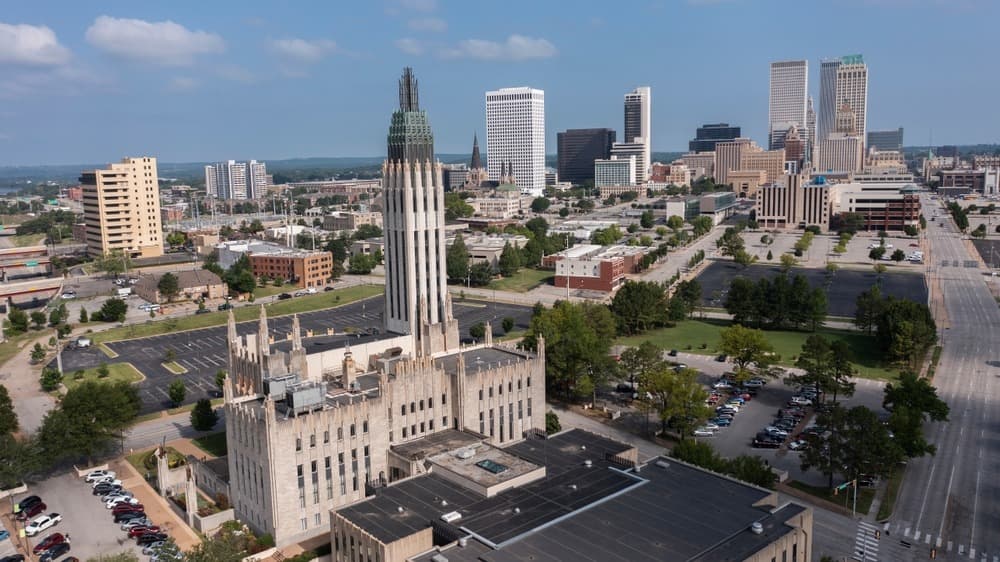
Tulsa boasts one of the finest Art Deco ensembles in the country. Wander through downtown to admire masterpieces like the Boston Avenue Methodist Church, the Philcade Building, and the Mayo Hotel.
3. Immerse Yourself at the Philbrook Museum of Art
Housed in a former oil magnate's palatial villa, the Philbrook Museum of Art unites European, Native American, and contemporary art within a sumptuous setting. Don't miss the breathtaking Italian gardens, perfect for a leisurely escape.
4. Discover Woody Guthrie and Bob Dylan's Legacies
Music lovers will relish the Woody Guthrie Center, dedicated to the legendary folk singer and his political activism. Just nearby, the Bob Dylan Center showcases never-before-seen archives of the iconic musician, offering a fascinating glimpse into his creative process.
5. Enjoy the Green Spaces of Gathering Place
Named among the best urban parks in the États-Unis, Gathering Place is a vast riverside haven along the Arkansas River featuring playgrounds, walking trails, and water activities. It's the ideal spot for a family outing or moments of peaceful retreat.
Other noteworthy parks include Woodward Park, Expo Square, Gilcrease Gardens, Fortune Park, Lendonwood Gardens, and the Oklahoma Centennial Botanical Gardens.
6. Journey Along Route 66 and Admire the Golden Driller
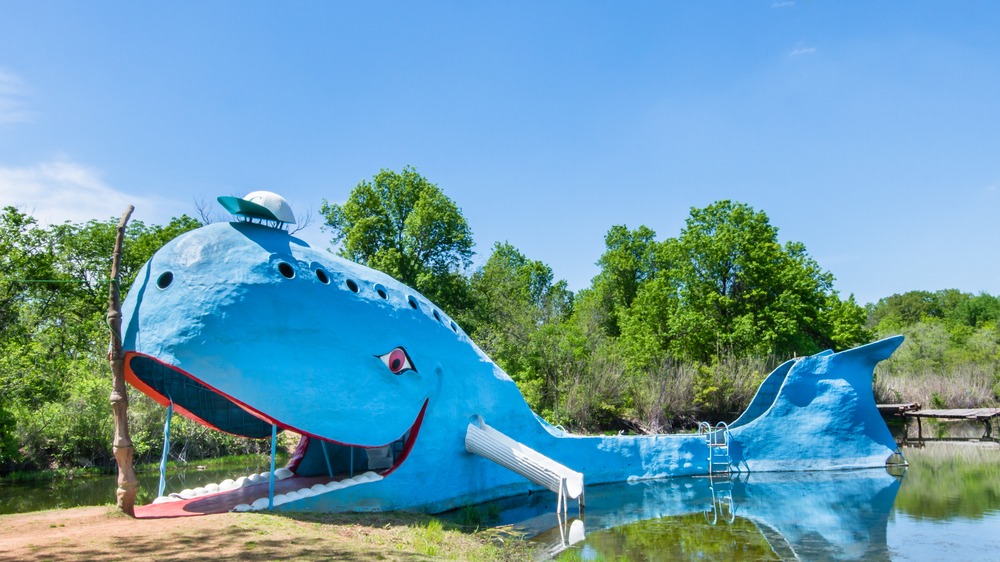
Tulsa is a pivotal stop on Route 66, and numerous sites celebrate this legendary American highway. Don't miss the Meadow Gold Sign, retro diners, and most notably the Golden Driller—an iconic 75-foot statue of an oil worker.
7. Savor the City's Food and Nightlife Scene
Tulsa brims with artisanal restaurants and breweries. For an authentic local experience, try Texas-style barbecue, a steakhouse, or chicken fried steak—quintessential Oklahoma fare. In the evening, head to the Brady Arts District, where craft cocktail bars and live music venues bring the night alive.
When Should You Visit Tulsa?
Visit Tulsa in spring (March–May) or fall (September–November) to enjoy pleasant weather and festivals like Mayfest or the Tulsa State Fair.
Tulsa International Airport welcomes daily flights from major US cities including Dallas, Denver, and Chicago. American Airlines and United Airlines offer frequent connections.
For travelers preferring the road, Greyhound and FlixBus serve Tulsa with fares starting at $25 from Oklahoma City—roughly a 2-hour journey.
Driving remains a convenient option via Interstate 44, which connects Saint Louis to Tulsa in 6 hours. From Dallas, allow 4 hours via Interstate 75. Downtown parking is readily available at reasonable rates.
Want to discover this destination?
Our local advisors design your tailor-made trip.