Salt Lake City
Salt Lake City
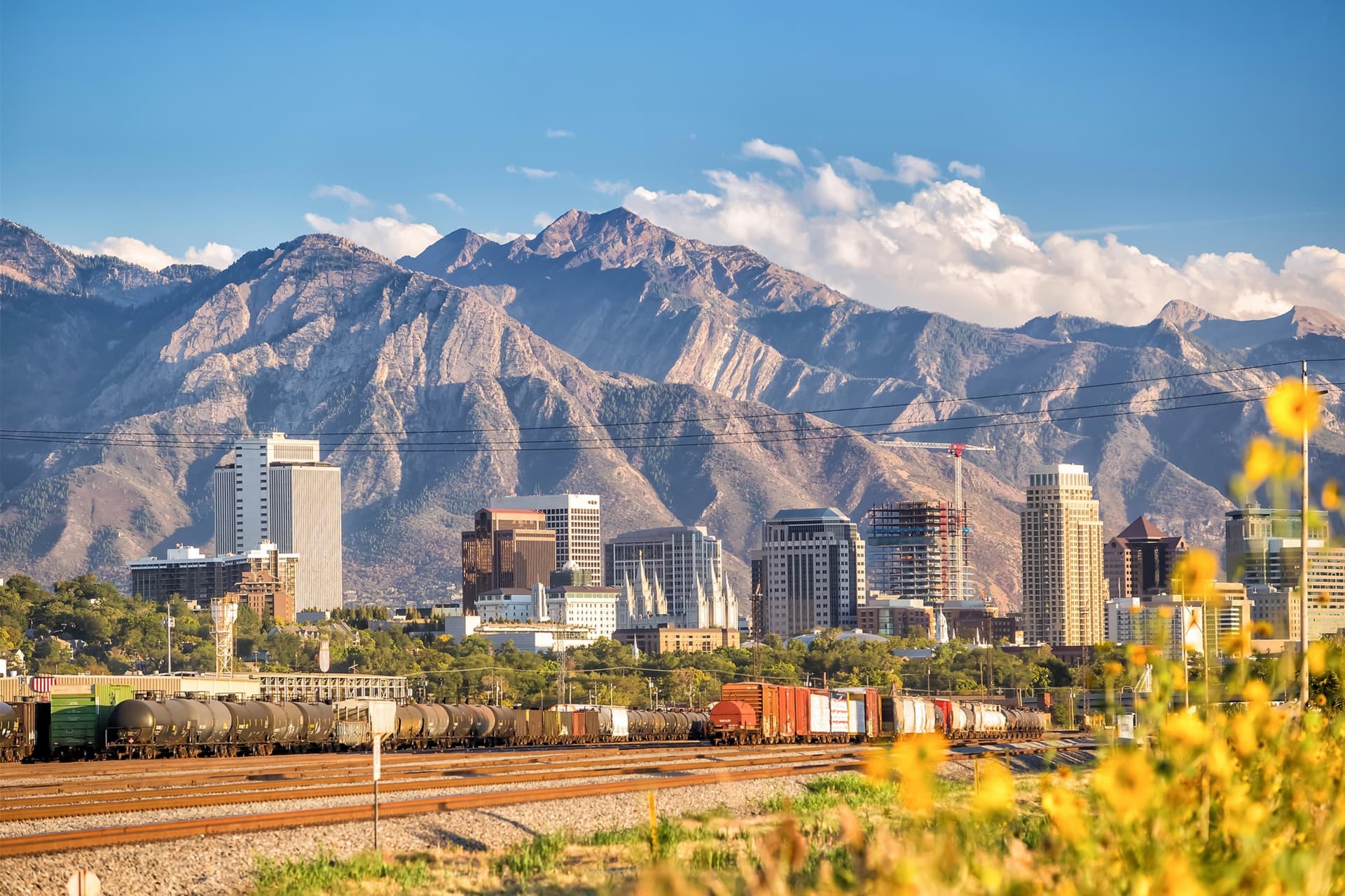
Between Mormon heritage, the Wasatch Mountains, and salt deserts, Salt Lake City is the ideal gateway to exploring the American West and Utah.
Founded in 1847, this metropolis of nearly 200,000 inhabitants, approximately 50% of whom are members of The Church of Jesus Christ of Latter-day Saints, has proven adept at embracing outside influence. In just a few years, it has become a sought-after destination thanks to its high standard of living, economic dynamism, cultural offerings, and unique landscapes stretching across mountains, lakes, and salt deserts.
Getting to Know the City
A glimpse into local history
Salt Lake City's history is deeply intertwined with that of the early Mormon settlers led by Brigham Young. They chose to establish themselves near the Great Salt Lake for its fertile soil, fresh water supply, and climate conducive to agriculture. They designed the city according to a grid plan, with Temple Square at its center. Downtown remains the historical, cultural, and commercial heart of Salt Lake City.
The city's history was marked by tensions with Native American and Mexican communities, and conflicts such as the Utah War. Internal issues related to polygamy drew considerable media attention until its abandonment by The Church of Jesus Christ of Latter-day Saints in 1890.
Over time, outside influence—particularly through the arrival of the railroad—contributed to the city's openness to other cultures, languages, and cuisines. In 2002, the city hosted the Winter Olympics, which proved both a popular and sporting success.
Gastronomy
Food enthusiasts will be delighted to discover culinary specialties reflecting the city's rich gastronomic heritage. From traditional Mormon dishes such as funeral potatoes and Jello salad to international fare like Vietnamese pho, Indian curry, Mexican burritos, and Japanese sushi, Salt Lake City offers a varied culinary palette. Local beers such as Wasatch, Squatters, and Uinta, along with coffee, are integral to the gastronomic experience.
Popular sports
For sports and outdoor enthusiasts, Salt Lake City offers countless opportunities:
Mountain resorts within an hour's drive provide skiing, snowboarding, sledding, and ice skating.
Nearby natural parks allow for hiking, biking, climbing, and kayaking.
Basketball, football, baseball, and hockey games enable residents to support local teams such as the Jazz, Real, Bees, and Grizzlies.
Ecological spaces
Driven by environmental concerns, the city's leaders and residents have adopted a climate plan aimed at reducing greenhouse gas emissions, increasing the share of renewable energy, and improving air quality.
Green spaces such as Liberty Park, Red Butte Garden, and Tracy Aviary offer residents peaceful natural retreats. Civic initiatives such as the Farmers Market and Bike Share also contribute to environmental preservation.
Treasures to explore throughout the city
Salt Lake City owes its name to the Great Salt Lake, located approximately thirty kilometers west of the city. This lake is the largest salt lake in the world, covering more than 4,000 km². It is also among the saltiest, with an average salt concentration of 12%, compared to 3% for the oceans. This means you can float effortlessly on its waters, much like the Dead Sea. The lake also serves as a refuge for numerous migratory bird species, including pink flamingos, pelicans, and gulls.
Among the city's must-see attractions, Temple Square stands out as an iconic location, representing the spiritual and historical heart of the Mormon community. This sacred space houses the Salt Lake Temple, the Tabernacle, and the Assembly Hall.
The Utah State Capitol, built between 1912 and 1916, offers a majestic experience with its grandiose interiors, while the Utah Museum of Natural History comprehensively presents regional fauna, flora, geology, and history.
The city's cultural diversity is highlighted at the Salt Lake Art Museum, showcasing works from the nineteenth century to the present day, as well as at the Capitol Theatre, a venue for diverse artistic performances. The Sundance Film Festival, held every January, is the largest independent film festival in the world.
Choosing the best time to visit
Under winter's magic, the season offers winter sports enthusiasts the opportunity to enjoy snow and skiing at mountain resorts ranked among the world's finest. The cold, dry climate maintains average daytime temperatures of -2°C and nighttime temperatures of -9°C. Warm, waterproof clothing and appropriate footwear are essential. During this period, the Sundance Film Festival in January illuminates the world of independent cinema, followed by the Festival of Lights in December, with Temple Square ablaze in thousands of lights. Prices reach their peak, especially for accommodation and ski pass packages, requiring advance reservations and careful price comparison.
Spring, a season ideal for nature lovers, offers the spectacular sight of vegetation awakening and flowers blooming. The mild and pleasant climate brings average daytime temperatures of 16°C and nighttime temperatures of 5°C. Light clothing and a jacket are appropriate, accompanied by an umbrella for any showers. In April, the Tulip Festival transforms Temple Square into a sea of thousands of tulips, while the Salt Lake City Marathon in May attracts runners and spectators alike. Prices, while moderate, require advance reservations due to the season's tourist popularity.
Summer, a season dedicated to culture enthusiasts, reveals the richness and diversity of the city's artistic and festive events. Under a hot, dry climate, average daytime temperatures reach 32°C and nighttime temperatures reach 18°C. Light clothing, a hat, and sunscreen are recommended to face the intense sun. The Chamber Music Festival in June offers classical concerts in historic venues, followed by the Pioneers' Festival in July, celebrating the arrival of Mormon settlers. During this quieter period, prices are low, making it easier to find attractive offers for accommodation and transportation.
Autumn, ideal for hiking enthusiasts, unveils the region's varied landscapes adorned in vibrant fall colors. The cool, pleasant climate maintains average daytime temperatures of 20°C and nighttime temperatures of 8°C. Warm clothing, a jacket, and a backpack are essential to handle temperature fluctuations. In September, the Beer Festival offers local and international tastings, followed by the Halloween Festival in October with attractions, costumes, and treats. Prices, while moderate, require early reservations due to the season's tourist appeal.
Smart solutions: tips for reaching this urban gem
Flying into Salt Lake City International Airport is the fastest option, served by numerous airlines.
Train travel with Amtrak offers a scenic option from various American cities.
Buses from companies such as Greyhound, Megabus, or Flixbus provide an economical alternative, while car rentals ensure maximum flexibility to explore the city and its surroundings.
Getting around easily and quickly throughout the city
Biking is fast and enjoyable, with well-maintained cycle paths and rental services.
Public transportation, including buses, light rail, and streetcars, offers a practical and economical solution.
Finally, car rentals provide complete independence to explore the city and its surroundings.
Want to discover this destination?
Our local advisors design your tailor-made trip.