Memphis
Memphis
Birthplace of the blues and childhood home of Elvis Presley, Memphis blends musical heritage, civil rights history, and barbecue tradition. Your complete guide to planning your visit.
Memphis is, after Nashville, the largest city in Tennessee, in the États-Unis. It is both the birthplace of the blues and the childhood home of Elvis Presley. Discover everything you need to know about this distinctive tourist destination in this guide.
Discovering Memphis, a city of music par excellence
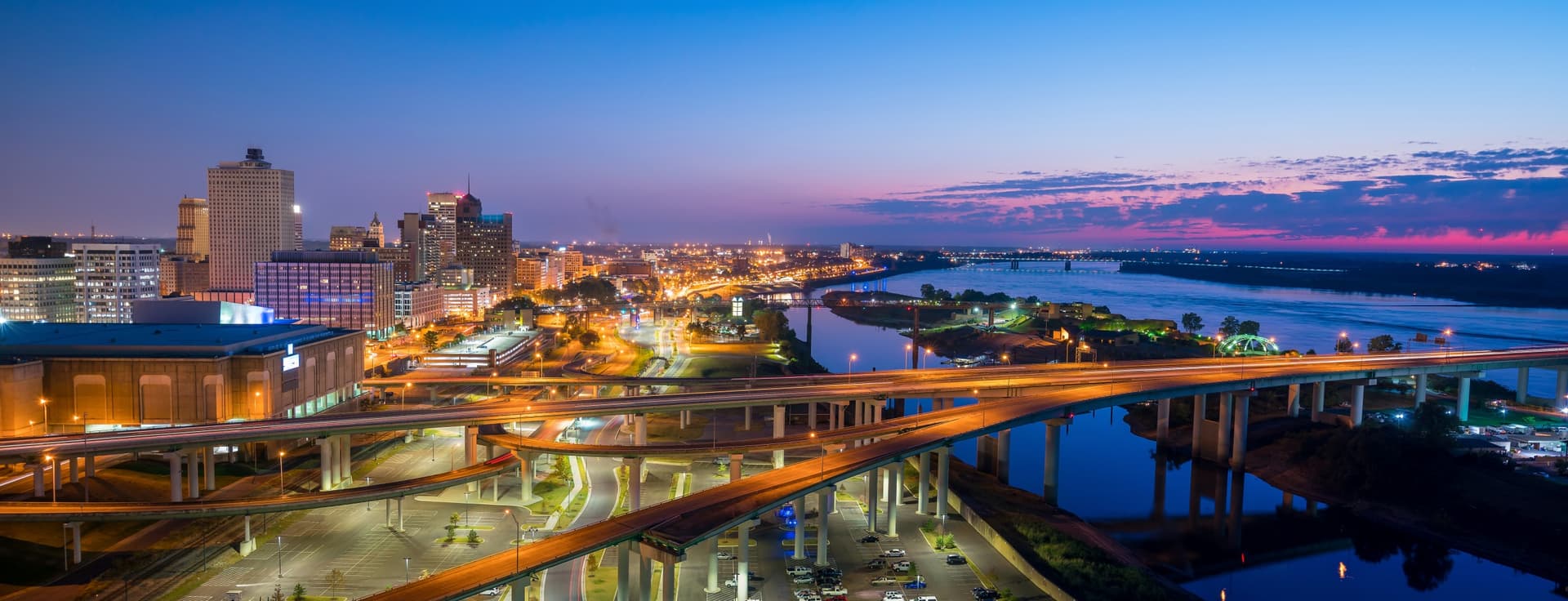
Having witnessed the rise of rock, blues, and soul legends, Memphis is a premier destination in Tennessee. Located along the banks of the Mississippi River, the city promises enchantment for generations of music lovers. Its economic prosperity was built on cotton and port traffic, but its true glory comes from the young artists who invested themselves in its streets in the years following World War II.
Vibrate to the rhythm of blues and jazz on Beale Street. In its bistros, restaurants, and clubs, live concerts continue into the early morning hours. Immerse yourself in the intimate world of Elvis Presley at Graceland, the former home of the Prince of Rock, now the most-visited private museum in the États-Unis. The city boasts an invaluable historical and cultural heritage spanning both past and present—from the struggle of African Americans for civil rights and the assassination of Martin Luther King Jr. to today's celebrations of the World Barbecue Championship. Memphis culinary creations are not to be missed. This is truly an engaging destination where musical, historical, and gastronomic experiences converge.
Two centuries of Memphis history: from slavery to the music industry
While rock and blues singers are rewriting Memphis history today, the true heroes of the city are quite different. The Chickasaw tribe occupied the site for centuries immemorial. The États-Unis' purchase of Chickasaw lands occurred in 1819, marking Memphis' entry into the modern era.
There are few similarities between the American colony with its enslaving appetites and the self-governing city with its municipal council established in 1963. Colonists exploited vast estates where they enslaved Black people. During the Civil War, enslaved people joined the lines of the Union Army to end their servitude. Their faces remain unknown, their names lost to history, yet these nameless heroes contributed significantly to changing Memphis' economic and social landscape.
Proof lies in the blood they shed in battle, which revoked provisions of the États-Unis Constitution. The White House was forced to recognize the equal citizenship rights of all Americans, regardless of skin color.
The primary engines of Memphis' economy are cotton and timber. The city boasted the largest cotton market in the world and, during the mid-19th century, the world's largest mule market, achievements owed to the hard work of the working class.
When the city fell into ruin in 1878 due to a yellow fever epidemic, its governors and wealthy elites abandoned it to desolation. It was Black and white working-class people who participated in Memphis' reconstruction.
Racist violence did not definitively cease until the 1970s. Meanwhile, a band of musicians arrived in the city. Blues clubs opened on every corner. Production studios gained international renown. Recognized singers such as Elvis Presley, Eric Gales, Alex Chilton, Robert Johnson, and Justin Timberlake grew up and lived here. Such was Memphis' story—building its glory on music and its fortune on the cries of the enslaved. The National Civil Rights Museum preserves the memory of this painful past.
Today
Memphis sits at the heart of an urban agglomeration of 1.3 million inhabitants. It ranks among the most vibrant cities in the southern États-Unis. It hosts a large African American community and claims the title of "America's barbecue capital."
Must-see attractions in Memphis
1. Graceland, Elvis Presley's private residence
Graceland is the primary tourist attraction in Memphis. Tours of the estate are available only by guided visit. For hundreds of thousands of admirers who hold the King of Rock and Roll as an idol, the visit often takes on a sacred character. Clutching a relic of the artist to your chest, paying respects at his grave in the meditation garden, singing along to one of his hits, listening to recordings that recount episodes from Elvis' life—from his humble beginnings to the pinnacle of his career, passing through his struggles with alcohol, divorce, and redemption—these are among the experiences offered while exploring the magnificent neo-colonial estate that Elvis Presley called home.
2. Beale Street
Flooded with restaurants, clubs, and shops, Beale Street is undoubtedly the most vibrant artery in the city. Performances animate the bars and clubs. Your ears will be delighted by live music. The atmosphere is magical at night, when the street is illuminated by neon lights. Beale Street is the number two attraction for visitors.
3. National Civil Rights Museum
Emotion grips visitors as they enter the corridors of the National Civil Rights Museum. Decades of struggle for racial equality are clearly displayed here. The museum is housed in the Lorraine Motel, where Reverend Martin Luther King Jr. was shot in 1968.
4. Sun Studio
Considered the birthplace of rock and roll, Sun Studio saw Elvis Presley, Johnny Cash, and Jerry Lee Lewis walk through its doors. A mythical location in American music history, it welcomes visitors for an immersion into the beginnings of rock. The authentic atmosphere of the 1950s is still palpable.
5. Stax Museum of American Soul Music
Located on the site of the former Stax Records studio, this museum pays homage to soul music legends. You will discover over 2,000 original objects, including Isaac Hayes' golden Cadillac. A reconstruction of the recording studio immerses visitors in the golden age of soul music.
6. Memphis Rock 'n' Soul Museum
Created by the Smithsonian Institution, this museum traces the journey of rock and soul pioneers in Memphis. From the history of cotton field workers to major figures on the music scene, the exhibition highlights their influence on American culture.
7. Mississippi Riverfront
The Mississippi Riverfront offers an ideal setting for relaxation or a stroll. Tom Lee Park, in particular, allows you to admire sunsets over the river. Riverboat cruises aboard paddlewheel boats offer another way to discover Memphis.
8. Memphis Zoo
With over 3,500 animals and 500 species, Memphis Zoo ranks among the country's most comprehensive zoos. Nestled in Overton Park, it captivates both young and old with its thematic habitats and conservation programs. An essential stop for families.
9. Bass Pro Shops at the Pyramid
A former sports arena transformed into a massive complex, this pyramid houses an outdoor retailer, a hotel, a bowling alley, a suspended restaurant, and an observation deck 100 meters high. The views of the Mississippi are spectacular.
10. Tasting Memphis barbecue
In Memphis, barbecue is an institution. Slowly smoked ribs and the signature sauce made from tomato and vinegar are the stars. Establishments like Central BBQ, Charlie Vergos' Rendezvous, and Cozy Corner are renowned for their traditional craftsmanship.
Practical information
Where is Memphis located?
Memphis is located in southwestern Tennessee, at the border of Arkansas and Mississippi, on the eastern bank of the Mississippi River. It occupies a strategic position between the Midwest and the Deep South of the États-Unis.
The city is easily accessible by air via Memphis International Airport. It is also well served by highways (I-40, I-55) and Amtrak rail lines. For those traveling from other Southern states, the bus remains an economical option.
There is no need to hire private car services. Most attractions are in the downtown area and can be easily visited on foot. Graceland is the only site outside the main circulation.
When to visit Memphis?
The best time to visit Memphis is between April and May or between October and November. The climate is pleasant during these seasons, far from the hot, uncomfortable summers and cold winters.
What is the safety situation in Memphis?
Certain areas of Memphis can present higher crime rates. It is advisable to remain vigilant, especially at night, and to favor well-frequented tourist areas such as downtown or Graceland.
Attractions in Memphis
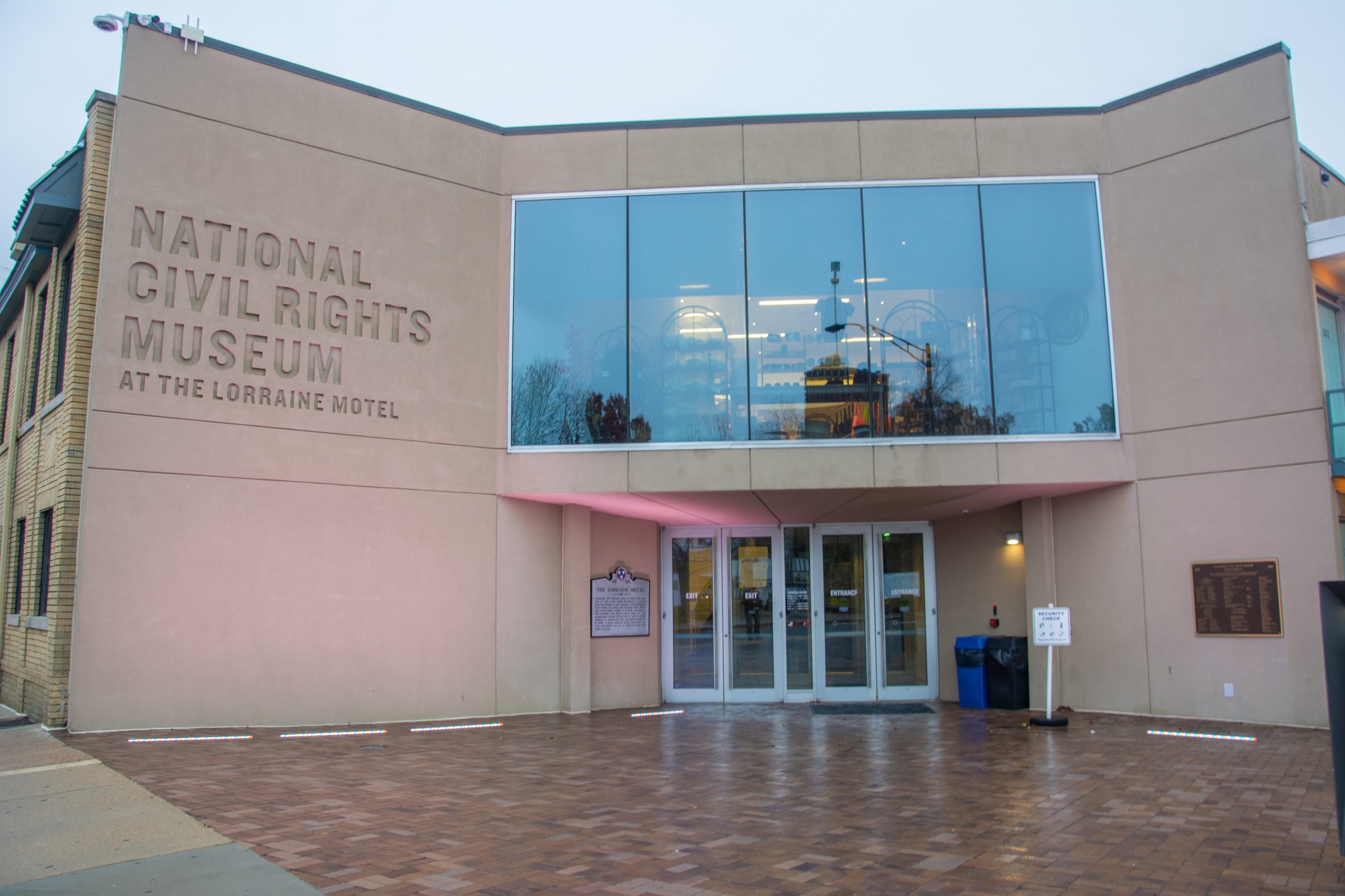
Le National Civil Rights Museum
Installé au Lorraine Motel à Memphis, le National Civil Rights Museum retrace l'histoire afro-américaine et le mouvement des droits civiques jusqu'à l'assassinat de Martin Luther King Jr.
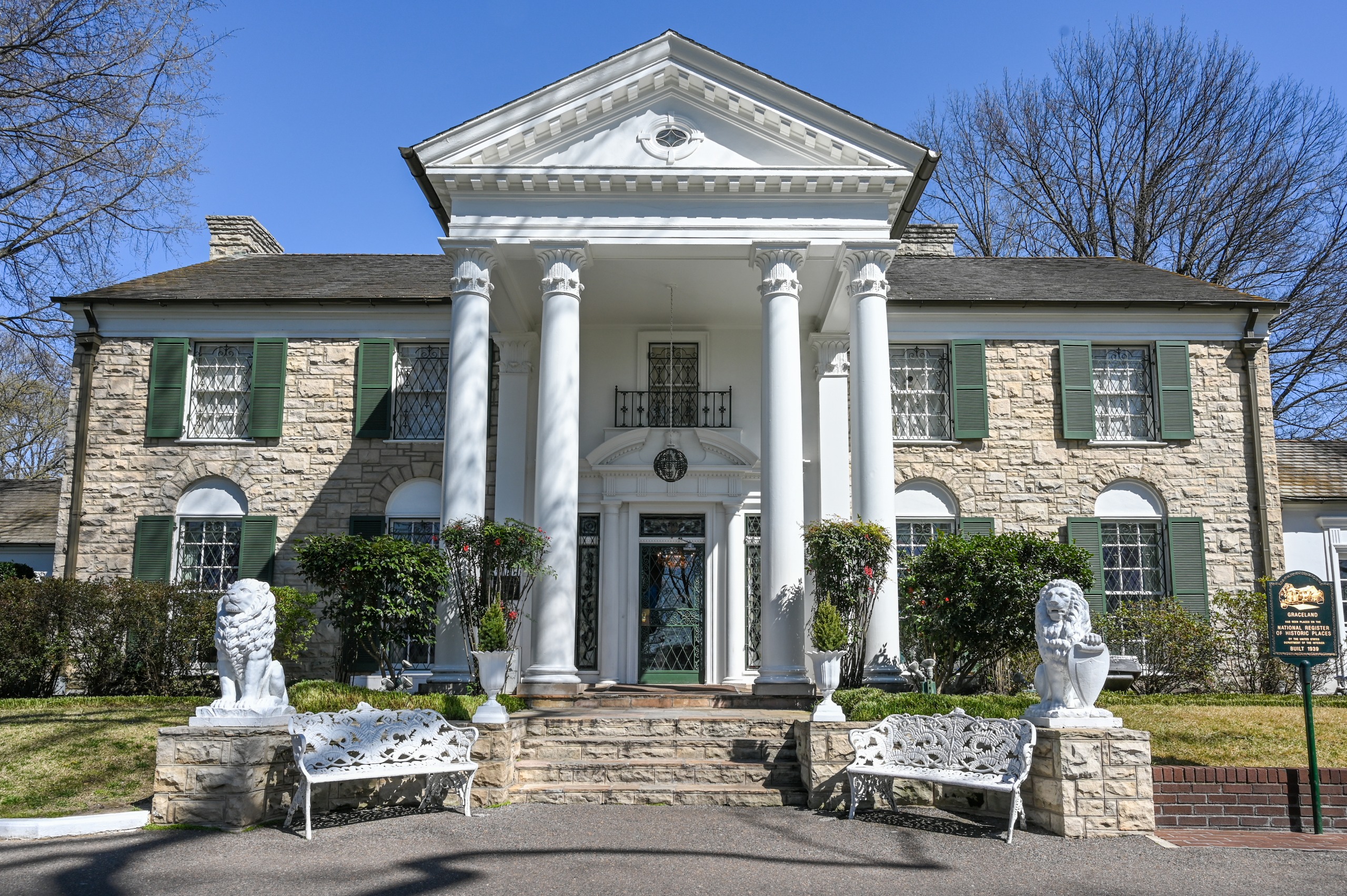
Graceland
Maison d'Elvis Presley à Memphis depuis 1957, Graceland est aujourd'hui un musée classé monument historique national qui attire plus de 600 000 visiteurs par an.
Want to discover this destination?
Our local advisors design your tailor-made trip.