Las Vegas
Las Vegas
Las Vegas, an electric mirage in the heart of the Mojave Desert: pharaonic casinos, legendary shows and gateway to the Grand Canyon and Death Valley.
Las Vegas, nicknamed "Sin City," is a fascinating destination that blends entertainment, luxury, and extravagance in the heart of the Mojave Desert. This rapidly growing metropolis invites you to discover its many facets, from the imposing hotel-casinos of the Las Vegas Strip to the natural wonders that surround it.
Las Vegas, one of the most visited destinations in the United States
A true gem of Nevada, Las Vegas is a metropolis unlike any other city in the États-Unis. This artificial oasis rises out of nowhere in the middle of the Mojave Desert, striking with its outsized architecture and dazzling lights that turn night into day. With more than 42 million visitors annually, Las Vegas ranks as one of America's most sought-after tourist destinations.
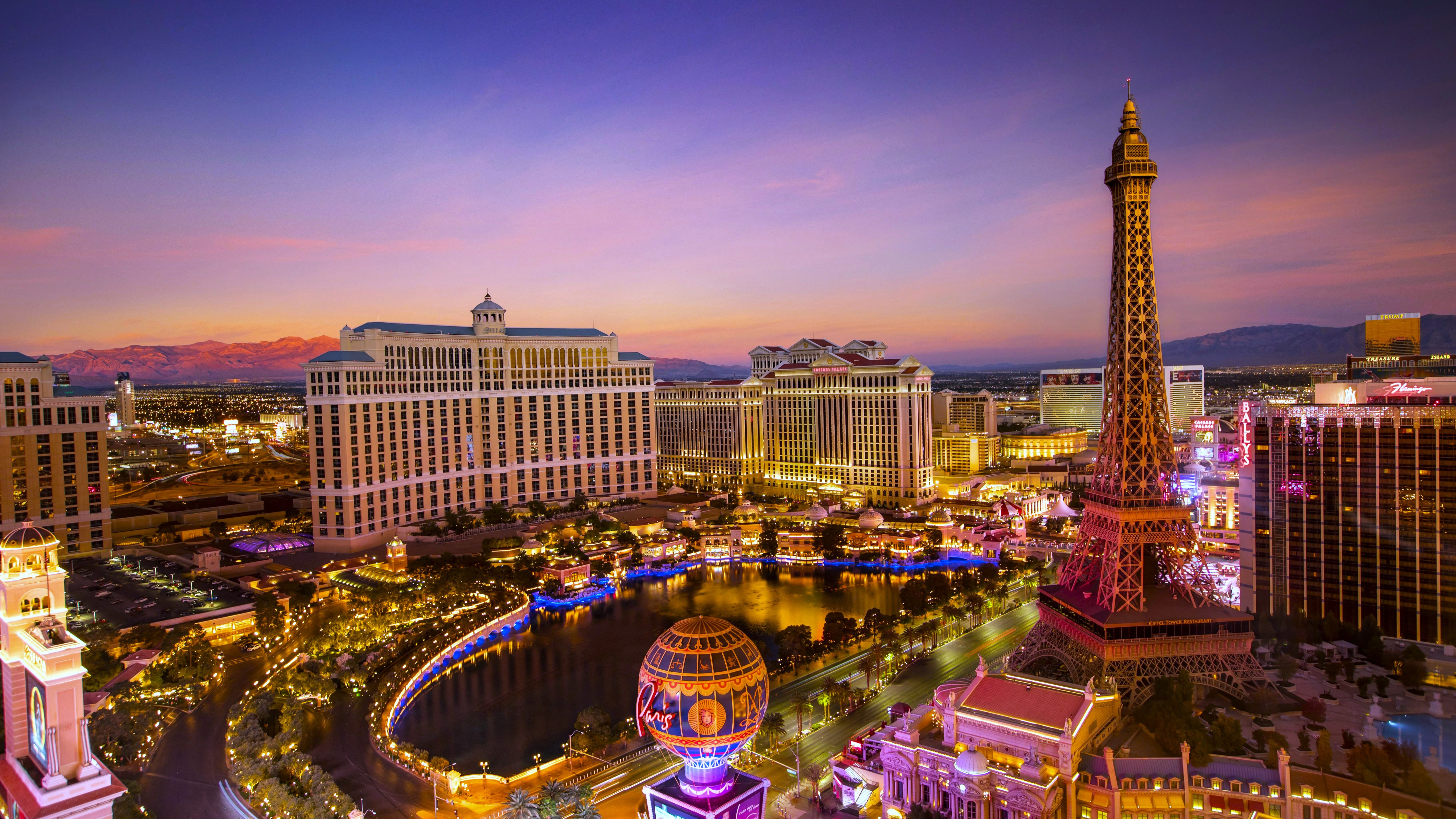
What makes the city unique is its distinctive atmosphere where anything seems possible. Gigantic hotel-casinos recreate iconic landmarks from around the world: you'll find a replica of the Eiffel Tower, the canals of Venice, or the New York skyline.
The city is also renowned for its dazzling shows, fine dining restaurants run by Michelin-starred chefs, and luxury boutiques. Las Vegas is a city without clocks, where time seems suspended and entertainment reigns supreme, 24 hours a day, 7 days a week.
The City's History
Las Vegas emerged just over a century ago. Before its official founding, the area was already known for its water present on the surface—rare in the Nevada desert—thanks to natural springs and shallow aquifers. This characteristic attracted early settlers, particularly Mormons, who briefly settled there in 1855 on virgin territory but situated in the heart of fertile valleys.
The real turning point came on May 15, 1905, with the arrival of the railroad connecting Salt Lake City to Los Angeles. A station was built, around which a settlement named Las Vegas developed. It gained city status in 1911.
Las Vegas truly took off in the 1930s, thanks to the construction of the Hoover Dam, located about 50 kilometers to the south. The electricity produced, abundant labor, and natural resources attracted the first investors, who were also enticed by the legalization of gambling in Nevada.
The city's casino fame spread across the oceans. The postwar period saw major real estate developments invest in the Strip: the Flamingo opened in 1946, establishing the first casino in Las Vegas; during the 1950s, it was joined by the Hacienda, Binion's, the Tropicana, and the Sahara.
Casino owners were often connected to organized crime. The clientele, meanwhile, consisted of the cream of American high society. Some played slot machines, others drank, still others frequented prostitutes. Hence the nickname "Sin City" acquired by Las Vegas: a hotbed of gambling, sex, and money laundering.
From the 1990s onward, authorities sought to rehabilitate Las Vegas's image. Family-friendly entertainment activities were developed, and new hotel accommodations opened without poker tables or roulette wheels. Moreover, the abundance of parks and gardens profoundly reshaped Las Vegas's face.
Today, a Dynamic Metropolis Welcoming Global Tourism
In the western États-Unis, Sin City is an incredible metropolis where chic, glamour, and entertainment are championed as sacred rules. With a population of 648,000 residents, it makes Las Vegas the largest metropolitan area in Nevada, with Carson City serving as the administrative capital.
The weight of tourism overwhelms all other economic sectors. With 149,000 hotel rooms, Sin City boasts the largest hotel park in the États-Unis and the second-largest in the world after London.
However, economic inequalities remain unacceptable. Near the glass palaces illuminating the Strip, you'll find shantytown neighborhoods where 60% of families don't earn enough to cover their basic needs.
What to See and Do On-Site
You're wondering: "What is there to do in Sin City?" The number of things to see, visit, or experience defies comprehension. It's commonplace to say Las Vegas is one of the best places on Earth to drink, party, gamble, and experience the joys and follies of youth. Our list has selected must-do experiences for an authentic getaway.
Step Inside the Casinos
Even if you're not passionate about gambling, spending a night in some of the world's largest casinos is an experience worth having. Some of them, like Encore and Winn, are housed in skyscrapers with futuristic design.
English-speaking visitors will appreciate visiting the gaming house decorated in the purest Parisian style. Inside is a replica of the Eiffel Tower complete with Paris's emblematic beam bridges.
Another establishment offers playing in a setting evocative of ancient Rome. Whether dressed formally or casually, Las Vegas casinos are flexible when it comes to attire.
Stroll Down The Strip
It's inconceivable to stay in Sin City without walking The Strip, also known as Las Vegas Boulevard. This is the most vibrant and electrifying thoroughfare in the city. Visitors know it for its wedding chapels where American businessmen organize eccentric parties to put rings on their fiancées' fingers. You'll visit a hotel of tentacular proportions whose shape echoes the pyramids of Giza.
As night falls, the skyscrapers vie for your applause with spectacular shows: the Bellagio Fountains, the erupting volcano of the Mirage Hotel, the lights of Luxor Las Vegas, Cirque du Soleil, and much more. To play along, take a limousine across the boulevard.
Take a Cultural Break in the Museums
Las Vegas has several museums where culture lovers will find their fill. At the Mob Museum, you'll enjoy a unique collection of wax figures representing renowned actors, musicians, or writers. Are you a car connoisseur? Head to Auto Collection. This museum is dedicated to vintage American cars that have most impressed people's imaginations.
Ascend the Stratosphere Summit
The top of the Stratosphere, easily reachable by elevator, is Las Vegas's highest point. It offers breathtaking views across the entire city. Let your gaze roam over the mountain ranges surrounding the canyon before turning it toward the metropolis crowned with skyscrapers and neon hotels. How profoundly urban development has altered the landscape's integrity is more evident from this famous tower than anywhere else! Stratosphere is not just an observation deck; it's also an amusement park.
Take a Guided Tour of Death Valley
Don't be fooled by its sinister name. Death Valley appeals with its endemic trees thriving in the middle of the desert. You must watch them bloom in spring. Crossing sand dunes, cooling off in the shade of palm groves, visiting cactus fields… Desert enthusiasts will happily lose themselves here!
Marvel at the Magical Landscapes of Red Rock Canyon
Tired of Las Vegas's opulence and its impious nights? Schedule an outdoor excursion heading toward Red Rock Canyon. Although the protected area is visible from your hotel's floor-to-ceiling windows, only venturing onto terrain lets you appreciate its raw, wild beauty. Perfect for hiking, rock climbing, and mountain biking enthusiasts.
Visit Old Town and Fremont Street Experience
In Las Vegas's historic downtown, the Fremont Street Experience transports you to vintage Vegas's atmosphere. This pedestrian mall covered by a 460-meter-long LED canopy displays breathtaking light shows every hour after nightfall. You'll find the city's oldest casinos here, like the Golden Nugget and its famous aquarium with sharks.
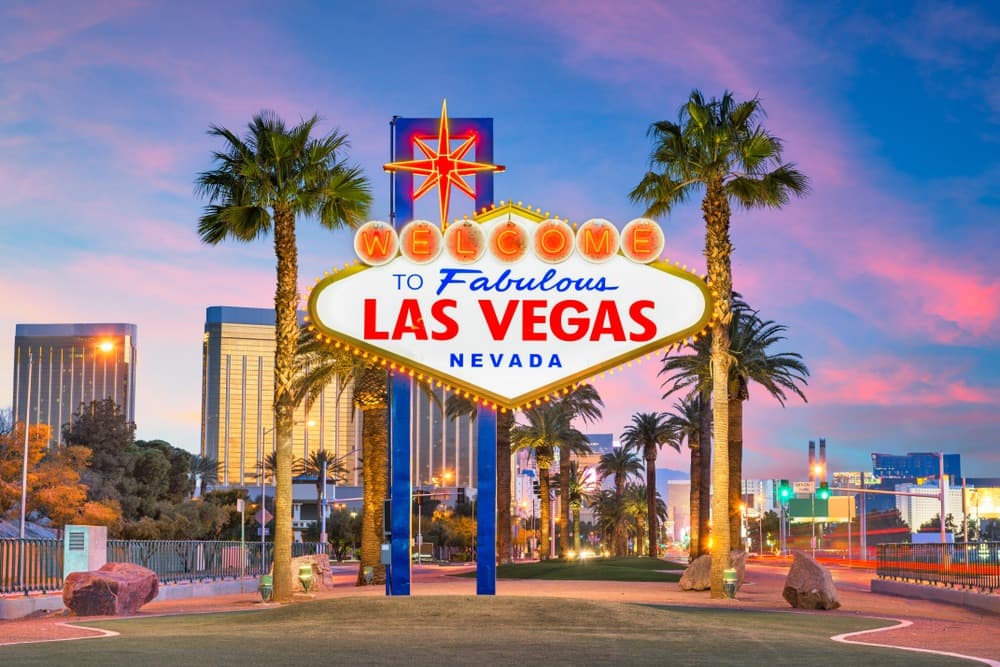
The atmosphere is more relaxed and authentic than on the Strip, with street performances, free concerts, and often more affordable rates. The famous "Welcome to Fabulous Las Vegas" sign is nearby and makes for a memorable highlight of your visit.
Lesser-Known Tourist Attractions in Sin City
- Neon Museum: an open-air museum displaying Las Vegas's vintage neon signs, symbols of the city's past.
- Container Park: an original shopping center made of recycled shipping containers, featuring shops, restaurants, and outdoor concerts.
- Springs Preserve: a natural space with trails, gardens, interactive exhibits, and a museum on local history. Ideal for a green escape.
- Downtown Arts District: a vibrant artistic neighborhood with galleries, murals, artist studios, and independent cafés.
- Seven Magic Mountains: a work of public art in the desert, composed of seven towers of brightly painted stones. An unusual spot 20 minutes south of the city.
- Pinball Hall of Fame: a pinball museum housing dozens of vintage machines open for play. Perfect for retro fans.
- Ethel M Chocolate Factory & Botanical Cactus Garden: a chocolate shop combined with a cactus garden, for a tasty and exotic visit.
Practical Information
Where Is Las Vegas Located?
Las Vegas is situated in Clark County, southern Nevada, right in the heart of the Mojave Desert. Located 435 kilometers east of Los Angeles, this metropolis enjoys a strategic position for exploring the American West. Exceptional natural sites like the Grand Canyon (4.5 hours), Death Valley (2 hours), and Lake Mead (30 minutes) are easily accessible.
McCarran Airport is located 8 kilometers south of downtown and less than 4 kilometers from The Strip. There are no direct flights from France. Travelers must connect through New York or Los Angeles.
To reach your hotel, several transport options are available: shuttle, Lyft or Uber rides, and conventional taxi. An Uber ride will cost you, for example, around $12 if your hotel is on the Strip and around $15 if it's downtown.
To explore Las Vegas, you have several options. The monorail serves the Strip's main hotel-casinos with seven stations over 6.4 kilometers. Buses are an economical alternative, notably the SDX line connecting the Strip to downtown and the Deuce line running 24/7. For more flexibility, opt for taxis (available only at dedicated stations) or ride-sharing services like Uber and Lyft. For distant destinations, consider renting a car or booking organized excursions.
Climate
Las Vegas is characterized by a hot desert climate. The rainy summer begins in June and ends in August. Cool winters settle in from December to February. These seasons often coincide with extreme temperatures: around 37°C in summer and 13°C in winter. This shouldn't be surprising since Las Vegas ranks among the sunniest, driest, and least rainy places in the New World.
Best Time to Visit
To plan a trip to Las Vegas, spring and fall are the best seasons. Sin City experiences high visitation in winter, particularly during the year-end holidays.
Whatever period you choose for traveling to Sin City, avoid staying over a weekend. Starting Friday night, celebrities and top executives compete for hotel rooms. You'll find more affordable rates between Tuesday and Thursday.
Attractions in Las Vegas
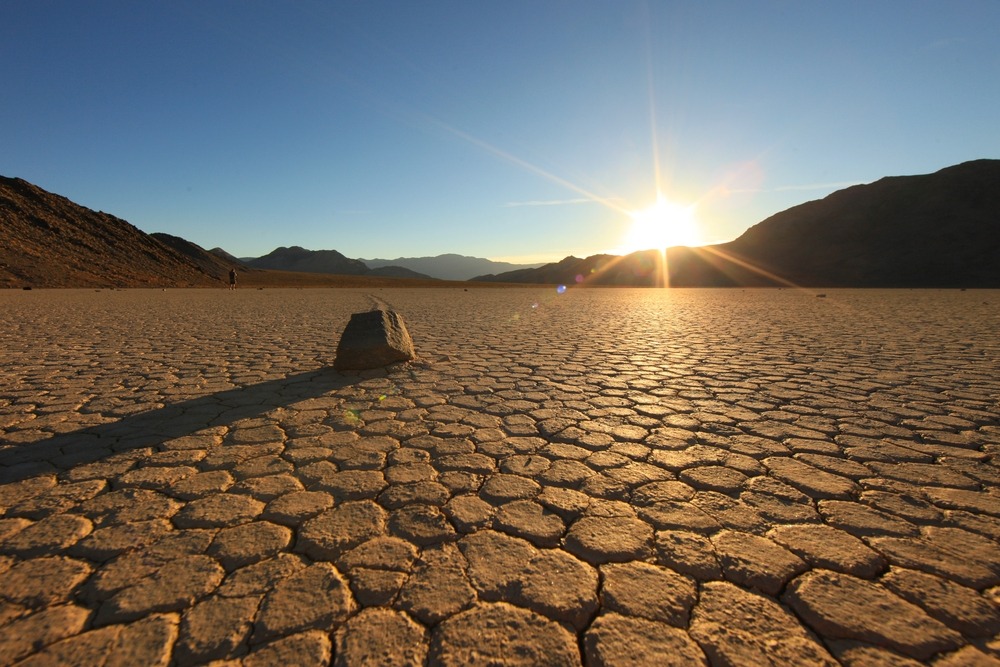
Parc national de la vallée de la Mort
À 210 km de Las Vegas, le parc national de la vallée de la Mort réunit le point le plus bas d'Amérique du Nord, des canyons colorés et des records de chaleur planétaires.
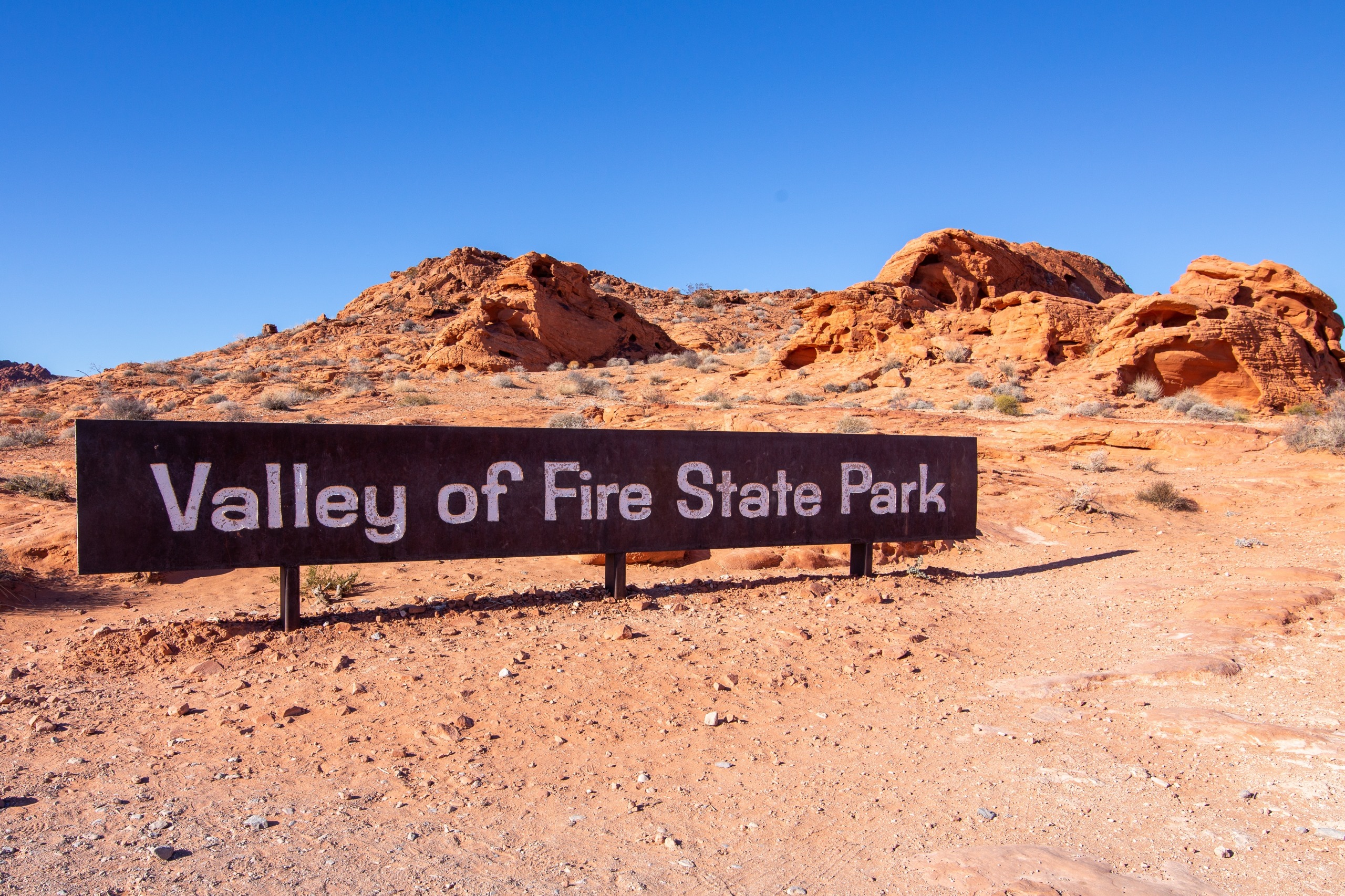
Le Valley of Fire State Park
À une heure au nord-est de Las Vegas, le plus ancien parc d'État du Nevada concentre formations de grès rouge, pétroglyphes anasazis et sentiers de désert.
Want to discover this destination?
Our local advisors design your tailor-made trip.