Fort Myers
Fort Myers
On Florida's west coast, Fort Myers combines white-sand beaches, pristine islands and the heritage of American pioneers. Complete guide to planning your stay.
Located in Florida, Fort Myers is popular for its beaches, seafood bars, shopping and coral islands. Here's an overview of this distinctive tourist destination.
Fort Myers, a Gem of Florida
The allure of an escape under tropical sun draws a steady stream of vacationers to Fort Myers. As soon as fine weather returns, visitors arrive from around the world to enjoy the natural riches this southwest Florida region has to offer. Activities abound here: collecting colorful seashells, building sandcastles, jet skiing or windsurfing, embarking on cruises to encounter sea turtles and dolphins…
Beyond beach tourism, the Fort Myers area offers visitors around twenty parks, as well as several green spaces and historic sites. Not to mention the stunning islands, including Sanibel and Captiva.
It's safe to say that the City of Palms is an excellent escape destination and a true paradise for outdoor enthusiasts. Each year, thousands of tourists—both residents and visitors—choose to anchor here to ensure they have an excellent vacation.
Fort Myers History in Brief
Fort Myers takes its name from Colonel Abraham Myers, a prominent figure in the American Civil War. Long before that, the region was inhabited by the Calusa Native American tribe, now extinct.
Over the centuries, Spain and Great Britain competed for control of this coastal territory, until it became part of the États-Unis in 1821.
While Fort Myers played an important role during the Civil War, it's also known for its pleasant lifestyle and lush vegetation. During the colonial era, the town was renowned for its gladiolus fields. Its nickname, the "City of Palms," comes from inventor Thomas Edison, who donated 100 palm trees to the city.
What to Do in Fort Myers?
Strolling Through the Historic Downtown
Fort Myers' downtown, known as the River District, combines historic charm, local culture and a relaxed atmosphere. Its paved streets, lined with restored buildings, now host art galleries, independent boutiques and lively cafés that give it real character. Don't miss McGregor Boulevard, famous for its majestic royal palms gifted by Thomas Edison.
For a green retreat, head to Centennial Park, a pleasant public space on the banks of the Caloosahatchee River. It's perfect for relaxing or watching the sunset. The rooftop bars in the neighborhood also offer magnificent views of the waterway.
When it comes to dining, downtown brims with diverse restaurants, from fresh seafood to world flavors. Moreover, evenings and weekends, the neighborhood comes alive with artisan markets, outdoor concerts and seasonal festivals.
Exploring the Museums
Fort Myers is rich in museums. Blending education and entertainment, the IMAG History & Science Center caters to families and science enthusiasts. Over 60 exhibits, including a hurricane simulator and fossils, await you.
With exhibitions on indigenous cultures, colonization and Florida's development, the Southwest Florida Museum of History is a must for those wanting to learn more about local history.
To get a glimpse of life in early 20th-century Florida, visit the Burroughs Home & Gardens. This grand Georgian-style mansion features elegant interiors, antique furnishings, corner fireplaces and stained glass, reflecting the refinement of the era.
Visit the Edison and Ford Winter Estates
The Edison and Ford Winter Estates rank among Fort Myers' most visited tourist attractions. They are the winter residences of Thomas Edison and Henry Ford.
Thomas Edison acquired a property in the city in 1885. He built his home there, the Seminole Lodge. In 1916, Henry Ford, Edison's close friend, purchased the adjacent property, The Mangoes, where he also had his own residence built. Both estates are situated along the Caloosahatchee River.
Discovering the Beaches
Fort Myers is set back from the coast. A short drive is necessary to enjoy the region's superb beaches.
Fort Myers Beach
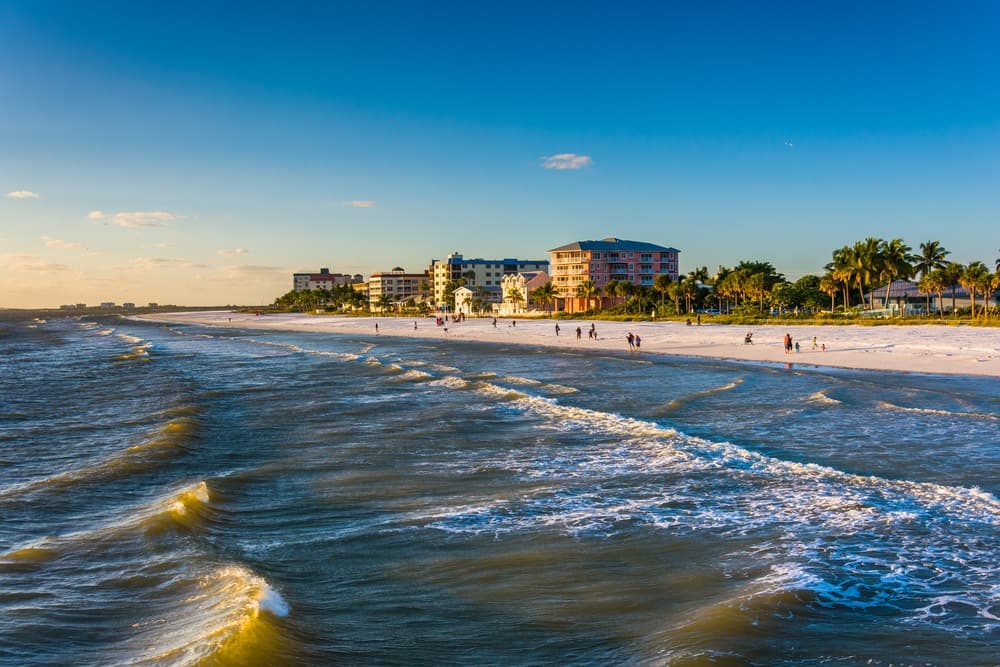
It's the most popular beach in the Fort Myers area. It's actually a beach resort, located 30 minutes southwest of downtown, on Estero Island. Its white sand, shallow waters and lively atmosphere attract families, young travelers and water sports enthusiasts. You'll find numerous bars, restaurants, shops and activities (jet skiing, parasailing…).
Bunche Beach
More discreet and wild, this beach 15 minutes west of the city is perfect for bird watching, kayaking through mangroves, or simply enjoying a quiet sunset.
Lovers Key State Park
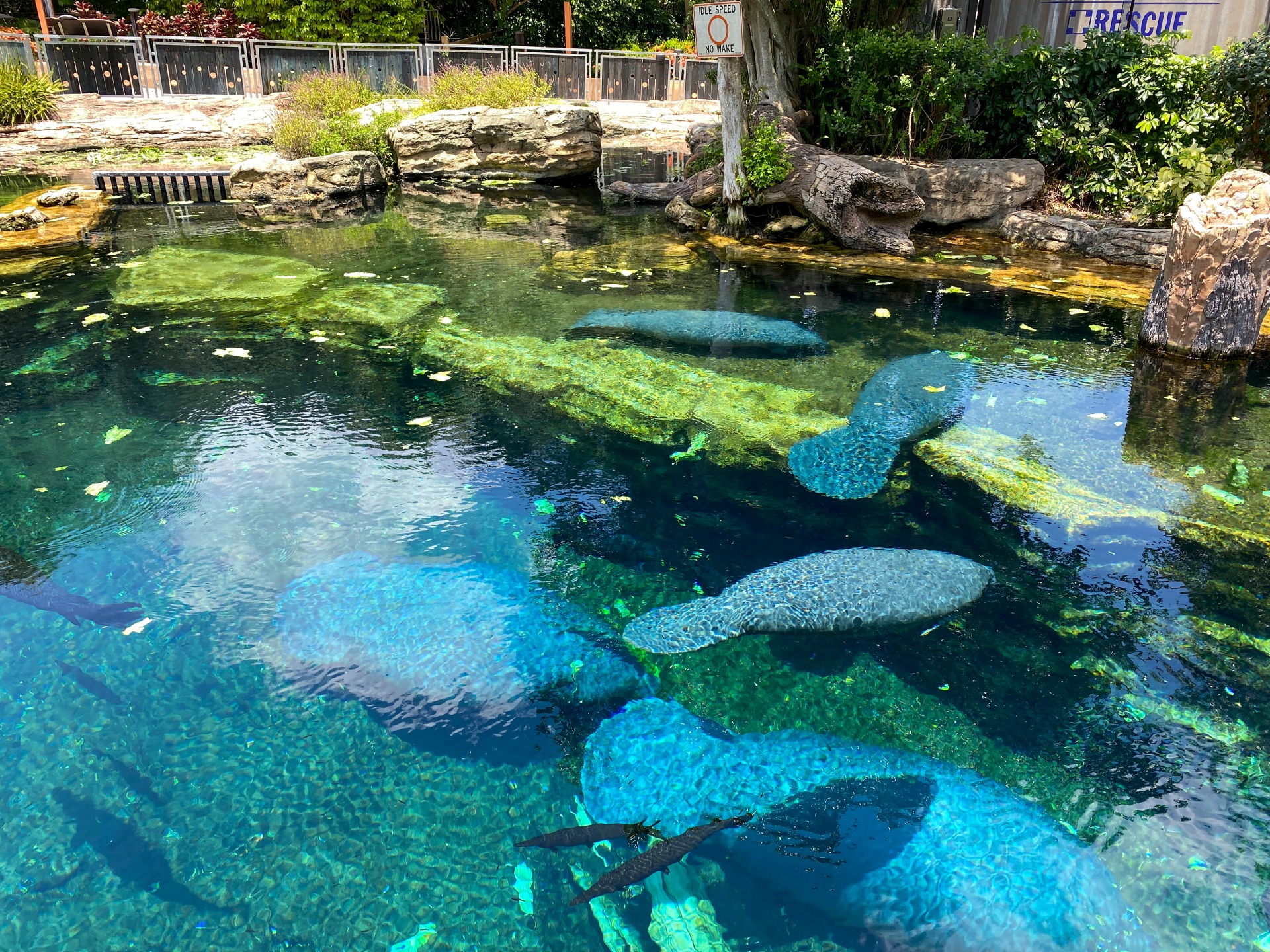
Nestled in a protected natural park, 35 to 40 minutes south of the city, this beach offers a peaceful setting, ideal for couples or nature lovers. You may encounter dolphins, manatees and a wide variety of birds.
Sanibel Island
This island is renowned for its seashells, which you can collect at low tide. The J.N. "Ding" Darling National Wildlife Refuge, a sanctuary for over 200 bird species, raccoons and alligators, stretches across it. The island's beaches are calm, clean and bordered by lush vegetation. Discover it 45 minutes' drive west of Fort Myers.
Captiva Island
Even more tranquil, Captiva seduces with its pristine beaches and chic, laid-back atmosphere. An hour's drive from Sanibel separates them.
Practical Information
Where is Fort Myers Located?
Fort Myers sits on Florida's west coast, in Lee County. The city is positioned between Tampa (to the north) and Naples (to the south), approximately 2.5 hours' drive from Miami.
Fort Myers is served by Southwest Florida International Airport (RSW), located just 30 minutes from downtown. Direct flights arrive from several major American cities. From Miami or Tampa, you can drive via the I-75.
A car is the most convenient way to explore Fort Myers and its surroundings, particularly the beaches, islands (Sanibel and Captiva) and natural parks. You can rent a car at the airport or downtown. A bus network (LeeTran) also serves certain neighborhoods and beaches, but is limited.
When to Visit?
The best time to visit Fort Myers runs from November to April, when temperatures are mild (between 68 and 82°F) and rainfall is rare. Summer (June to September) is hot, humid and more prone to storms, but offers better prices.
How Long Should You Spend in Fort Myers?
Plan 2 to 3 days to explore downtown, nearby beaches and an island like Sanibel. A week allows you to better explore the region and enjoy activities like cycling or boat excursions.
Where to Stay in Fort Myers?
Downtown is recommended for those wanting easy access to museums, restaurants and local atmosphere. To be close to the beach, prefer Fort Myers Beach or Sanibel Island. Hotels for all budgets, as well as motels, vacation rentals and beachfront resorts are available.
Naples or Fort Myers?
Naples is located approximately 45 kilometers south of Fort Myers. While both cities are established on Florida's west coast, they each offer different experiences. For a family-friendly atmosphere, with an animated downtown (art walks, community events, etc.) and more budget-conscious hotels, choose Fort Myers. If you're seeking a chic and elegant city, with luxurious colonial villas and an affluent population (including celebrities like Bill Gates or Steven Spielberg during winter), stay in Naples.
Want to discover this destination?
Our local advisors design your tailor-made trip.