Waikiki District: Honolulu's Must-See Neighborhood
Waikiki District: Honolulu's Must-See Neighborhood
Waikiki, Honolulu's iconic district on the south coast of Oahu: 3 km of beach, historic hotels, surfing, shopping on Kalakaua Avenue and Hawaiian cuisine.
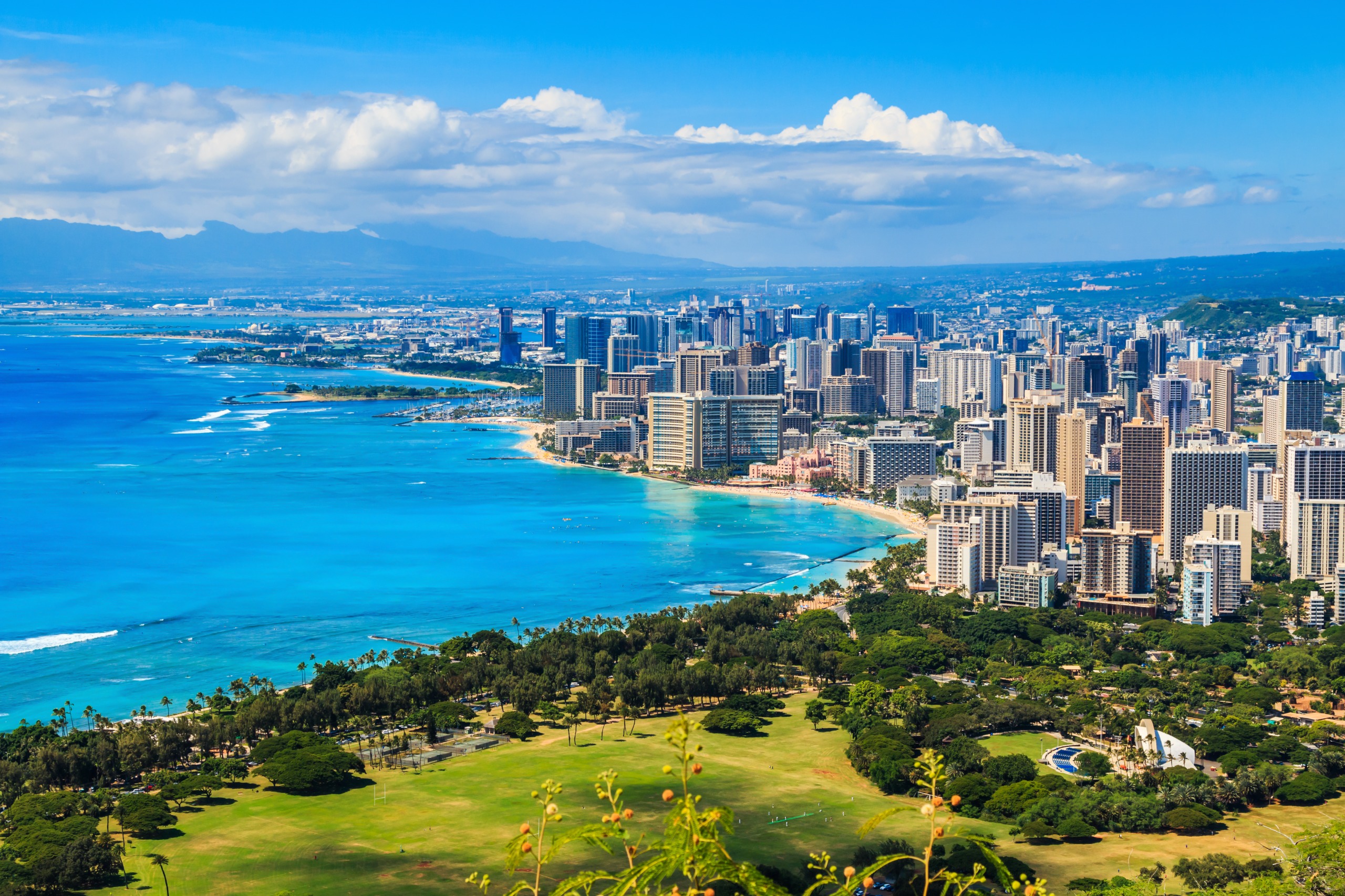
On the south coast of Oahu, the Waikiki district concentrates most of Honolulu's tourist activity: a beach nearly 3 km long, a bustling shopping avenue, historic hotels and a vibrant Hawaiian cultural scene. Once a retreat for Polynesian royalty, the sector extends between the Ala Wai Canal and the Pacific Ocean, beneath the silhouette of Diamond Head.
Why visit Waikiki
- An urban beach 3 km long suited to learning to surf, with long, consistent waves.
- Hotel heritage marked by early 20th-century buildings (Moana Surfrider, Royal Hawaiian).
- A concentration of shopping centers and local designer boutiques on Kalakaua Avenue.
- A dining scene blending traditional Hawaiian cuisine and contemporary restaurants.
- Regular cultural events: hula demonstrations, Friday night fireworks, Polynesian music performances.
Neighborhood History
The name Waikiki means "flowing fresh water" in Hawaiian, referring to the springs that once irrigated the marshy area. The first Polynesian inhabitants settled here in the 11th century. In 1804, King Kamehameha I established his royal court here, permanently anchoring the site's symbolic status.
The tourism turning point began with the construction of the Moana Surfrider in 1901, the first luxury hotel on these shores. In the 1920s, Duke Kahanamoku, Olympic swimming champion and major figure in modern surfing, helped spread Waikiki's image internationally. Between 1921 and 1928, the excavation of the Ala Wai Canal drained interior marshes and completely reshaped the neighborhood's geography, paving the way for its urban development.
What to See and Do
The Beach and Surf Spots
The Waikiki Beach stretches nearly 3 kilometers and remains one of the world's most accessible surf learning sites. Long rollers suit beginners, while experienced surfers head to Queen's Surf, which is more technical. The Beach Boys, local instructors, offer private lessons and traditional outrigger canoe rides, a legacy of Polynesian navigators. The surfboard markers scattered throughout the neighborhood recall the history of great Hawaiian surf figures.
The Duke Statue
On Kuhio Beach, facing the ocean, the bronze statue of Duke Kahanamoku stands 2.7 meters tall and rests on a 1.2-meter rock. Sculpted by Jan Gordon Fisher and installed in 1990, it depicts the champion with arms open. After his sports career, Duke became Honolulu's sheriff and remained an ambassador for Hawaiian culture. Visitors frequently leave flower leis at the monument's base.
Historic Hotels and Contemporary Addresses
The Royal Hawaiian, nicknamed the "Pink Palace of the Pacific," showcases 1920s architecture with its distinctive pink facade. The Moana Surfrider, the neighborhood's oldest hotel, preserves its century-old banyan tree in the interior courtyard. The Halekulani houses La Mer, a French cuisine restaurant. On the boutique-hotel side, the Surfjack Hotel & Swim Club channels a 1960s vibe. For tighter budgets, the Royal Grove, operating since 1960, remains a family institution.
Shopping and Markets
The Royal Hawaiian Center houses around 110 boutiques across four levels along Kalakaua Avenue and hosts free cultural events (ukulele classes, hula). The Ala Moana Center, north of the neighborhood, is known as the largest open-air shopping center in the États-Unis. The International Market Place sprawls across three stories around a century-old banyan tree and blends international retailers with local crafts.
Hawaiian Gastronomy
Several restaurants showcase traditional cuisine. Highway Inn, a family institution opened in 1947, serves kalua pork and lomi salmon. In Kalihi, minutes by car from Waikiki, Helena's Hawaiian Food, award-winning by James Beard, offers fresh poi and pipikaula short ribs. Mud Hen Water, by chef Ed Kenney, reimagines classics with pa'i'ai and contemporary luau. For views, RumFire on the top floor of the Sheraton Waikiki offers a 180-degree ocean panorama.
Practical Information
The neighborhood is easily walkable: sidewalks are wide and the coastal zone is pedestrian in places. The TheBus network serves main avenues, and the Waikiki Trolley offers several lines (pink line for shopping centers, blue line for the coast toward Diamond Head). The Biki bike-share service has closely spaced stations throughout the neighborhood. Plan a half-day to a full day for a first visit, multiple days if you're planning surfing, coastal excursions and evenings out.
When to Visit
Temperatures range from 23°C to 31°C year-round. The dry season runs from May to October, with strong sunshine and high summer crowds. From November to April, the climate remains mild but showers are more frequent; this is also peak season for observing humpback whales offshore. Spring and fall offer a good balance between pleasant weather and moderate crowds. Every Friday evening, fireworks are launched from the Hilton Hawaiian Village.
How to Get There
The Daniel K. Inouye International Airport is about 13 km from Waikiki. Several transfer options exist:
- Taxi or rideshare (Uber, Lyft): journey of about 25 to 40 minutes depending on traffic, moderate to high fare.
- Shared hotel shuttles: fixed rate per person, regular departures from terminals.
- Public bus (TheBus line 20): most economical option, but longer travel time and limited luggage.
Once there, a car isn't essential if you stay in Waikiki; it becomes useful for exploring the rest of Oahu (north shore, valleys, hiking).
Nearby Attractions
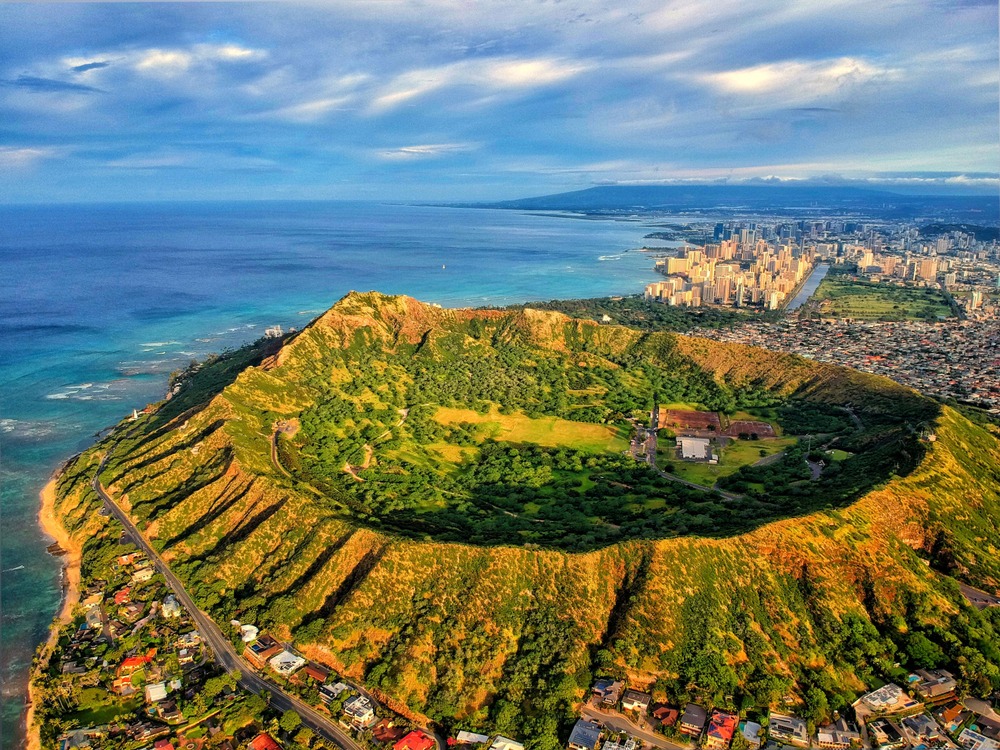
- Diamond Head: volcanic crater with hiking trail and panoramic views of Honolulu.
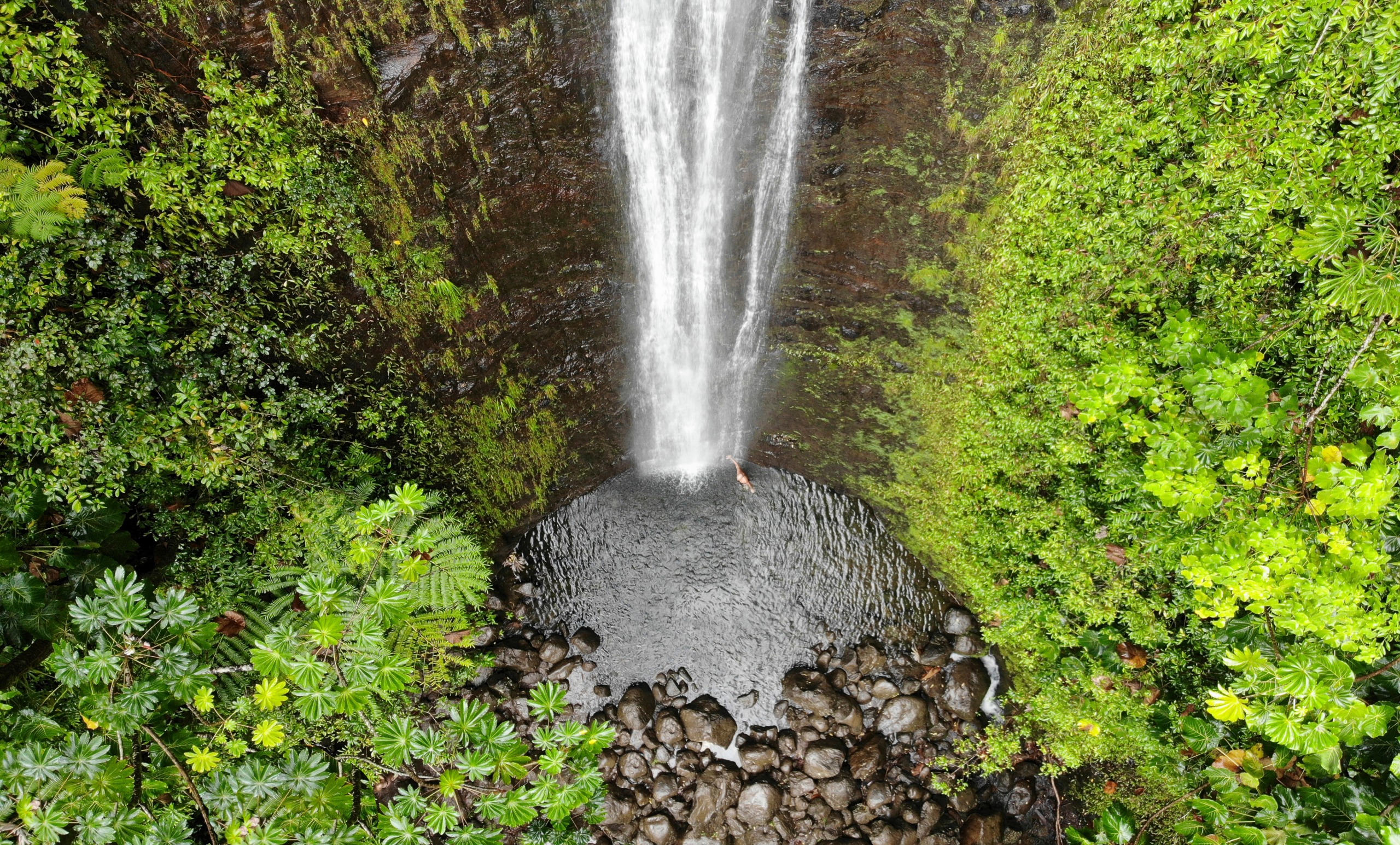
- Manoa Falls: tropical forest hike in the neighboring valley.
- Honolulu: historic center, Pearl Harbor and Chinatown district.
Frequently Asked Questions
Frequently asked questions
A half-day is enough to walk the beach, Kalakaua Avenue and see the Duke statue. Plan several days if you want to take surfing lessons, enjoy beachfront hotels and explore the dining scene.
Yes, it's one of the world's best-known learning spots. Long, consistent waves suit beginners, and many schools offer lessons taught by the Beach Boys.
The dry season, May to October, offers the most sunshine. Spring and fall combine pleasant weather with lighter crowds. Winter (November-April) allows whale watching offshore.
Daniel K. Inouye Airport is about 13 km away. Options range from public bus (line 20, budget-friendly) to shared shuttles and rideshare, up to taxi for a direct 25 to 40-minute journey.
No, not for the neighborhood itself: everything is walkable, by trolley or Biki. Rental makes sense if you're planning to explore the rest of Oahu (north shore, interior valleys, distant beaches).
Plan Your Trip
Waikiki naturally fits into a broader Hawaii or United States west coast stay. To build your custom itinerary, explore our trips to the États-Unis.
Nearby
Interested in this visit?
We can include it in your personalised itinerary.