Space Needle
Space Needle
Seattle's iconic 184-meter tower, built for the 1962 World's Fair. 360° panorama, rotating glass floor, and a revolving bar at height.
The Space Needle is a 184-meter observation tower standing in Seattle, Washington. Built for the 1962 World's Fair, it remains one of the most recognizable architectural landmarks of the Pacific Northwest and welcomes over a million visitors annually.
Why Visit the Space Needle
From the summit, the observation platform offers a 360° panorama across the city and region. On clear days, the view stretches to Mount Rainier to the south, the San Juan Islands to the northwest, Elliott Bay below, the Olympic Peninsula, and the Cascade Range. The building is also a cultural touchstone: it appears in Sleepless in Seattle (1993) and Chronicle (2012), among other films and series.
A visit appeals as much for the vantage point as for the architectural experience: a flying-saucer silhouette inherited from the 1960s, with a structure entirely reimagined in 2018 through the addition of the world's first rotating glass floor.
History and Construction
The idea emerged in the late 1950s when Seattle was selected to host the 1962 World's Fair, themed "The Age of Space." Architects Edward E. Carlson and John Graham Jr. designed a tower inspired by the space-age imagination then pervasive in American culture.
Construction was completed in just 400 days. The structure rests on a concrete foundation and three steel pillars engineered to withstand earthquakes of magnitude 9.0 and winds up to 320 km/h. The scale speaks to that ambition: 5,600 tons of concrete for the base and 250 tons of steel for the main structure. At its opening, the Space Needle ranked among the tallest buildings west of the Mississippi River.
The tower has undergone several renovations, most notably in 2018 with the installation of The Loupe, the world's first rotating glass floor. As for notable incidents, six skydivers have jumped since opening, two without authorization. Two suicides occurred in the 1970s, the last in 1978; nets and barriers were later added to secure the monument.
What to See and Do
The Observation Platform
Located at the top, it combines an open exterior section protected by tilted glass walls and an interior area equipped with benches and viewing scopes. This is where to orient yourself to Seattle's key landmarks: Pike Place Market, the waterfront, Capitol Hill neighborhood, and on clear days, the volcanoes of the Cascade Range.
The Rotating Glass Floor
One level down, The Loupe is a circular platform whose glass floor rotates slowly beneath your feet. The sensation of emptiness below, combined with the rotation, creates the building's most singular attraction.
The Elevated Bar and Restaurant
A dining space located on the rotating level offers small plates and cocktails. It's geared more toward a casual drink than a full meal; expect higher prices than downtown for the view.
Practical Information
Address: 400 Broad Street, Seattle, WA 98109, in Lower Queen Anne neighborhood, at the base of Seattle Center. A typical visit lasts 1 to 1.5 hours, longer if you enjoy something at the revolving bar level.
Pricing follows a variable rate schedule based on time and demand, with adult, senior, and children tickets, plus a combined Space Needle + Chihuly Garden and Glass ticket worth considering if you plan both sites the same day. Since rates and hours are regularly adjusted, check the official website for current information before your visit. Booking an online time slot is recommended during peak season.
When to Visit
The most favorable period runs from May through September, when Seattle's skies clear and visibility of Mount Rainier and the Cascades is best. Outside this window, cloud cover is frequent and can limit the view. To avoid crowds, choose early morning or late afternoon; sunset time slots are highly sought and require advance booking.
How to Get There
By Monorail
The Seattle Center Monorail connects downtown (Westlake Center) to Seattle Center Station, located directly across from the tower. It's the fastest option from downtown.
By Bus
Bus lines 1, 17, 33, 4, 5, and 8 serve the Seattle Center area.
By Car
Parking in the immediate vicinity is limited. It's better to use Seattle Center's public parking than hunt for street parking in Lower Queen Anne.
What to See Nearby
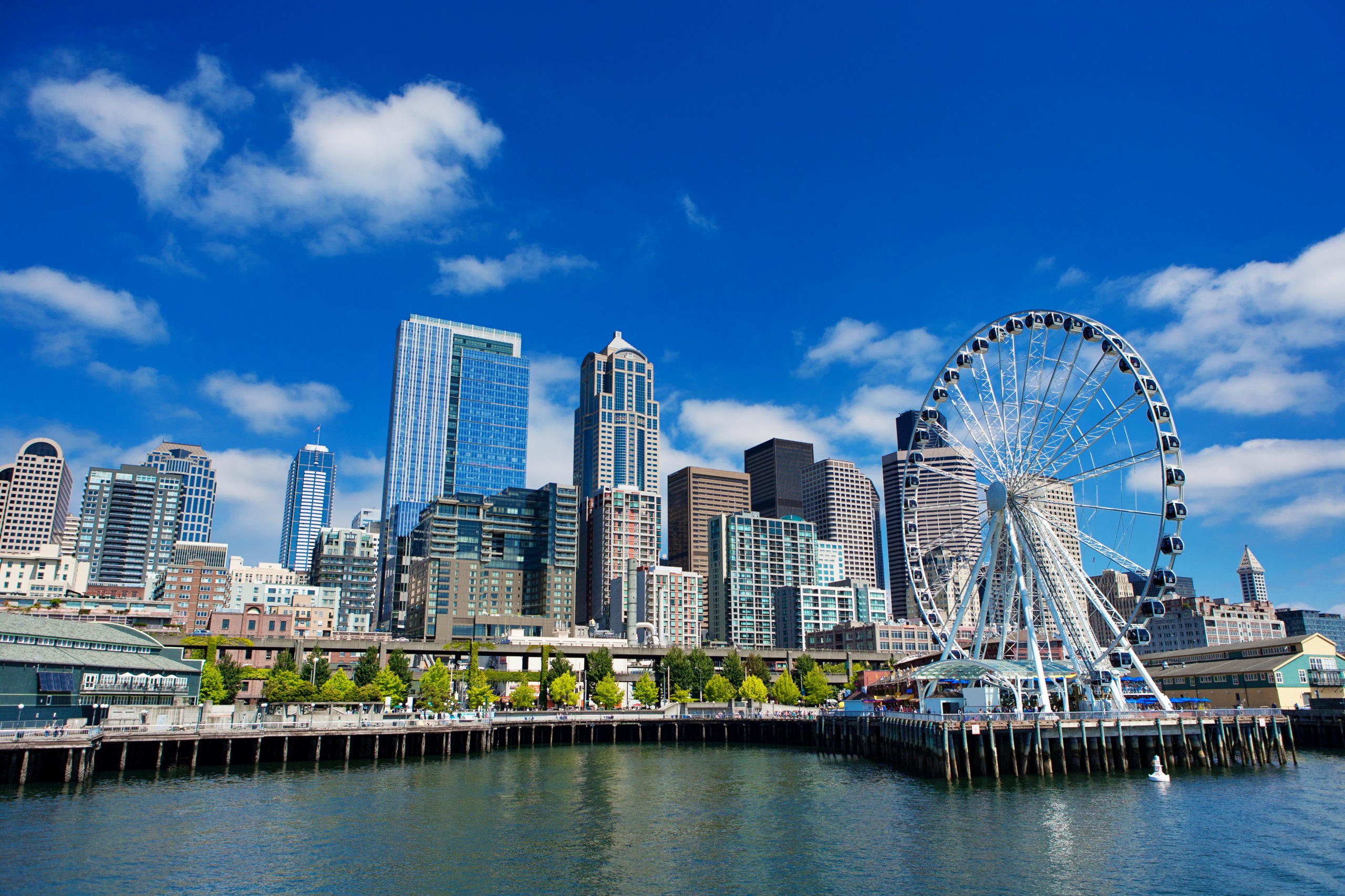
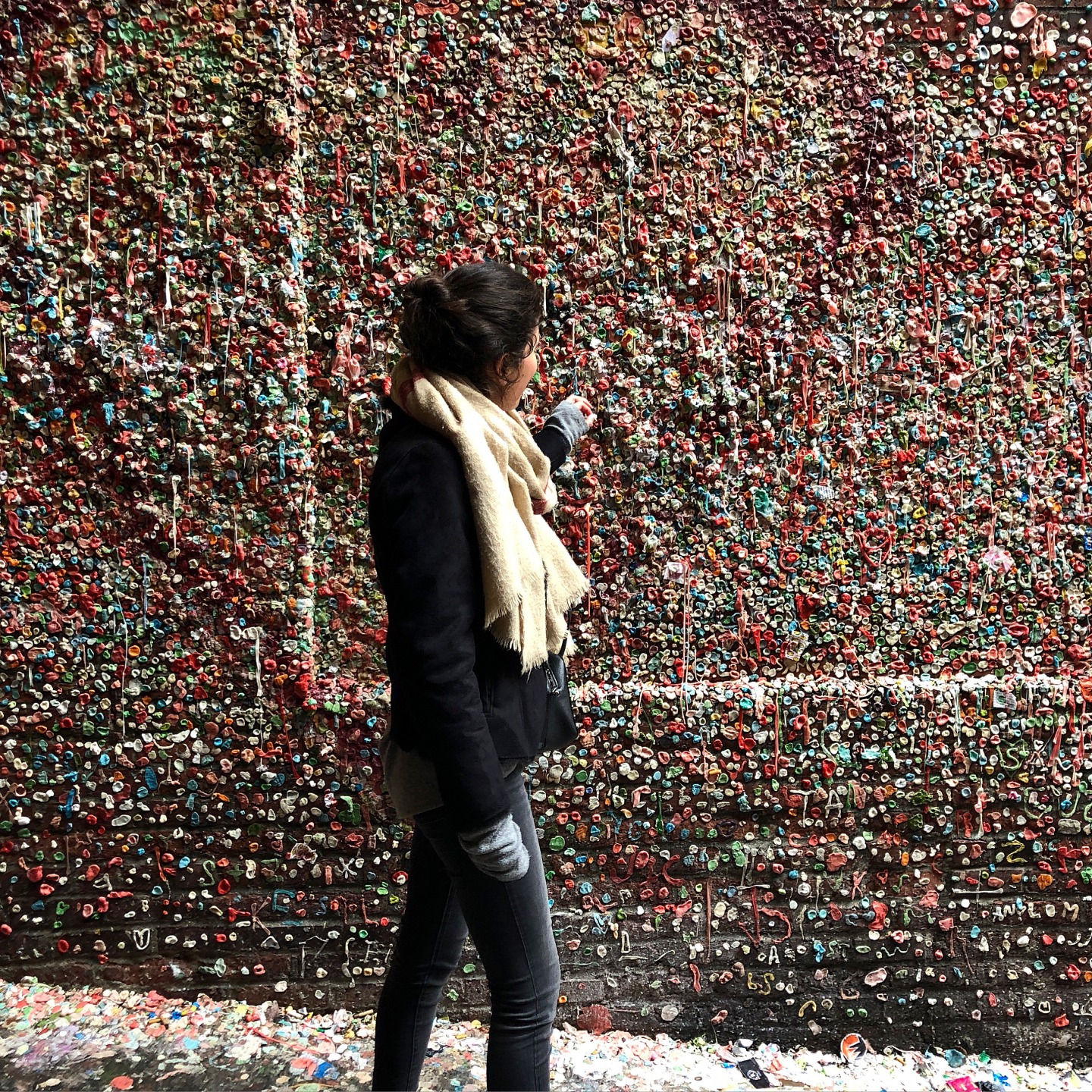
The Space Needle sits on the Seattle Center campus, which clusters several visitable sites within the same area, starting with the Museum of Pop Culture (MoPOP) and Chihuly Garden and Glass just next door. About twenty minutes on foot toward downtown, the Gum Wall and Pike Place Market round out a Seattle day. If you extend into natural areas, the North Cascades National Park lies a few hours' drive to the northeast.
Frequently asked questions
At 400 Broad Street, Seattle, WA 98109, in the Lower Queen Anne neighborhood. It's integrated into Seattle Center, directly adjacent to the Museum of Pop Culture (MoPOP).
Six skydivers have jumped since opening, two without authorization. Two suicides occurred in the 1970s, the last in 1978. Nets and barriers were later added to secure the tower.
May through September, when Seattle's skies are clearest and the Cascade volcanoes are visible. Early morning or late afternoon to minimize wait times.
It's recommended in summer and on weekends: sunset slots sell out first. A combined ticket with the nearby Chihuly Garden and Glass lets you visit both at a reduced rate.
The Space Needle fits naturally into a Seattle city itinerary and opens the door to broader travel in the American Northwest. To plan your visit, explore our United States trip ideas.
Nearby
Interested in this visit?
We can include it in your personalised itinerary.