Santa Monica State Beach
Santa Monica State Beach
A sprawling urban beach in Los Angeles, Santa Monica State Beach combines a historic pier, water sports, and a past marked by early 20th-century racial segregation.
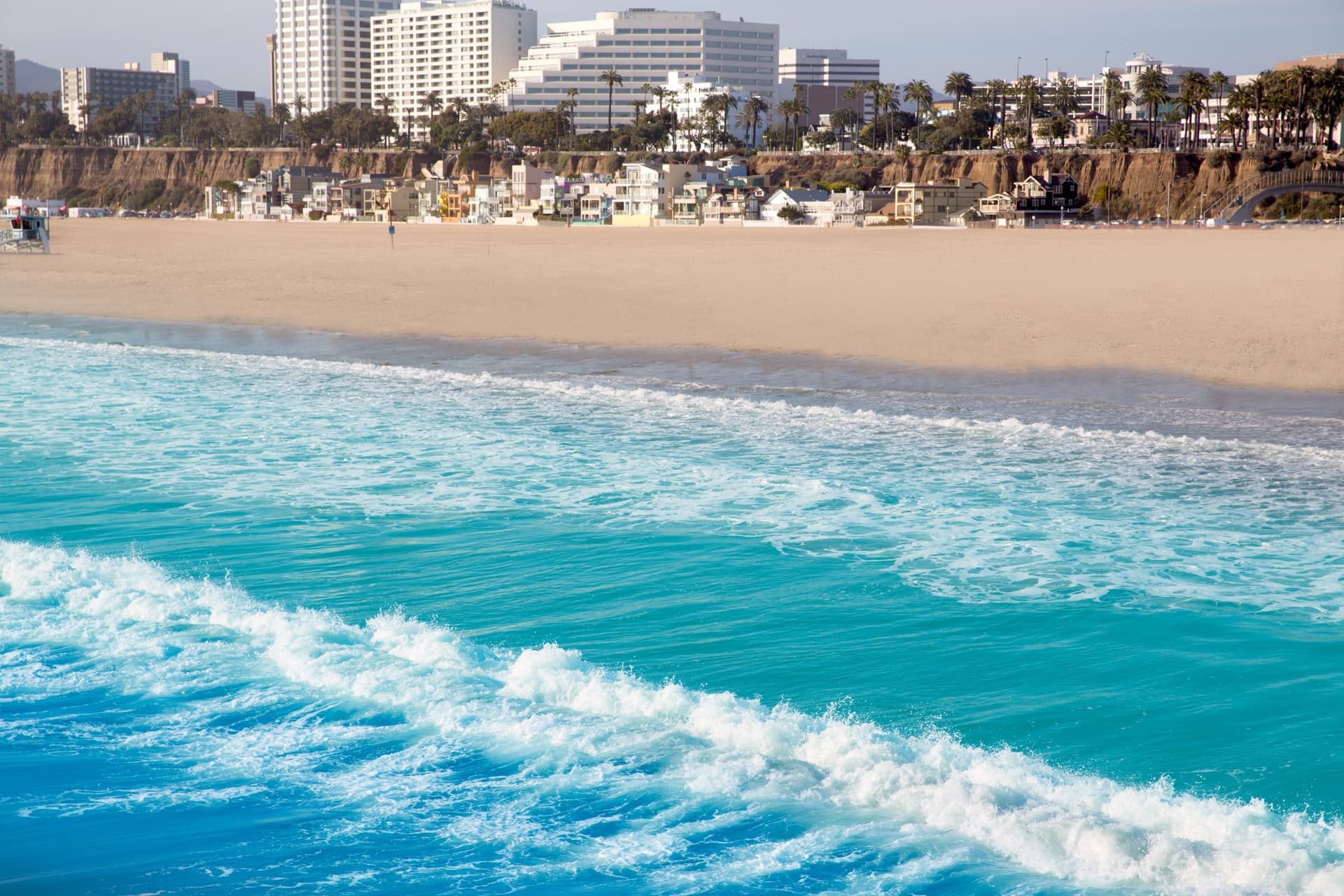
Santa Monica State Beach stretches along Los Angeles's western coast for approximately three miles of sand. This urban beach, extended by its iconic pier, will host the beach volleyball events for the 2028 Summer Olympic Games. It combines water sports and public facilities with a history shadowed by early 20th-century racial segregation.
Why Visit Santa Monica State Beach
The beach offers a rare setting in Los Angeles: a long ribbon of free sand, equipped with bike paths, volleyball courts, lifeguard stations, and facilities for people with limited mobility. Its expanse prevents overcrowding even in summer, and each section has its own character — family-friendly around the pier, sports-oriented toward Ocean Park, quieter in the north near the Annenberg Community Beach House. A public multipurpose center offers pools, tennis courts, and beachfront communal spaces.
The arrival of the metro system has fundamentally transformed the experience: since 2016, the Metro Rail Expo line (now Line E) has made reaching the beach from Los Angeles easy without relying on a car.
A History Marked by Segregation
In the early 20th century, a section of the beach was known as "Ink Well" and "Negro Beach." This area, located at Bay Street and Bicknell Avenue, was one of the few beaches in California offering access to African Americans during an era of racial segregation. Elsewhere along the coast, spaces available to Black visitors were rare: Bruce's Beach in Manhattan Beach and the Pacific Beach Club in Orange County were among the few alternatives, often contested or dismantled by local authorities.
This is where Nick Gabaldon, considered one of California's first documented Black surfers, came to swim. A Santa Monica College student, he would paddle out to Malibu to surf, having few other options. He died in 1951 in an accident at the Malibu pier. A plaque and an annual day (Nick Gabaldon Day) now honor his memory at Santa Monica.
What to See and Do
On the Sand
- Surfing and bodyboarding: waves are accessible for both beginners and experienced surfers; several schools offer equipment rentals on-site.
- Beach volleyball: free public courts, including those that will serve the 2028 Olympics.
- Swimming: marked zones with lifeguard supervision during peak season.
- Cycling and rollerblading: the Marvin Braude Bike Trail runs along the coast for about twenty miles, from Will Rogers to Torrance; rentals are available near the pier.
The Pier and Pacific Park
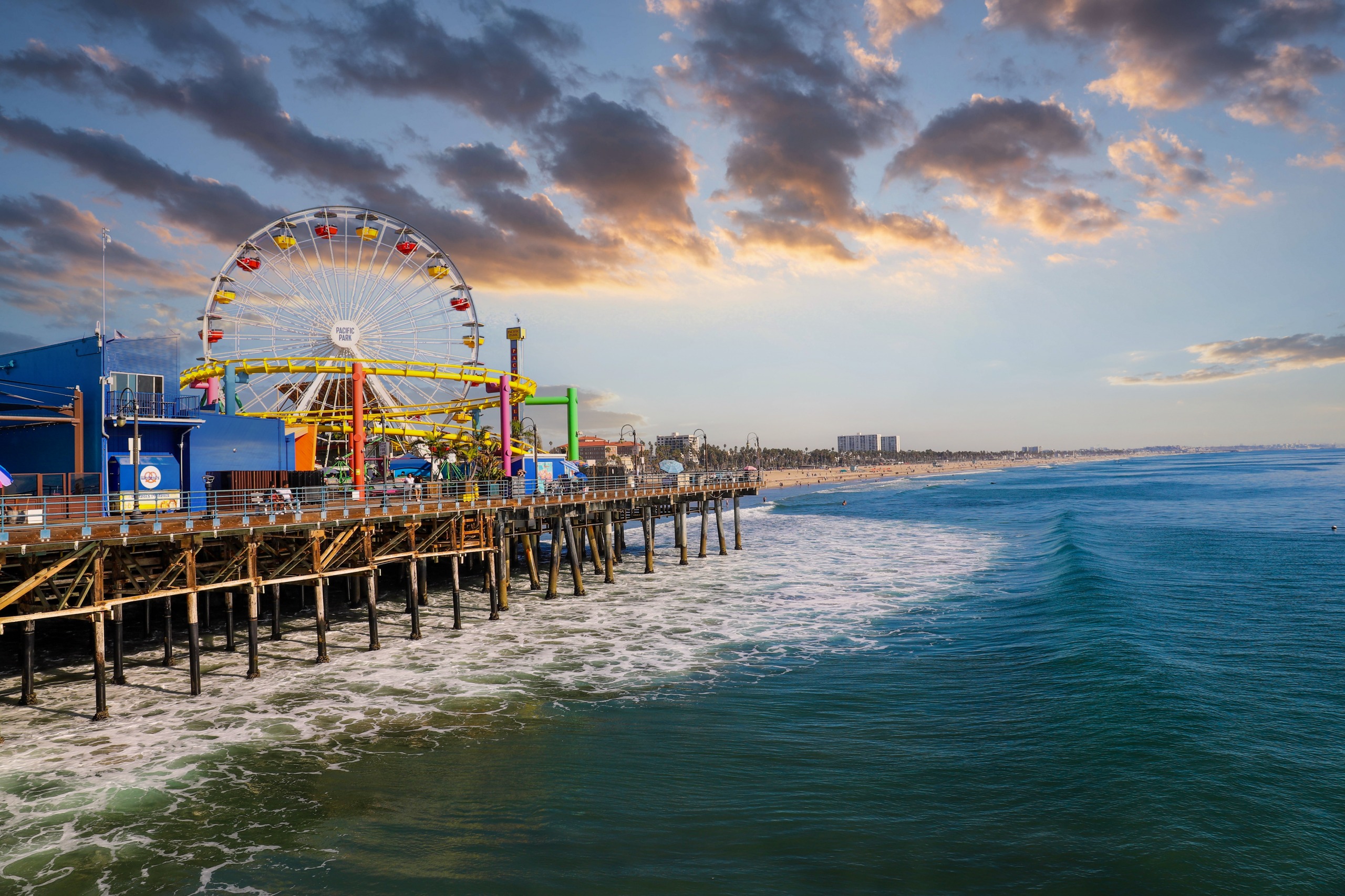
Santa Monica Pier, opened in 1909, extends Colorado Avenue out over the ocean. It is home to Pacific Park (an amusement park featuring a solar-powered Ferris wheel), the Santa Monica Pier Aquarium dedicated to local marine life, plus restaurants and concessions. The entire area can be explored in 1 to 2 hours.
Annenberg Community Beach House
To the north, this multipurpose center is open to the public and offers pools, tennis courts, play areas, and event spaces. Built on the former estate of Marion Davies, it retains historical significance.
Practical Information
- Access: free and open to the public year-round.
- Lifeguards: increased presence from late May through early September; swimming is recommended only in supervised zones.
- Parking: several paid lots along the PCH and at the base of the pier; rates are higher in summer and on weekends.
- Accessibility: wooden pathways ("beach mats") and adapted beach wheelchairs are available at certain access points.
- Duration of visit: plan at least a half-day to combine beach and pier time.
When to Visit
Summer (June-August) draws the largest crowds and offers the warmest water temperatures, around 18-20 °C in the ocean. Spring and early autumn provide a compromise: mild air, still-warm water in September-October, lighter crowds. From November through February, the beach is notably quieter; daytime weather remains pleasant but the ocean is cold and days are shorter. Weekends are consistently busier than weekdays.
How to Get There
By Public Transportation
Line E (formerly Expo) of the metro connects Downtown Los Angeles to Santa Monica in about 50 minutes; the terminus is a ten-minute walk from the pier. Big Blue Bus also serves the beach:
- Line 1: from UCLA and Venice
- Rapid 3: from LAX airport
- Rapid 7: from West LA and Wilshire Boulevard
- Rapid 10: from Downtown Los Angeles
By Car
- I-10 (Santa Monica Freeway): from Downtown Los Angeles
- Santa Monica Boulevard: from West LA
- Pacific Coast Highway / US 1: from Malibu and Santa Barbara
- Lincoln Boulevard: from Venice and LAX airport
Parking remains the main challenge: budget for parking fees or opt for public transportation.
Nearby Attractions
- Third Street Promenade: pedestrian shopping street a ten-minute walk away, with restaurants and boutiques.
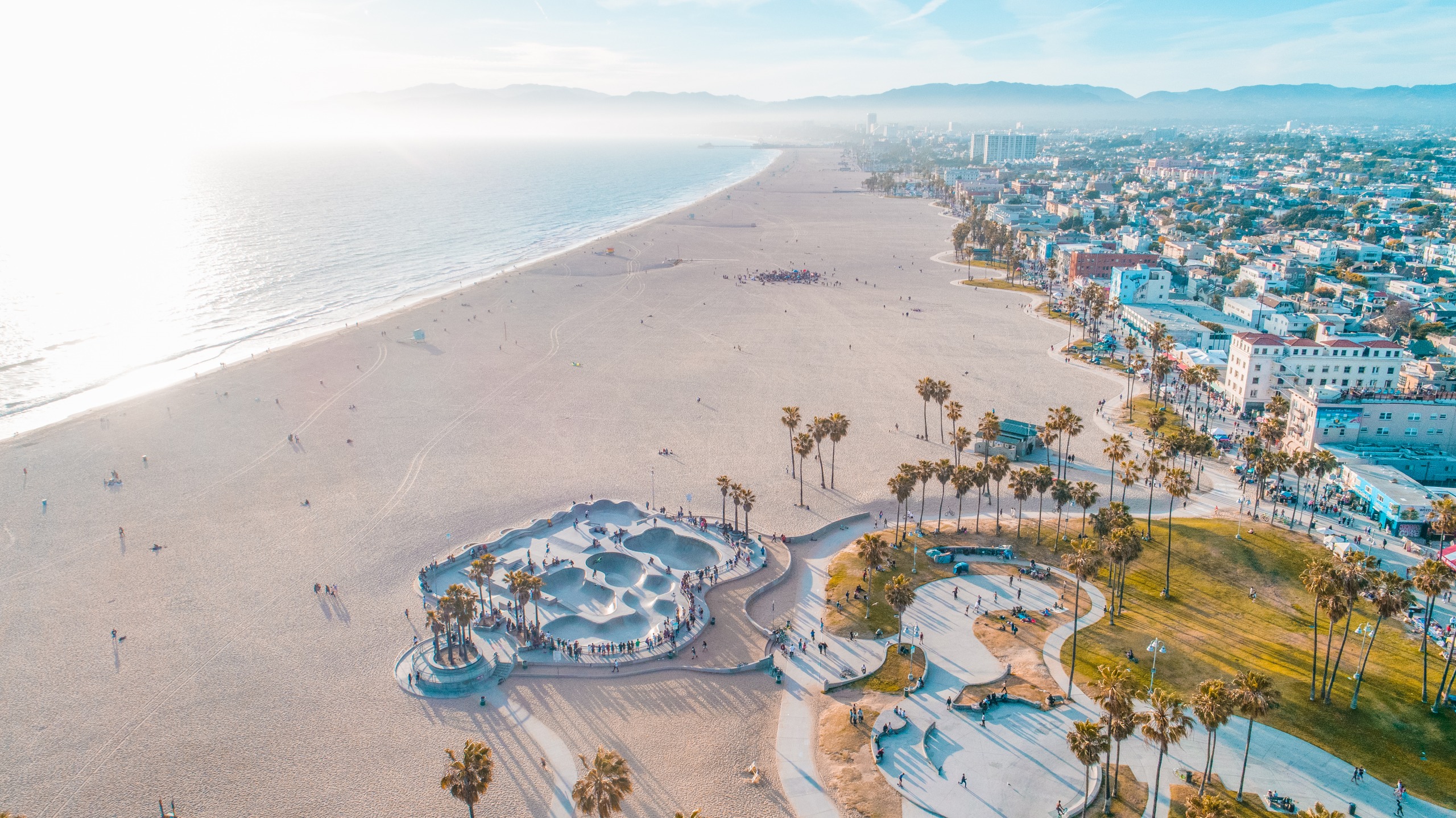
- Venice Beach: southern extension of the coastal promenade, accessible on foot or by bike in about an hour.
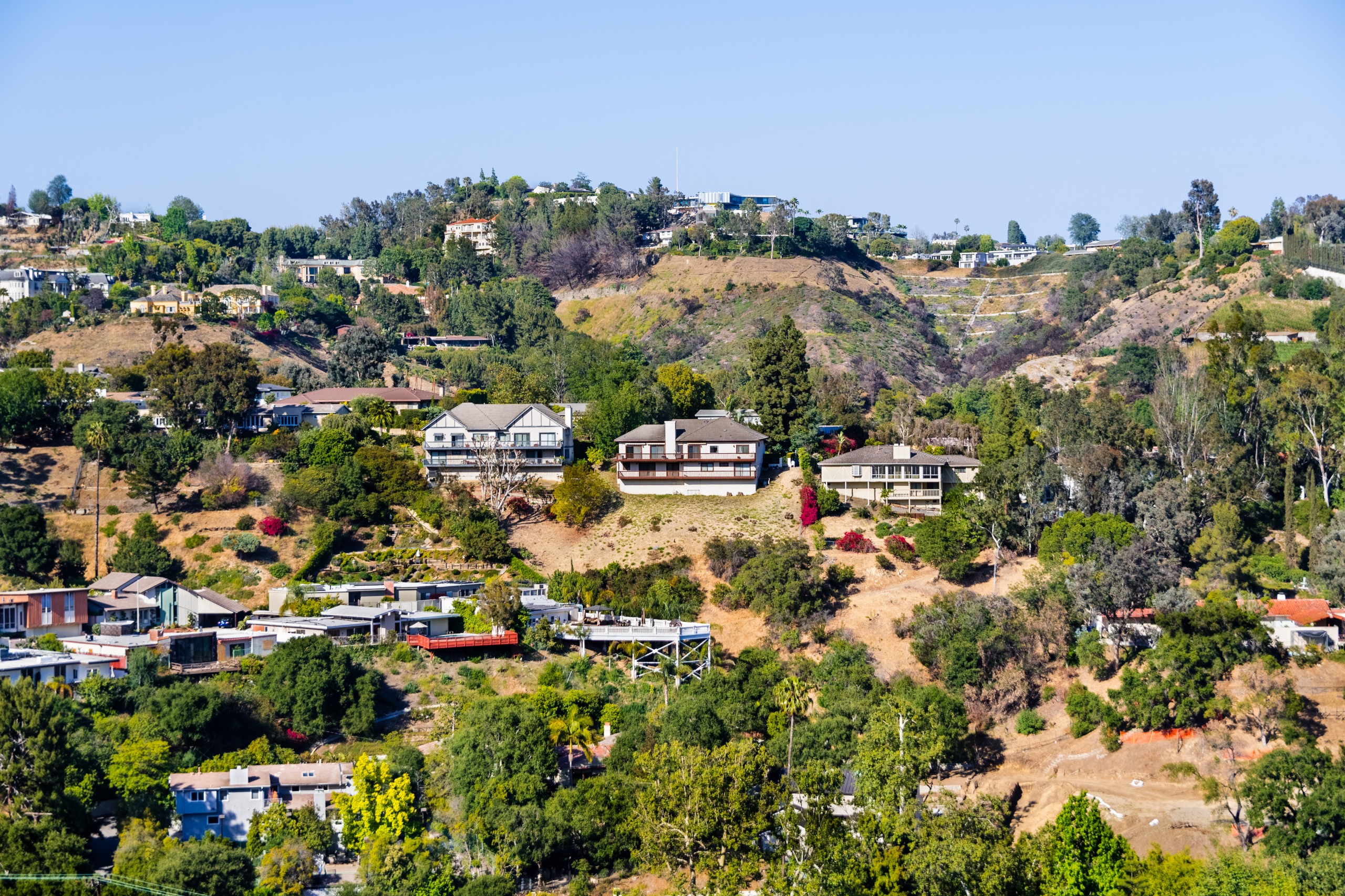
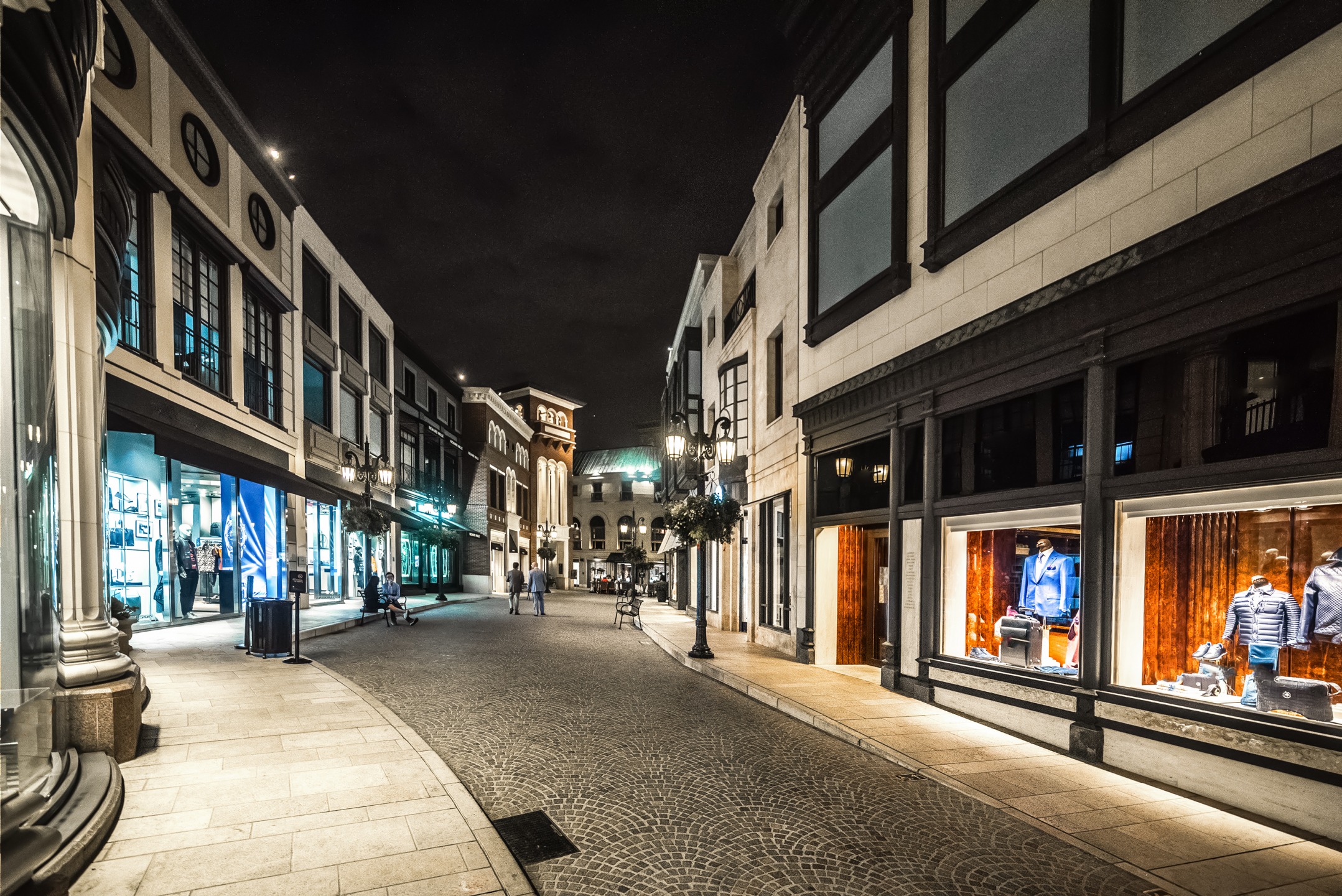
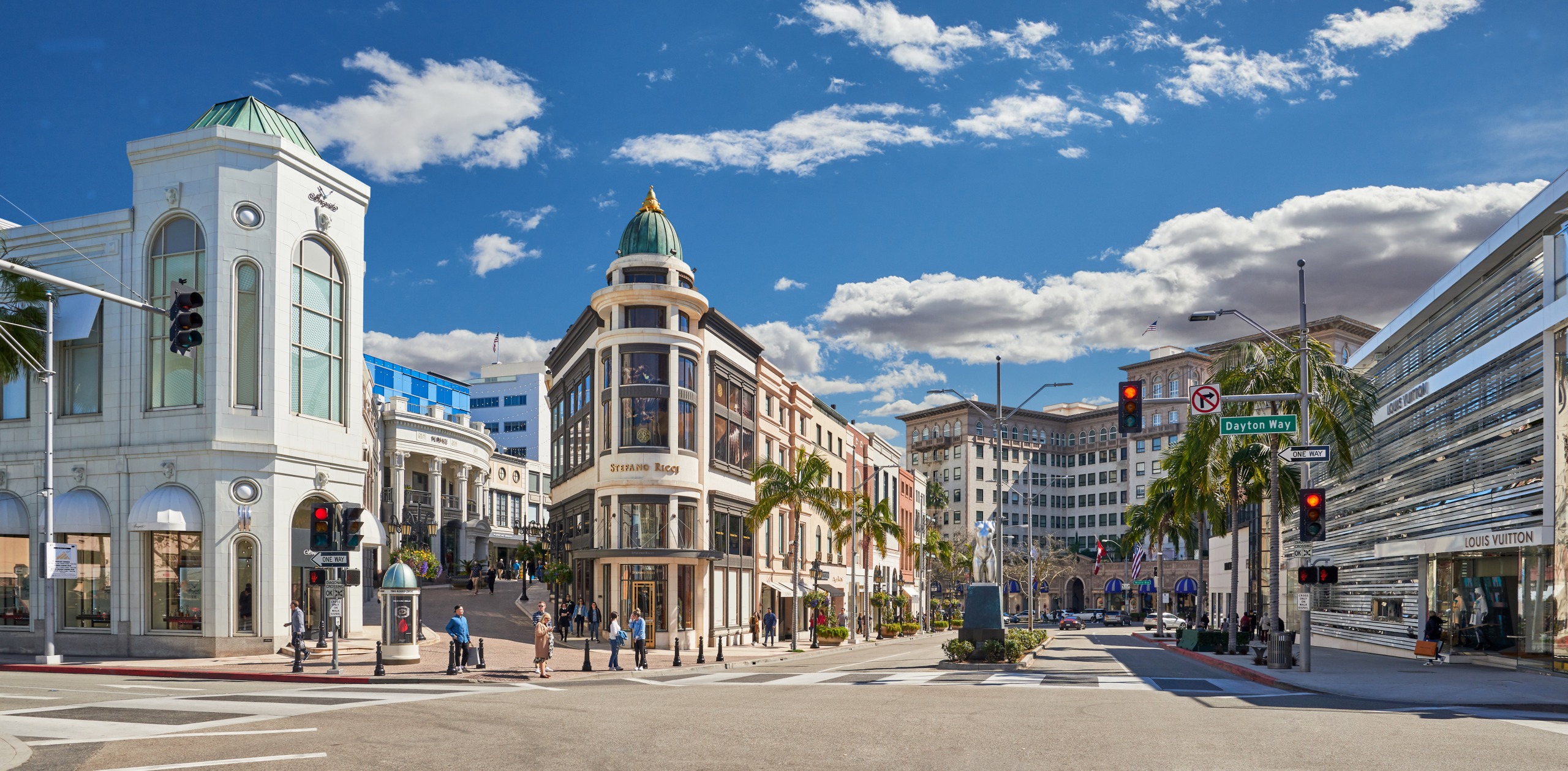
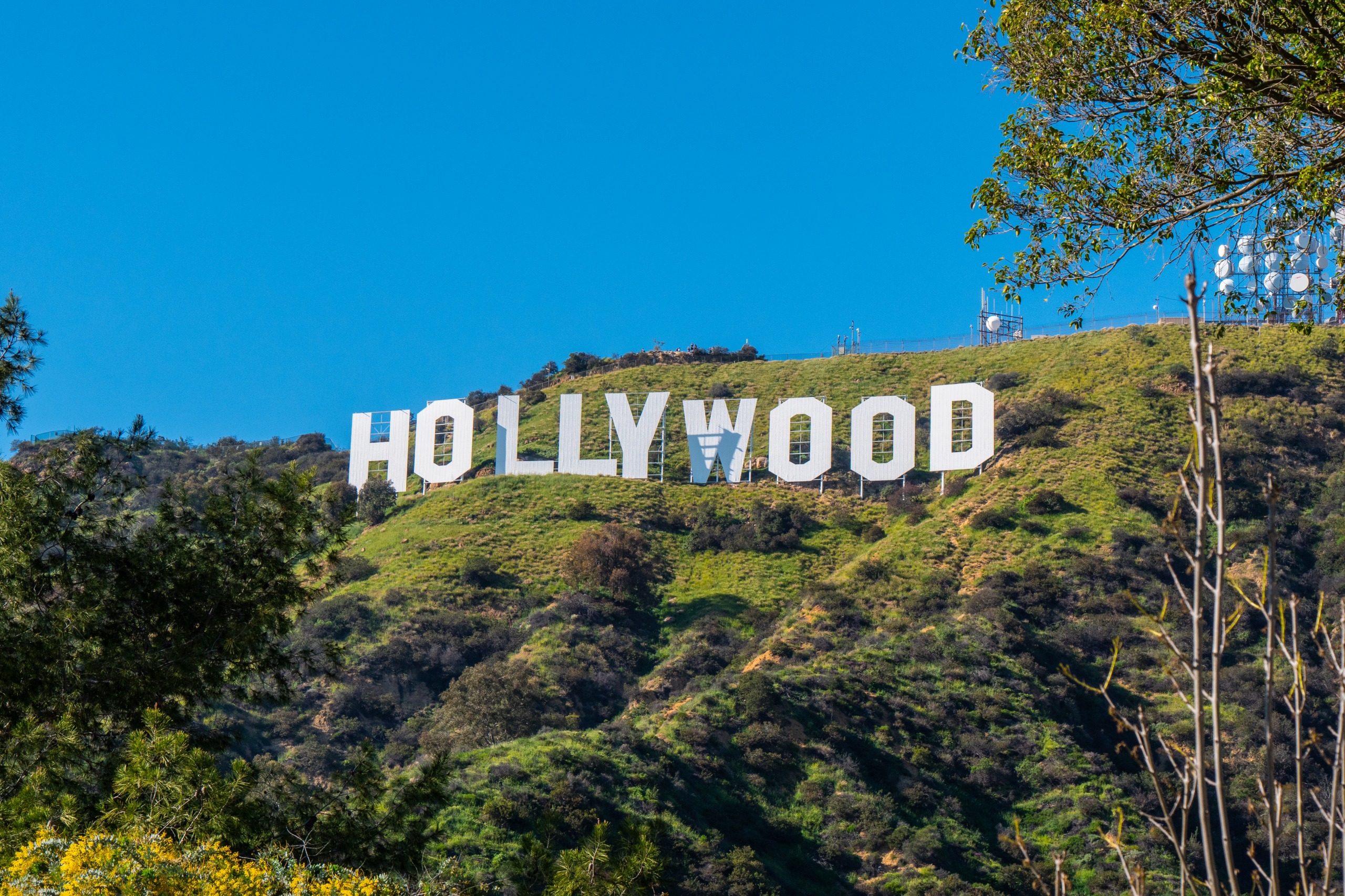
- Hollywood and Beverly Hills: 30-45 minutes by car to the east, to complete a day or a Los Angeles stay.
- Disneyland: approximately one hour's drive south, in Orange County.
Frequently Asked Questions
Frequently asked questions
Plan Your Visit
Santa Monica State Beach naturally lends itself as a stop during a Los Angeles stay, whether for a relaxing day or as a base to explore Hollywood, Beverly Hills, or California's parks. To integrate the beach into a broader itinerary, consult our travel guide to the United States or the destination guide for Santa Monica.
Nearby
Interested in this visit?
We can include it in your personalised itinerary.