Rocky Mountain National Park
Rocky Mountain National Park
In the heart of Colorado, Rocky Mountain National Park brings together peaks above 13,000 feet, 350 miles of trails, and the highest highway in the United States.
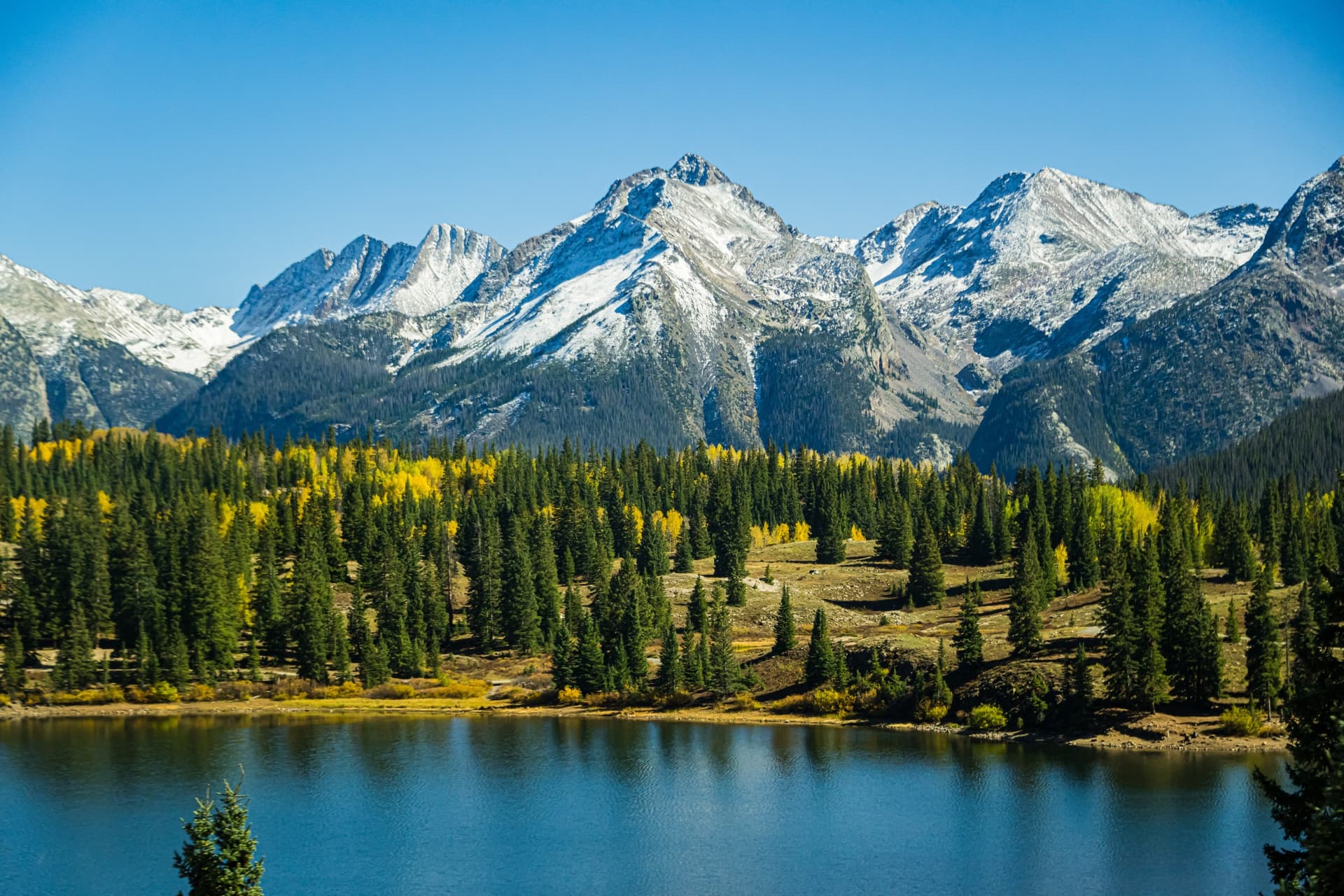
Rocky Mountain National Park sprawls across 416 square miles in Colorado, roughly two hours' drive west of Denver. With peaks exceeding 13,000 feet, 350 miles of trails, and a network of alpine roads, it concentrates the essence of the American Rockies: subalpine forests, glacial lakes, tundra, and iconic wildlife.
Why Visit Rocky Mountain National Park
This park ranks among the most visited in the United States, and rightfully so: the diversity of its ecosystems is rare. Within hours, you transition from a forested valley at 8,000 feet to alpine tundra above 11,500 feet. Trail Ridge Road, the highest paved highway in the United States, climbs to 12,100 feet and allows you to traverse these elevations without strenuous hiking.
The park suits both casual walkers and experienced mountaineers. Longs Peak, the highest point at over 14,000 feet, attracts seasoned hikers, while short trails like Bear Lake remain accessible to everyone.
Park History
The Ute and Arapaho tribes frequented these high valleys for millennia, spending their summers hunting and gathering. The Louisiana Purchase by the United States in 1803 opened the region to explorers, then to miners during the gold rush of the 1860s. The first farms and resort towns, including Estes Park, were established despite harsh winters.
Following the creation of Yellowstone, America's first national park in 1872, a preservation movement gained momentum. From 1909 onward, activists from Estes Park, notably naturalist Enos Mills, campaigned to protect the region. In 1915, the site was designated the 11th national park in the United States. It ranks today among the ten oldest national parks in the country.
What to See and Do
The Trail Network
The park features 350 miles of marked trails, complemented by backcountry camping areas that enable multi-day treks. Several routes give a good sense of landscape variety:
- Bear Lake Trail (0.6 miles), accessible and ideal for a first visit, skirts a subalpine lake surrounded by pines.
- The Haiyaha Lake round-trip (3.7 miles), more demanding, crosses scree slopes and offers views of turquoise waters.
- Trails to Ouzel Falls and Alberta Falls, which cascade into Glacier Creek.
- Longs Peak ascent (14,259 feet), reserved for trained hikers, requires a pre-dawn start and good acclimatization.
Depending on season, you can also fish, climb, snowshoe, or backcountry ski.
Scenic Drives
Trail Ridge Road climbs to 12,100 feet, making it the highest paved highway in the United States. It crosses Milner Pass on the Continental Divide, the watershed line between the Atlantic and Pacific.
Old Fall River Road, the first road built in the Rockies in the 1920s, retains its rustic character with a one-way gravel section. It serves the Endovalley Overlook, Chasm Falls, and Chaplin Creek Trail. To enter the park from the southeast, Highway 36 passes through Lyons and Boulder, with views of red sandstone formations and Roosevelt National Forest.
Wildlife and Birds
Elk, mule deer, moose, and bighorn sheep inhabit the alpine meadows, particularly visible at dawn and dusk. Along Trail Ridge Road, yellow-bellied marmots are regularly observed. Pikas, chipmunks, Abert's squirrels, and snowshoe hares complete the fauna of alpine and forest zones.
Nearly 300 bird species, both resident and migratory, have been recorded in the park, including white-tailed ptarmigan, pygmy nuthatch, and American dipper. Raptors, hummingbirds, and owls are also well represented.
When to Visit
The best period to visit extends from June through September, when alpine roads and trails are clear after snowmelt. Temperatures remain cool at elevation even in midsummer, and afternoon thunderstorms are frequent: start hikes early in the morning.
Autumn, in September and October, coincides with the elk rut and golden aspen colors. Winter allows backcountry skiing and snowshoeing, but Trail Ridge Road and Old Fall River Road close to traffic.
Practical Information
Park entry is fee-based (moderate daily rate per vehicle) and free for holders of the annual United States national parks pass. During peak summer season, a timed-entry permit system regulates crowds: reservations are made in advance on the official website.
The park is theoretically open year-round, but some visitor centers, campgrounds, and shuttle services operate on a seasonal schedule. Several roads close in winter. Check conditions on the official website before departing.
How to Get There
The park lies approximately two hours' drive west of Denver, the nearest major airport. The two main entrances are Beaver Meadows, on the Estes Park side (east slope), and Grand Lake (west slope), connected by Trail Ridge Road in season.
Free shuttles serve the main trailheads in the Bear Lake area during summer, reducing parking congestion. To explore scenic drives and remote trails, renting a car remains the most flexible option.
Nearby Attractions
Colorado and neighboring states feature additional natural sites that complement an itinerary in the Rockies:
- Crater Lake National Park, in Oregon, harbors the deepest lake in the United States, formed within a volcanic caldera.
- Cave of the Winds, near Colorado Springs, offers exploration of a limestone cavern system.
- Cadillac Ranch, in Texas, is an iconic stop for those combining natural parks with American pop culture.
Frequently Asked Questions
Frequently asked questions
Yes, during peak summer season (typically late May through mid-October), a timed-entry permit is required in addition to the entrance fee. Reservations are made on the official national parks website. Outside this period, access is available without advance reservation.
One day allows you to drive Trail Ridge Road and hike a short trail around Bear Lake. To explore multiple areas and attempt an ascent like Longs Peak, plan two to four days.
No. This alpine road closes with the first snows, typically between mid-October and late May depending on the year. It reopens progressively after snowplowing, depending on conditions.
Yes, particularly at dawn and dusk in the meadows of Moraine Park, Horseshoe Park, and Kawuneeche Valley. Elk, deer, and marmots are very prevalent. Always maintain at least 80 feet distance from large mammals.
Yes, trails and roads reach above 11,500 feet. Stay hydrated, ascend gradually, and avoid strenuous activity on your first day, especially if arriving directly from Denver (5,280 feet).
Plan Your Trip
Rocky Mountain National Park fits naturally into a broader circuit across the American West. To build a customized itinerary incorporating the Rockies, neighboring parks, and major cities, explore our United States travel ideas.
Interested in this visit?
We can include it in your personalised itinerary.