Redwood National Park
Redwood National Park
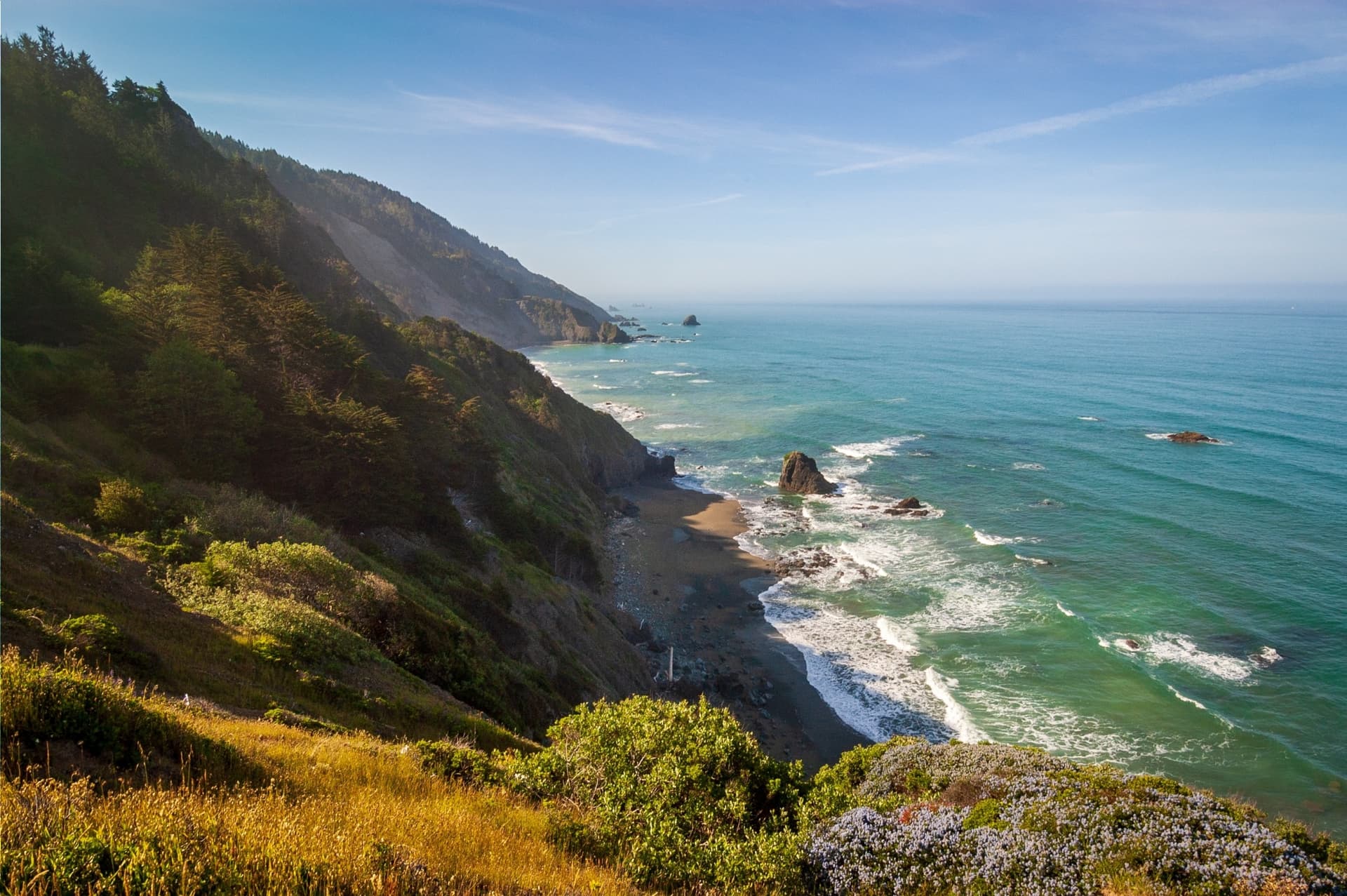
Redwood National Park protects 160 km² of giant coastal redwoods in Northern California, set among ancient forests, Roosevelt elk meadows, and Pacific beaches.
Redwood National Park stretches across Northern California along the Pacific Coast Highway. It shelters coast redwoods (Sequoia sempervirens), among the tallest trees on the planet, across a 530 km² territory that blends ancient forests, meadows, rivers, and Pacific beaches. The entire site has been inscribed as a UNESCO World Heritage Site since 1980.
Why visit Redwood National Park
The park protects more than 160 km² of redwoods—the largest continuous expanse of these preserved trees in the world. Beyond the giants, the site offers remarkable ecosystem diversity within just a few kilometers: fern-filled understory, misty canyons, meadows inhabited by Roosevelt elk, coastal bluffs, and wild beaches. This concentration makes it possible to combine forest hiking, scenic driving, and ocean swimming all in a single day.
Access is free across most of the park, and well-marked trails suit all levels, from 2 km walks to full-day loops.
History
Before settlers arrived, several Native American peoples—including the Yurok, Tolowa, and Karuk—inhabited this forested region. They used redwood timber to build homes and canoes but harvested only fallen trees, demonstrating deep respect for the forest.
The Gold Rush of the 1840s transformed the landscape: timber demand soared and commercial logging devastated large portions of the original forests. Alarmed by this destruction, the organization Save the Redwoods League was founded in 1918. Its land acquisitions led to the creation of three state parks: Jedediah Smith Redwoods, Prairie Creek Redwoods, and Del Norte Coast Redwoods.
The Redwood National Park was not established by Congress until 1968, when it absorbed surrounding lands to form a protected zone of 530 km². The entire area was inscribed as a UNESCO World Heritage Site in 1980, recognizing the exceptional ecological value of these ancient forests.
What to see and do
Walking among the redwoods
Several trails allow you to approach the giant trees according to your available time:
- Karl Knapp Trail at Prairie Creek (5 km): a family-friendly route following the river beneath dense canopy.
- Grove of Titans Loop (2 km): wooden boardwalk designed to protect root systems, accessible to most visitors.
- James Irvine Trail to Fern Canyon (19 km loop): the park's most comprehensive hike, crossing a spruce forest, the fern-lined canyon made famous by film shoots, then a wild beach. Allow a full day.
Cycling
The park's southern section features several cycling trails. Electric-assist bikes are permitted on most paths, provided you respect reserve boundaries. The Davison Trail (3 km) suits beginners. From October through May, the Newton B. Drury Scenic Parkway closes to vehicles on the first Saturdays of the month, becoming reserved for walkers and cyclists.
Camping on-site
Four campgrounds operate within the park: Jedediah Smith, Mill Creek, Elk Prairie, and Gold Bluffs Beach. Each offers a distinct setting—deep forest, meadow edge, or oceanfront. Reservations are strongly advised during peak season, and some sites provide accessibility accommodations.
Reaching the coast
The park includes an extensive Pacific shoreline. Crescent Beach and Gold Bluffs Beach are vehicle-accessible. Enderts Beach and Hidden Beach require a brief walk. At low tide, tide pools reveal sea anemones and other invertebrates. Roosevelt elk are frequently spotted in meadows bordering the beach.
Scenic drive
For those with limited time, the Newton B. Drury Scenic Parkway traverses the Prairie Creek Redwoods State Park area for about ten kilometers. Several pullouts allow short walks to the tallest trees without committing to a full hike.
Practical information
Park entry is free across most sectors. Fees apply at campgrounds and some daytime tourism areas (modest rates, verify on-site). The America the Beautiful pass covers federal sites, but State Parks apply their own fees; a California State Parks pass proves useful if planning multiple days.
Given the park's vast size, substantial travel time between sectors is necessary. A car is essential. A 4x4 may prove helpful on unpaved secondary roads (such as the Gold Bluffs Beach access), but main routes and most trailheads are accessible by standard vehicle.
When to visit
The Northern California oceanic climate makes the park visitable year-round, though with cool temperatures and high humidity. Rainfall concentrates from November through March. May through September offers optimal conditions for hiking and camping, with longer daylight and dry trails. Coastal fog is frequent in summer; it supports the redwood ecosystem but reduces visibility at the shoreline.
How to get there
The park extends along the Pacific Coast Highway (US-101) in Del Norte County and northern Humboldt County. The most convenient airports are:
- San Francisco: approximately 5 to 6 hours' drive north.
- Sacramento: approximately 6 hours' drive.
- Portland (Oregon): approximately 6 hours' drive south.
The park fits naturally into a road trip combining the California and Oregon coasts.
What to see in the region
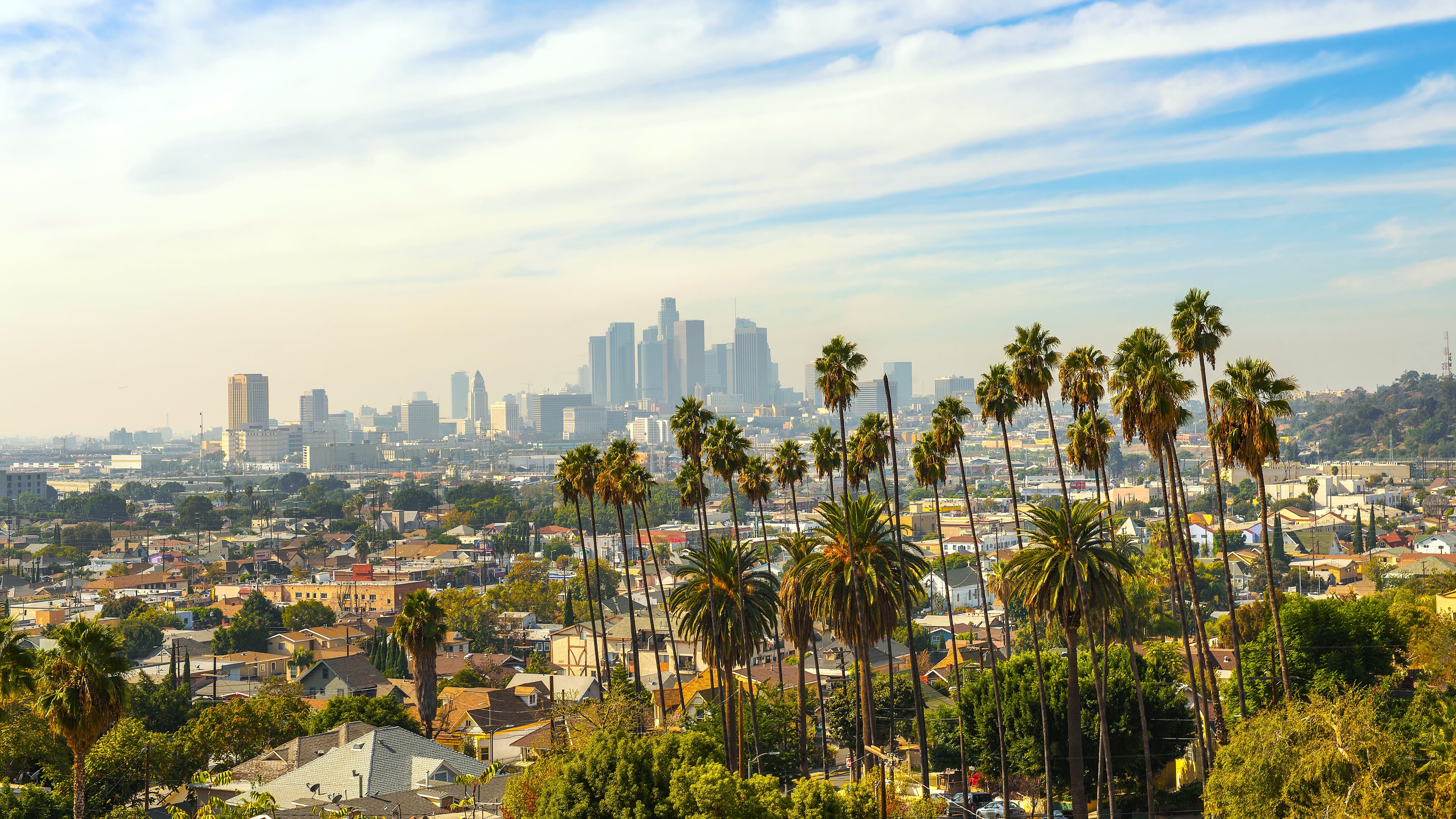
Redwood National Park lends itself to a broader itinerary across the American West. To the north, North Cascades National Park offers a strikingly different mountain experience. To the south, San Francisco and its Golden Gate Bridge make a logical urban stop before continuing toward Beverly Hills and Southern California.
Frequently asked questions
Frequently asked questions
One day allows you to drive the scenic parkway and tackle one or two short trails. To explore the main sectors (redwoods, Fern Canyon, beaches), plan two to three days, with a night in or near the park.
Roosevelt elk are regularly spotted in meadows, particularly at Elk Prairie. The park also shelters black bears, deer, river otters, and numerous bird species. Along the coast, sea anemones and starfish appear in tide pools at low tide.
The site comprises a federal national park and three state parks. Jedediah Smith Redwoods (in the north) is renowned for dense forests crossed by the Smith River. Del Norte Coast Redwoods blends forest and shoreline. Prairie Creek Redwoods (in the south) concentrates the most popular trails, including Fern Canyon and the Newton B. Drury Scenic Parkway.
Yes, especially from June through September. The park's four campgrounds often fill completely several weeks in advance during summer and extended weekends.
Planning your next destination
Redwood National Park fits into a larger itinerary along the West Coast. To build a trip combining major parks, California cities, and coastal stops, consult our États-Unis travel suggestions.
Interested in this visit?
We can include it in your personalised itinerary.