Prospect Park
Prospect Park
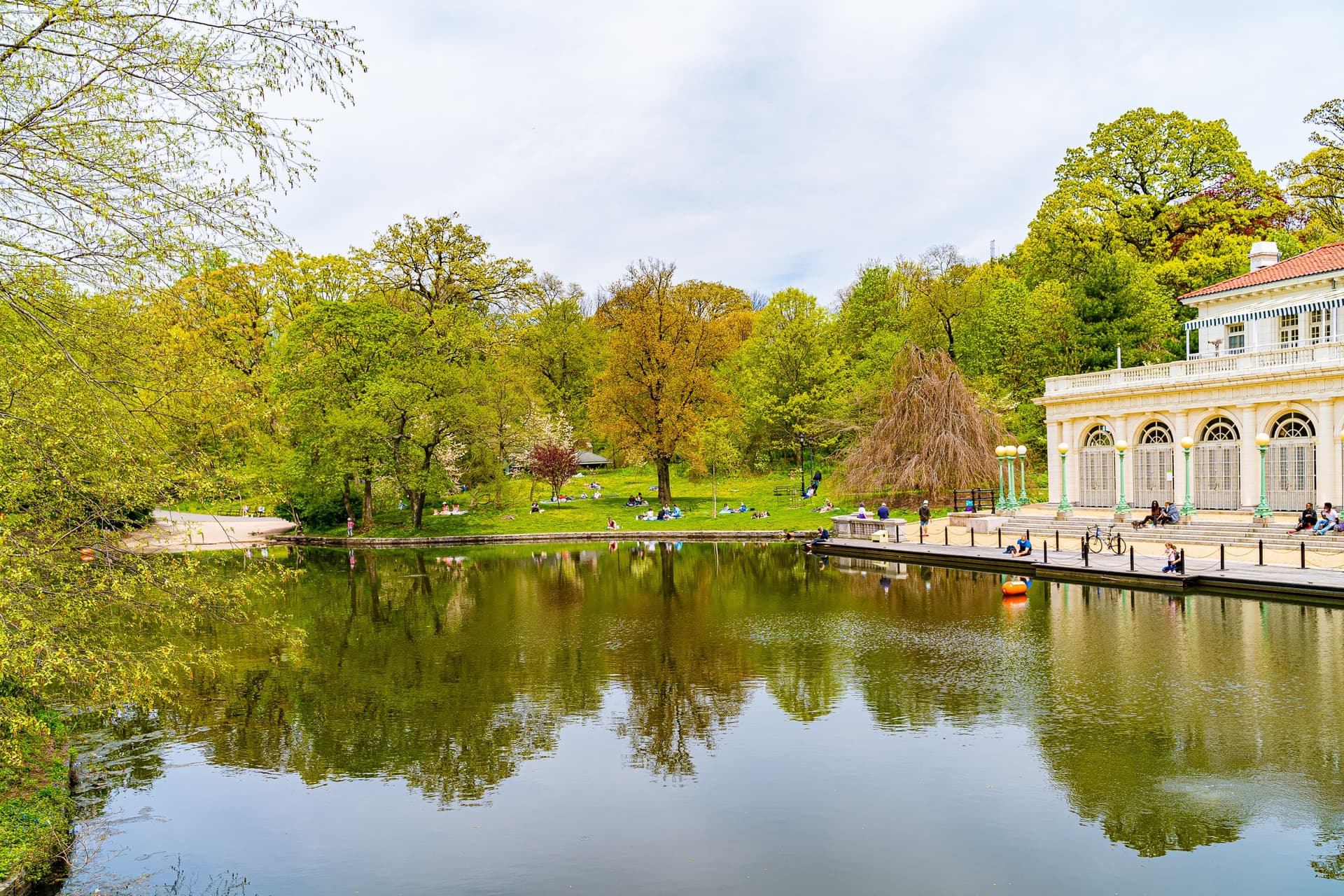
Designed by Olmsted and Vaux ten years after Central Park, Prospect Park spans 213 hectares in the heart of Brooklyn, between Grand Army Plaza, Long Meadow and the lake.
Brooklyn's second-most visited park and New York's fifth-largest green space, Prospect Park spreads across 213 hectares in the heart of the borough. Designed by landscape architects Frederick Law Olmsted and Calvert Vaux, who also created Central Park, it welcomes over 6 million visitors annually and maintains a more wooded and less formal character than its Manhattan counterpart.
Why Visit Prospect Park
The park combines three key attractions that make it a worthwhile stop during a New York visit: architectural heritage concentrated around Grand Army Plaza, diverse natural features with lake, meadow and woodlands, and several cultural facilities (zoo, adjacent botanical garden, carousel). Its size allows for exploration on foot or by bike depending on your available time, and its atmosphere remains predominantly local, frequented by residents of the surrounding neighborhoods.
A Story Signed by Olmsted & Vaux
Prospect Park opened in 1867, ten years after Central Park. Frederick Law Olmsted and Calvert Vaux, already the authors of Manhattan's park, considered this their most accomplished project: in Brooklyn, they had more homogeneous terrain and could freely apply their vision of a composed rural landscape, with long vistas, water and groves.
Several amenities were added over time. The current carousel, imported from Coney Island in 1952, still operates seasonally. The Prospect Park Zoo, in its modern configuration, reopened in 1993 following a complete overhaul. The Audubon Center, dedicated to nature observation and housed in the Boathouse, was established in 2002.
What to See in the Park
Grand Army Plaza
The main entrance takes the form of a grand oval plaza dominated by the Soldiers' and Sailors' Memorial Arch, a commemorative arch dedicated to Union soldiers during the Civil War (1860s) and topped with a Victory quadriga. The plaza houses several monuments:
- the John F. Kennedy Memorial
- the Henry W. Maxwell Memorial
- the statue of General Gouverneur Kemble Warren
- the Bailey Fountain
Saturday mornings, the plaza hosts the Grand Army Plaza Greenmarket, a farmers market featuring regional New York producers (mornings through mid-afternoon).
Long Meadow and the Lake
In the northern section of the park, Long Meadow is a vast open lawn, one of the largest urban meadows in the United States. It's used for picnicking, jogging, baseball, soccer and frisbee. To the south, Prospect Park's lake, Brooklyn's only natural body of water, offers summer water activities (paddle boats, kayaks) and transforms in winter, on its developed section (LeFrak Center), into an open-air skating rink.
Prospect Park Zoo
Located in the northeastern corner of the park, the zoo houses approximately 900 animals representing 200 species. Among the most notable residents are the red panda, Pallas's cats, sea lions (with public feedings at midday) and several bird species. Its modest size makes it ideal for family visits; allow 1.5 to 2 hours.
Brooklyn Botanic Garden (Adjacent)
Adjacent to the park in its northeastern corner but administratively independent, the Brooklyn Botanic Garden houses over 10,000 plant species across 21 hectares. Its collection of Japanese cherry trees is renowned: the sakura bloom, between April and May depending on the year, culminates in the Sakura Matsuri (Cherry Blossom Festival), a two-day celebration centered on the flowering trees. A Japanese garden, rose garden and climate-controlled greenhouses round out the experience.
When to Visit
Prospect Park is open year-round, but each season highlights a different aspect:
- Spring (April-May): cherry blossom bloom at the Botanic Garden, magnolias, mild temperatures.
- Summer (June-August): outdoor concerts at the Bandshell, paddle boating on the lake, lively Saturday market. Strong local crowds on weekends.
- Fall (October-November): fall foliage in wooded areas (Ravine), light ideal for walking.
- Winter (December-February): skating rink open at LeFrak Center, open park.
To avoid crowds, visit on weekday mornings.
Practical Information
- Park Access: free and open to all, accessible from early morning until late evening daily.
- Zoo and Botanical Garden: paid entry (moderate fees, free for young children at the garden), hours vary by season. Check official websites before your visit.
- Recommended Duration: half a day for the park alone, a full day if including the zoo and Brooklyn Botanic Garden.
- Bike Rental: available around the park (Citi Bike stations at Grand Army Plaza and Prospect Park West).
How to Get There
From Manhattan, subway lines 2 and 3 serve Grand Army Plaza station, at the main entrance. Lines B and Q arrive at Prospect Park (east side, near the zoo), and line F serves the western entrances (15th Street-Prospect Park). The park has multiple entrances, allowing you to tailor your arrival to the neighborhood you're visiting.
Nearby Attractions
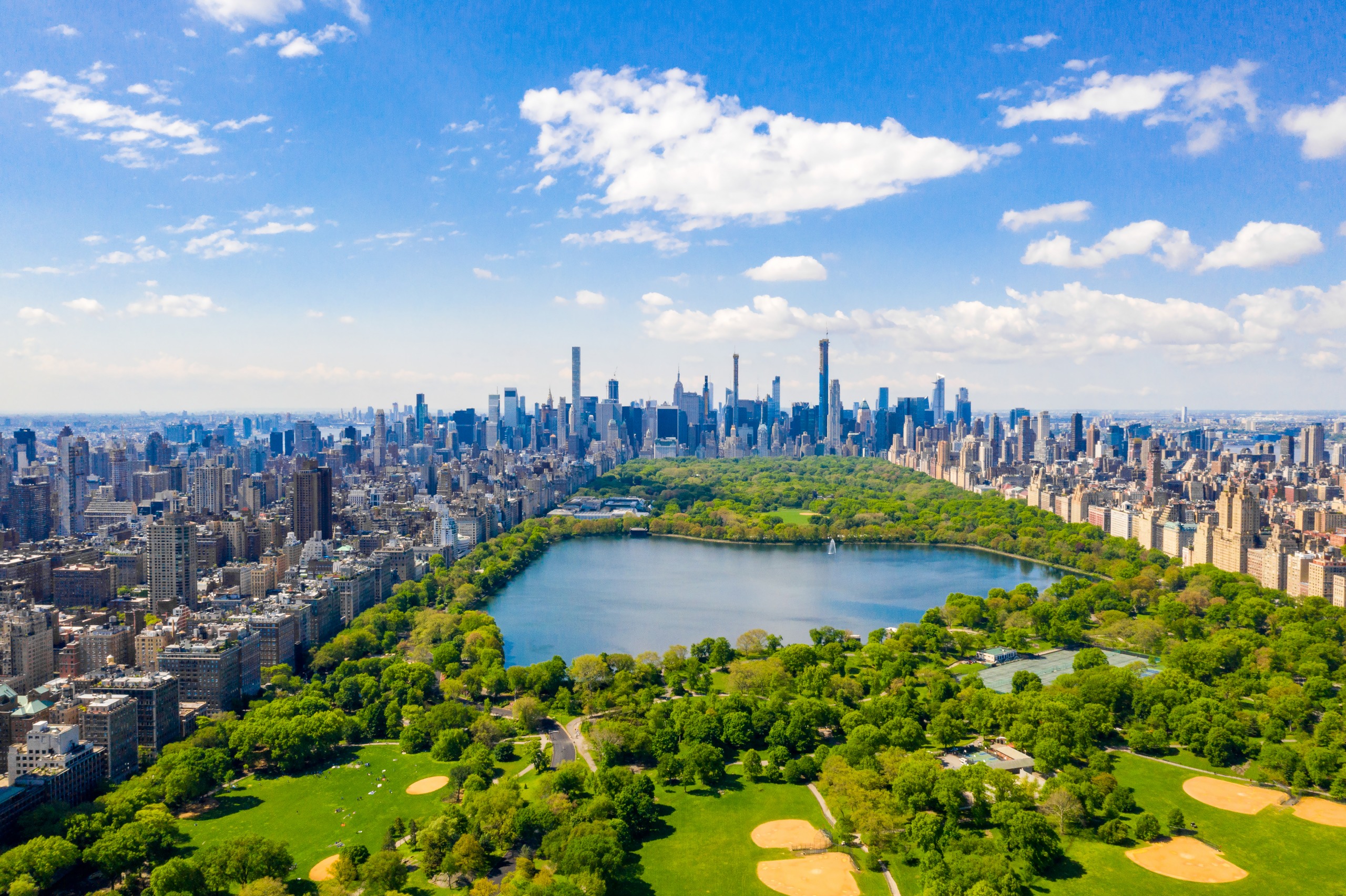
Prospect Park is surrounded by interesting residential neighborhoods: Park Slope with its brownstones, Prospect Heights home to the Brooklyn Museum, Windsor Terrace, Prospect Lefferts Gardens and Flatbush. To compare with its Manhattan counterpart, continue your experience at Central Park, designed by the same landscape architects. In New York, you can also explore the theaters of Broadway. Further north in the state, the Finger Lakes and Niagara Falls make natural extensions for a trip in the region.
Frequently Asked Questions
Frequently asked questions
Yes, access to the park is free and open to all. Only the zoo, carousel and certain LeFrak Center activities (skating rink, paddle boat rentals) are paid. The neighboring Brooklyn Botanic Garden, though separate, also has its own admission fee.
Allow 2 to 3 hours for a walk combining Grand Army Plaza, Long Meadow and the lake. A full day is recommended if you include the zoo and Brooklyn Botanic Garden.
The sakura bloom at the Brooklyn Botanic Garden occurs between late April and early May depending on the weather. Sakura Matsuri typically takes place over two days at peak bloom.
Both parks share the same designers, but Prospect Park is more wooded, less crowded with tourists and more representative of New York neighborhood life. Central Park remains more iconic and better connected to Manhattan museums. If your schedule allows, the two complement each other well.
The simplest way is to take lines 2 or 3 of the subway and exit at Grand Army Plaza, at the main entrance. Lines B, Q and F serve other park entrances.
Include Prospect Park in Your Trip
Brooklyn and Prospect Park fit naturally into a New York itinerary. To build a custom itinerary in the United States, explore our travels to the United States designed with our local agencies.
Nearby
Interested in this visit?
We can include it in your personalised itinerary.