McKinney Falls
McKinney Falls
Just 20 minutes from Austin, McKinney Falls State Park combines waterfalls on Onion Creek, hiking trails, 19th-century ruins and a Native American rock shelter.
About twenty minutes from downtown Austin, McKinney Falls State Park brings together within a few square kilometers waterfalls cascading over limestone ledges, wooded trails, 19th-century ruins, and a rock shelter that sheltered Native American peoples centuries ago. A site combining both nature and history, easily accessible by car from the Texas capital.
Why visit McKinney Falls
The park combines several advantages within a compact area: two distinct waterfalls (Upper Falls and Lower Falls) on the Onion Creek river, roughly fifteen kilometers of marked trails, historical remains linked to a Texas pioneer, and a rock shelter bearing witness to Native American occupation. Its immediate proximity to Austin makes it an ideal half-day or full-day escape without complicated logistics.
Unlike major Texas national parks such as Big Bend or Palo Duro Canyon, McKinney Falls remains a nearby destination, frequented mainly by Austin residents for hiking, summer swimming, and waterside picnicking.
Site History
Long before the park's creation, the Onion Creek river attracted the Tonkawa, Lipan Apache, and Comanche peoples, who camped along its banks and used the rock shelters in the surrounding area. The Rock Shelter, still visible today, bears witness to this ancient occupation.
In the mid-19th century, the land came into the hands of Thomas F. McKinney, a Texas pioneer and prosperous merchant. He settled along the river, harnessed the water's power to operate a flour mill, and developed agriculture on his lands. His stone house, built in the 1850s, subsequently suffered from several floods that caused lasting damage to the buildings. The ruins of this residence still stand along the Homestead Trail.
After McKinney's death, the lands remained agricultural before being acquired by the State of Texas. The site officially became a State Park in 1976 and opened to the public under the management of the Texas Parks and Wildlife Department.
What to See and Do
The Upper Falls
The upper falls cascade over a wide limestone ledge and form shallow pools where water circulates slowly. The spot is ideal for picnicking, fishing, and swimming when sanitary conditions permit. The flat rocks are perfect for settling in front of the cascade.
The Lower Falls
Further downstream, the Lower Falls plunge into a deeper pool, framed by rocky walls. A short trail descends from the main parking area to the base of the falls. This is the most frequented area in summer for the refreshing water.
Hiking Trails
The park features approximately 15 km of marked trails, all accessible on foot and some open to mountain biking.
- Onion Creek Hike and Bike Trail (≈ 4 km): paved loop that runs along the river, open to walkers and cyclists.
- Homestead Trail: short trail leading to the ruins of Thomas McKinney's stone house.
- Rock Shelter Trail: leads to the rock shelter used by Native American populations, one of the most historically significant elements of the park.
Wildlife and Flora
The woodlands are home to white-tailed deer, raccoons, and squirrels, as well as varied birdlife including woodpeckers and cardinals. Vegetation consists of live oaks, sycamores, and bald cypress along the banks. In spring, the meadows are covered with wildflowers, including the famous Texas bluebonnets.
Camping On-Site
The park has camping areas equipped for tents and recreational vehicles, with access to electricity, water, and restrooms. Reservations must be made in advance through the Texas Parks and Wildlife Department, especially recommended on weekends and in high season.
When to Visit
The park is open year-round, but each season offers a different experience.
- Spring (March-May): mild temperatures, adequate water flow over the cascades, wildflower blooms. The best period for hiking.
- Summer (June-August): marked heat, ideal for swimming in the pools. Watch for drought episodes that can reduce water flow, and for temporary swimming closures after heavy rains (water bacterial quality).
- Fall (September-November): milder temperatures, lower visitor numbers, pleasant light for photography.
- Winter (December-February): few visitors, mild climate compared to the rest of the United States, ideal for hiking but swimming out of season.
Practical Information
- Hours: open daily, with wide morning-to-evening availability. Check current hours on the official website before heading out.
- Admission: moderate entrance fee per adult, special conditions for children. The park applies the Texas Parks and Wildlife Department pricing schedule.
- Swimming: unattended, at your own risk. May be prohibited after heavy rains due to risk of bacterial contamination.
- Kayaking: not permitted in the waterfall area.
- Fire Restrictions: prohibitions may apply during drought periods; check before your visit.
How to Get There
McKinney Falls State Park is located southeast of Austin, approximately 20 minutes by car from downtown. Main access is via McKinney Falls Parkway, from Interstate 35.
For travelers arriving at Austin-Bergstrom Airport, allow less than 15 minutes of travel time. The park is not served by public transportation: a personal vehicle or rental remains the most practical solution.
Nearby Attractions
McKinney Falls integrates easily into a stay in Austin and a broader Texas itinerary. A few complementary stops:
- Austin: capital of Texas, live music scene, South Congress and East Side neighborhoods.
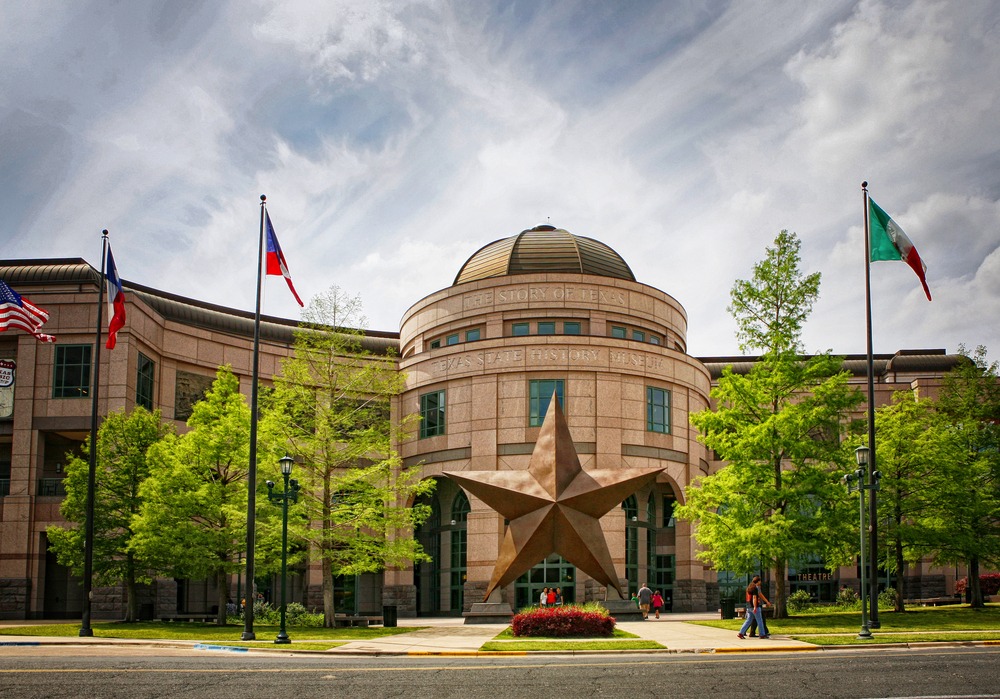
- Bullock Museum: museum of Texas history, in Austin itself, an ideal cultural complement after visiting the park.
- Fort Alamo: major historical site in Texas, in San Antonio, approximately 1.5 hours drive away.
- Cadillac Ranch: emblematic art installation, in North Texas for an extended road trip.
FAQ
Frequently asked questions
Plan Your Trip
Planning to include McKinney Falls and Austin in a Texas itinerary? Check out our custom trip ideas for a trip to the United States and build with us a route tailored to your pace.

Interested in this visit?
We can include it in your personalised itinerary.