Balboa Park
Balboa Park
490 hectares in the heart of San Diego, a world-famous zoo, around fifteen museums, and remarkable gardens: here's what you need to know about Balboa Park.
Balboa Park covers 490 hectares in the heart of San Diego, in California. This urban complex brings together an internationally renowned zoo, around fifteen museums, thematic gardens, and several performance venues. Park entry and parking are free, making it one of Southern California's most-visited public sites.
Why visit Balboa Park
Three main reasons draw visitors here. First, the cultural concentration: few North American urban parks host so many institutions on a single site. Second, the diversity of green spaces, from rose gardens to shaded lawns, which lets you alternate between visits and breaks without leaving the grounds. Finally, the San Diego Zoo, one of the world's most renowned zoological institutions, whose main entrance sits in the northern section of the park.
Allow half a day for a quick tour focused on gardens and architecture, and a full day if you plan to visit the zoo and one or two museums.
History of the park
The land was set aside as a public reserve by the municipality in 1868, making it one of the oldest urban public spaces still in use in the États-Unis. The park is named in honor of Vasco Núñez de Balboa, a Spanish explorer who, in 1513, became the first European to cross the Isthmus of Panama and glimpse the Pacific Ocean from its shores.
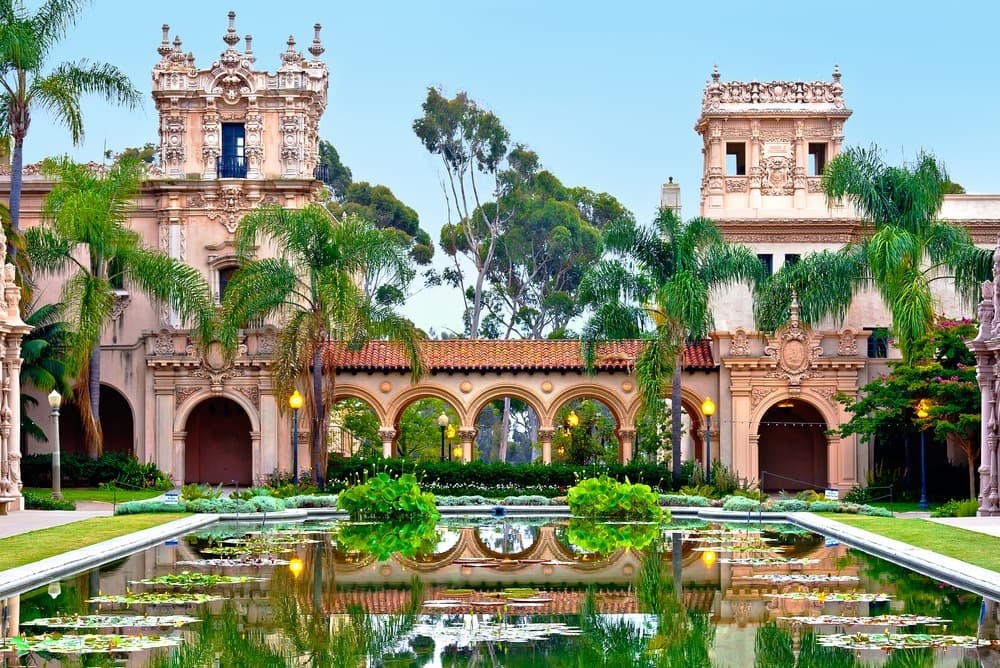
The park took on its present character during two international expositions: the Panama-California Exposition of 1915 and the California Pacific International Exposition of 1935. Most of the Spanish colonial and neo-baroque style buildings you see today date from this period. In 1977, the entire complex was added to the National Register of Historic Places.
What to see and do
San Diego Zoo
The zoo houses approximately 3,700 animals representing 650 species. Among the most sought-after residents are giant pandas, koalas, giraffes, and elephants. The facility offers several visiting options, including the Early Morning With Pandas experience, which provides access to the panda enclosure before the park opens to the general public. Zoo tickets are separate from park admission and represent a considerable budget; it's better to reserve in advance.
The gardens
The Inez Grant Parker Memorial Rose Garden features more than 130 varieties of roses, with blooms extending from spring through early fall. Next to it, the Desert Garden displays cacti and succulents adapted to California's Mediterranean climate. The Botanical Building, a wooden lattice structure built for the 1915 exposition, houses over 2,000 tropical plants.
The museums
The park concentrates around fifteen institutions, including:
- the San Diego Natural History Museum (natural history and regional paleontology);
- the Museum of Us, formerly the Museum of Man, dedicated to anthropology;
- the San Diego Museum of Art, featuring fine arts from the 14th to 20th centuries;
- the San Diego Automotive Museum, a collection of vintage vehicles;
- the Timken Museum of Art, with free admission, displaying European paintings from the French and Italian schools as well as Russian icons.
The Spreckels Organ Pavilion
This outdoor amphitheater houses one of the world's largest outdoor pipe organs, donated to the park by brothers John D. and Adolph Spreckels in 1914. Free concerts are held here every Sunday throughout the year, plus summer evening series.
Practical information
- Park entry: free, open 7 days a week.
- Parking: free in several lots around the park.
- Museums: variable admission fees; some offer rotating free admission days (the Free Tuesdays program for county residents). The Timken is free for everyone.
- Zoo: separate ticket, preferably reserved online.
- Visit duration: from 3 hours for an overview to a full day including the zoo.
When to visit
The park is open year-round thanks to San Diego's mild climate. A few markers to help time your visit:
- Spring (April–June): peak bloom in the rose garden and pleasant temperatures.
- Summer: programming of the Old Globe Theatre's Shakespeare festival and outdoor concerts at the Spreckels Organ Pavilion.
- Sundays: free organ recitals, typically in early afternoon.
- Fall and winter: lighter crowds, soft light, ideal for museum visits.
How to get there
The park is located about 3 km northeast of San Diego's downtown. Several MTS transit bus lines serve the main entrances, notably Line 7 along Park Boulevard. By car, access is via Interstate 5 or State Route 163 exits. Several free parking areas surround the park, but they fill quickly on weekends; arriving mid-morning is your best bet. A free internal shuttle service (Balboa Park Tram) circulates between major points of interest.
Nearby attractions
To extend your visit, two sites complement Balboa Park well:
- the San Diego Zoo Safari Park, in Escondido, approximately 50 km to the north, managed by the same institution as the main zoo;
- SeaWorld San Diego, a marine park in Mission Bay, whose captive breeding practices have faced criticism and which has since evolved some of its programs.
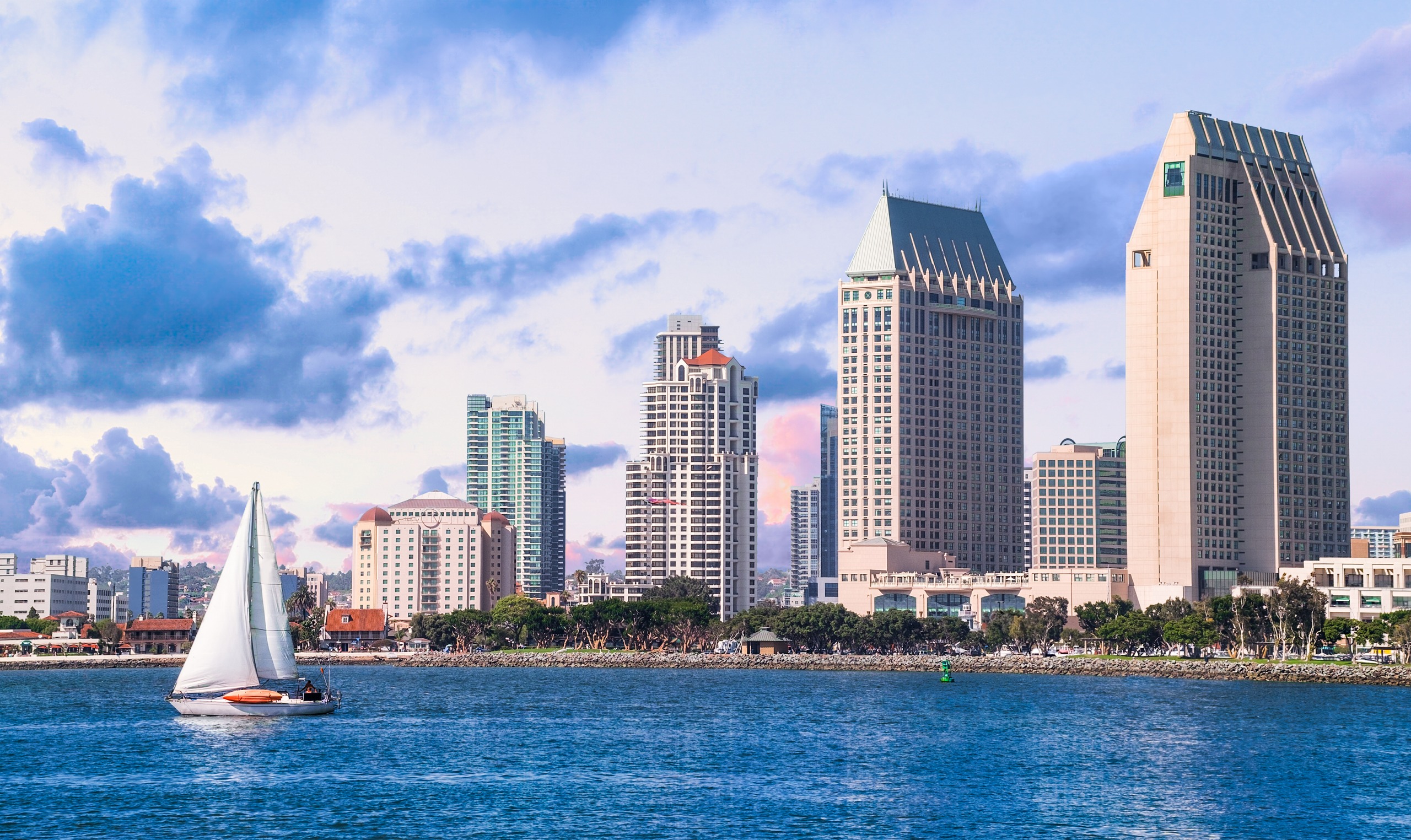
The historic Gaslamp Quarter and San Diego Bay are less than 15 minutes' drive away.
Frequently asked questions
Frequently asked questions
Plan your trip
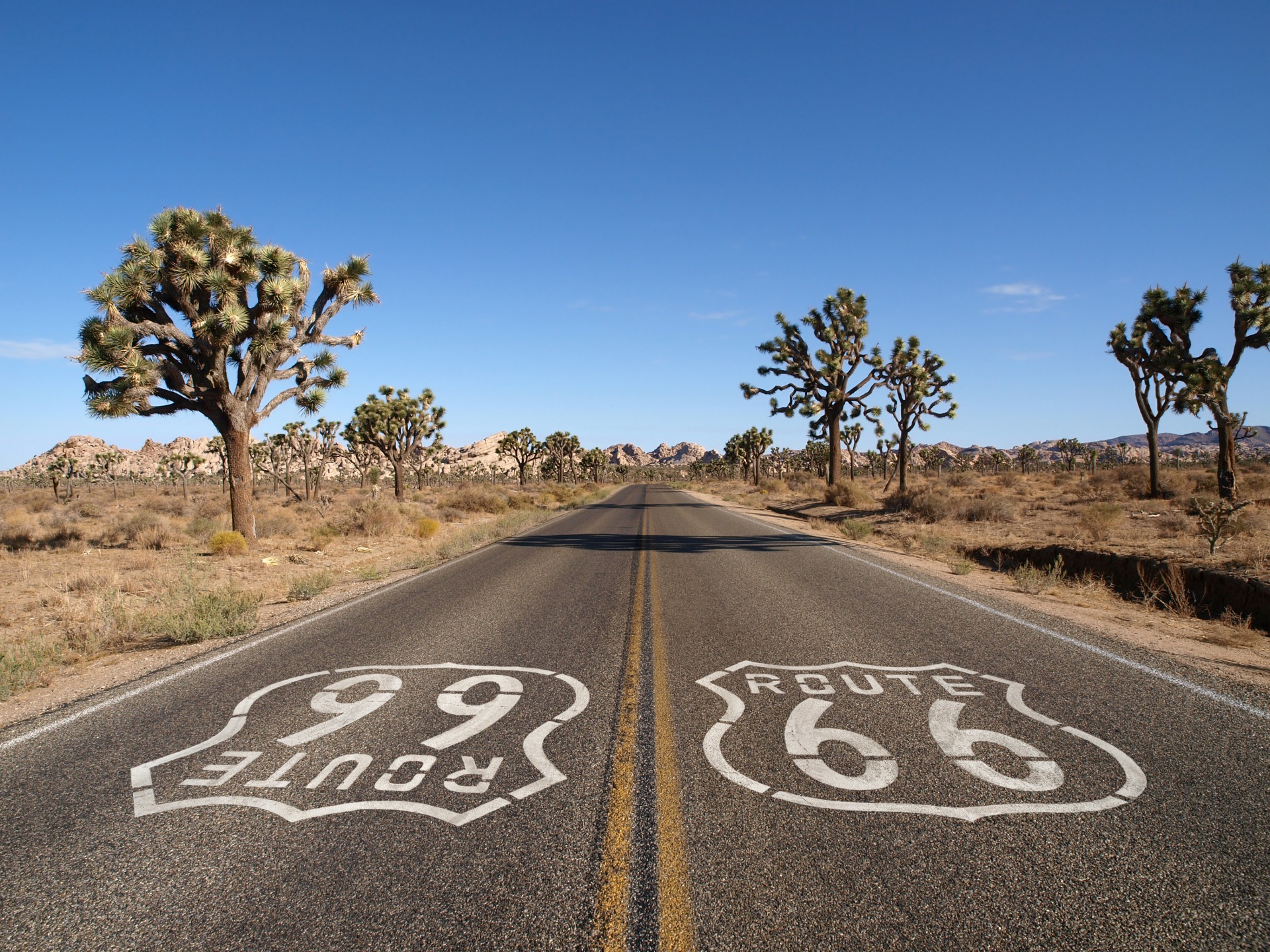
Balboa Park fits naturally into a California itinerary that combines coastal cities, national parks, and the wide-open spaces of the West. To build a complete États-Unis journey, you can pair it with sites like Bryce Canyon National Park or Canyonlands National Park in neighboring Utah.
Interested in this visit?
We can include it in your personalised itinerary.