Joshua Tree National Park
Joshua Tree National Park
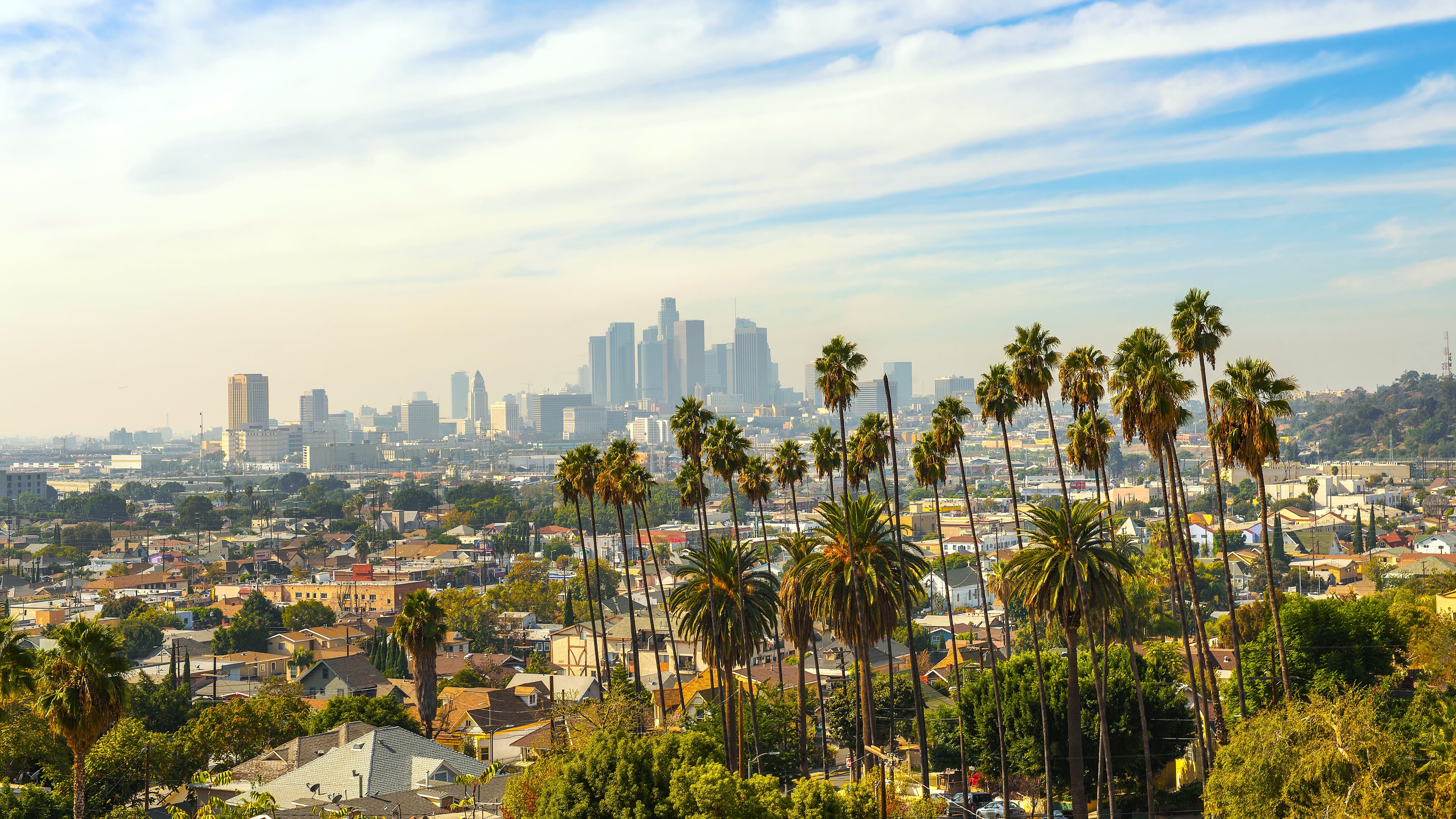
About two hours from Los Angeles, Joshua Tree National Park brings together two deserts, granite formations and a recognized starry sky across 3,218 km².
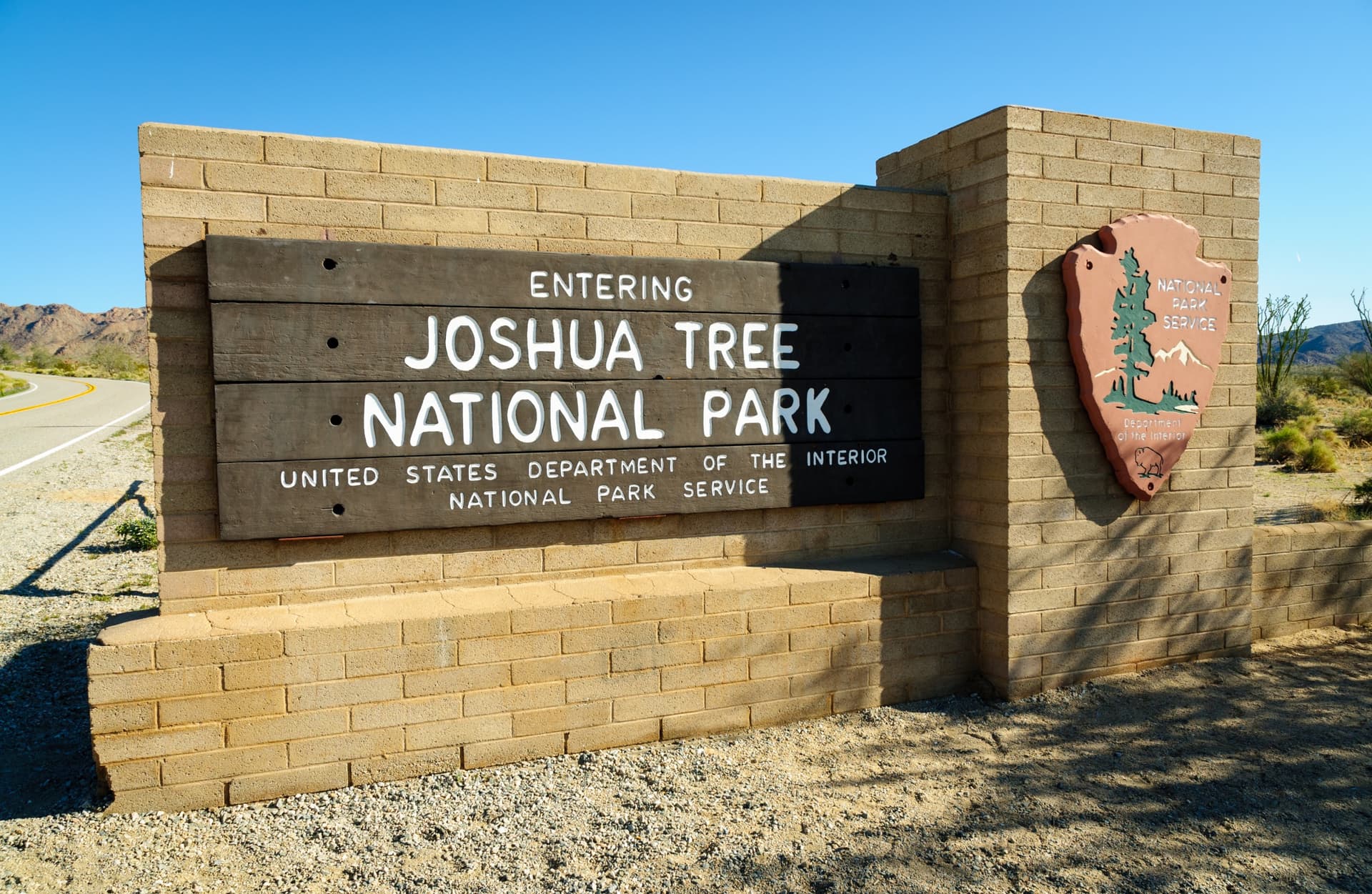
Joshua Tree National Park spans 3,218 km² in southeastern California, at the junction of two deserts with distinct atmospheres. Known for its twisted Joshua trees, granite formations and preserved night skies, it attracts hikers, climbers and photographers approximately two hours' drive from Los Angeles.
Why visit Joshua Tree
The park occupies a rare meeting point between the Mojave Desert, arid and at higher elevation, and the Colorado Desert, marked by sparse vegetation. This dual identity explains the landscape diversity: Joshua tree forests on the Mojave side, expanses of cacti and palo verde on the Colorado side. For wildlife, patient visitors may observe coyotes, desert jackrabbits and bighorn sheep.
The absence of light pollution makes it one of the best-positioned sites in the southwestern États-Unis for stargazing, recognized for the quality of its night sky.
History of the site
Human presence in the region dates back at least 5,000 years: the Pinto peoples, then other Native American groups, occupied the land long before European arrival. In the 19th and early 20th centuries, farmers, ranchers and gold seekers settled in the area. The 1920s marked a turning point with the creation of new roads that attracted investors and visitors.
The site's protection owes much to Minerva Hoyt, an American activist who noticed in the 1920s-1930s the damage caused by poaching and cactus pillaging. Her work and lobbying efforts led to the creation of Joshua Tree National Monument in 1936. The site gained National Park status in October 1994. The location's fame also owes much to rock culture: the album released by U2 in 1987 helped introduce it to an international audience.
What to see and do
Cholla Cactus Garden
This dense expanse of cholla, cacti with luminous silhouettes at sunrise and sunset, can be explored via a short, accessible loop trail. It's one of the park's most photographed stops.
Ryan Mountain
The summit of Ryan Mountain ranks among the park's highest viewpoints. The round-trip hike remains demanding due to elevation gain, but offers a complete panorama over the surrounding valleys. Best experienced late in the day for the light.
Climbing and trails
Joshua Tree is one of the major climbing destinations in the États-Unis, with thousands of routes on granite blocks. For non-climbers, several marked hiking trails allow exploration of the main sectors. Pick up maps at visitor centers before setting out.
Starry skies
Once night falls, the absence of artificial lighting makes the celestial vault particularly clear. Several interior parking areas serve as informal observation points.
When to visit
The park is open year-round. Spring and fall offer the most comfortable conditions, with moderate daytime temperatures. Spring remains the peak season: wildflower blooms, particularly between March and April depending on winter rainfall, transform the desert. Crowds are heavy from January to April; plan to arrive early at entrances. In summer, temperatures frequently exceed 38 °C: limit hikes to sunrise and sunset.
How to get there
The park is mainly accessible by car. Allow approximately 2 hours from Los Angeles, 3 hours from Las Vegas and 4.5 hours from Phoenix. The nearest international airport is Palm Springs, about 45 minutes' drive from the west entrance.
Three main entrances structure access:
- West entrance (the busiest), via the town of Joshua Tree
- North entrance, near Twentynine Palms, where the park headquarters is also located
- South entrance, at the Cottonwood visitor center, convenient when coming from Interstate 10
Practical information
- Area: 3,218 km², a car is necessary to cover the main sectors
- Biking: permitted on paved roads and some trails; the option appeals to experienced cyclists but distances are long
- Fees: entrance fee per vehicle, motorcycle or person (bike/pedestrian), with tickets valid for several days; an annual pass is also available
- Water: very few water sources in the park; plan for substantial reserves
- Cell service: virtually nonexistent inside the park
Nearby
Joshua Tree pairs well with other stops in the southwestern États-Unis. On the urban California side, Hollywood, Beverly Hills and Disneyland make natural extensions for a Los Angeles trip. To stay in the desert and geological atmosphere, Antelope Canyon in Arizona offers an interesting contrast with its water-sculpted walls.
Frequently asked questions
Frequently asked questions
Plan your trip
Joshua Tree naturally integrates into an itinerary in the southwestern États-Unis. To build a complete route, consult our États-Unis travel suggestions.
Interested in this visit?
We can include it in your personalised itinerary.