Utah
A journey through Utah promises an action-packed stay filled with discovery. Ski resorts, incredible cities, and national parks brimming with geological and natural treasures make Utah a rare land of adventure.
A trip through Utah promises an action-packed stay filled with discovery. Ski resorts, incredible cities, and national parks brimming with geological and natural treasures make Utah a rare land of adventure. Discover its must-see attractions in this guide.
Utah, a flagship destination of the Far West
It is between Colorado, Arizona, and Nevada, in the western United States, that the wild territory of Utah stretches out. Western film enthusiasts will easily picture the setting: dense forests and fertile valleys in the North give way to the desolate landscapes of the West, which, as you venture south, yield to winding red canyons, hoodoos, impetuous watercourses, and sand dunes where colossal rock sculptures emerge. Utah surprises with its diversity and contrasts. Calling to wide open spaces?
- Hit the slopes in the Rocky Mountains when snow blankets the landscape in white.
- Walk in Indiana Jones's footsteps at Arches National Park.
- Soak up the sun lounging along the Great Salt Lake.
- Pay homage to the rich heritage of Native Americans.
- Immerse yourself in Mormon culture by visiting Temple Square.
Whatever your destination, a road trip through Utah will astound, transport, and leave you breathless!
History of Utah
Shortly after the discovery of the New World, which abounded in resources, the myth of cities of gold spread throughout Europe. Spanish conquistador Francisco Vásquez de Coronado passed through southern Utah in the sixteenth century. In 1847, Mormons immigrated en masse to these mountains, ushering Utah into the modern era. Today, more than 60% of residents are members of the Church of Jesus Christ of Latter-day Saints, the Mormon faith.
Following the signing of the Treaty of Guadalupe Hidalgo in 1896, Utah, previously under Spanish and Mexican rule, was annexed to the United States. This delay is attributed to the unconventional lifestyle of the Mormons. American authorities had to battle against polygamy.
Before white immigration, several pre-Columbian civilizations dominated Utah. The Fremont people occupied the region between the eighth and fourteenth centuries; these hunter-gatherers left behind incredible petroglyphs. The Navajo community still inhabits the state, though confined to parks and natural reserves.
During the Mesozoic era, dinosaurs roamed the territory. Fossils of tyrannosaurs and diplodocuses, which travelers can admire in the Flaming Gorge National Recreation Area, bear witness to this.
Today
Utah derives its name from Ute yúta, the name of the Ute tribe**,** which can be translated as "people of the mountains."
With more than 199,723 residents, Salt Lake City's capital is inseparable from its metropolitan area, which is home to no fewer than 1.2 million inhabitants. The state's working population is employed primarily in agriculture, mining, and tourism.
Tourism's share of added value has seen significant growth since the early 2000s. Mountain tourism and ecotourism are the most popular. Cultural tourism, linked to the prestige of the Mormon Church and Native American art, gains new enthusiasts each year. Surprisingly, beach tourism is also thriving. Staying at the Great Salt Lake is, in many respects, akin to a seaside vacation.
What to see and do in Utah?
Utah is widely considered a premier destination for nature and adventure tourism. A land of Mormon immigration, home to Indian and Native American communities, Utah will astonish you with the quality of its historical and cultural heritage.
The five national parks of Utah and Dead Horse Point State Park
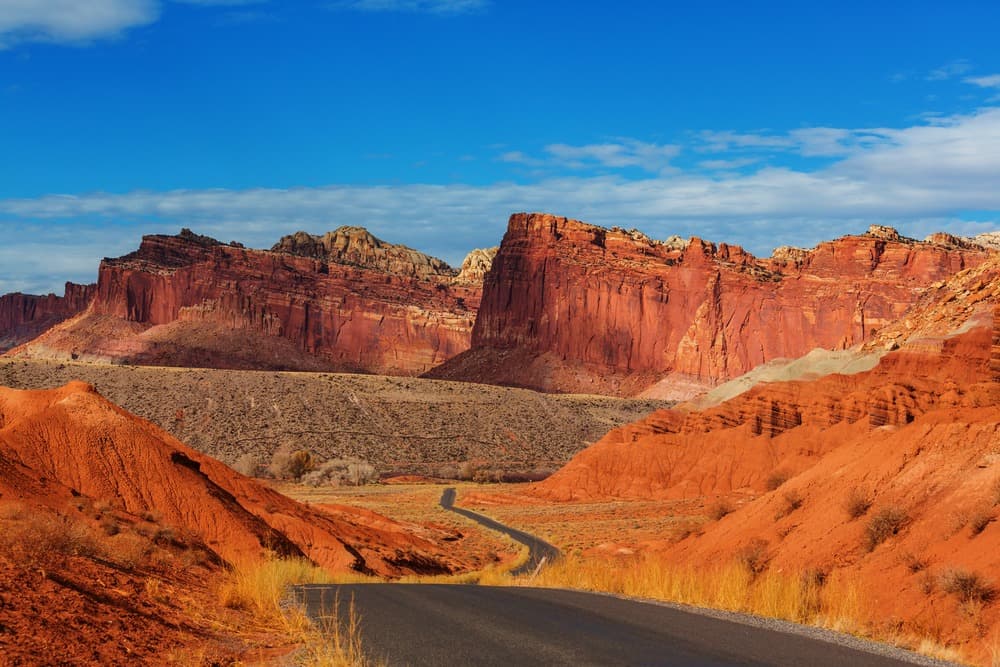
The state's landscapes are characterized by imposing red, pink, or white limestone cliffs that erosion has sculpted over time into strange forms. Sometimes they form a natural amphitheater. Sometimes the cliffs have been carved into stone arches. To admire these unique geological formations, head south, where the parks protecting them cluster together.
1. Zion National Park
Zion National Park is renowned for its red sandstone cliffs and mythical hikes such as Angels Landing and The Narrows.
2. Bryce Canyon National Park
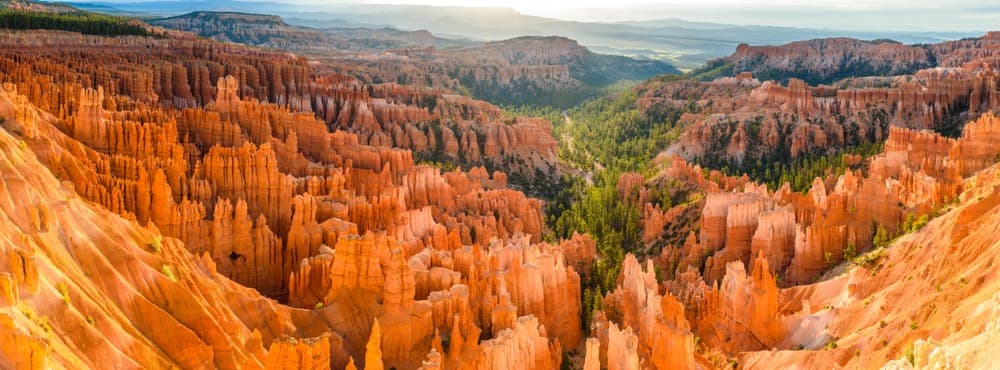
Famous for its hoodoos, Bryce Canyon National Park will captivate you with its chimney-shaped rock formations.
3. Arches National Park
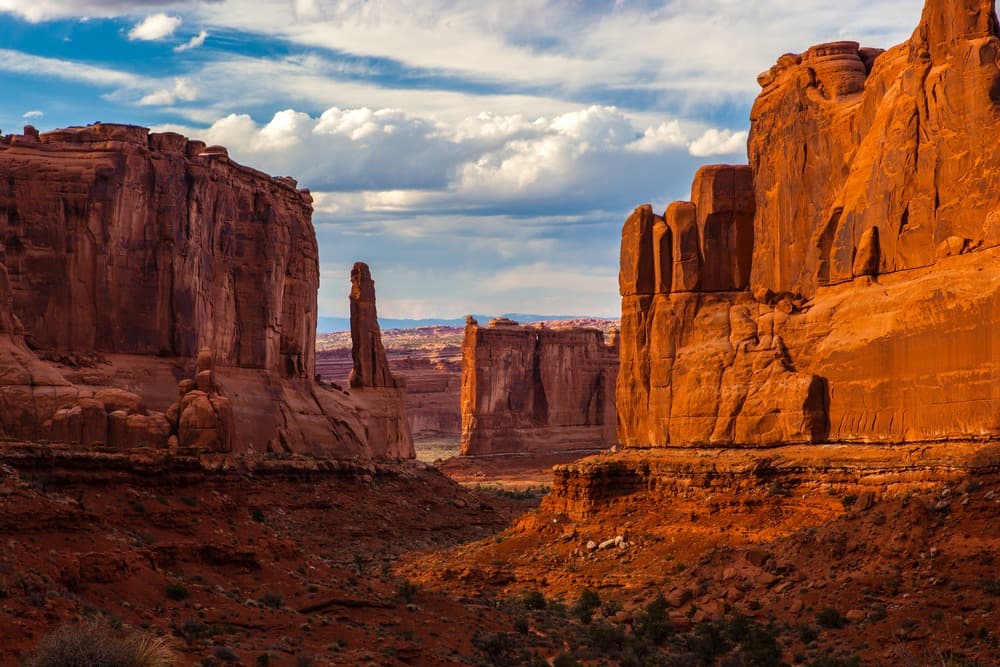
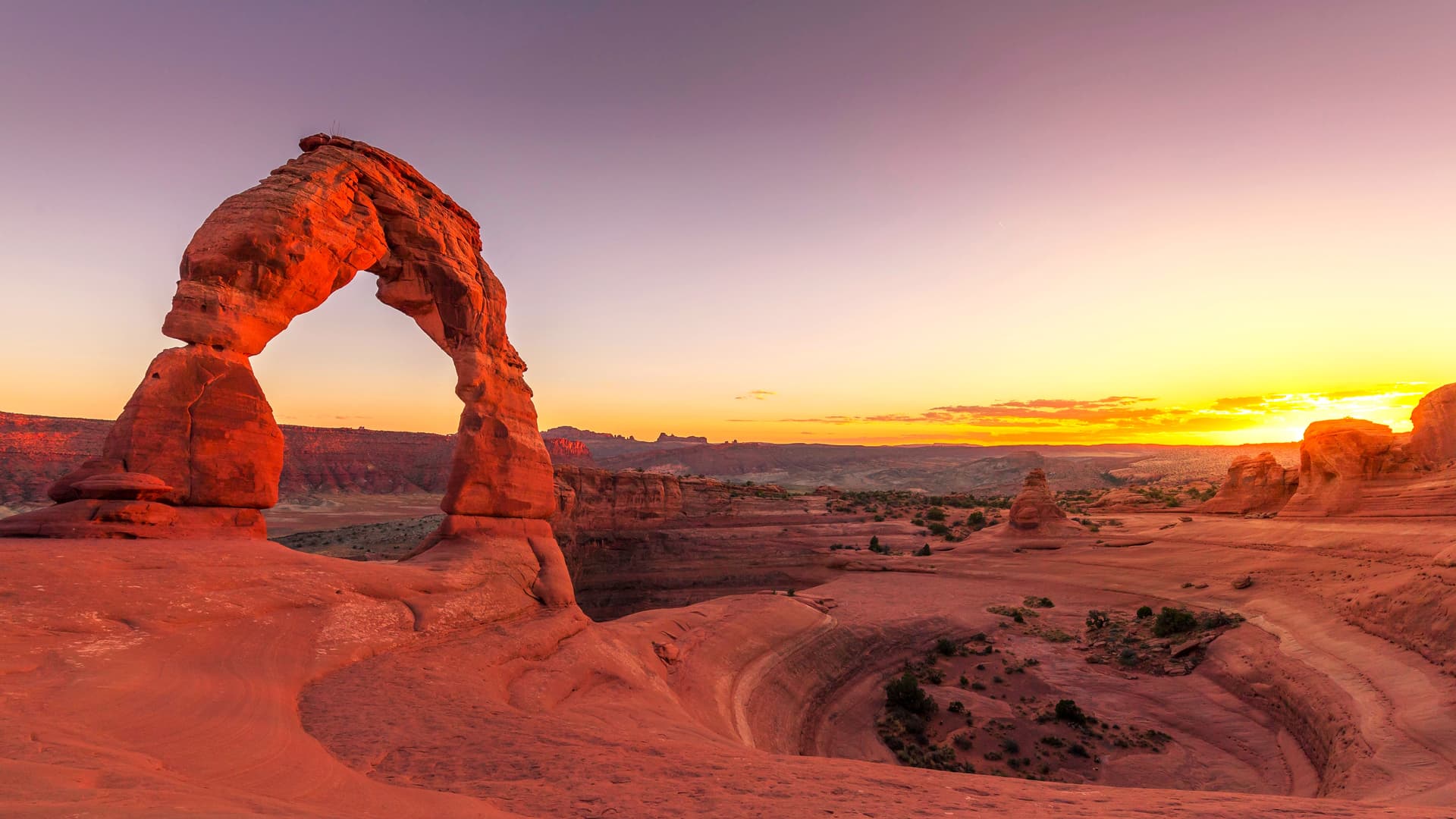
Arches National Park is home to more than 2,000 natural sandstone arches, including Delicate Arch, Utah's iconic symbol.
4. Canyonlands National Park
Canyonlands National Park will fascinate you with its desert landscapes formed by canyons sculpted by the Colorado River. Visit the Island in the Sky section for spectacular vistas, and the Needles section for its imposing sandstone spires.
5. Capitol Reef National Park
Less frequented, this national park impresses visitors with its colorful cliffs, canyons, and the Waterpocket Fold, an immense geological fault.
6. Dead Horse Point
Dead Horse Point is a state park located near Canyonlands National Park. It offers spectacular views of a meander in the Colorado River, with sheer cliffs soaring over 600 meters high. The location is highly prized for watching sunrise and sunset.
Vernal, Land of Dinosaurs
Vernal is renowned for its dinosaur fossils. A visit to this locality is also an opportunity to go rafting through the labyrinthine canyons of the region and savor stories about outlaws and explorers, like Josie Bassett, who made their homes in the area.
Salt Lake City, the Mormon city
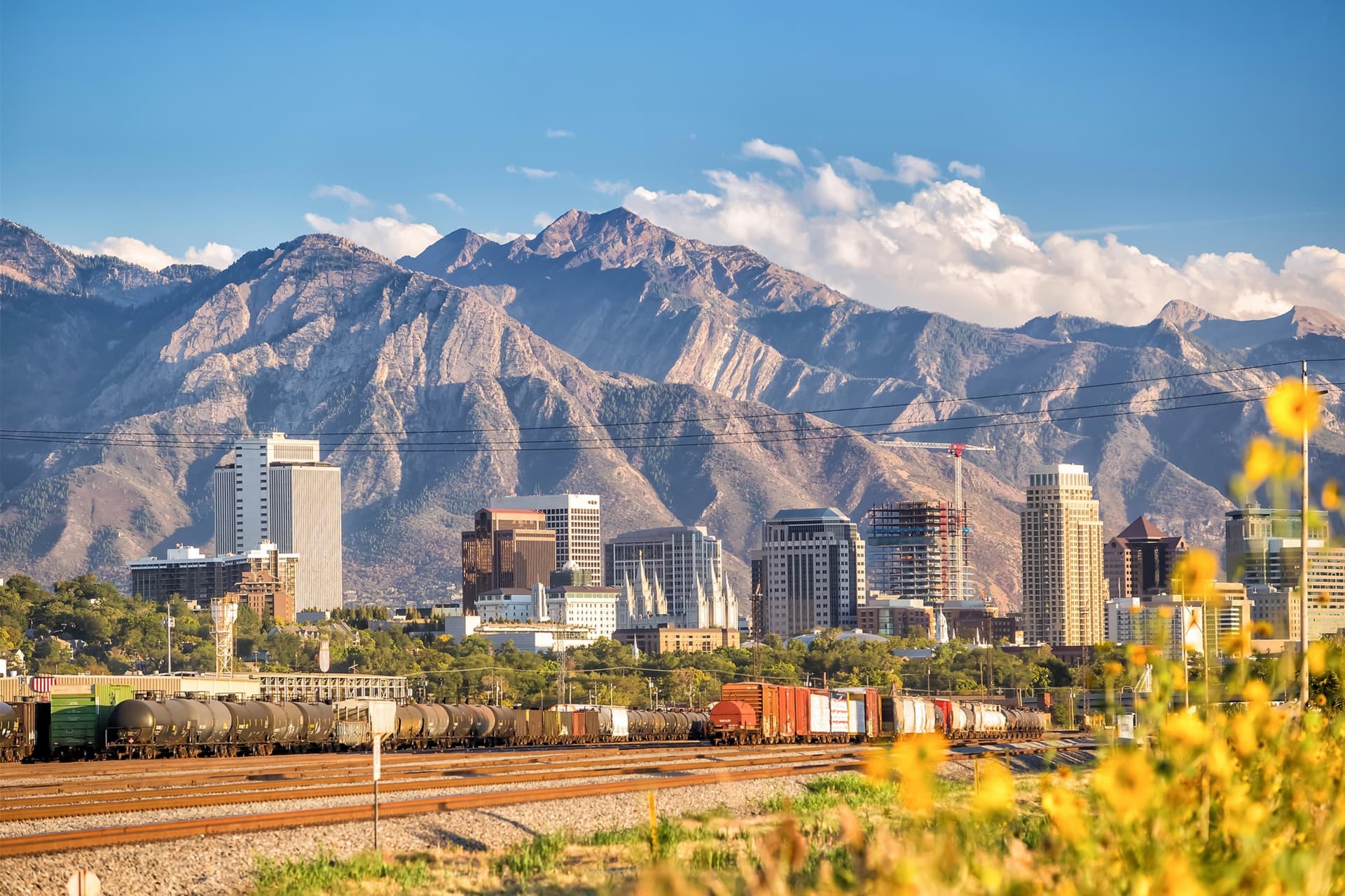
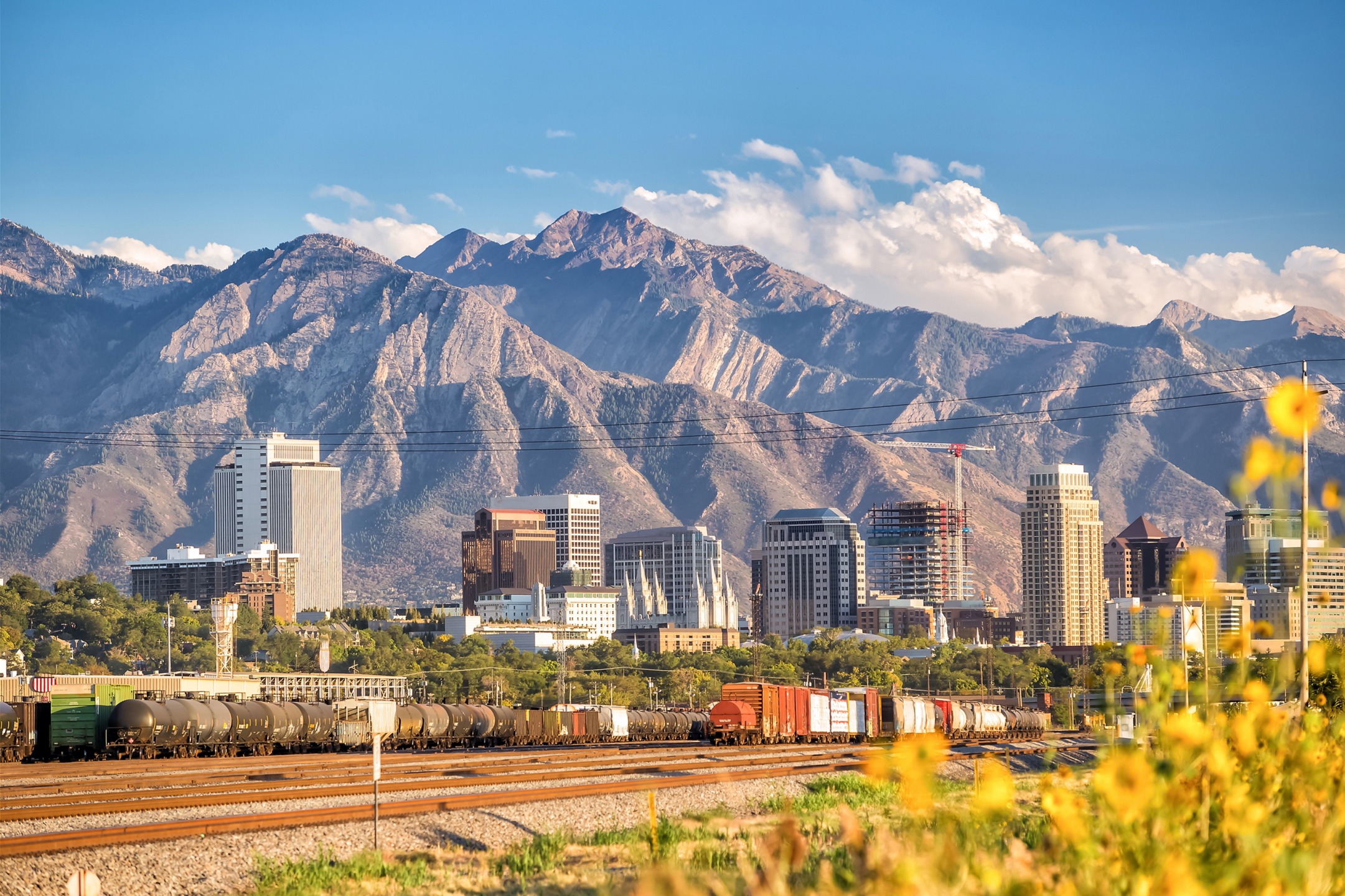
Although associated with winter sports, the capital city boasts numerous historical and cultural monuments worth visiting. On a vast plaza of 40,000 square meters stands the largest Church of Jesus Christ of Latter-day Saints. The church's interior is off-limits to visitors, but it's a pleasure to stroll around its perimeter and admire the neo-Gothic facade, which resembles the Temple of Jerusalem built by Solomon. Attracting nearly 5 million visitors annually, Temple Square is Utah's most popular tourist destination.
Within walking distance of the Mormon church are other remarkable buildings: the Mormon Tabernacle, once home to the church's semi-annual conference and where the Tabernacle Choir rehearses regularly; Salt Lake Assembly Hall and the Conference Center. If you're staying longer, continue to the Utah State Capitol, built in 1916 in pure neo-classical style. Perched on a hillside, it offers a unique vantage point over the city.
The Great Salt Lake, America's Dead Sea
Salt Lake City takes its name from its proximity to the Great Salt Lake, located just 30 minutes away by car. It is the remnant of an ancient freshwater lake called "Lake Bonneville," which disappeared due to evaporation. Be warned: the water contains eight times more salt than the sea. Thousands of water sports enthusiasts view it as a beach resort destination. South of the park are swimming areas and an amusement park. For a peaceful family weekend, Lake Powell and Utah Lake are also coveted vacation spots.
Park City, the skiing capital
When winter and snow return, ski enthusiasts flock to Park City. This mountain town takes pride in its world-class ski resorts: both beginners and advanced skiers will find what they're looking for. Among must-visit destinations is the Utah Olympic Park, which offers not only the thrills of sledding, bobsledding, and skiing, but also features roller coasters for collecting adrenaline rushes. Park City awaits a quarter hour's drive southeast of the capital.
Moab, where adventure reaches epic proportions
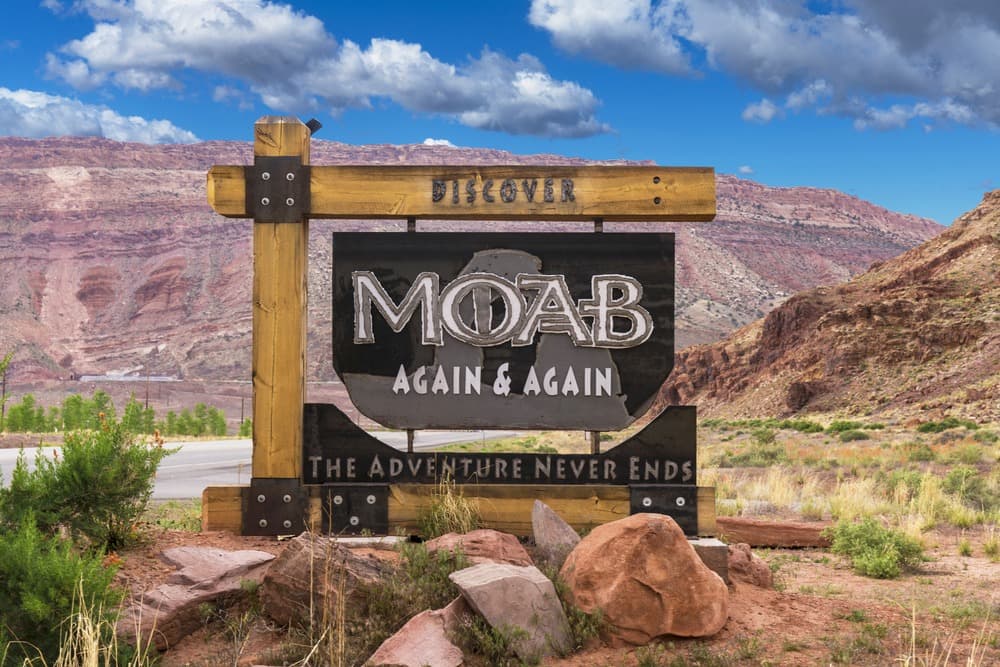
It's hard to beat Moab for its wide range of outdoor activities. With its incredible landscapes of petrified forests and wild mountains with Western vibes, Moab is a pure hiking destination. Canyonlands, Arches, and Dead Horse Point State Park are right nearby. During a road trip to southeastern Utah, be sure to add Moab to your itinerary!
What is the climate like in Utah?
Utah has a semi-arid to desert climate, with hot, dry summers and cold winters, especially at higher altitudes.
The best time to visit is spring (April–May) and autumn (September–October). Temperatures are pleasant and there are fewer crowds than in summer.
To reach Utah from France, travelers should book a flight to Salt Lake City. Salt Lake City Airport is the state's only international airport; other airports serve only domestic and regional flights. Delta Air Lines operates regular direct flights between Paris and Salt Lake City.
To cover the 8 km between the airport and downtown, you can choose between a taxi or shuttle. Alternatively, head to the airport station and catch the next TRAX light rail line 704. It will drop you off downtown in less than 25 minutes for $3.
Getting around Utah
The car is the quintessential way to explore the national parks in southern Utah. Marked trails wind through each park, offering an extraordinary driving experience.
Salt Lake City, Provo, Park City, and Ogden are the only Utah cities with public transportation (bus, train, and light rail). If you wish to venture to other cities, your only option will be to rent a car.