Oregon
Bordered by the Cascade Range and the splendid Pacific coast, Oregon is a state in the American Northwest. The breathtaking landscape of Crater Lake National Park, magnificent Japanese gardens and rose gardens in Portland, impressive Multnomah Falls...
Bordered by the Cascade Range and the splendid Pacific coast, Oregon is a state in the American Northwest. The breathtaking landscape of Crater Lake National Park, magnificent Japanese gardens and rose gardens in Portland, impressive Multnomah Falls*…* This guide tells you everything about Oregon's major attractions.
Oregon, a unique destination in the USA
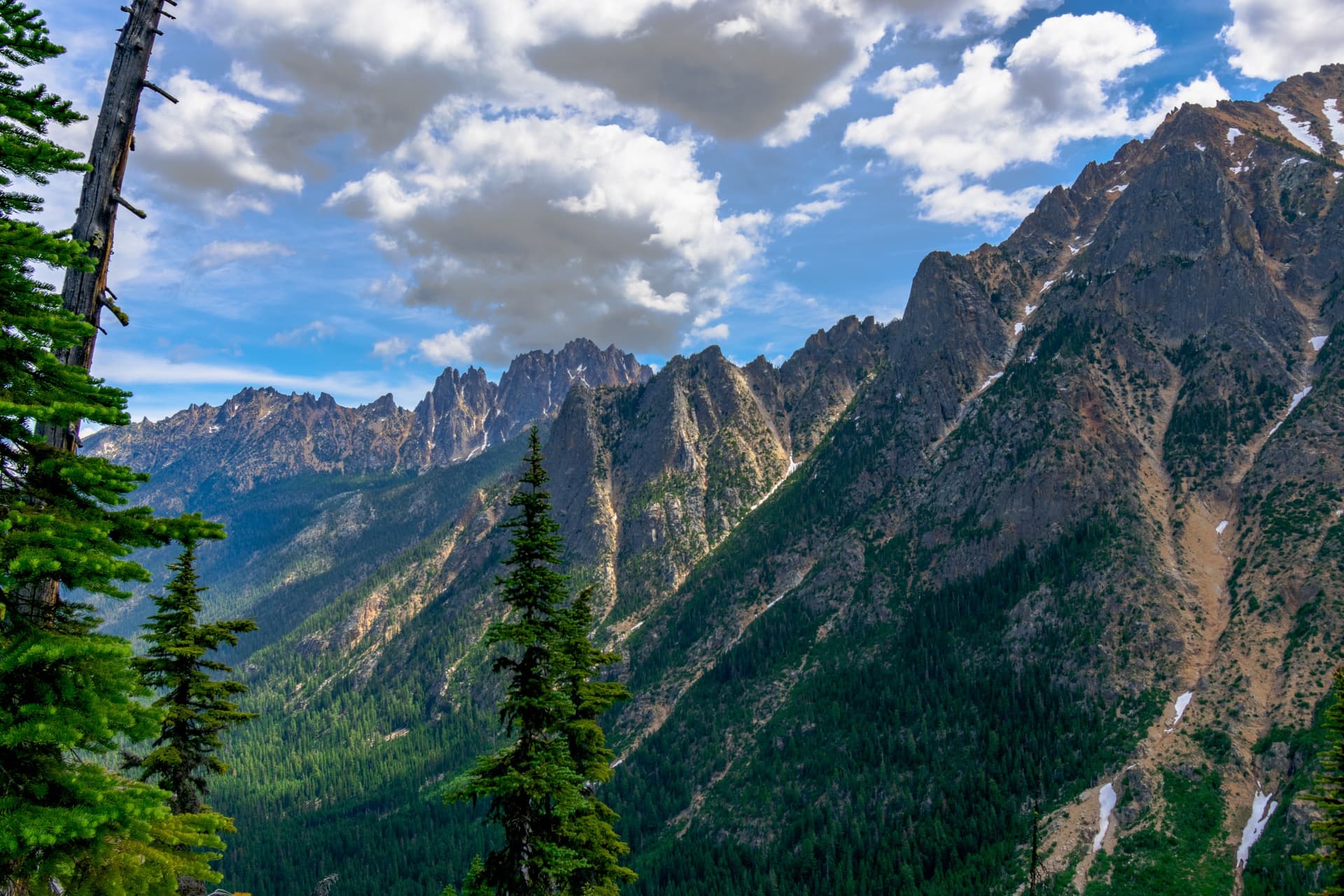
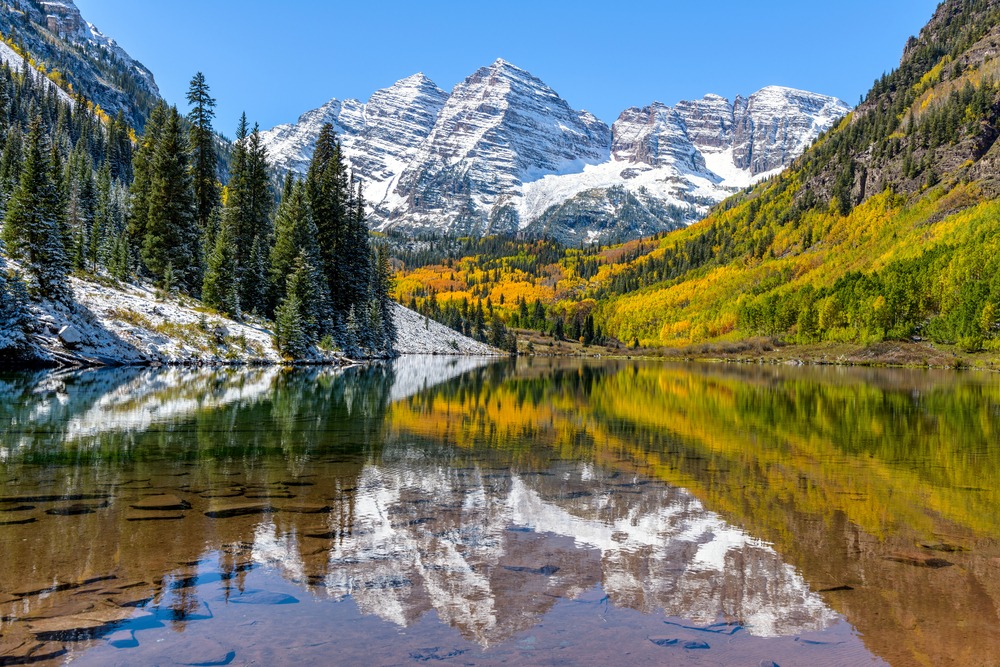
Oregon stretches north of California, south of Washington and southwest of Nevada. Blessed with volcanic landscapes, dense forests, waterfalls and an abundant coast stretching 585 km of beaches, Oregon's nature is a perpetual call to exploration. Hike the snow-capped peaks of the Wallowa Mountains. Rent an RV and climb Mount Hood, the state's highest summit. Even if you hate adventure sports, Crater Lake, nestled within a majestic caldera, won't leave you indifferent.
In Portland, beer enthusiasts, ice cream lovers and cheese connoisseurs will be delighted. The City of Roses is also a culinary destination that won't disappoint even the most discerning palates. After a short walk through the Japanese Garden, continue to the Portland Art Museum, which showcases Native American art prominently. Several museums and cultural institutions trace the history, cuisine, dance, songs and costumes of indigenous tribes. Book a two-person or family trip to Oregon and discover the Old West in all its splendor!
History
Oregon's history dates back to Native American peoples. The Bannocks, Nez Percé and Chinooks inhabited the region for millennia.
The first European explorers arrived in the 16th century, followed by the Lewis & Clark Expedition in 1805-1806, which wintered near the mouth of the Columbia. In the 19th century, the territory attracted the interest of the États-Unis, Great Britain, which dominated the fur trade through the Hudson's Bay Company, and Spain, which abandoned its claims in 1819.
The famous Oregon Trail attracted thousands of pioneers beginning in the 1840s, contributing to massive colonization of the territory. The Treaty of Oregon signed in 1846 with the United Kingdom permanently fixed the border at the 49th parallel. After being organized as a territory in 1848, Oregon officially joined the Union on February 14, 1859, becoming the 33rd state of the États-Unis.
Today, booming tourism
According to the latest census, Oregon has approximately 4.2 million residents. Salem is the state capital, but the largest city is Portland, which accounts for nearly 47% of the population. Timber, wheat, corn, hazelnuts, cranberries, vineyards and salmon are the state's main resources.
Currently, Oregon's tourism industry is experiencing strong growth. Three forms of tourism are well-developed: nature tourism, coastal tourism and cultural tourism linked to heritage visits and museum exploration.
What to see and do on an Oregon trip?
1. Parks and natural sites
Crater Lake National Park
Located in southern Oregon, Crater Lake is the state's only national park. This volcanic lake, with depths approaching 600 meters, is the deepest in the États-Unis. Its intense blue water contrasts with the surrounding cliffs. You can drive the Rim Drive, a 53 km scenic road dotted with numerous viewpoints. In summer, hikes like the Cleetwood Cove Trail allow you to descend to the water and take a boat to Wizard Island, nestled in the middle of the lake.
Columbia River Gorge
The Columbia Gorge, east of Portland, is a spectacular valley carved by the river of the same name. It's known for its multiple waterfalls, including Multnomah Falls, standing 189 meters high. Numerous hiking trails crisscross the region, some accessible to families, others more challenging. It's also a hotspot for water sports like windsurfing and kitesurfing, thanks to the powerful winds that sweep across the river.
Mount Hood
Mount Hood is a snow-capped volcano visible from miles around. Located just 90 km from Portland, it attracts skiing and snowboarding enthusiasts in winter, particularly at the Timberline Lodge resort, which is open almost year-round.
In summer, Mount Hood is exceptional hiking terrain, with trails like the Timberline Trail, which circles the massif. Surrounding lakes, such as Trillium Lake, offer spectacular playground for swimming, kayaking or simple contemplation.
Silver Falls State Park
Nicknamed the "jewel of Oregon's park system," this park is famous for its Trail of Ten Falls, a 13 km trail that showcases ten waterfalls, some of which can be walked behind.
The area is also a popular spot for picnics, camping and wildlife viewing. It's accessible year-round, but particularly pleasant in spring, when waterfall flow is strongest.
Oregon Dunes National Recreation Area
Located along the southern coast, this protected zone stretches over 60 km. It's formed of dunes reaching up to 150 meters high, interspersed with lakes and forests. Here, you can walk, slide on sand or traverse the ridges in an all-terrain buggy.
2. The Pacific coast
Oregon's coastline has remained wild and unspoiled. Over 500 km, it alternates between beaches, cliffs and small fishing villages.
Cannon Beach
This beach is arguably the most photographed in the state. Its iconic Haystack Rock, a 72-meter-high basalt formation, dominates the horizon. At low tide, rocky pools reveal abundant marine life. The village of Cannon Beach boasts art galleries, local shops and a laid-back atmosphere.
Newport
A lively coastal town, Newport is known for the Oregon Coast Aquarium, one of the finest aquariums in the États-Unis. Its old harbor is home to noisy sea lions, as well as restaurants serving fresh seafood and fish. The Yaquina Head lighthouse, built in 1873, offers panoramic views of the ocean.
Depoe Bay
Depoe Bay is a prime location for spotting gray whales year-round. Many boat excursions depart from the port. However, it's also possible to observe these marine mammals from the cliffs that border the coast.
Sea Lion Caves
Sea Lion Caves, near Florence, is a vast sea cave that houses a colony of Steller sea lions. Access to its observation platform is via an elevator. It's an original visit combining wildlife and geology. Indeed, beyond observing sea lions, the site's rock formations are impressive.
3. Cities to discover
While Oregon is primarily known for its nature, its cities offer an interesting cultural and human perspective to explore.
Portland
Portland is renowned for its artistic and alternative scene. You'll find Powell's City of Books, a massive independent bookstore, hundreds of food trucks and a strongly marked craft beer culture. The Portland Japanese Garden and the International Rose Test Garden add a touch of greenery to the urban heart.
Eugene
A university town, Eugene is animated by a young and creative population. Its farmers markets reflect the importance placed on local and organic agriculture. The city is also a center for sports, particularly track and field. Its geographical location makes it a good starting point for exploring the Willamette Valley and the Cascades.
Bend
Located in the center of the state, Bend is surrounded by mountains, rivers and forests. It attracts outdoor enthusiasts. You can hike, mountain bike, raft and ski here. Bend is also a booming town. A friendly atmosphere awaits you in its numerous craft breweries.
Salem, the capital
Salem is quieter, but worth a detour for its historical and institutional significance. The State Capitol, recognizable by its dome topped with a golden statue, is among the must-see sites.
4. Wine and gastronomic regions
Oregon is internationally recognized for the quality of its wines, particularly its Pinot Noirs. Visiting its vineyards is essential during your trip.
Willamette Valley
This fertile valley south of Portland is home to the majority of the state's vineyards. The rolling green hills are dotted with wineries and estates where you can taste Pinot Noirs. Beyond wine, the region offers gastronomy centered on local products: cheeses, berries, mushrooms.
Rogue Valley
Less well-known than the Willamette, the Rogue Valley in the south offers varied wines, from chardonnay to more robust red varietals. Its warmer climate allows for different, complementary production to that of the north. The region also appeals for its beautiful landscapes blending mountains and orchards.
5. Heritage and history
Oregon has a rich past linked to exploration, pioneers and rural life.
Oregon Trail Interpretive Center (Baker City)
This interactive museum traces the history of pioneers who traveled the Oregon Trail in the 19th century. Exhibitions, reconstructions and trails help you understand the difficulties faced during the conquest of the West.
Covered Bridges
Wooden covered bridges, primarily located around Eugene, testify to the area's architectural heritage. Built between the late 19th and early 20th centuries, they were designed to protect the structure from weather. Today, they offer picturesque viewpoints and recall the state's rural history.
What is the climate like in Oregon?
Oregon enjoys a temperate oceanic climate on the coast with mild, humid winters and dry summers. The interior is warmer and drier. The best time to visit Oregon extends from May to October, ideally in July and August. During these months, temperatures are pleasant (20-25°C) and rainfall is minimal.
European travelers enter Oregon through Portland International Airport. If departing from Paris, the flight lasts between 12 and 24 hours, as it often involves one or more layovers. Airlines like Air France, Air Canada and American Airlines are most active on the Paris-Portland route. Portland Airport is about 19 km north of downtown Portland. Once outside the terminal, hail a taxi or shuttle that will drop you off in about half an hour at your hotel's doorstep.
Getting around Oregon
Bus, train, taxi, bike and car are all convenient transportation options for traveling in Oregon.
There are 5 streetcar lines distinguished by color that primarily serve Portland, Hillsboro, Beaverton and Gresham.
Oregon ranks second among États-Unis states behind Washington for bike traffic intensity. This mode of transport is most prevalent in the capital as well as in the cities of Eugene, Corvallis and Baker City.
FAQ
Why visit Oregon?
Oregon appeals with its varied nature: mountains, forests, Pacific coast and volcanoes. It's also a state with vibrant culture, from local gastronomy to renowned wines and creative cities like Portland.
What is Oregon's nickname?
Oregon is nicknamed "The Beaver State" in reference to the importance of beaver fur trade in its history.
Where is Oregon located in the États-Unis?
Oregon is situated in the northwestern part of the country, between the state of Washington to the north and California to the south, with the Pacific Ocean to the west.
How much time should you plan for visiting Oregon?
Plan at least 7 to 10 days to discover the major sites: Crater Lake, the Pacific coast, Portland and wine valleys. Two weeks allow for more complete exploration.
What is the time difference between France and Oregon?
There is generally a 9-hour difference with France. When it's noon in Paris, it's 3 a.m. in Portland.
What is Oregon's most famous wine?
Oregon is world-renowned for its Pinot Noir, primarily produced in the Willamette Valley, a wine region recognized for the elegance of its varietals.