Nevada
Impressive art museums, Las Vegas casinos, lunar landscapes of Death Valley, snow-capped mountains and Emerald Bay beaches… Unlimited experiences await visitors in Nevada, a western state of the United States, bordering Utah, Arizona, Oregon, Idaho and California.
Impressive art museums, Las Vegas casinos, lunar landscapes of Death Valley, snow-capped mountains and Emerald Bay beaches… Unlimited experiences await visitors in Nevada, a western state of the United States, bordering Utah, Arizona, Oregon, Idaho and California. Discover everything you need to know about this magnificent destination in this guide.
History
Before European immigration, Nevada was home to the Paiute, Washoe, and Shoshone tribes, Native Americans who primarily sustained themselves through hunting and herding deer and bighorn sheep. They also cultivated irrigated lands.
In 1859, the discovery of the Comstock Mine, the largest silver deposit in the United States, changed everything. News spread throughout Europe and Nevada became an eldorado for fortune seekers.
In 1864, Nevada officially became a member of the Union. Since its creation occurred during the era of North-South conflicts, it is sometimes called the "Battle Born State."
Additional gold, copper, and silver mines were discovered at the dawn of the 20th century. Meanwhile, the city of Las Vegas was founded in 1914 in the heart of the Mojave Desert. The abundance of water sources on this arid plateau enabled urban development. During the Great Depression of the 1930s, gold mining activity began to decline while the gaming industry gained momentum.
Today, a tourism industry dominated by Las Vegas
Nevada is the leading gold producer in the United States. It ranks second globally, surpassed only by South Africa.
The state's tourism reputation is still being built. When visiting Nevada, you cannot miss stopping in Las Vegas, if only for its spectacular light shows. Death Valley also intrigues travelers with its unique, barren, and lifeless landscape. Other destinations are unfortunately often overlooked.
With nearly 3 million inhabitants and covering a total area of 286,351 km², making it the 7th largest state in the country, Nevada is divided into six distinct regions: Las Vegas territory, Nevada's Silver Trail, Reno-Tahoe territory, Pony Express territory, Cowboy territory, and Native American territory. Its capital is Carson City, though its largest city is Las Vegas.
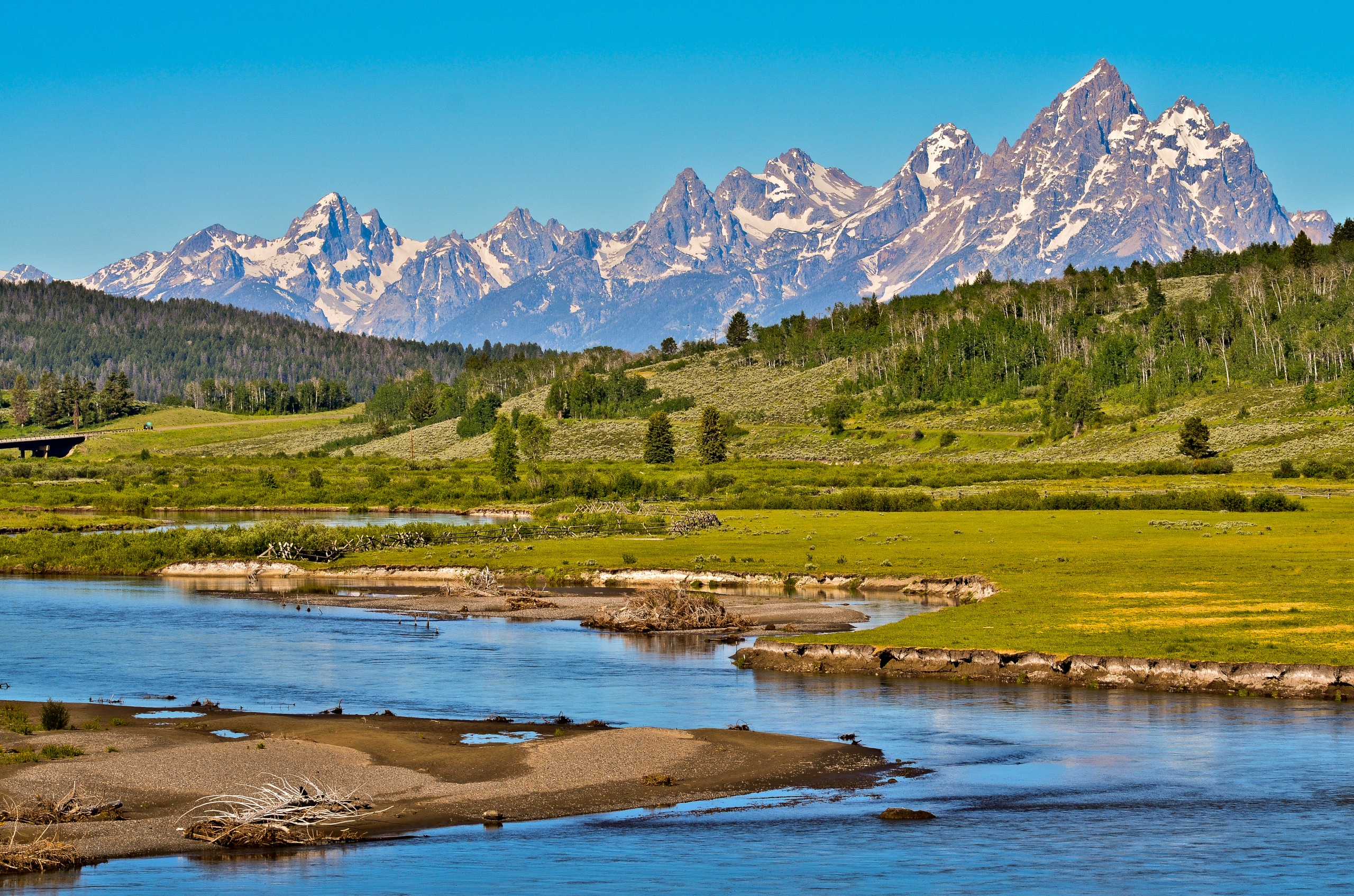
Called the "State of Grand Spectacles" and "America's Most Mountainous State," with landscapes among "the most desolate and primitive in the Southwest," as highlighted by the Federal Tourism Office, Nevada is a destination in its own right.
What to see and do in Nevada?
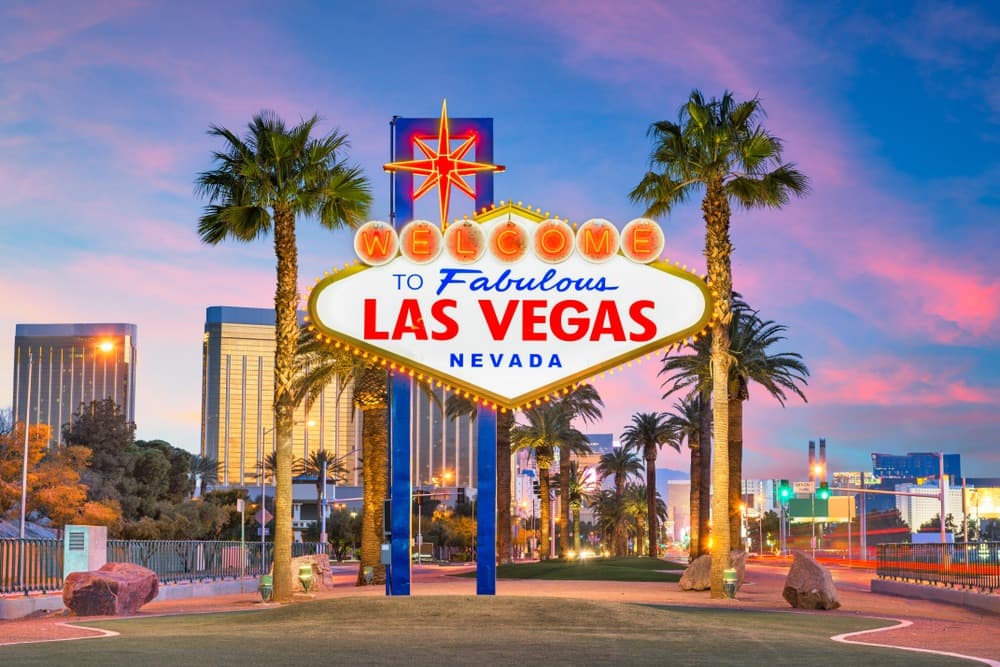
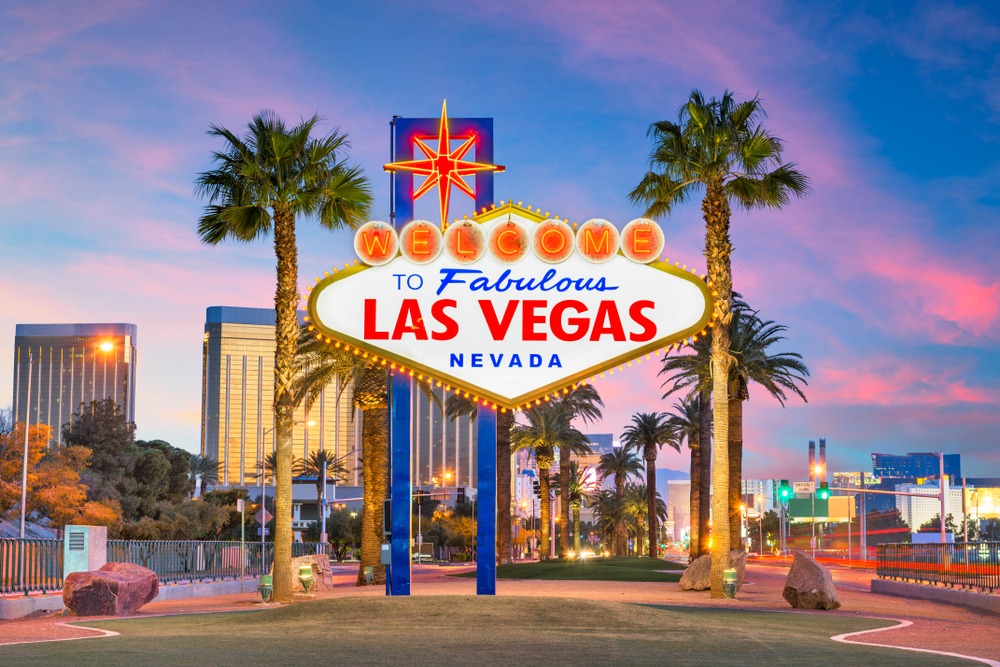
Las Vegas, where it all happens
The City of Sin, the City Without Clocks, the world capital of gambling… Las Vegas has no shortage of nicknames.
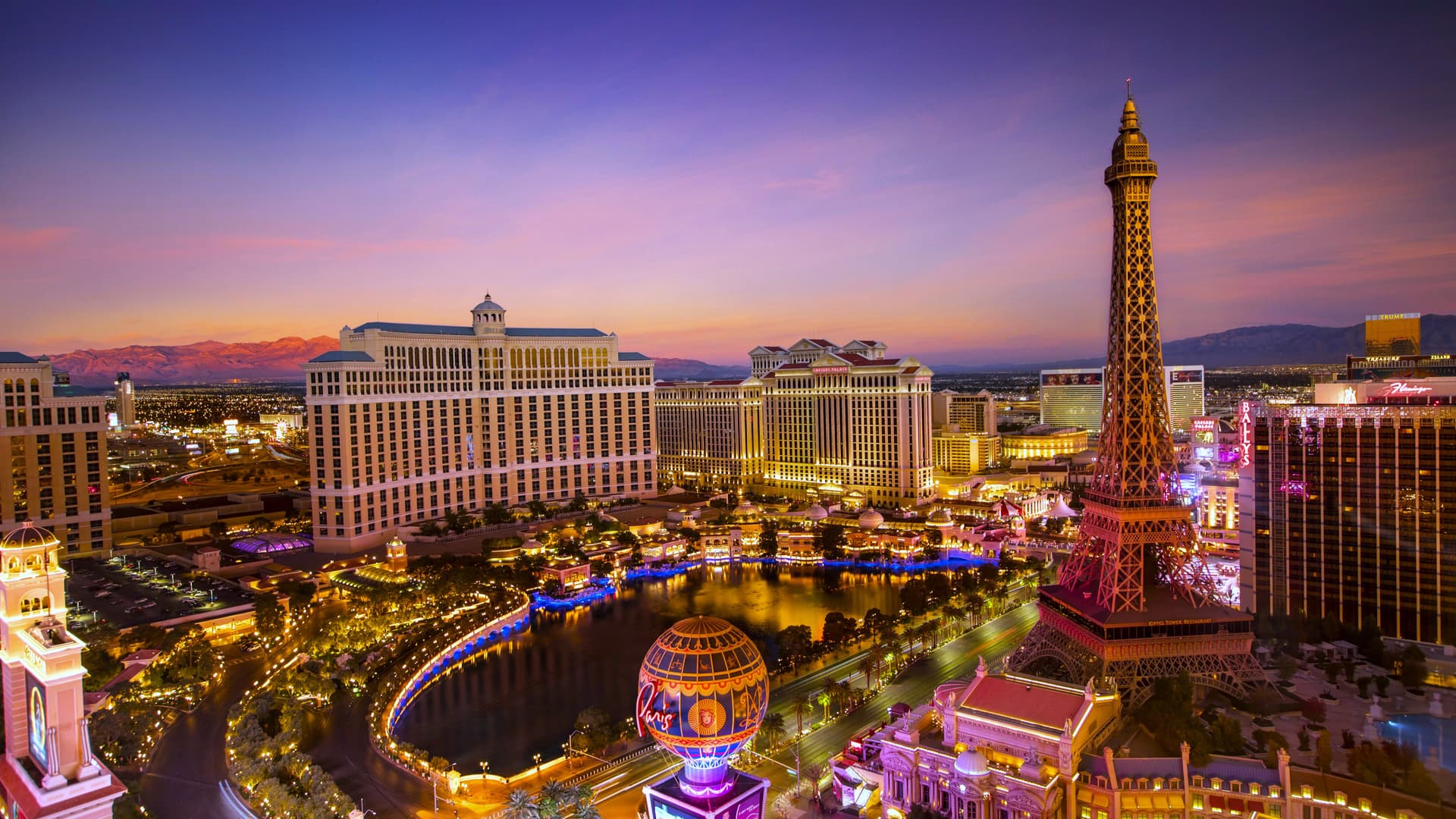
Spending hours at slot machines, exploring luxury restaurants, admiring fountains with sound and light effects or an erupting volcano in a hotel courtyard, attending a concert by a major international star… The range of entertainment possibilities is endless.
Two attractions stand out as absolute must-sees: the Strip, famous for its wedding chapels; and themed hotels that recreate, in full-scale décor, the characteristics of another country.
Between casino nights, also take time to visit some museums: the Mob Museum, dedicated to organized crime; the National Atomic Testing Museum; or the Auto Collection.
Reno, the world's biggest little city
Reno offers a similar atmosphere, but less wild than Las Vegas. While gaming houses dominate Virginia Street, remarkable cultural institutions thrive throughout the city: Nevada Opera, Reno Philharmonic, Reno Art Museum, National Automobile Museum, and more.
Aviation races launch each autumn. Sports tourism attracts a growing number of enthusiasts, including golf, rafting, and zip-lining.
Carson City, the administrative capital
Located near Reno, Carson City is home to the Nevada State Capitol, a neoclassical building topped with a silver dome. It's a pleasure to dine in Victorian-style mansions converted into bed-and-breakfasts.
A few interesting museums are worth visiting in Carson City, such as the Railroad Museum, which houses the iconic Virginia and Truckee Railroad, which for more than 150 years transported passengers through Nevada's rushing rivers and towering cliffs.
Death Valley National Park
While its name alone sends shivers, Death Valley fascinates in more ways than one. Flora is omnipresent despite the arid and inhospitable environment. Cactus gardens, palm-shaded oases, and endemic trees dot the route among sand dunes. Spring blooms make the journey magical.
Lake Tahoe or Emerald Bay
Close to Las Vegas and Lake Mead, Lake Tahoe is a favorite destination for nature lovers. Camping near this mountain lake nestled in the heart of the Sierra is a true delight.
The range of activities is quite broad, from kayaking and stand-up paddling in crystal-clear waters to a cable car ride up Heavenly Mountain, plus visiting the Vikingsholm castle, a sublime example of Scandinavian architecture with Western charm.
Both summer and winter, Lake Tahoe lives up to its Emerald Bay nickname.
Valley of Fire National Park
Scarlet red sandstone needles lent their name to Valley of Fire National Park, located 24 km south of Las Vegas. Hiking trails are lined with 2,000-year-old petroglyphs and petrified forests. Need to escape the wild atmosphere of Las Vegas? Head to Valley of Fire.
Red Rock Canyon National Park
Studded with unique geological formations, Red Rock Canyon is a magical place to visit if you plan to spend time outdoors near Las Vegas. Red sandstone walls are visible along its 20 km scenic route. Some of them reach heights of 1,000 meters. For hikers, the protected area offers numerous opportunities for hiking, climbing, and camping. Just twenty kilometers from the metropolis.
The Ruby Mountains, Nevada's Alps
Each winter, skiing, sledding, and ice skating bring joy to the Ruby Mountains. If you love dramatic summits, zip-lining, paragliding, or rock climbing, you'll find your paradise here too. The Ruby Mountains are affectionately nicknamed Nevada's Alps. You'll encounter herds of wild horses.
Hoover Dam
Located 50 km southeast of Las Vegas, on the border between Nevada and Arizona, the Hoover Dam is an engineering marvel built in the 1930s. This 220-meter-high concrete monolith regulates the Colorado River, produces electricity, and created Lake Mead, the largest artificial reservoir in the United States.
Area 51, Groom Lake, and Rachel
In the heart of Nevada's desert, near Groom Lake, approximately 133 km northwest of Las Vegas, lies Area 51, an ultra-secret military base. This facility has fueled decades of speculation about UFOs and extraterrestrial technology.
Nearby, the tiny town of Rachel (population 98) has proclaimed itself the "UFO Capital of the World." With its famous Little A'Le'Inn, a bar-restaurant-motel, it attracts the curious from around the globe. A fascinating detour for enthusiasts of mysteries and American legends.
What is Nevada's climate?
Nevada has a desert climate with hot, dry summers and mild winters. Temperatures range from 3°C to 30°C depending on the season. The best time to visit the state runs from May to September. Temperatures are comfortable.
Harry Reid International Airport serves the majority of international flights to Nevada. There are no direct flights from Europe to Reno, Carson City, or Elko. You'll need to take a flight to Las Vegas and change planes. Las Vegas Airport is located in the city of Paradise, 8 km south of downtown Las Vegas.
The estimated flight duration from Paris to Las Vegas is 12 hours. You'll have no trouble navigating the airport, which has only 2 terminals. Take a shared shuttle or rent a car to reach your hotel.
Getting around Nevada
To travel within Nevada, you have access to varied transportation options including trains, metro, cars, and public buses. RTC Transit operates buses in Las Vegas. JAC buses serve Carson City. But except in these two cities, the state has virtually no public transportation.
The most practical option is to rent a private vehicle. Nevada's road network is sufficiently dense. I-15 serves southern destinations, passing through Las Vegas, while I-80 winds through the north passing through Reno, connecting Nevada with Utah to the east and California to the west. Several federal highways ensure smooth traffic flow.