Oklahoma City
Oklahoma City
Oklahoma City, the western capital of the Great Plains: iconic museums, vibrant Bricktown, Route 66 and the rich heritage of tribal nations await exploration.
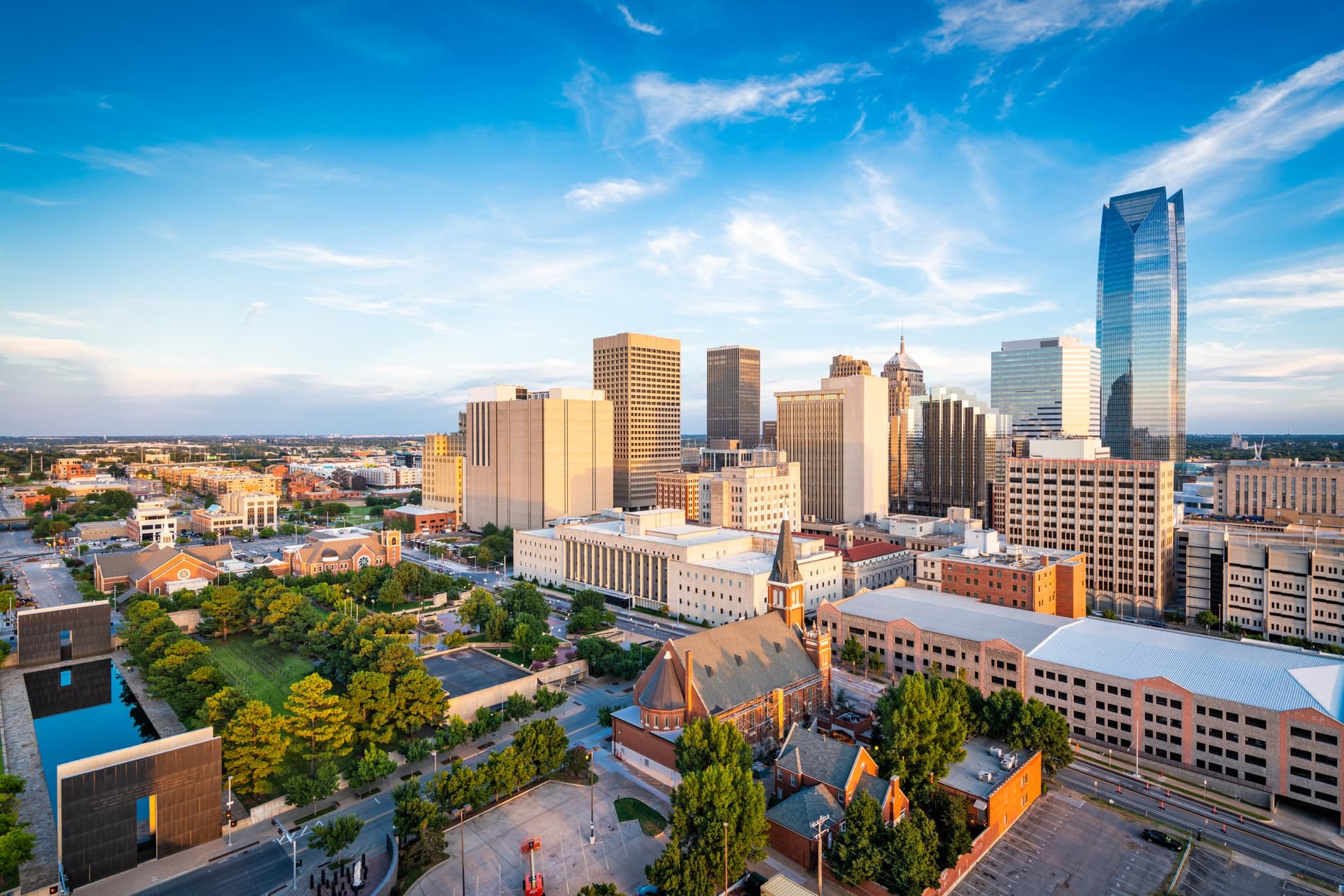
Oklahoma City, aka OKC, offers a captivating introduction to the western spirit. Cowboys and Native Americans have walked this land, and their legacy is celebrated through numerous museums. Yet the city refuses to dwell in the past—modern architecture continues to reshape the skyline. In a cosmopolitan and laid-back atmosphere, Oklahoma City reveals varied attractions to delight the entire family.
History
Located in the American South, Oklahoma City was once part of Indian Territory, where Native American tribes from the East were forcibly relocated during the infamous Trail of Tears in the 1830s. The region also drew cowboys and ranchers seeking grazing lands for their cattle. However, the settlement truly came into being during the Great Land Run. In April 1889, nearly 10,000 people claimed land in a single day. Years later, in 1907, Oklahoma City was selected as the capital of the newly formed state of Oklahoma.
After years of growth, tragedy struck the city in 1995. A bomb attack on the Alfred P. Murrah Federal Building claimed 168 lives. To honor their memory, the Oklahoma City National Memorial & Museum was dedicated in April 2000. Despite this devastating event, the city demonstrated remarkable resilience and went on to become an unmissable tourism destination in the heart of the Midwest.
What to See and Do in Oklahoma City?
1. Relive history through iconic museums
The Oklahoma City National Memorial & Museum is impossible to miss during your visit. Dedicated to the victims of the 1995 bombing, this solemn and moving memorial offers an immersive ten-chapter experience.
Not far away, the National Cowboy & Western Heritage Museum chronicles the world of cowboys and Native Americans through an impressive collection of artifacts, paintings and sculptures. Highlights include Prosperity Junction, a full-scale recreation of a late 19th-century village.
Another must-see institution: the First Americans Museum. Opened in 2021, this museum pays a powerful and vibrant tribute to Oklahoma's 39 tribal nations. The exhibition alternates between artworks, historical documents and immersive installations. It's complemented by a garden of edible indigenous plants and an excellent restaurant serving cuisine inspired by Native American traditions.
2. Wander the city and soak up the festive atmosphere
The beating heart of Oklahoma City lies in Bricktown, a former warehouse district transformed into an entertainment hub. Cruise the canal by water taxi, dine at one of the many lively restaurants, or catch a game at Chickasaw Bricktown Ballpark. The atmosphere is welcoming and perfect for a family outing or night out with friends.
Just steps away, the Paseo Arts District captivates with its bohemian charm. With more than 20 galleries and 80 artists, it's the ideal place to discover the local art scene. First Fridays of the month feature a popular nocturnal art walk beloved by art enthusiasts.
3. Explore the parks
Oklahoma City has preserved extensive green spaces. The Myriad Botanical Gardens, downtown, is a 37-acre oasis featuring water features, children's areas, concerts and above all the Crystal Bridge Conservatory, which houses thousands of tropical and desert plants.
Further south, Scissortail Park stretches across 173 acres from downtown to the Oklahoma River. This urban park combines sports facilities, cycling paths, outdoor events and a community garden. A place that's both lively and restorative.
4. Experience unique family-friendly adventures
Traveling with family? Don't miss Science Museum Oklahoma. Spanning 20 acres, it offers interactive science exhibits, a planetarium, an enormous treehouse structure and a creative workshop. A true treasure trove for sparking curiosity.
Oklahoma City Zoo is an essential stop for all ages. Part zoo and part botanical garden, it houses a wide variety of animals, including more than 100 species native to Oklahoma. The "Oklahoma Trails" area, designed as a natural habitat, lets you discover these animals in their typical environments, from the Black Mesa plateau to the Ozark Hills. The site also features a replica of Turner Falls waterfall and amenities designed to make your visit both fun and educational.
Even more unique, the Museum of Osteology displays over 800 animal skeletons—from hummingbirds to sperm whales—in a fascinating exploration of evolution and adaptation. It's an original museum that fascinates as much as it instructs.
End your stay with an unexpected moment at Factory Obscura. This artistic collective offers a sensory immersion through whimsical and colorful installations, blending music, emotion and imagination. The Mix-Tape exhibition is the perfect example: each room explores an emotion through bold scenography.
Practical Information
Climate and best time to visit
Oklahoma City experiences a continental climate, with very hot summers, cold windy winters, and frequent temperature swings in spring. To make the most of the city, plan your visit for May, September and October, when temperatures are mild. April, rich in festivals, will also delight art and culture lovers.
Getting there
As a state capital, Oklahoma City is served by numerous transportation options.
By Air
Will Rogers World Airport is connected to several major U.S. cities, including New York, Chicago and Los Angeles. Upon leaving the terminal, you can take the Airport Express shuttle or a taxi to reach downtown.
By Train
Oklahoma City's Amtrak station is served by the Heartland Flyer arriving from Fort Worth to the south. The journey between the two cities takes approximately 4 hours.
By Bus
From Dallas, Tulsa, Amarillo and Kansas City, you can use Greyhound intercity bus services and disembark at Union Station in downtown Oklahoma City.
By Car
Driving to Oklahoma City is straightforward. Coming from the north or northeast, take I-70, then continue on I-44 and turn onto Will Rogers Turnpike. From the west, you can directly follow I-40 into the city. I-35 connects Oklahoma City to Texas.
Public Transportation
Public buses are a convenient way to get around Oklahoma City, especially for exploring downtown and northeast neighborhoods.
Taxis
Taxis are widely used in Oklahoma City. Just verify fares before your ride. Uber is also available in the city if you prefer that option.
Car Rental
Oklahoma City boasts an excellent road network for drivers. Having your own car will simplify your travels while giving you complete freedom. Plus, parking is affordable and readily available.
Want to discover this destination?
Our local advisors design your tailor-made trip.