The City of Moab
The City of Moab
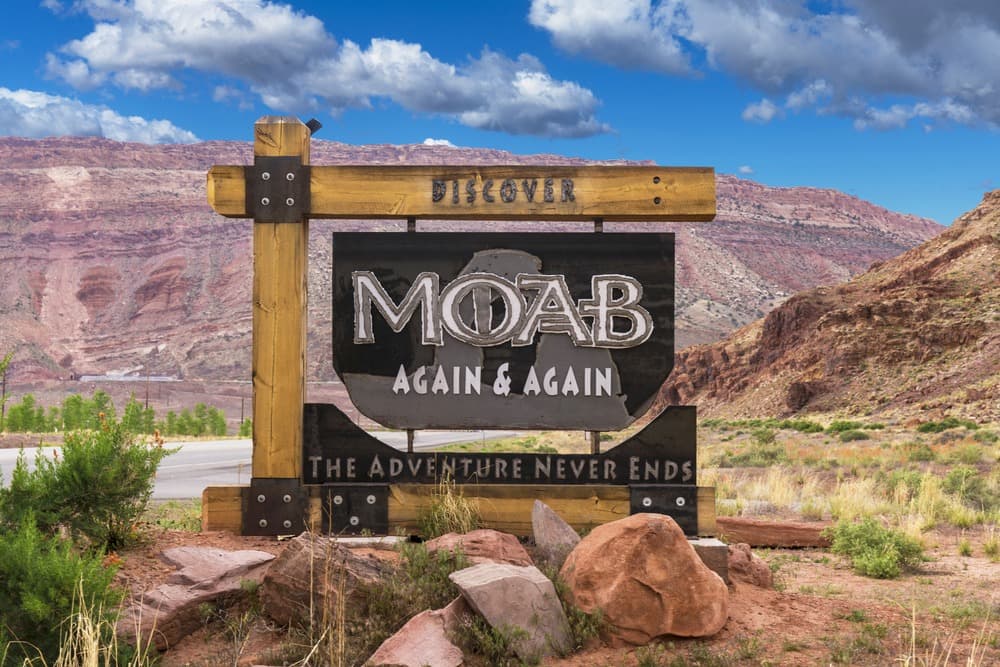
At the heart of the Colorado Plateau, Moab opens the door to sandstone arches, dramatic canyons, and the legendary trails of Utah.
Moab is a city located approximately 377 kilometers southwest of Salt Lake City, Utah's capital. Nestled between national parks and state parks, it captivates countless nature lovers. The Moab region is brimming with natural wonders and is an ideal setting for a wide variety of outdoor activities such as rafting, mountain biking, and hiking.
An essential stop in Utah
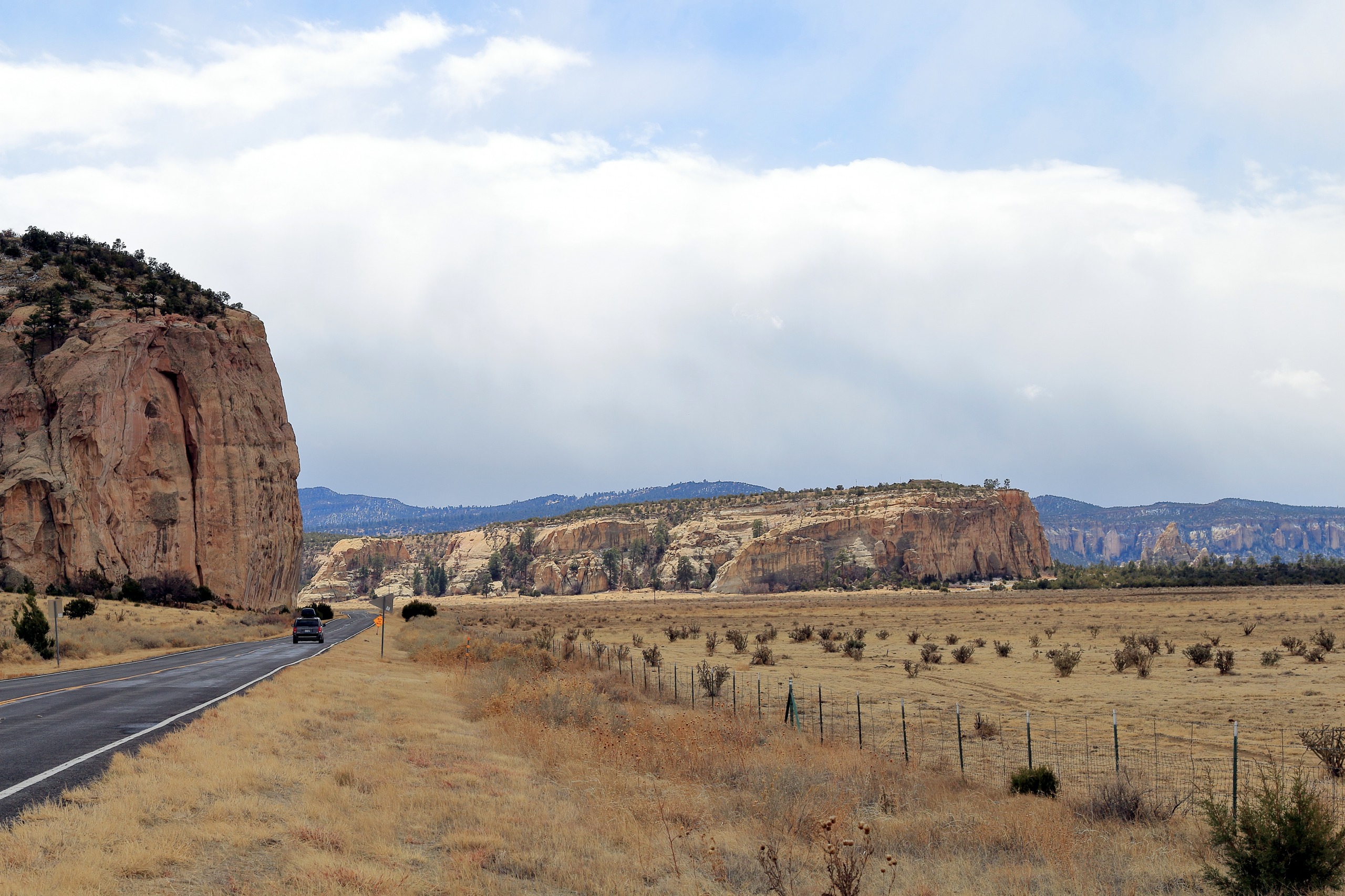
Moab is unquestionably one of the major anchors for exploring Utah. Situated at the heart of the Colorado Plateau, it offers immediate access to the emblematic landscapes of this region.
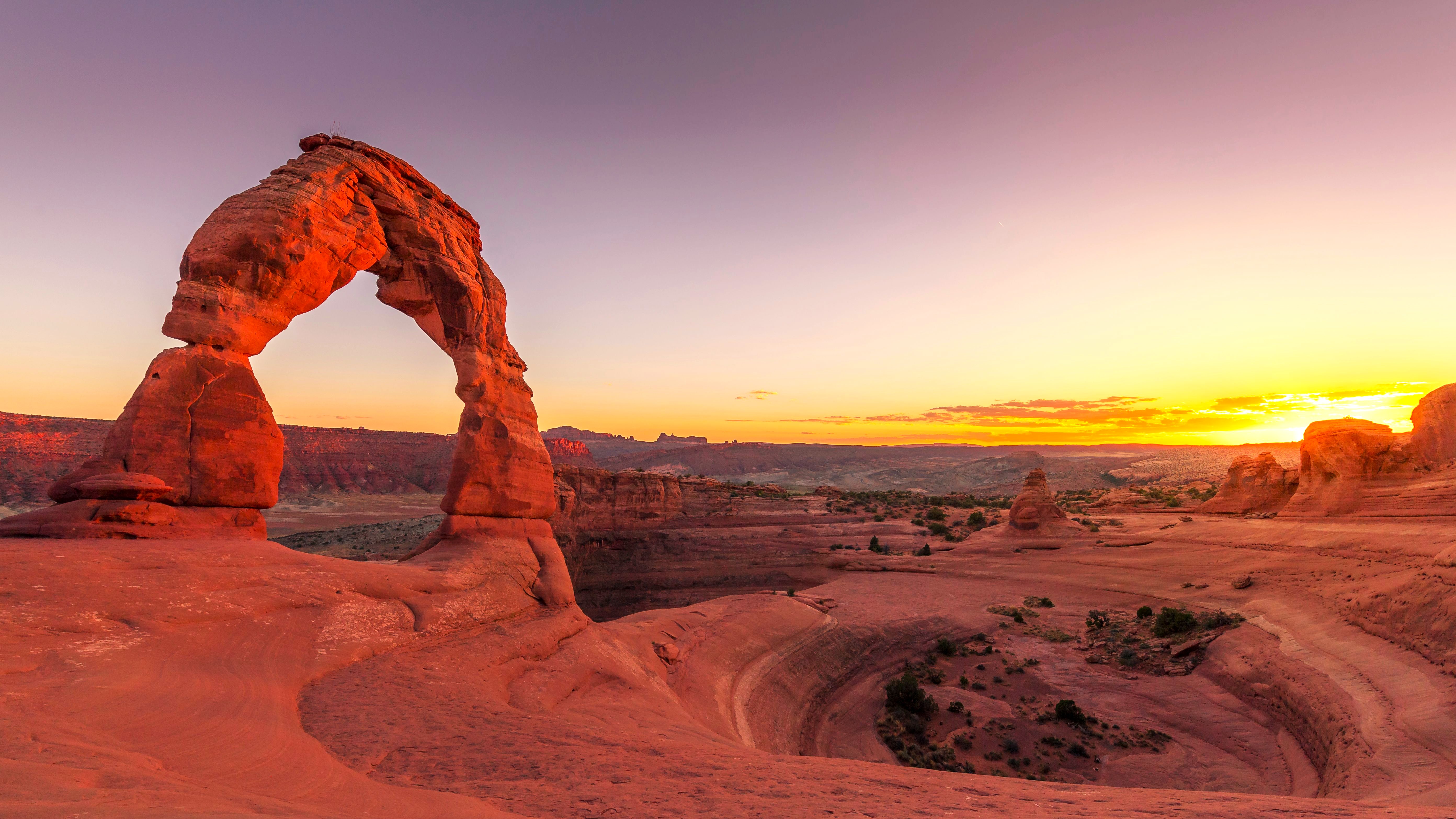
Just minutes away lies Arches National Park, famous for its more than 2,000 natural arches, including Delicate Arch, the symbol of the state. To the west, the Island in the Sky district of Canyonlands National Park reveals vertiginous panoramas of canyons sculpted over millions of years.
Moab is also close to Dead Horse Point State Park and the Colorado Riverway Recreation Area, as well as countless trails managed by the Bureau of Land Management.
This concentration of spectacular sites makes the city a strategic base for discovering one of the most breathtaking regions of the American Southwest. Here, landscapes shift at every turn, amid arches, mesas, ochre cliffs, rivers, and deserts. It is therefore impossible to envision a Utah road trip without passing through Moab.
History
For a long time, Moab served as an essential ford for crossing the Colorado River. In 1855, Mormon pioneers founded the Elk Mountain mission, a trading post on the river's edge, but they were driven out by repeated attacks from Native Americans (primarily the Utes). A permanent settlement was established in 1878, marking the true beginning of the town, named Moab in 1880.
The main line of the Denver & Rio Grande Western Railroad was built in 1883, but it bypassed Moab (at Thompson Springs, 60 km to the north), forcing freight transport by wagon for decades. The economy relied on agriculture, ranching, and early mining operations (vanadium and radium starting in the 1910s).
It was the discovery in 1952 by Texas geologist Charlie Steen of the Mi Vida uranium deposit – the richest in the United States – that radically transformed Moab into the "uranium capital of the world!" The population exploded (from 1,200 to more than 6,000 inhabitants), boosted by demand for nuclear energy. By 1962, a small railroad line dedicated exclusively to transporting ore was built to connect the region to potash and uranium mines.
The boom faltered as early as 1958 (falling prices), leading to complete decline in the 1980s. Moab then successfully reinvented itself in tourism, capitalizing on its neighboring parks.
Note: As early as 1949, filmmakers fell in love with Moab's distinctive landscapes. Several classics were filmed there, including Wagon Master, Rio Grande, Indiana Jones and the Last Crusade, and Mission: Impossible 2.
What to See and Do in Moab?
Downtown Moab
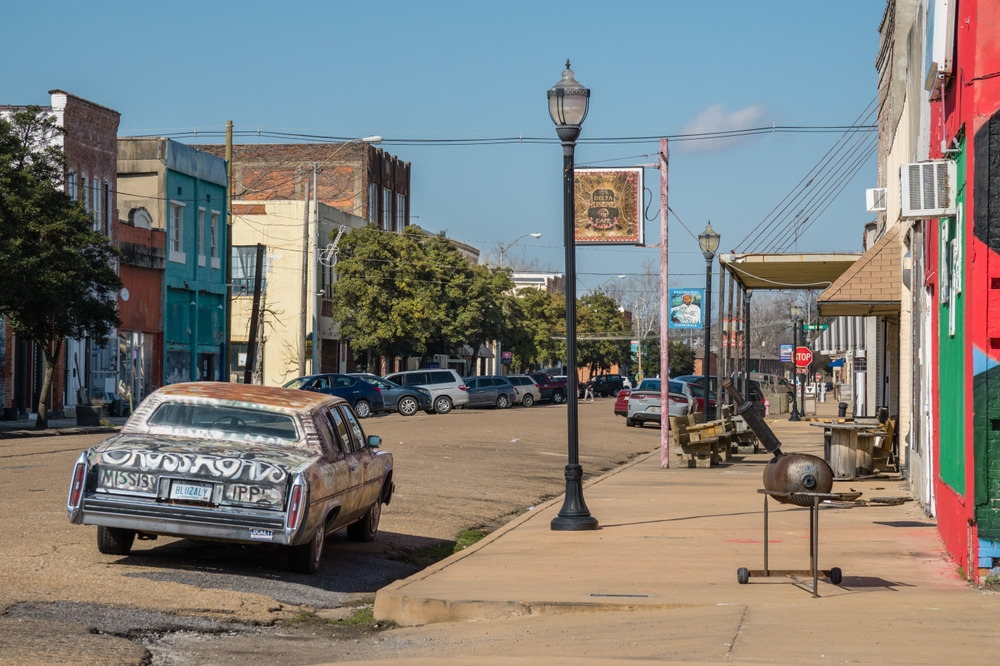
Begin your exploration of Moab in its downtown area. You'll discover art galleries and numerous shops.
Visit the Museum of Moab, which houses relics from earlier settlements, as well as fossils and rare rocks. Continue your stroll to the Fort Elk Mountain Mission nearby, where the first settlers attempted to establish themselves in 1855.
With a blend of Southwest specialties and world classics, Moab's cuisine is also worth exploring. Once you've gotten your bearings, it's time to fulfill your dreams of adventure in the heart of Utah.
Arches National Park
Located just minutes from Moab, Arches National Park is home to the world's greatest concentration of natural arches, sculpted by millions of years of erosion. Among the most iconic formations are Delicate Arch, the state's symbol, Landscape Arch, one of the world's longest arches, and Double Arch, easily accessible from Windows Section.
Visitors can explore varied trails, from simple overlooks to more demanding hikes, and enjoy an unforgettable show at sunrise or sunset when the sandstone cliffs blaze with orange hues.
Canyonlands National Park
Larger and wilder, Canyonlands National Park is divided into several districts, including Island in the Sky, the sector closest to Moab. Perched on a plateau suspended above the canyons of the Colorado and Green Rivers, it unfolds vertiginous panoramas from iconic viewpoints such as Mesa Arch, Shafer Canyon Overlook, and Grand View Point.
Its scenic roads and accessible trails make it an ideal destination for travelers wishing to explore grand landscapes, while more remote areas, such as The Needles and The Maze, appeal to adventurers seeking solitude and isolation.
Dead Horse Point State Park
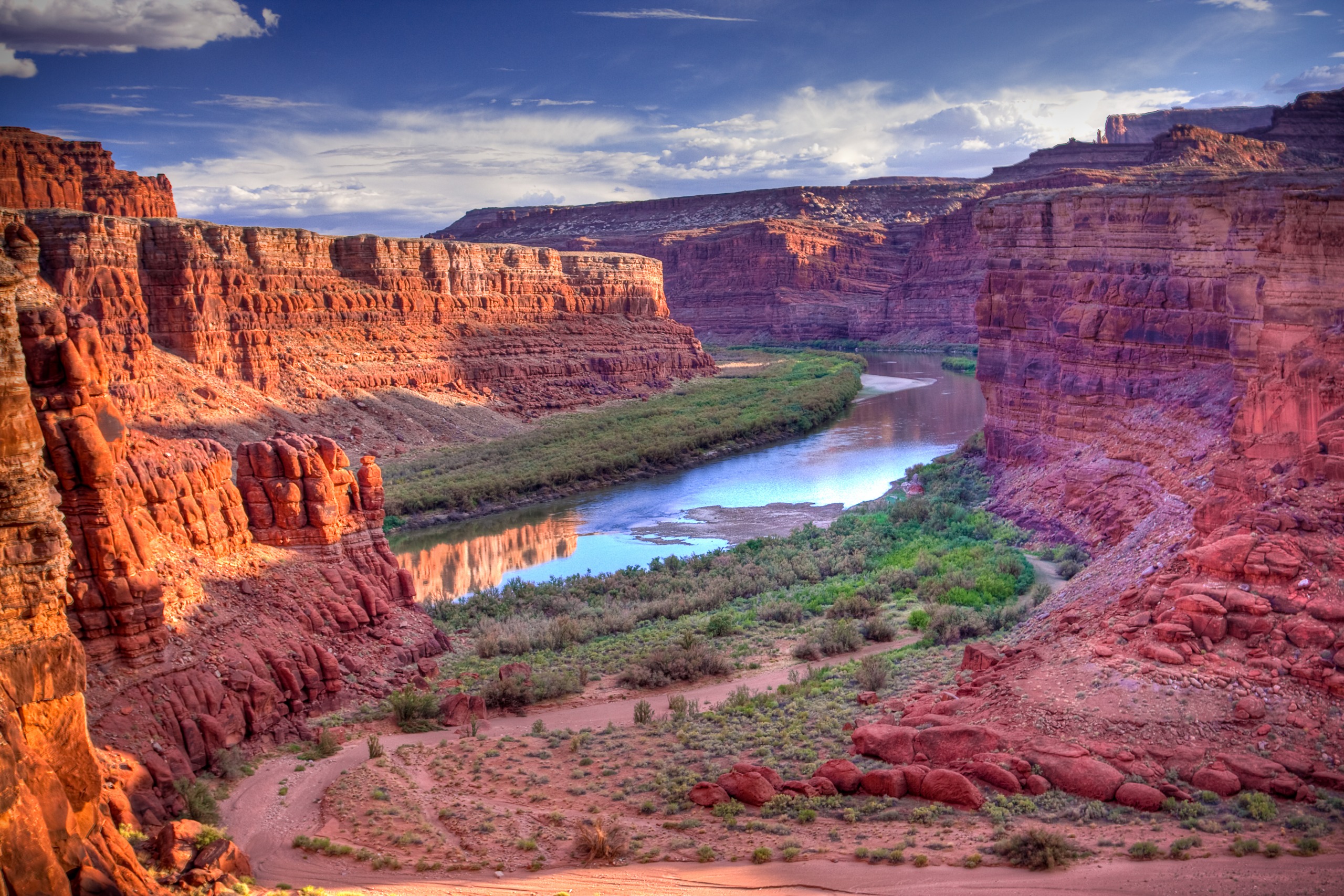
Located between Moab and Canyonlands, Dead Horse Point State Park is renowned for offering one of the finest views of the Colorado Plateau. From its main promontory, more than 600 meters above the river, you contemplate a spectacular meander of the Colorado surrounded by sheer red cliffs.
This park is a favorite among photographers, especially at sunrise when light illuminates the sandstone walls. Several short trails run along the ridges and allow you to enjoy uninterrupted panoramas in a quieter, more intimate atmosphere than the neighboring national parks.
Activities
Moab is a perfect destination for adventure. Whether you're passionate about thrills or simply a casual hiker, the region offers a variety of activities suited to all levels.
Hiking
Around Moab, trails lead to arches, narrow canyons, cliffs, and rock domes. Short routes like Windows or Balanced Rock sit alongside more demanding treks like Devil's Garden or Syncline Loop.
Mountain Biking
Moab is world-renowned for its mountain biking trails, including the iconic Slickrock Trail, traced across a vast sandstone plateau. Varied circuits allow both beginners and experts to explore the desert and rock formations.
Rafting
The Colorado River runs through the region and offers numerous rafting or kayaking excursions, suited for families and whitewater enthusiasts alike. Several local companies organize outings on calm or more challenging sections.
Off-Road Driving
The 4x4 trails around Moab are among the most famous in the country, with demanding routes such as Hell's Revenge or Shafer Trail. The landscapes traversed are exceptional, but prior experience or a guided tour is recommended.
Hot Air Ballooning
For an aerial view of mesas, canyons, and arches, hot air balloon flights are offered at dawn. An opportunity to observe the play of light on the desert and discover Moab from a unique perspective.
Camping
The region offers numerous campsites in national parks, state parks, and on BLM lands. Some spots are highly sought after, such as Devil's Garden or Willow Flat. Plan to book in advance or favor dispersed camping in regulated areas.
When to Visit?
Moab is hot in summer and relatively cold in winter. The region has an arid climate, meaning low precipitation, typically below 20 mm per month for an annual total of 239 mm. During the warm season, temperatures can exceed 35°C. You have two periods to choose from for optimal conditions during your stay in Moab: between April and June, and September.
The nearest international airport to Moab is in Salt Lake City. Plan for approximately 4 hours of driving to reach both destinations.
Grand Junction Airport is another, closer access point, at 1 hour 40 minutes' drive, though it handles only domestic flights.
By road, simply head to Route 191 to get to Moab.
Most tourists visiting the American Southwest arrive in Moab in their own vehicle. You'll find car rental agencies easily in all major Utah cities. Nevertheless, Moab and its immediate surroundings can be explored on foot or by bike.
FAQ About Moab
How long does it take to visit Moab?
Ideally 2 to 4 days to explore Arches Park, Canyonlands Park, Dead Horse Point, and enjoy outdoor activities.
Are the hikes in Moab difficult?
There are options for all levels, from easy walks to challenging trails with significant elevation gain.
Can you swim in Moab?
Not in the parks, but water activities are possible on the Colorado River with organized excursions.
Are the roads accessible by standard car?
Main roads, yes. Some trails require a 4x4 vehicle to drive safely.
Want to discover this destination?
Our local advisors design your tailor-made trip.