The City of Hilo
The City of Hilo
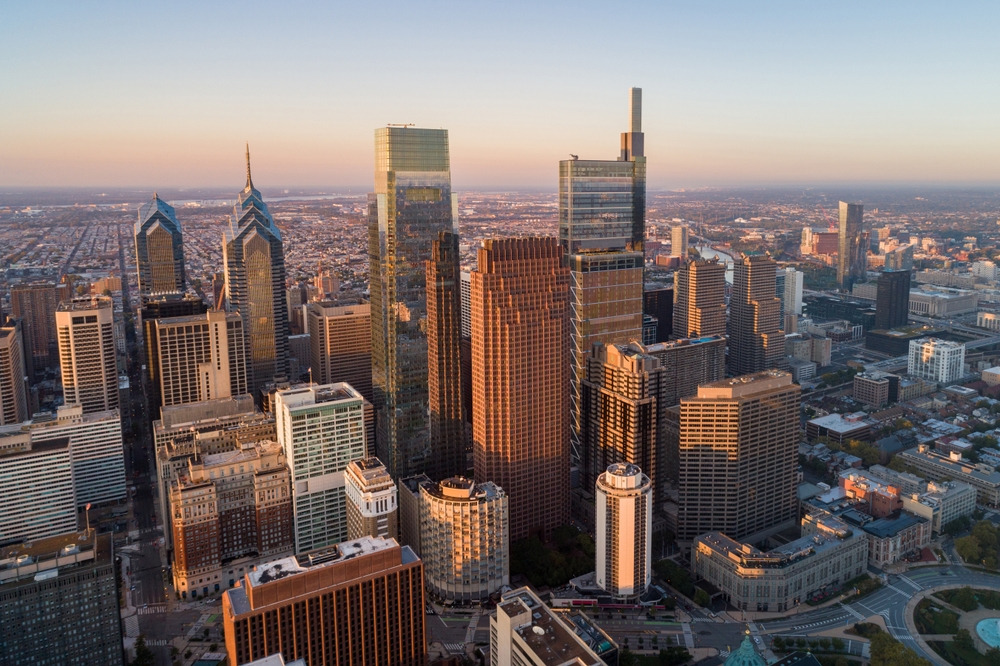
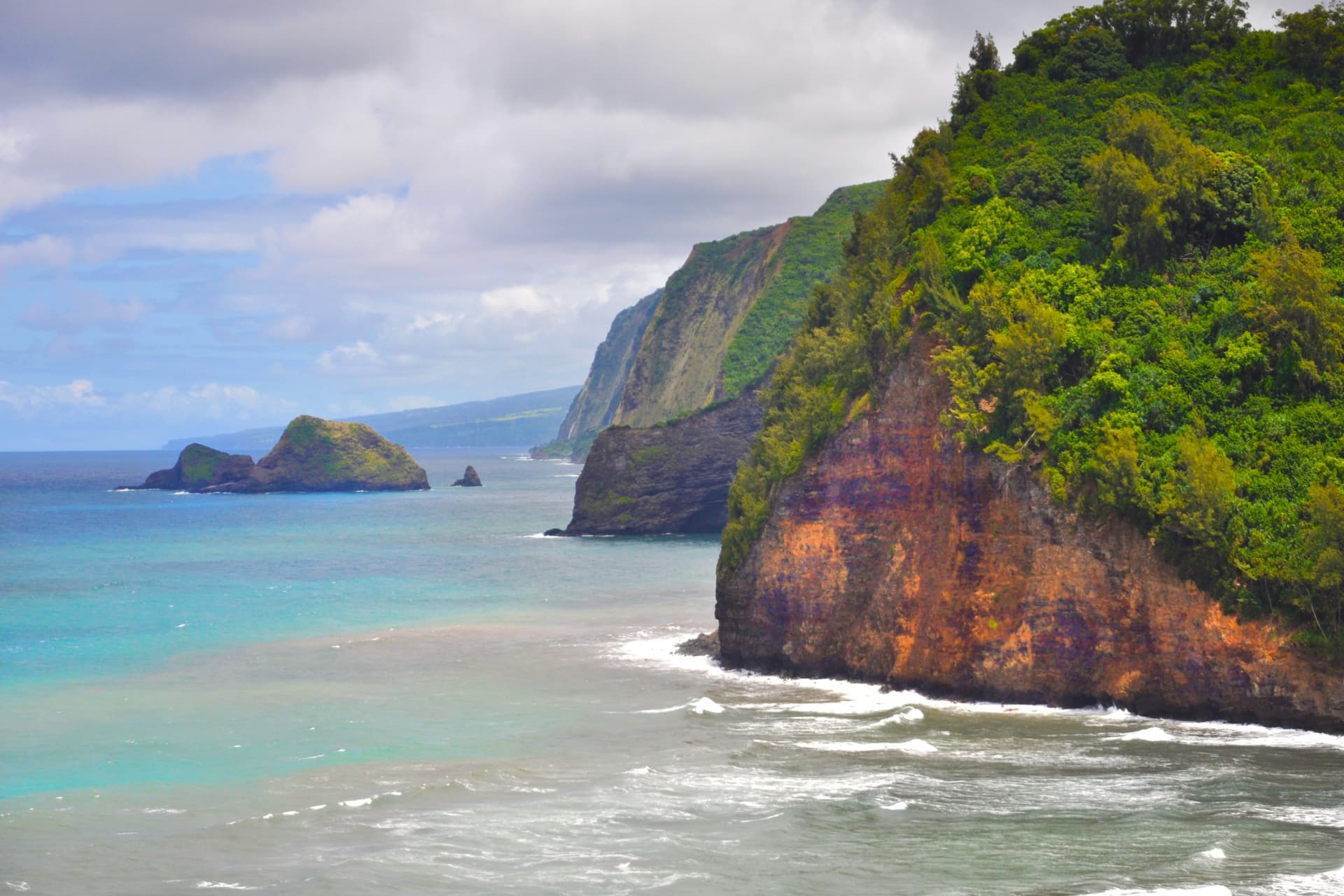
Hilo, the 'Orchid City' of Big Island, an ideal base for exploring Volcanoes National Park, Mauna Kea, and the waterfalls of the Hamakua coast.
With 47,000 residents, Hilo is the largest city on the island of Hawaii, ahead of Kailua-Kona. Don't expect sunshine every day here—prepare yourself for rainy weather, though it brings its own set of advantages. Hilo is the "Orchid City," where flowers and lush vegetation soften the atmosphere. It's also a cultural destination where you can experience the Aloha Spirit.
History
It is believed that people arrived in Hilo around 1100 AD. Archaeological evidence, however, remains scarce for establishing an exact timeline. According to oral traditions, the first groups settled near the Wailoa and Wailuku rivers. For centuries, islanders lived primarily off agriculture and fishing. In the 1800s, as elsewhere in the Hawaiian archipelago, the sugar industry began to develop in Hilo. Cultural mixing followed with the arrival of Portuguese, Japanese, Chinese, Filipino, Puerto Rican, and American settlers. As sugar plantations expanded, the settlement gradually became an economic hub of the island.
Hilo and the Tsunamis
Make no mistake—Hilo hasn't always had a quiet past. The bay has long been prone to tsunamis. The most devastating episode occurred on April 1, 1946, when a tidal wave razed over 1,300 homes and killed 159 people. A few years later, on May 19, 1960, nature's forces struck the city again. Another tsunami caused 61 deaths. The Pacific Tsunami Museum in Hilo features an exhibition on these tragic events.
Discovering Hilo, Living the Aloha Spirit
Start by exploring downtown Hilo. Stroll past colorfully painted homes, then head to the Farmer's Market to discover local produce. Take the opportunity to taste delicious Hawaiian coffee and some macadamia nuts while chatting with locals. Ask them what you're looking for during your stay in Hilo, about their history and traditions—they'll answer with joy. Love music? Learn the basics of the ukulele from local musicians. Prefer sports activities? Discover surfing the way islanders do. And if you want a truly unforgettable souvenir, get yourself a tribal tattoo!
Refresh Yourself in Nature
Certainly, Hilo isn't made for beach pleasures, but its surroundings won't fail to satisfy your desires for relaxation and escape. Visit the Liliuokalani Gardens to experience the romanticism of Japanese landscape design. Spanning nearly 30 acres, the park contains plants, pagodas, ponds, and finely sculpted rocks.
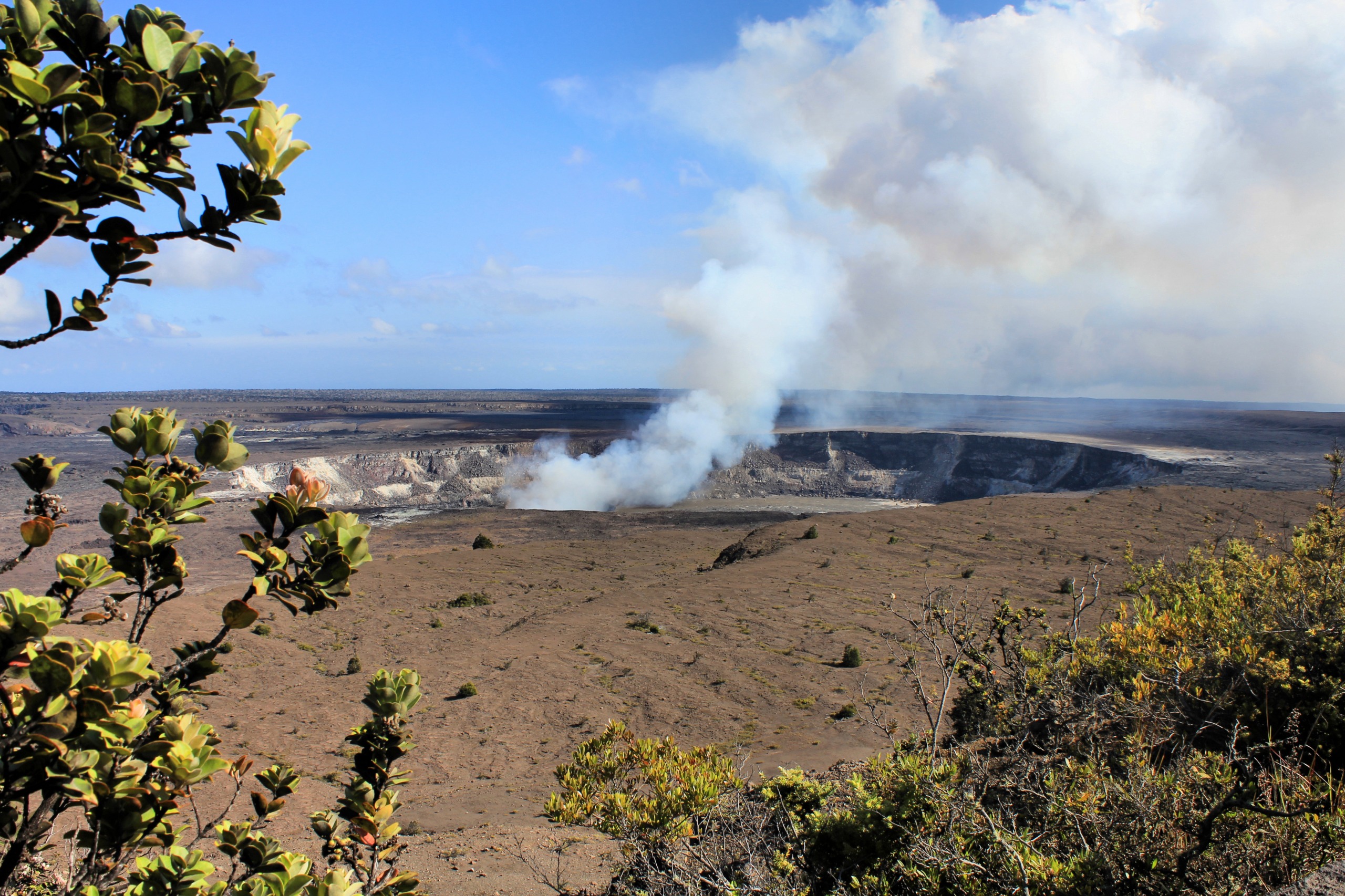
Venturing out from the city, embark on adventure into mist-bathed forests. Here, you'll need a rain jacket and sturdy shoes. Venture into the trails of Wailuku River State Park to reach the magnificent Waianuenue Falls (Rainbow Falls). Nearby, you'll spot steam rising from the Boiling Pots dotting Hawaii Volcanoes National Park.
Contemplate the Stars from Mauna Kea
To finish your stay in Hilo on a high note, climb Mauna Kea to admire the stars. Standing at 13,796 feet, this dormant volcano offers an exceptional viewpoint for contemplating constellations without any light pollution. There is an observatory center at the summit that is unfortunately not accessible to tourists. However, guided night tours of Mauna Kea can be booked to enjoy the celestial spectacle.
When to Visit?
Hilo is located in the wet part of the island of Hawaii. Unlike the west side near Kailua-Kona, where the sky is often clear and sunny, the bay experiences showers year-round, nourishing the lush tropical forest. Rainfall is less frequent from November to March, making this the best season to visit Hilo. Regarding temperatures, the thermometer ranges between 64°F and 82°F.
Hilo has an airport that handles both inter-island connections and international destinations. Hawaiian Airlines is the main carrier serving the area. It operates flights between Hilo and west coast cities in the United States, including San Francisco and Los Angeles. However, most trips to Hilo are made from another island in the archipelago.
Public transportation is limited in Hilo. The bus network is managed by the Hele-On company. Tickets cost 2 dollars per ride. Additional fees apply if you bring bicycles or large bags. Generally, tourists opt for car or bike rentals to explore Hilo. Day excursions are also very popular.
What to Do in Hilo?
- Shop at the Farmer's Market
- Enjoy water sports
- Take a hike in Wailuku River State Park
- Relax in the hot springs of Hawaii Volcanoes National Park
- Stargaze from the summit of Mauna Kea, and more.
Want to discover this destination?
Our local advisors design your tailor-made trip.