Boulder
Boulder
Just 29 miles from Denver, Boulder combines spectacular Flatirons, a sophisticated food scene, and direct access to the Rockies. Our guide to exploring this university town in Colorado.
Nestled in the Rockies, Boulder is a picturesque mountain town known for its outdoor activities, talented chefs, and vibrant urban life. Discover its attractions in this guide.
Boulder, a Hidden Gem of Colorado
When one thinks of Boulder, the image of Boulder Creek, the stream that flows peacefully between granite boulders, immediately comes to mind. In summer, the area comes alive: tubing, fly fishing, and line fishing attract locals and travelers seeking either relaxation or adrenaline.
But Boulder is more than just its landscapes. Just a short walk from the trails of Chautauqua Park—which offer a spectacular view of the famous Flatirons—lies a dynamic city, recognized for its quality of life and culinary creativity. The restaurants and tea houses on Pearl Street are a must-visit. Each establishment rivals the others in originality, blending farm-to-table cuisine, exceptional teas, and craft beers brewed on site. Foodies, nature lovers, or culture enthusiasts will all find reason to return to Boulder.
Chronicles of the City
Boulder was founded in 1858, when white settlers displaced the Arapaho people to claim the fertile soils of the valley. The city's foundation was part of the conquest of the New World, coveted for its gold and silver mines. Boulder's development was rapid following the arrival of the railroad in 1870, which connected the city to Denver and Golden. There is little resemblance between the former makeshift miners' shelter, filled with saloons and brothels, and the large university town of 20,000 inhabitants that Boulder would become by 1950.
Historically, the local economy has relied on education and academic research services. The University of Colorado Boulder is among the most prominent in the United States. The 1970s saw a rise in commerce and tourism. The city took care to restore many of its historic buildings. The arts, culinary specialties, and winter sports developed.
Today, a Two-Faced Destination, Blending Ecotourism with Urban Attractions
Visiting Boulder is an enriching experience for those seeking a hidden facet of Colorado. For hikers, mountaineers, or extreme sports enthusiasts, the city is nothing short of a gateway to the Rockies. Yet it deserves more than a simple excursion in the eyes of discerning travelers who appreciate its culinary excellence and architectural and urban heritage. Despite its elevation of 5,430 feet, Boulder is a vacation destination in its own right.
What to See and Do in Boulder?
Boulder is vibrant due to its large student population. It is youthful, cheerful, and bursting with energy. To give you an idea, nearly 30% of the population attends the University of Colorado. The city is relatively modest in size. Attractions are just a short distance from downtown.
Natural Heritage
Flatirons, a Masterpiece of Nature
The Flatirons are the defining symbol of Boulder. These distinctive sandstone rock formations rise majestically in the foothills west of the city. Beyond offering an incredible landscape, they welcome numerous visitors for magnificent hikes along well-marked trails.
Chautauqua Park, a Hiker's Paradise
To photograph the Five Flatirons, you don't need to reach the summit. Hiking trails crisscross Chautauqua Park, allowing you to approach them at a sufficient distance to capture stunning photos. Among the most popular are the Woods Carry Trail, which passes through a mysterious stone cabin, the Chautauqua Trail, lined with pines and wildflowers, and the First and Second Flatiron Trail, which offers breathtaking views of the first two Flatirons.
To combine the pleasures of sound with those of sight, enjoy a concert at Chautauqua Auditorium. Inaugurated in the late nineteenth century, the hall, decorated with native wooden beams, accommodates more than 6,000 spectators.
Boulder Creek, a Cycling Haven
If adventure at Chautauqua Park is highly athletic, the Boulder Creek Trail offers a more family-friendly atmosphere. Cycling along the bank, walking, fishing, floating down the stream on a tube, or reading a paperback in the shade of old trees—the motto is relaxation.
Architectural and Urban Heritage
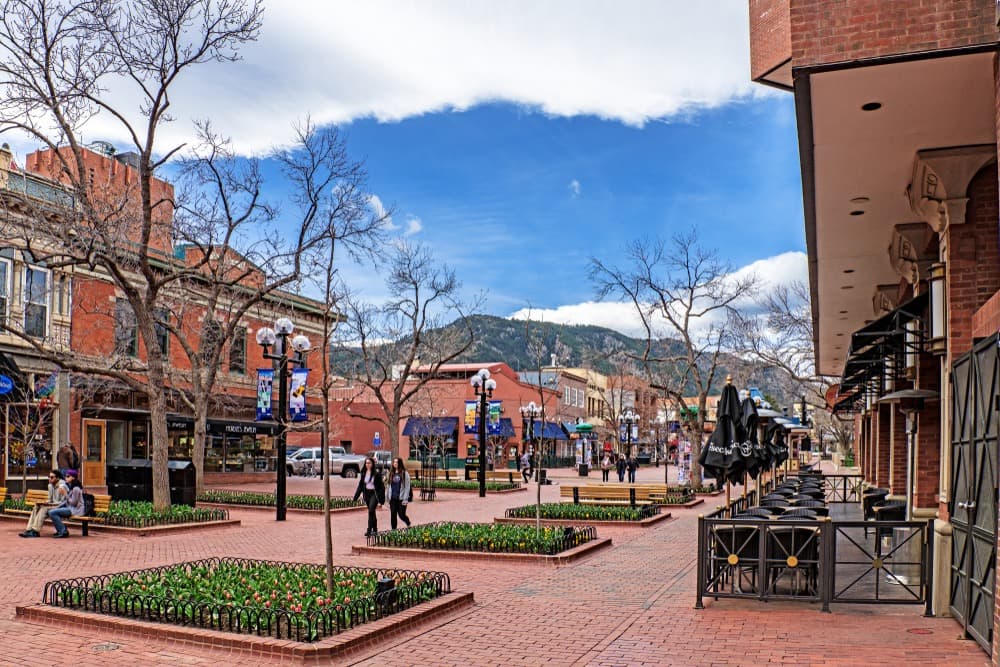
After a nature outing, head to Boulder's historic district and admire the character-filled homes lining the pedestrian streets. Most have been converted into hotels, restaurants, or tea houses. When you enter these establishments, you're not just enjoying a meal but savoring a privileged setting that reflects the skill of local craftsmen.
Boulder has earned renown for the quality of its gastronomy. A variety of craft beers can be ordered in restaurants. Renowned tea makers have established themselves here. In this regard, a visit to Dushanbe Teahouse is essential, a beautiful tea house that Boulder received from Dushanbe, its sister city located in Tajikistan.
Practical Information
When to Visit?
The months of January to March and June to August are the most favorable for a trip to Boulder. That said, the climate is pleasant year-round. The high altitude shields the city from extreme heat. Several cultural festivals take place in summer and winter.
Boulder is located just 29 miles northwest of Denver. The drive via Interstate 25 takes approximately 35 to 45 minutes, depending on traffic. The express Flatiron Flyer bus is an economical option, connecting the two cities in about an hour for just $2.
You Will Enjoy…
Capturing the Flatirons in photographs;
Practicing mountain sports;
Enjoying fishing;
Sunbathing on the banks of Boulder Creek;
Cycling.
Want to discover this destination?
Our local advisors design your tailor-made trip.