Acadian Historical Village
Acadian Historical Village
At Caraquet, over 40 authentic buildings trace Acadian life from 1770 to 1949: traditional trades, farms, gastronomy, and the memory of the Deportation.
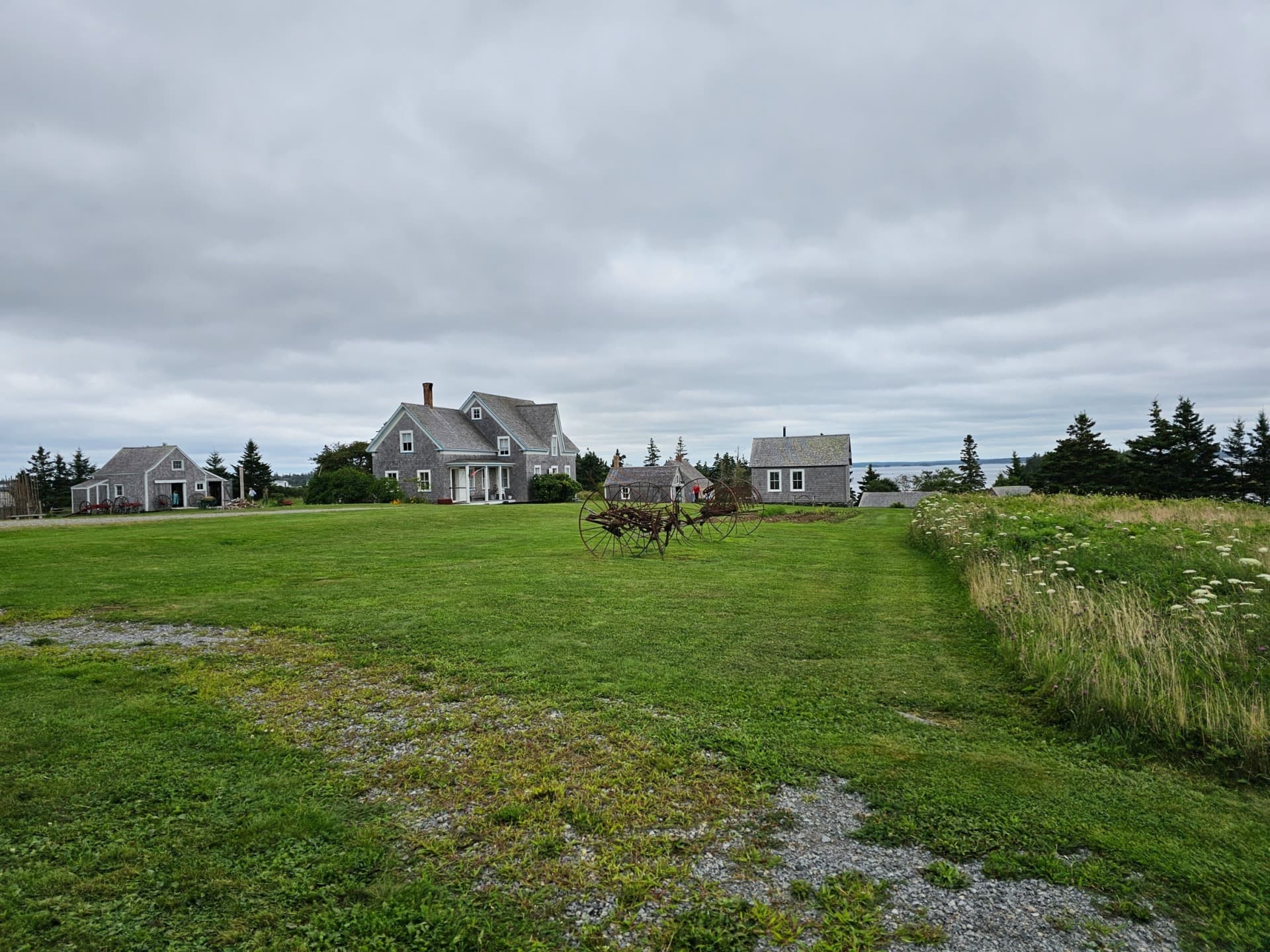
A few kilometres from Caraquet, on the northeast coast of New Brunswick, the Acadian Historical Village recreates the daily life of Acadians between the late 18th century and the mid-20th century. Spanning over 6 km² on the shores of Baie des Chaleurs, the site brings together more than 40 authentic buildings, relocated or reconstructed, animated by interpreters in period costume.
Why visit the Acadian Historical Village
The site offers a concrete understanding of Acadian history, little known outside Atlantic Canada. The farms, workshops, schools, churches, and mills are furnished with original pieces or carefully documented reproductions, and each building corresponds to a specific period. The visit spans the reconstruction of Acadie following the Deportation through 20th-century modernization, with a clear chronological thread.
The appeal is threefold: preserved architectural heritage, a living presentation with craft demonstrations, and regional cuisine on-site. Plan for at least half a day to explore the site, or a full day if you wish to attend demonstrations and dine on location.
History: From the Deportation to Living Memory
Acadians descend from the first French colonists settled in historic Acadie, which covered part of present-day Atlantic Canada and Maine. In 1755, British authorities organized their deportation: more than 10,000 people were torn from their lands and scattered throughout British colonies, France, or Louisiana, where some would later form the Cajun community.
Some returned to Acadie after 1764 and gradually rebuilt villages, parishes, and local economies. This is the trajectory that the village, founded in 1977, tells. The site covers two major periods: reconstruction (1770–1810) and modernization (1890–1949), with buildings representing each era.
A reenactment of the 1778 Battle of Caraquet, a skirmish between Acadians and British soldiers, features among the seasonal highlights.
What to See and Do
Buildings and Traditional Crafts
Workshops showcase traditional trades: blacksmith, carpenter, weaver, rope maker. Demonstrations are narrated and you can interact with the artisans. On the farm side, you can observe (and sometimes participate in) milking cows, harvesting vegetables, or artisanal butter making.
Music and Culture
Outdoor performances highlight Acadian instruments: violin, accordion, and spoons. On June 24th, Acadian National Day (Saint-Jean-Baptiste), the site hosts a gathering with traditional noise-making and bonfires.
Acadian Gastronomy
Three establishments serve regional cuisine: Relais d'la Baie, Château Albert, and Café-Bistro du Village. The menu features typical dishes such as fricot, poutine râpée, meat pie, and pouding chômeur. For light fare, Boulangerie Savoie, Épicerie Robichaud, and the General Store offer period-appropriate products and refreshments.
Accommodation and Extended Experiences
The site offers lodging in a restored historic house combining modern comfort with period furnishings. A traditional Acadian wedding package is also available: décor, music, menu, and costumes can be customized.
Practical Information
The village can be explored on foot, by bicycle, or by horse-drawn carriage depending on the day. An internal shuttle service facilitates travel between zones, and parking is generally free. Rates vary by age, with family and group packages available. Since schedules and prices change seasonally, verify up-to-date information on the official website before your visit.
Plan for half a day to a full day on-site. Bring comfortable shoes, water, and clothing suited to changeable weather.
When to Visit
The Acadian Historical Village is open from June to October. The busiest period runs from late June through late August, with major events (Acadian National Day, reenactments, neighbouring festivals). September and early October offer quieter visits and autumn colours over Baie des Chaleurs.
New Brunswick's humid continental climate brings mild to warm summers (around 20°C, sometimes higher) and cool evenings: pack an extra layer even in July.
How to Get There
The site is about ten kilometres from Caraquet, accessible via Route 11, which runs along New Brunswick's north coast.
- By car: the most straightforward option. About 4 hours from Moncton, half a day from Halifax, and a full day's drive from Québec or New England.
- By plane: the nearest airport is Bathurst, approximately 60 km away. Rent a car or take a taxi to reach the village.
- By train: the nearest VIA Rail station is Miramichi, about 120 km away, on the Montréal–Halifax line.
- By bus: Maritime Bus serves Tracadie-Sheila, about twenty kilometres away. No direct service to the village.
Nearby Attractions
Northeast New Brunswick warrants several days of exploration. In Caraquet itself, the Acadian Museum usefully complements your village visit with collections from Acadian families. The Caraquet Acadian Festival, held in August, ranks among the community's oldest cultural events.
Further southeast, Kouchibouguac National Park offers dunes, salt marshes, and cycling trails. Offshore, Miscou Island and its lighthouse complete the Acadian Peninsula with peatlands and uncrowded beaches.
Frequently Asked Questions
Frequently asked questions
The site is open from June to October. July and August concentrate most events and demonstrations, while September offers a quieter visit with autumn foliage.
Allow at least half a day. A full day is recommended to enjoy demonstrations, performances, and a meal at one of the site's restaurants.
Yes. Craft demonstrations, farm animals, and horse-drawn carriage rides particularly appeal to younger visitors. Reduced rates and family packages are available.
Three restaurants serve Acadian cuisine: Relais d'la Baie, Château Albert, and Café-Bistro du Village. Typical dishes on the menu include fricot, poutine râpée, meat pie, and pouding chômeur.
The simplest option is to combine train travel (to Miramichi) or bus service (to Tracadie-Sheila), then taxi or rental for the final leg. No direct public transit serves the village.
Plan Your Trip
The Acadian Historical Village fits into a broader itinerary across North American regions and national parks. To build your getaway, explore our travel ideas for the United States and our other attraction guides across the continent.
Interested in this visit?
We can include it in your personalised itinerary.