Venice Beach
Venice Beach
Beachside neighborhood on Los Angeles' west side, Venice Beach blends a lively boardwalk, historic 1905 canals, skate culture and street murals.
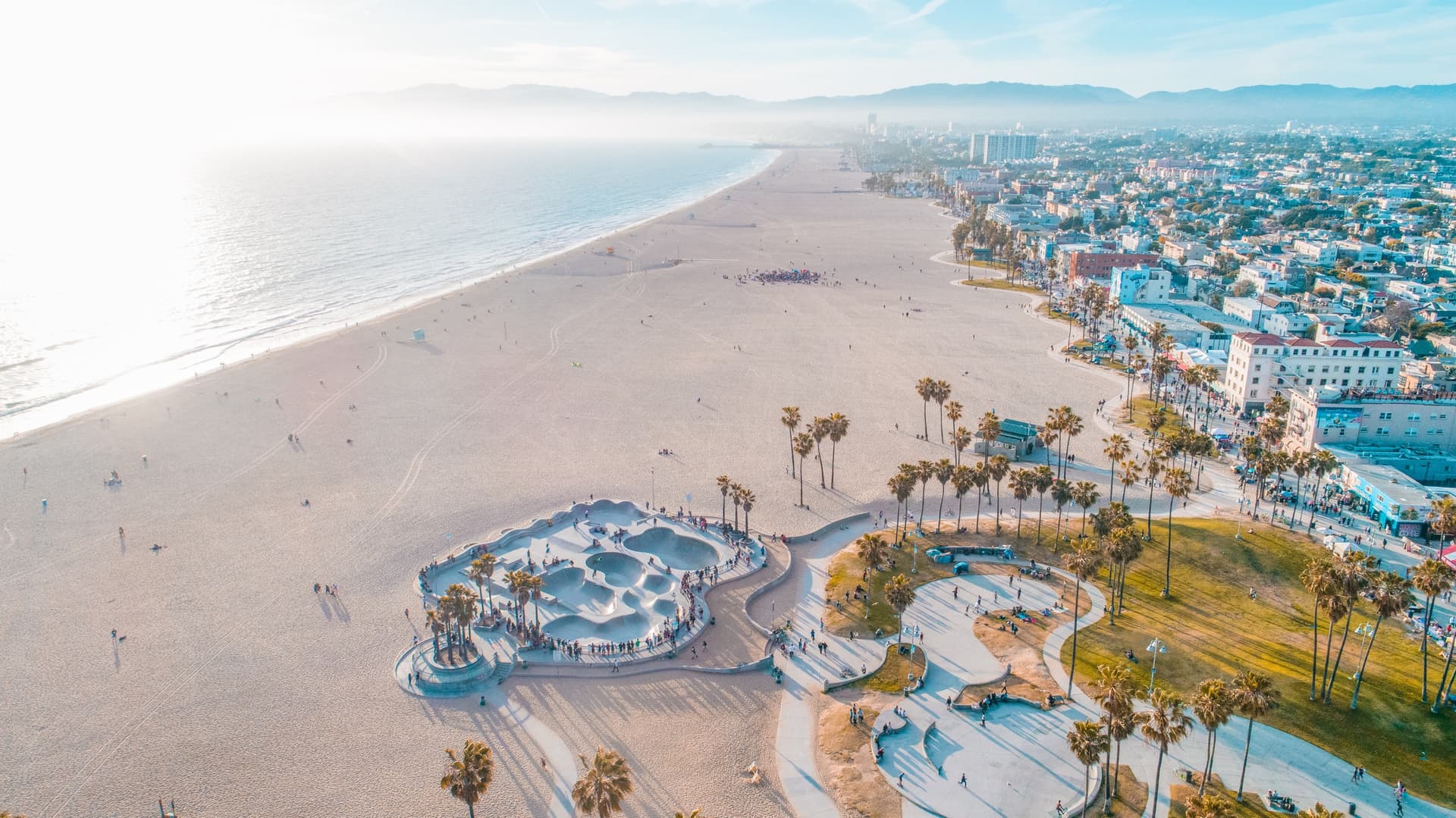
Venice Beach occupies a strip of coastline on the west side of Los Angeles, between Santa Monica to the north and Marina del Rey to the south. The neighborhood combines beach, animated promenade, residential canals and street art scene, a legacy of a century of California alternative culture.
Why visit Venice Beach
Venice condenses several facets of Southern California within just a few square kilometers: a waterfront where surfers, skaters and bodybuilders coexist, a network of residential canals dating from the early 20th century, and a boulevard, Abbot Kinney, which has become the showcase of local design and dining. The promenade remains free and accessible year-round, making it a complementary stop to Hollywood or the nearby Santa Monica State Beach.
History of the neighborhood
In 1905, entrepreneur Abbot Kinney created the Venice Canal Historic District upon returning from a trip to Italy. He had a network of canals dug and imported Italian gondolas to recreate a Venetian atmosphere on the Pacific coast. The neighborhood quickly became a leisure destination favored by Angelenos.
In the 1950s and 1960s, Venice became a hub of the Beat Generation and California counterculture. The following decade extended this identity: Jim Morrison lived there and composed much of his repertoire, while the Z-Boys collective redefined modern skateboarding by exploiting the neighborhood's empty pools and ramps. Around the same time, Muscle Beach, an open-air gym, welcomed Arnold Schwarzenegger among its regulars and helped spread American bodybuilding culture.
The neighborhood has undergone significant gentrification since the 2000s, but retains much of its alternative character, visible on the boardwalk and in murals.
What to see and do
Venice Beach Boardwalk
The Ocean Front Walk promenade runs along the Pacific for 2.5 km. Street artists, musicians, vendors and tattoo parlors line the way. It's the central axis of a visit, most lively late morning and afternoon.
Muscle Beach
This open-air gym, open to the public, remains frequented by serious athletes. Access to the facilities is paid for sportspeople; the public can observe freely from outside.
Venice Skatepark
Located directly on the sand, this 1,600 m² skatepark features bowls and ramps used by riders of all levels. It extends the Z-Boys legacy and offers a popular vantage point at sunset.
Venice Canals
The remaining canals from Abbot Kinney's project form a quiet residential neighborhood, crossed by small pedestrian bridges. The walk takes 30 to 45 minutes and contrasts with the boardwalk's hustle.
Abbot Kinney Boulevard
This avenue concentrates independent shops, galleries and restaurants. On the first Friday of each month, the First Fridays event draws food trucks in early evening (check current hours, typically around 5pm–9:30pm).
Venice Art Walls
Walls legally dedicated to graffiti, repainted regularly. Works change from weekend to weekend and form a visual chronicle of the local street scene.
Venice Pier
A 400-meter jetty extending into the Pacific. Free access, frequented by anglers and offering a clear view of Santa Monica Bay.
Venice Breakwater
Breakwater built in the 1930s. It generates regular waves suited to beginner and intermediate surfing. Several schools offer lessons on the adjacent beach.
Mosaic Tile House
A house entirely covered in mosaics by artists Cheri Pann and Gonzalo Duran. Visits are by advance reservation only, in small groups.
Venice Sign
Illuminated sign installed in 2007 above the intersection of Pacific Avenue and Windward Avenue, in tribute to the original 1920s sign. A neighborhood landmark and classic photo spot.
Venice Farmers Market
Farmers market held every Friday morning on Venice Way. Produce, vegetables, flowers and artisanal preparations from the region.
Drummer's Circle
An informal gathering of percussionists that forms spontaneously on weekends in late afternoon near the boardwalk, continuing until sunset. A practice inherited from the 1960s counterculture scene.
Beach Bike Path
A 35 km coastal bike path connecting Will Rogers State Beach (to the north) to Torrance (to the south). Several rental shops for bicycles, skateboards and scooters are located on the boardwalk.
When to go
Venice can be visited year-round thanks to Southern California's dry climate. Peak season runs from June to August: mild temperatures, maximum boardwalk atmosphere, but heavy crowds and weekend parking shortages. Spring and fall offer a better balance. To enjoy the farmers market, plan for a Friday morning; for First Fridays, the first Friday of the month in early evening. The Drummer's Circle is best observed on Saturday and Sunday late afternoons.
Practical information
Access to the boardwalk, beach and canals is free. Several public parking lots line North Venice Boulevard and Washington Boulevard; daily rates are moderate on weekdays and higher on weekends and peak season. Free street parking exists in residential areas east of the neighborhood, but is limited in time and often requires a 15 to 20-minute walk.
Accommodation ranges from youth hostels to boutique hotels, primarily concentrated along Pacific Avenue and Washington Boulevard. Swimming is supervised by lifeguards during the day; currents can be strong, especially south of the pier. At dusk, stick to frequented areas like Abbot Kinney Boulevard rather than isolated beach sections.
How to get there
From downtown Los Angeles, allow 30 to 60 minutes by car via I-10 West to its terminus, then Venice Boulevard or Washington Boulevard. By public transit, Metro lines 33 and 733 serve the neighborhood from Downtown. Rideshare services (Uber, Lyft) are a practical alternative. From Santa Monica, the coastal bike path lets you reach Venice by bike in about twenty minutes.
Nearby
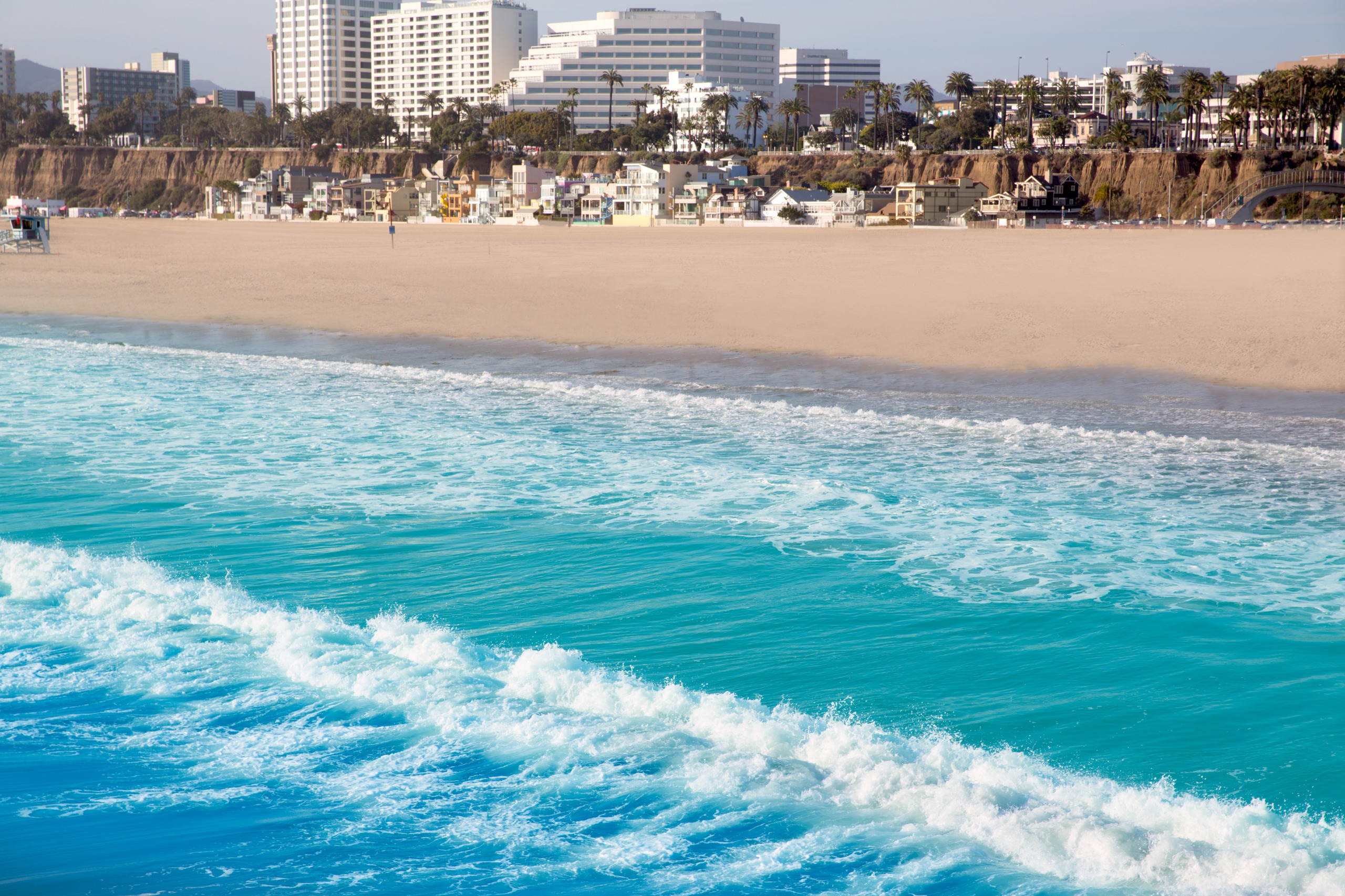
- Santa Monica State Beach: immediate neighbor to the north, accessible on foot or by bike via the boardwalk.
- Marina del Rey: a pleasure port to the south, about ten minutes' drive away.
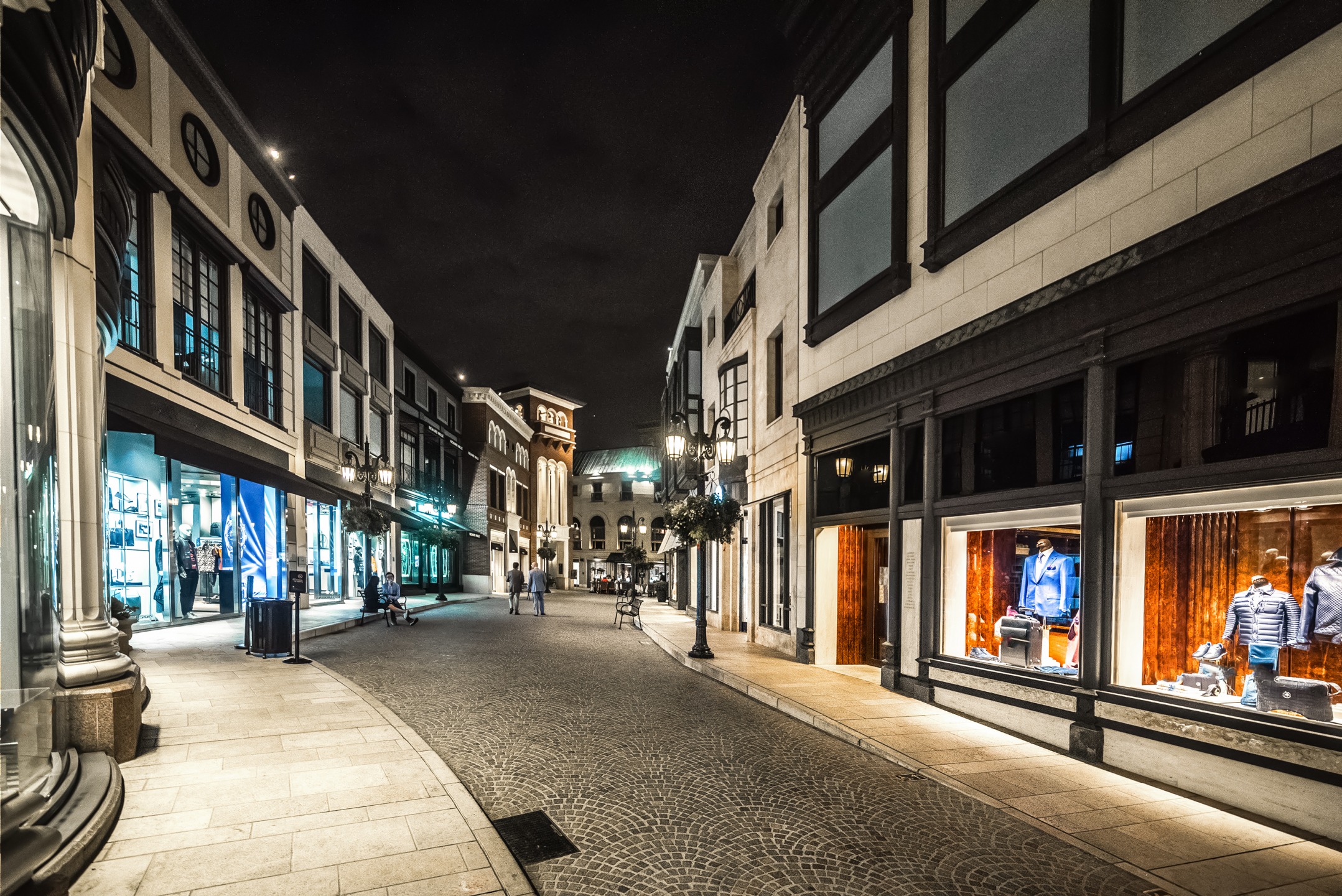
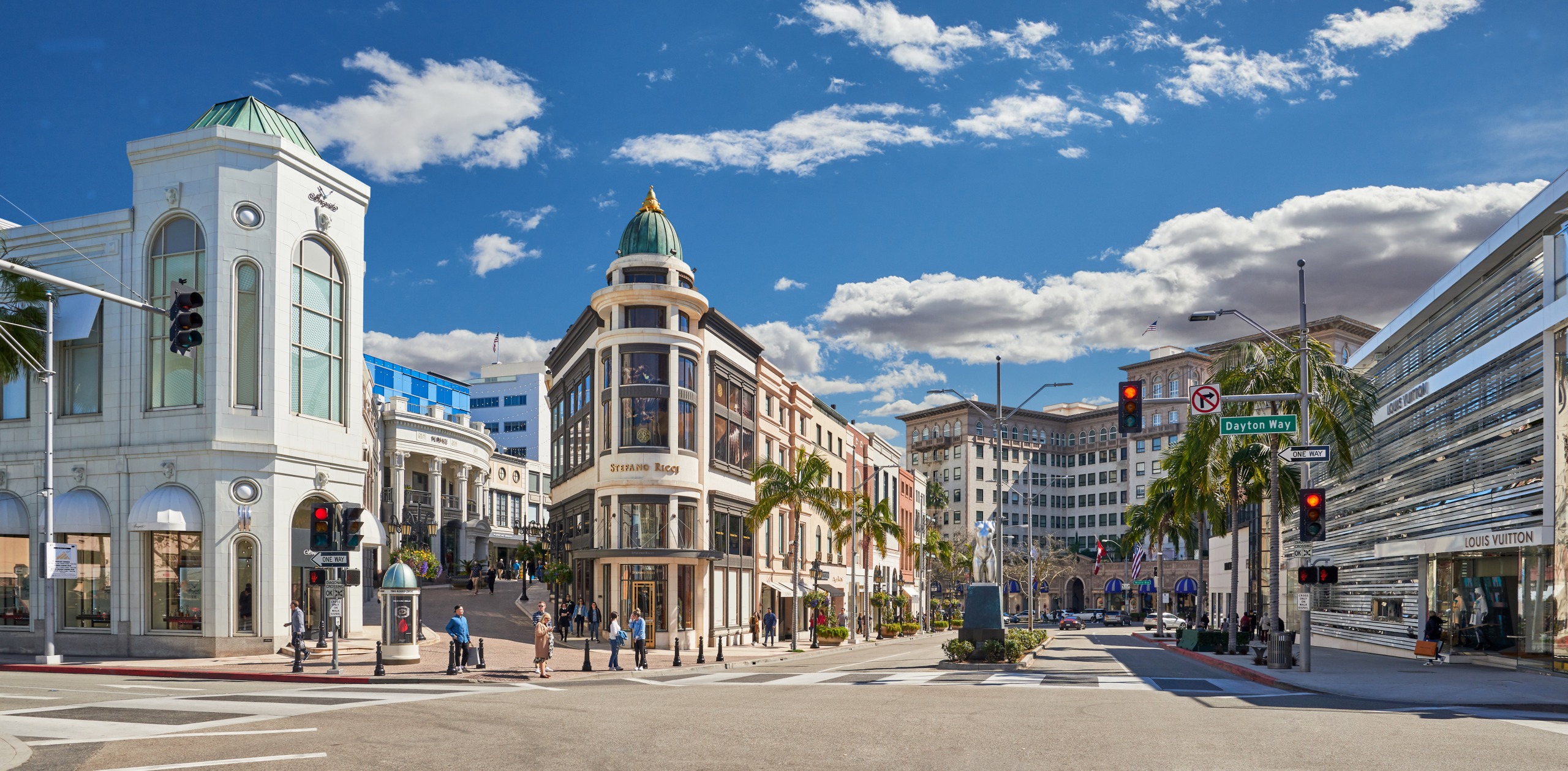
- Beverly Hills and Rodeo Drive: approximately 30 minutes' drive east.
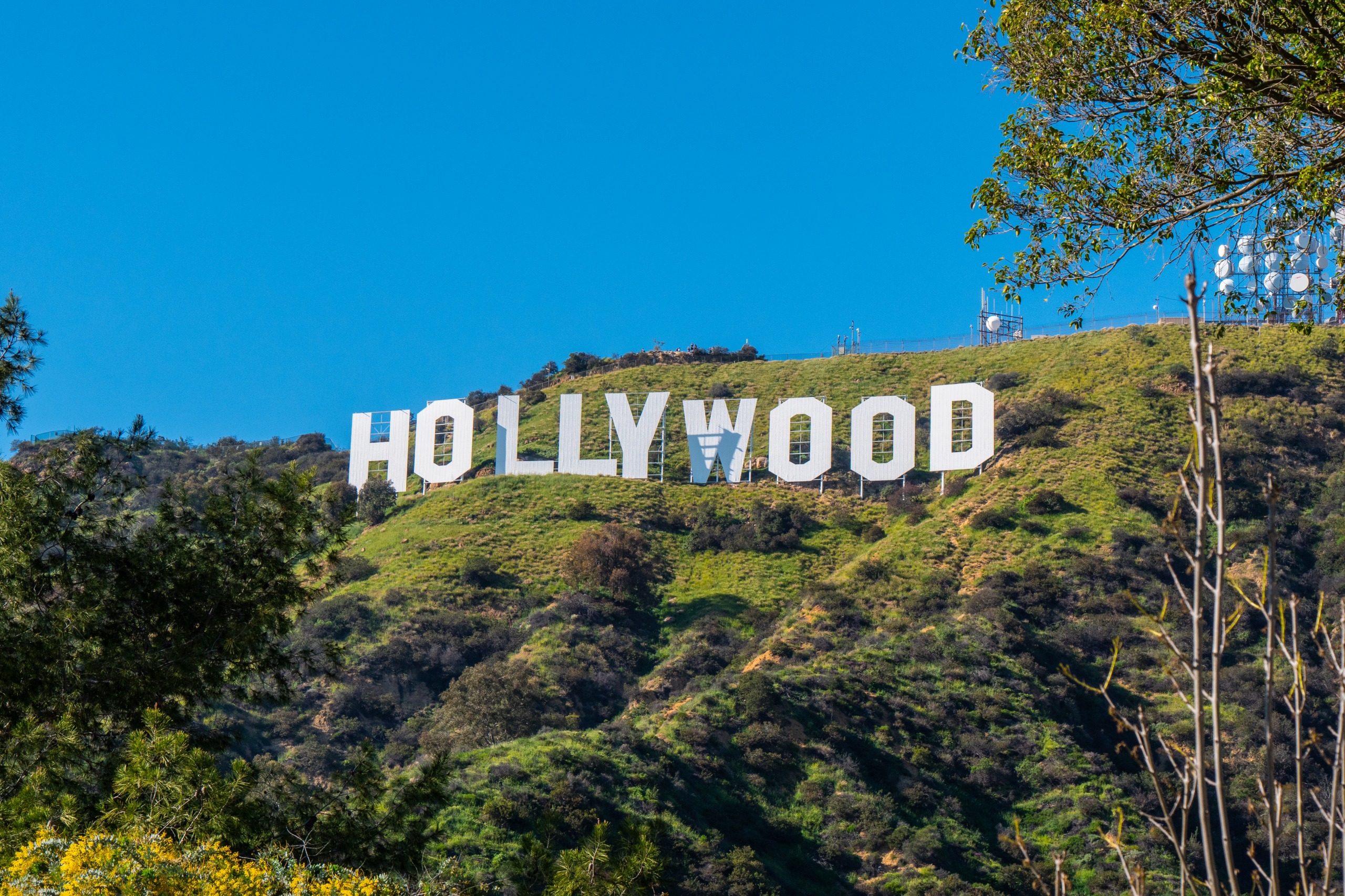
- Hollywood: 40 to 60 minutes depending on traffic.
Frequently asked questions
Frequently asked questions
Venice Beach is known for its lively boardwalk, its role in skateboarding history with the Z-Boys, its bohemian heritage linked to the Beat Generation and the 1970s, and its canals designed in 1905 by Abbot Kinney on the Venetian model.
Yes, swimming is permitted and supervised during the day. Currents can be strong depending on conditions, and it's advisable to follow lifeguard instructions.
Half a day is enough to walk the boardwalk, visit the canals and explore Abbot Kinney. Allow a full day if you want to add a bike session on the Beach Bike Path and visit part of Santa Monica.
Public parking lots on North Venice Boulevard and Washington Boulevard are the most convenient. Free parking exists on residential streets east of the neighborhood, but it's limited in duration and farther from the beach.
The neighborhood is generally safe during the day. After dark, stick to busy areas (Abbot Kinney, Washington Blvd) and avoid isolated beach sections.
Plan your trip
Venice Beach fits naturally into a larger California itinerary. To build your stay, check our trips to the United States and our suggestions on Los Angeles.
Nearby
Interested in this visit?
We can include it in your personalised itinerary.