Rodeo Drive
Rodeo Drive
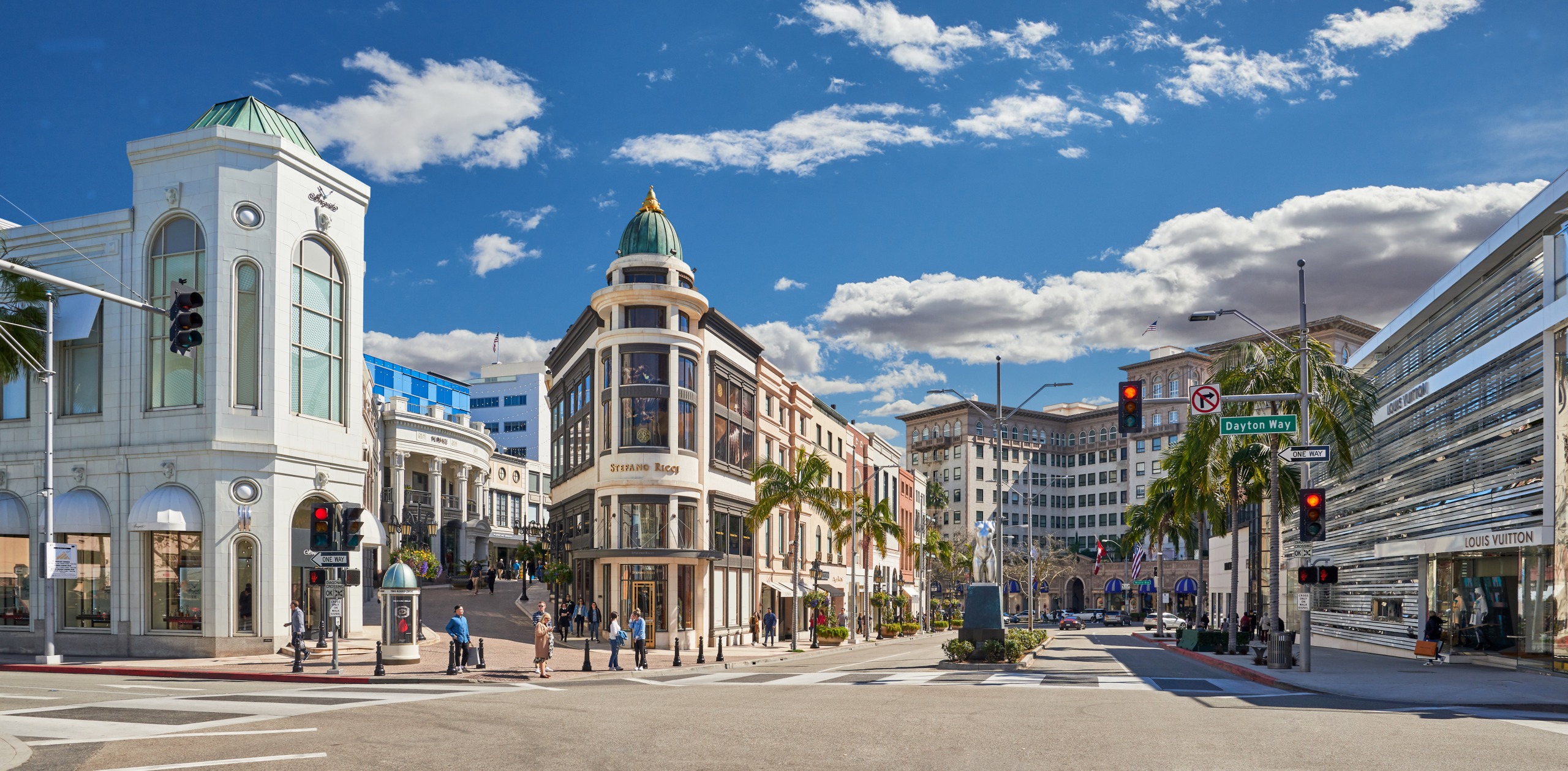
Rodeo Drive in Beverly Hills concentrates the major luxury houses, Two Rodeo Drive and several art galleries along an avenue that has become a cultural icon.
Rodeo Drive concentrates, over a few hundred meters in the heart of Beverly Hills, the highest density of luxury retailers on the American West Coast. Since the 1970s, the street has become a global symbol of high-end shopping, but it is also worth visiting for its architecture, art galleries, and its role as a cultural icon in cinema and pop music.
Why visit Rodeo Drive
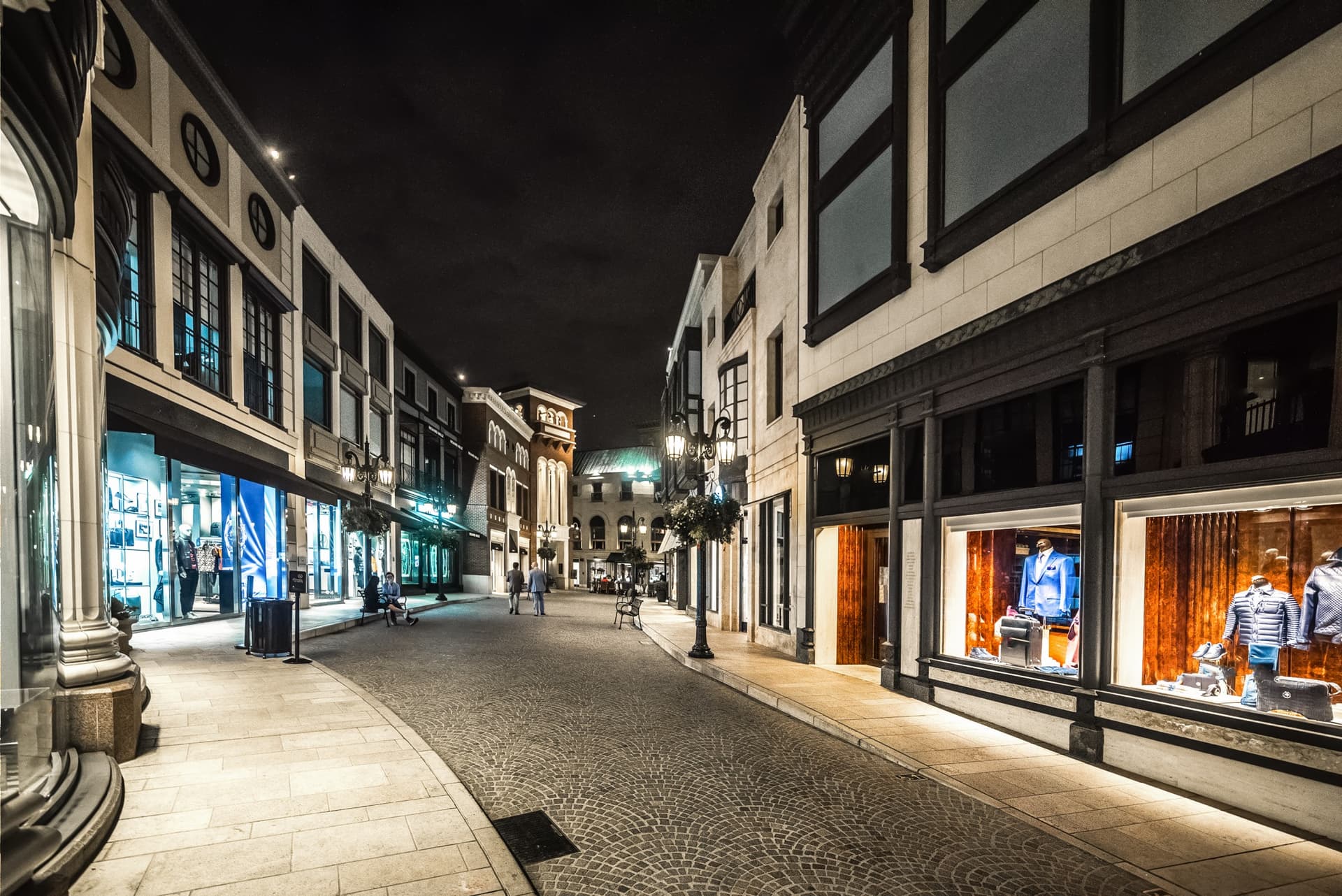
The appeal of Rodeo Drive extends beyond shopping. The street invites window-shopping, observation of commercial architecture (notably Two Rodeo Drive and its European-inspired paved walkways), visits to art galleries, and spotting convertibles and collector cars often parked along the sidewalk. Encountering a celebrity remains possible but unlikely: most VIP purchases take place in private salons closed to the public.
For a visitor, the avenue represents above all a cultural stop on the classic route through Hollywood and the western neighborhoods of Los Angeles, accessible freely and without admission fees.
History of Rodeo Drive
Before welcoming the major fashion houses, Rodeo Drive was merely a path leading to the Rodeo de las Aguas ranch. In 1906, entrepreneur Burton E. Green invested in the land and entrusted landscape architect Wilbur D. Cook with the redevelopment of the area, renamed Beverly Hills. The street was officially mapped in the city plans in 1907.
The commercial turning point came in 1949 with the opening of Carroll & Co, the street's first boutique. In 1967, Fred Hayman launched Giorgio Beverly Hills, known for its cocktails served to clients and a Rolls-Royce delivery service. Vidal Sassoon followed in 1969, then Van Cleef & Arpels in 1970. The transformation accelerated in the 1980s with the creation of the Rodeo Shopping Center in 1983 and the inauguration of Two Rodeo Drive in 1989, a pedestrian complex that sealed the avenue's luxury vocation.
What to see and do
Rodeo Drive today has over 100 stores spread across the main axis and its surroundings, within the area nicknamed the Golden Triangle — a direct reference to Paris's Golden Triangle.
Retailers and the House of Bijan
You'll find the major international houses (Louis Vuitton, Prada, Dior, Cartier…), as well as more unique addresses like the House of Bijan, renowned for practicing some of the highest retail prices in the world. The boutique operates by appointment only, making it more of a curiosity than an ordinary shopping stop.
Two Rodeo Drive and the Walk of Style
Two Rodeo Drive is an open-air shopping center with paved walkways inspired by European alleyways. Along the promenade, the Walk of Style honors prominent figures in fashion and design with plaques on the ground, each accompanied by a quote from the icon. At the south end of the promenade stands the Torso statue, a nude female torso in bronze that has become one of the street's photo hotspots.
Art galleries
Rodeo Drive and adjacent streets host several galleries accessible free of charge. Galerie Michael, present for several decades, specializes in fine arts. For contemporary art, the Mouche Gallery on Beverly Drive offers rotating exhibitions. The Gagosian Gallery, located on North Camden Drive, regularly exhibits international artists such as Takashi Murakami and Jeff Koons.
Rodeo Drive on screen and in music
The avenue has served as a backdrop for numerous productions that became classics:
- Pretty Woman (1990), with Julia Roberts as a shopper on Rodeo Drive;
- Beverly Hills Cop II (1987);
- Clueless (1995);
- the series Beverly Hills 90210.
In terms of music, the street is mentioned in Randy Newman's I Love LA (1983), Katy Perry's California Gurls (2010), and Pretty Girls by Britney Spears and Iggy Azalea (2015).
Practical information
Visiting is free and open to the public. Most boutiques open in the morning and close in early evening, with reduced hours on Sunday; opening times vary from store to store, so it's best to check directly before traveling to a specific boutique. Plan 1 to 2 hours to walk down the main avenue, longer if you include the art galleries and Two Rodeo Drive.
Late afternoon provides the best light for architectural photography. The end-of-year holiday season, with its illuminations, attracts a large crowd.
How to get there
Rodeo Drive is located in Beverly Hills, west of Los Angeles, about 15 km from downtown and 20 km from LAX airport. Several bus lines serve the area; the Los Angeles Metro website allows you to plan a route using public transportation from your starting point. Traditional taxis are uncompetitive on this route: ride-sharing services like Uber or Lyft are generally faster and more affordable. By car, several municipal public parking lots located around the street offer reduced rates for the first few hours.
What to see nearby
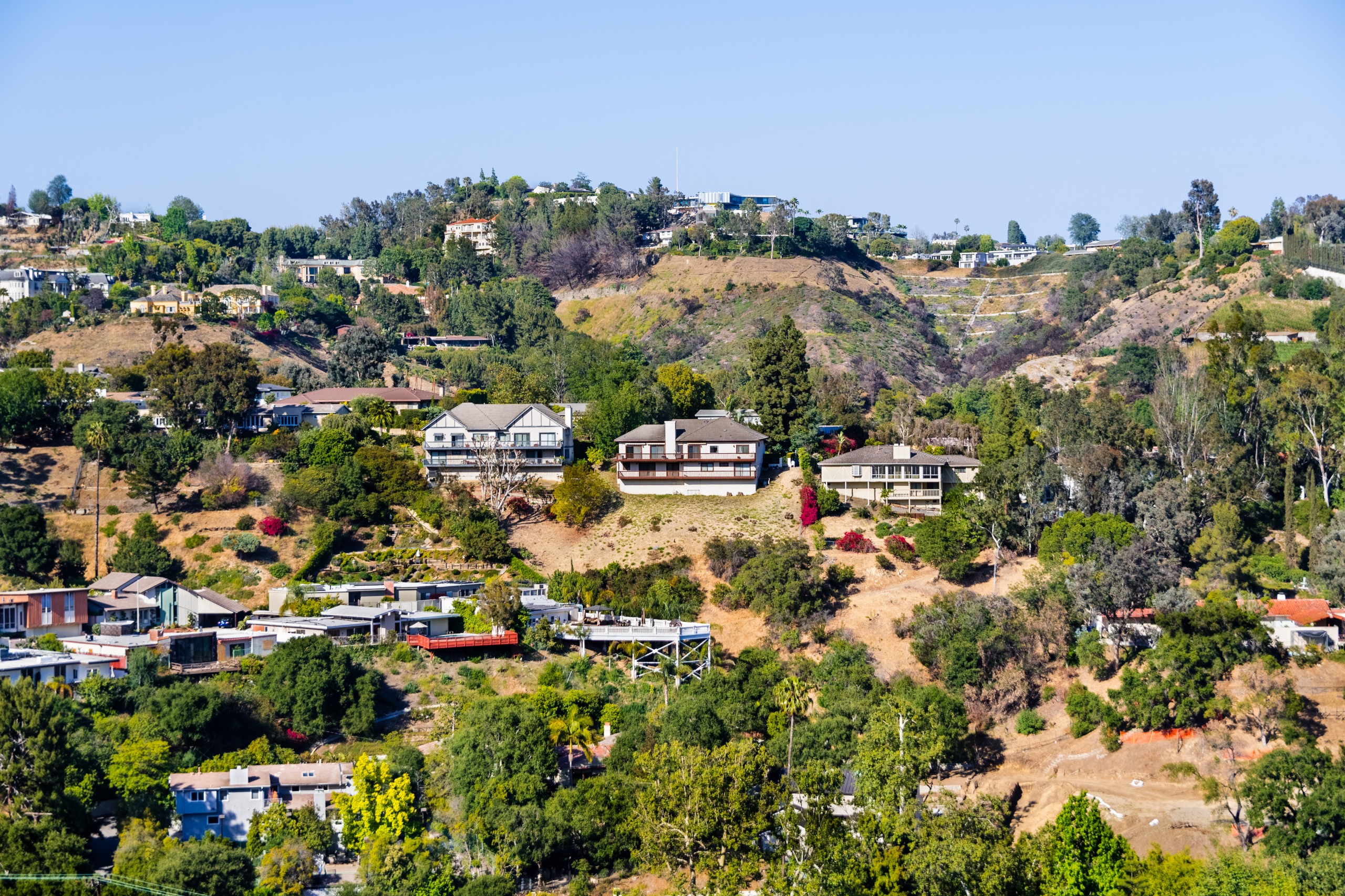
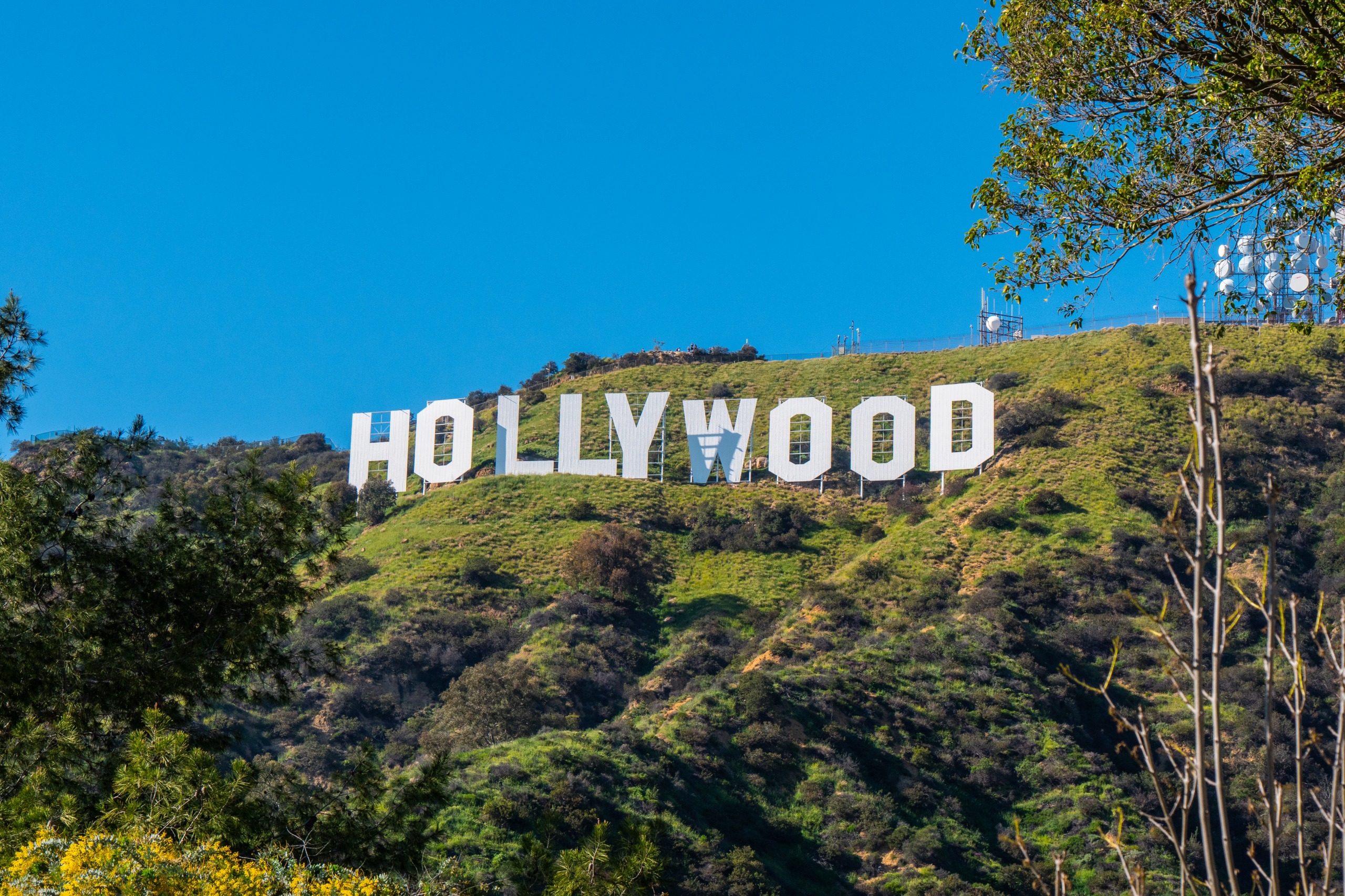
Rodeo Drive fits into a broader tour around Beverly Hills. A few minutes' drive away, the residential neighborhood of Bel Air allows you to extend your visit to see villas and hillside homes. Further east, Hollywood enhances the cultural and cinematic dimension. For a day trip, Disneyland in California remains accessible to the southeast, and desert landscape enthusiasts can head to Joshua Tree National Park about 2.5 hours away by car.
Frequently asked questions
Frequently asked questions
No. The street is a public space, freely accessible at any time. Only purchases in shops, restaurants, or cafés require payment.
Plan 1 to 2 hours to walk the avenue. Add more time if you want to visit the art galleries or browse the shops.
It's possible but rare. Celebrities most often make their purchases in private salons by appointment, away from the public.
Late afternoon is ideal for lighting and atmosphere. Morning is quieter, interesting if you want to photograph the architecture without crowds.
Rodeo Drive can be entirely walked. To reach nearby attractions, ride-sharing services (Uber, Lyft) are the most practical option in Los Angeles, where public transportation is limited.
Plan your trip
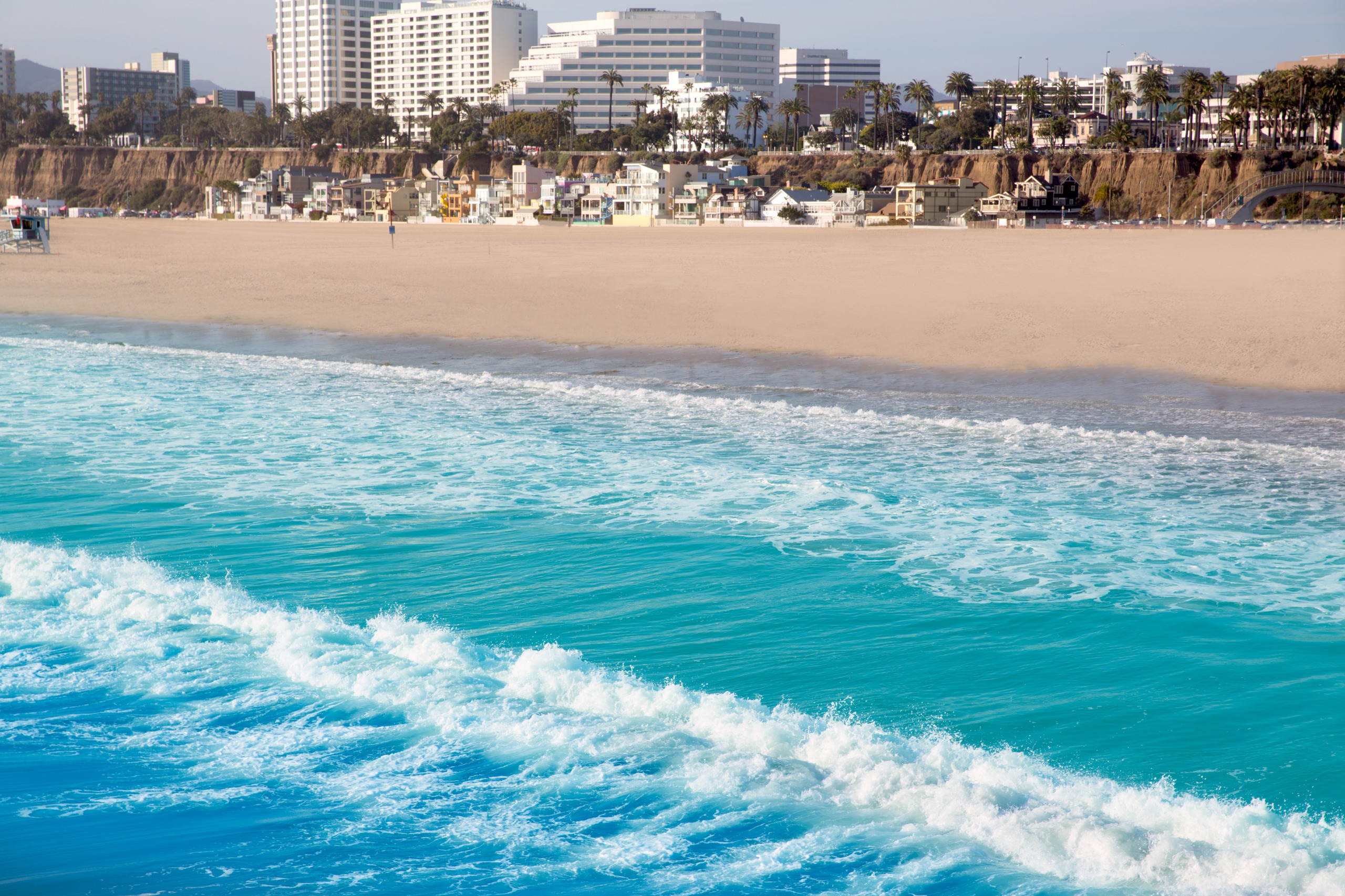
Rodeo Drive fits naturally into a Los Angeles itinerary, between Beverly Hills, Hollywood, and the coast. To build a custom trip including this stop and the major sites of the West Coast, explore our trips to the United States.
Nearby
Interested in this visit?
We can include it in your personalised itinerary.