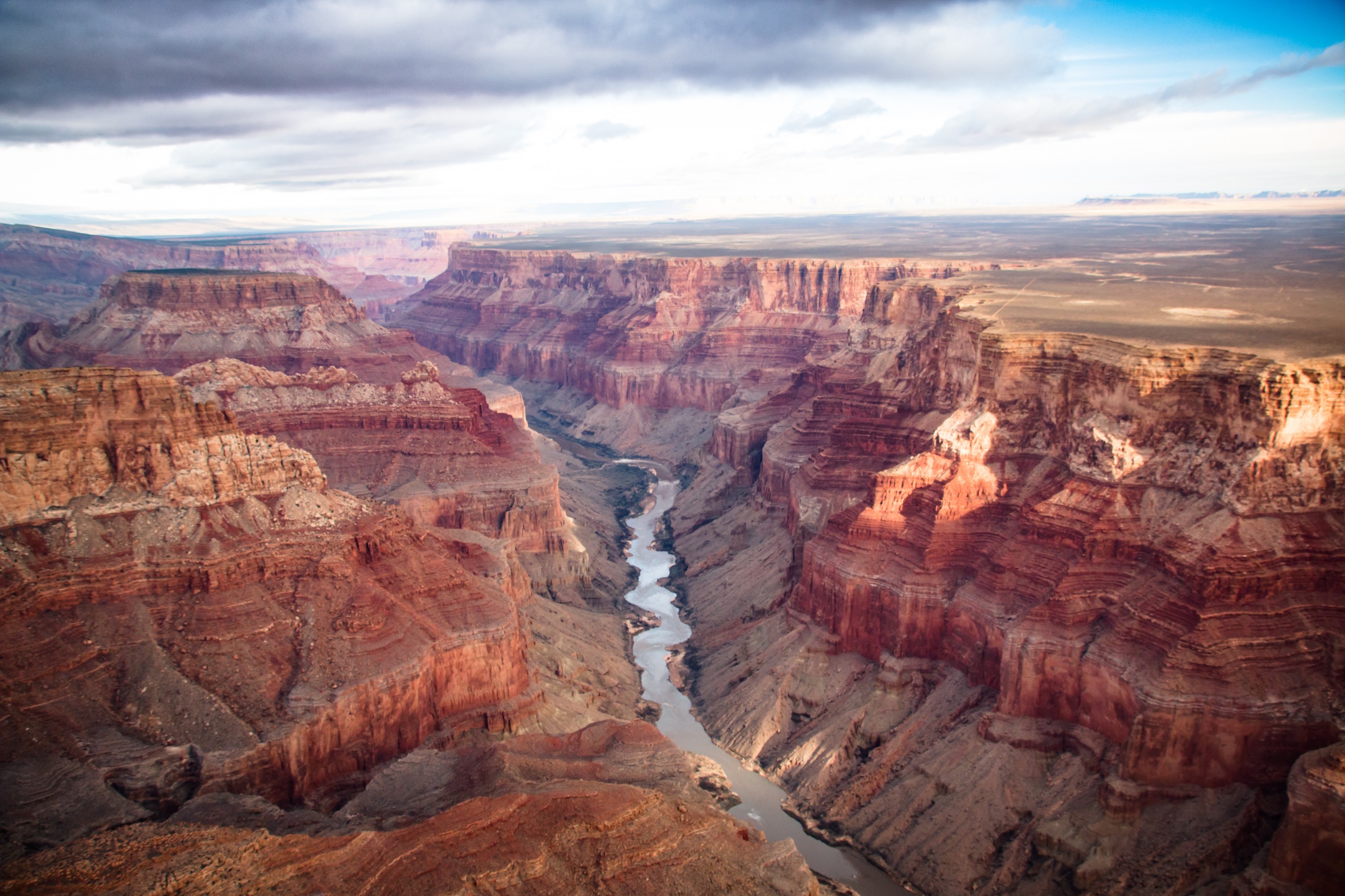
Zion National Park
Zion National Park
Utah's first national park, established in 1919, Zion spans 593 km² of red sandstone canyons, 80 km of trails, and iconic hikes like Angels Landing.
Zion National Park in southwestern Utah unveils its red and orange sandstone cliffs across 593 km², sculpted by the Virgin River. Utah's first national park, created in 1919, it brings together over 80 km of trails, deep canyons reaching 900 meters in height, and more than 800 plant species. Its main entrance sits at Springdale, 2.5 hours from Las Vegas.
Why visit Zion National Park
Zion stands out for its geological diversity and the verticality of its landscapes. Navajo sandstone cliffs, shaped by erosion over millions of years, rise above a canyon floor irrigated by the Virgin River, where dense vegetation thrives unexpectedly in the heart of the desert.
The park is home to more than 800 plant species and varied wildlife: mule deer, mountain bighorn sheep, and more rarely mountain lions in remote areas. The California condor, reintroduced to the region, may occasionally be spotted soaring above the canyons.
With 4.5 million annual visitors, Zion ranks among the most visited national parks in the United States. Its popularity stems as much from its iconic hikes (Angels Landing, The Narrows) as from its accessibility to Las Vegas, making it a natural stop on a road trip through the American West.
A brief history of Zion
The first indigenous peoples settled in these canyons more than 10,000 years ago, followed by the Ancestral Puebloans and then the Paiutes. In the 19th century, Mormon settlers established themselves in the valley and named the region "Zion," meaning "refuge" or "sanctuary" in Hebrew.
The site gained the status of Mukuntuweap National Monument in 1909, before becoming Zion National Park in 1919. The 1920s marked its opening to tourism with the construction of Zion Lodge in 1925 and the spectacular Zion-Mount Carmel Highway between 1927 and 1930. In 1956, the Kolob Canyons were added to the park, extending its territory to the northwest.
Several peaks still bear the names given by Reverend Frederick Fisher in 1916: the three Patriarchs—Abraham, Isaac, and Jacob—dominate the Court of the Patriarchs.
What to see and do in the park
Court of the Patriarchs
Accessible via a short paved trail from shuttle stop 4, this viewpoint overlooks three sandstone monoliths rising nearly 600 meters above the canyon. A quick stop, ideal for early morning or late afternoon light on the rock.
Canyon Overlook Trail
This moderate 1.6 km round-trip hike starts near the Zion-Mt. Carmel tunnel. The trail crosses shaded alcoves before reaching an open viewpoint overlooking the Temple of the Sun and the Towers of the Virgin. Parking is limited, so arriving early is advisable.
Weeping Rock
A short 0.6 km paved trail leading to an alcove where water seeps continuously through the Navajo sandstone. This water takes nearly 1,000 years to pass through the rock before gushing out, nourishing hanging gardens clinging to the cliff face.
Emerald Pools
A series of three basins (lower, middle, upper) connected by several loops from Zion Lodge: 1.9 km for the lower basin, about 4 km to reach all three levels. Seasonal waterfalls and hanging gardens punctuate the journey. Swimming is prohibited.
Angels Landing
The park's most exposed hike: 8.7 km round-trip, 453 meters elevation gain, allow 4 to 5 hours. The final section follows a narrow ridge equipped with chains, with dizzying cliffs on either side. Since 2022, a permit obtained through lottery is mandatory to access the final section.
Riverside Walk
A 2.2 km round-trip paved trail along the Virgin River from the Temple of Sinawava. Formerly called the "Gateway to the Narrows," it is accessible to strollers and wheelchairs, and serves as the starting point for The Narrows.
The Narrows
A hike through the Virgin River with feet in the water, between walls that can reach 300 meters in height and narrow to as little as 7 meters wide. Two options: from the bottom (Bottom-Up) without a permit, accessible for a day trip from the Temple of Sinawava; from the top (Top-Down) over 26 km with mandatory permit.
Observation Point
Standing at 1,984 meters, this viewpoint overlooks Angels Landing by 700 meters and offers a sweeping view of the entire canyon. The main access is now via the East Mesa Trail, an 11 km round-trip hike departing outside the main canyon.
Kolob Canyons and Kolob Terrace
The park's northern section, accessible from Interstate 15, is far less crowded. The Kolob Canyons impress with their red sandstone cliffs reaching 600 meters and home to Kolob Arch, one of the world's largest natural arches. The Kolob Terrace, accessible from Virgin, provides access to the famous canyon The Subway.
Zion Canyon Scenic Drive
A 11.3 km scenic route through the heart of the park, dotted with nine stops providing access to the main viewpoints and trail heads. From April to October, it is accessible only by free shuttle; in winter, private vehicles are again permitted.
Practical information
The park is open 24/7 year-round. Visitor Centers (main entrance and Kolob Canyons) have seasonal hours, typically from morning to late afternoon.
Access is charged per day by vehicle, motorcycle, or person (on foot or by bicycle), valid for seven days. The America the Beautiful Annual Pass is accepted and remains the most economical option for those visiting multiple national parks. Rates are subject to change: check the official National Park Service website before your visit.
Accommodation: Zion Lodge offers rooms and cabins inside the park (advance reservations recommended). Springdale, just outside the south entrance, offers a wide range of hotels and bed-and-breakfasts, often with views of the red cliffs.
When to go
Spring and fall offer the best conditions: mild temperatures, trails fully accessible, reasonable crowds. Summer is heavily visited and temperatures can exceed 38°C in the canyon, making exposed hikes difficult during midday. Winter is quieter, allowing free vehicle circulation on the Scenic Drive, though some high-altitude trails may be snowy or icy. The Narrows is generally discouraged in spring due to high flow in the Virgin River.
How to get there
Zion lies approximately 260 km from Las Vegas, about 2.5 hours' drive, making it the most convenient airport of arrival. From Salt Lake City, allow 4.5 hours. The main entrance is located at Springdale, where a free shuttle circulates between town and the park gate during peak season.
From April to October, private vehicles are not permitted on the Zion Canyon Scenic Drive: a free shuttle service serves the nine canyon stops. Cycling is a pleasant alternative for exploring the road at your own pace.
Combine with
Zion fits naturally into a larger loop of Western parks. Bryce Canyon is about 1.5 hours to the east, and the North Rim of the Grand Canyon 2.5 hours to the south. Further west, the Crater Lake National Park in Oregon offers another example of spectacular volcanic landscape. For a change of scenery, Cadillac Ranch in Texas and the Cave of the Winds in Colorado work well for an extended road trip. On the tropical nature side, the Manoa Falls in Hawaii contrast sharply with Utah's aridity.
FAQ
Frequently asked questions
About 260 km, or 2.5 hours' drive. It's a classic excursion from Las Vegas and a logical stop on a road trip through the American West.
Yes, but they fill up early in peak season. Many visitors prefer to park in Springdale and take the free shuttle to the entrance.
One day for a first overview, two to three days to enjoy the must-sees like The Narrows or Angels Landing. Zion sits halfway between Bryce Canyon and the Grand Canyon, convenient for an extended loop.
The Riverside Walk, paved and accessible, and Emerald Pools in its short version (lower basin) suit children. Canyon Overlook Trail is possible with children comfortable hiking.
A few snakes, including rattlesnakes, are present but encounters remain rare when staying on trails. Simple vigilance suffices.
Yes, since 2022, access to the final chain-equipped section requires a permit issued through lottery via the National Park Service website.
Plan your trip
Zion stands in the great tradition of American national parks and provides a natural entry point for exploring Utah and the Four Corners region. To plan a custom itinerary including Zion, Bryce, and the Grand Canyon, consult our trips to the United States.
Interested in this visit?
We can include it in your personalised itinerary.