The Makapu'u Point Lighthouse
The Makapu'u Point Lighthouse
On eastern Oahu, the Makapu'u Point lighthouse combines a scenic coastal trail, protected maritime heritage, and prime humpback whale watching from November to May.
At the southeastern tip of Oahu island, the Makapu'u Point lighthouse overlooks a cliff swept by trade winds, about thirty kilometers from Honolulu. The site combines a scenic coastal trail, an early 20th-century historic lighthouse, and one of the archipelago's finest vantage points for spotting humpback whales.
Why visit Makapu'u Point
The site checks multiple boxes at once: a family-friendly trail, sweeping views over the windward coast and the islets of Lanai and Molokai offshore, protected maritime heritage, and a prime location for spotting cetaceans in season. The walk remains short and paved, making it an easy stop to fit into a southeast Oahu loop, between Hanauma Bay and Sandy Beach Park.
History and legend
According to Hawaiian tradition, Makapu'u was a supernatural being who came from Tahiti, endowed with eight bright eyes. The name Makapu'u means "bulging eye," and the easternmost promontory of Oahu inherited it. Near the parking area stands the Ku Heiau, a sacred site for islanders, evidence of ancient ritual use of the location.
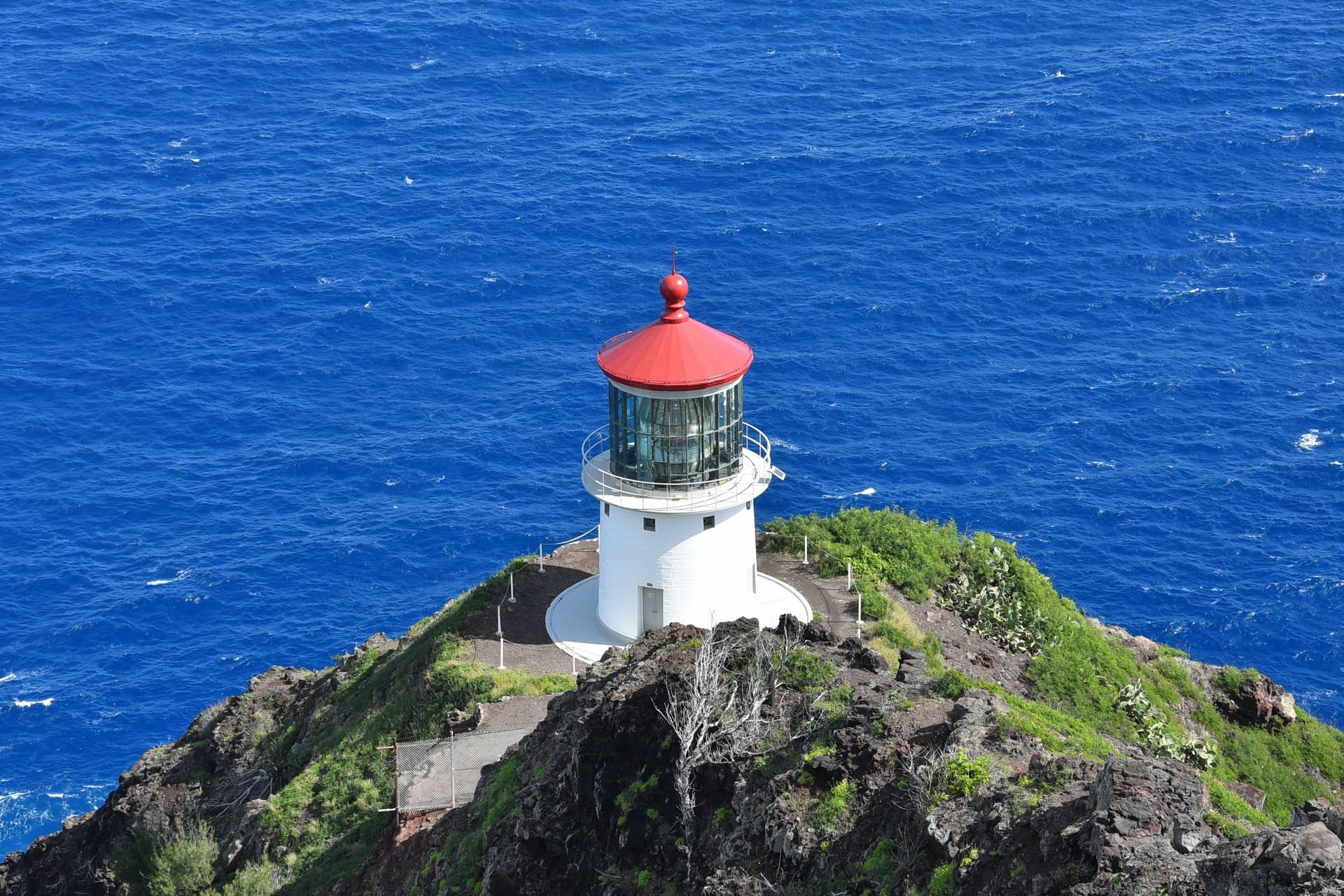
The lighthouse itself was built in 1909 to secure maritime approaches to Honolulu, then automated in 1974. Listed on the National Register of Historic Places, it is equipped with a hyperradiant Fresnel lens, one of the largest models installed on an American lighthouse. The 14-meter-high tower also served as a setting for Peter Segal's romantic comedy 50 First Dates, where Henry and Lucy share their first kiss.
What to see on-site
The scenic trail
The path follows a paved road closed to traffic, with moderate elevation gain and several viewing platforms along the way. You cross dry terrain dotted with cacti, typical of the leeward coast. Several interpretive signs explain the volcanic geology of the point and marine wildlife.
The historic lighthouse
The red-roofed lighthouse stands below the final viewpoint, perched on the cliff facing the ocean. Interior visits are not permitted: it is observed from the designated viewing area. Late afternoon, when light rakes across the coast, offers the best photographic conditions.
Whale and wildlife watching
From November to May, humpback whales move close to Oahu's southeastern coast to calve. The point is one of the few island spots where you can spot them without boarding a boat: bring binoculars. A public viewing scope is installed at the summit. The site is also home to several species of nesting seabirds.
Makapu'u Beach and surroundings
Below the trail, Makapu'u Beach Park is popular with surfers and bodyboarders. Swimming is often dangerous due to currents and shorebreaks; it's better to stick to a stroll along the shoreline, through tidal pools and onto the picnic areas.
When to visit
The site is open year-round, but two windows stand out:
- November to May: humpback whale season, ideal conditions for viewing from the platform.
- April to October: more stable and dry weather, but strong sun exposure on the trail.
During the hottest hours, the lack of shade makes the walk challenging. Opt for early morning or late afternoon. Sunrise at the summit is particularly popular, but requires walking before official parking opens.
Practical information
- Entrance: free.
- Trail: approximately 3 km round trip, plan 1 to 2 hours depending on your pace and photo stops.
- Difficulty: easy to moderate, paved road with climbs and descents.
- Lighthouse: visible from outside only, interior closed to the public.
- Parking: free parking but limited, accessible during daylight only (closed at night). For sunrise, you'll need to park along the main road.
- What to bring: water, hat, sunscreen, binoculars during whale season, windbreaker for the summit.
How to get there
The trail head is located on the Kaiwi State Scenic Shoreline, accessible via the Kalanianaole Highway (Route 72). From Honolulu, take H1 eastbound, then connect to Route 72. You'll pass through Hawaii Kai, Hanauma Bay, and Sandy Beach Park before reaching the Makapu'u parking lot. Allow approximately 30 to 45 minutes drive from Waikiki under normal conditions. No direct bus line efficiently serves the site: a rental car remains the most practical solution.
Nearby
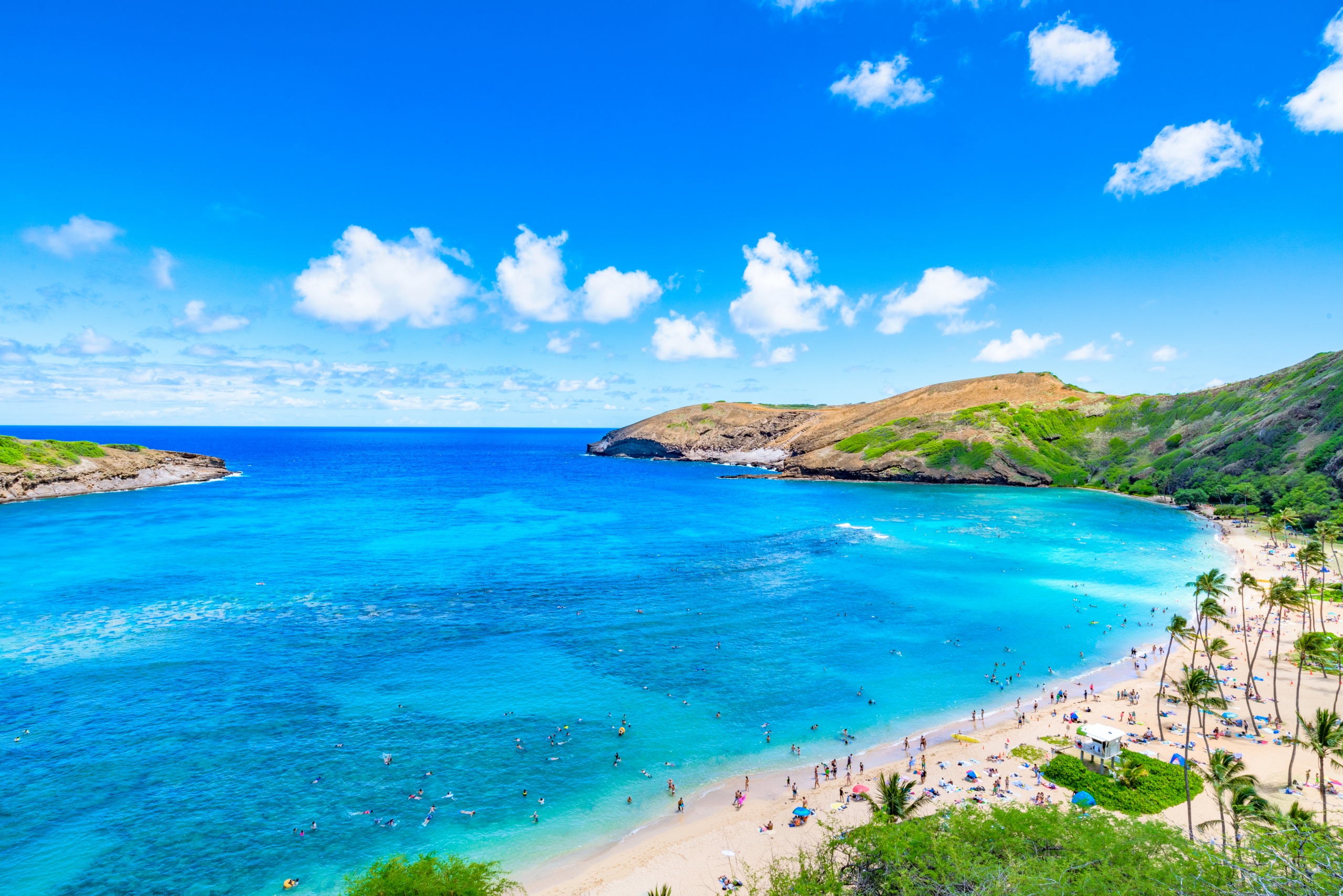
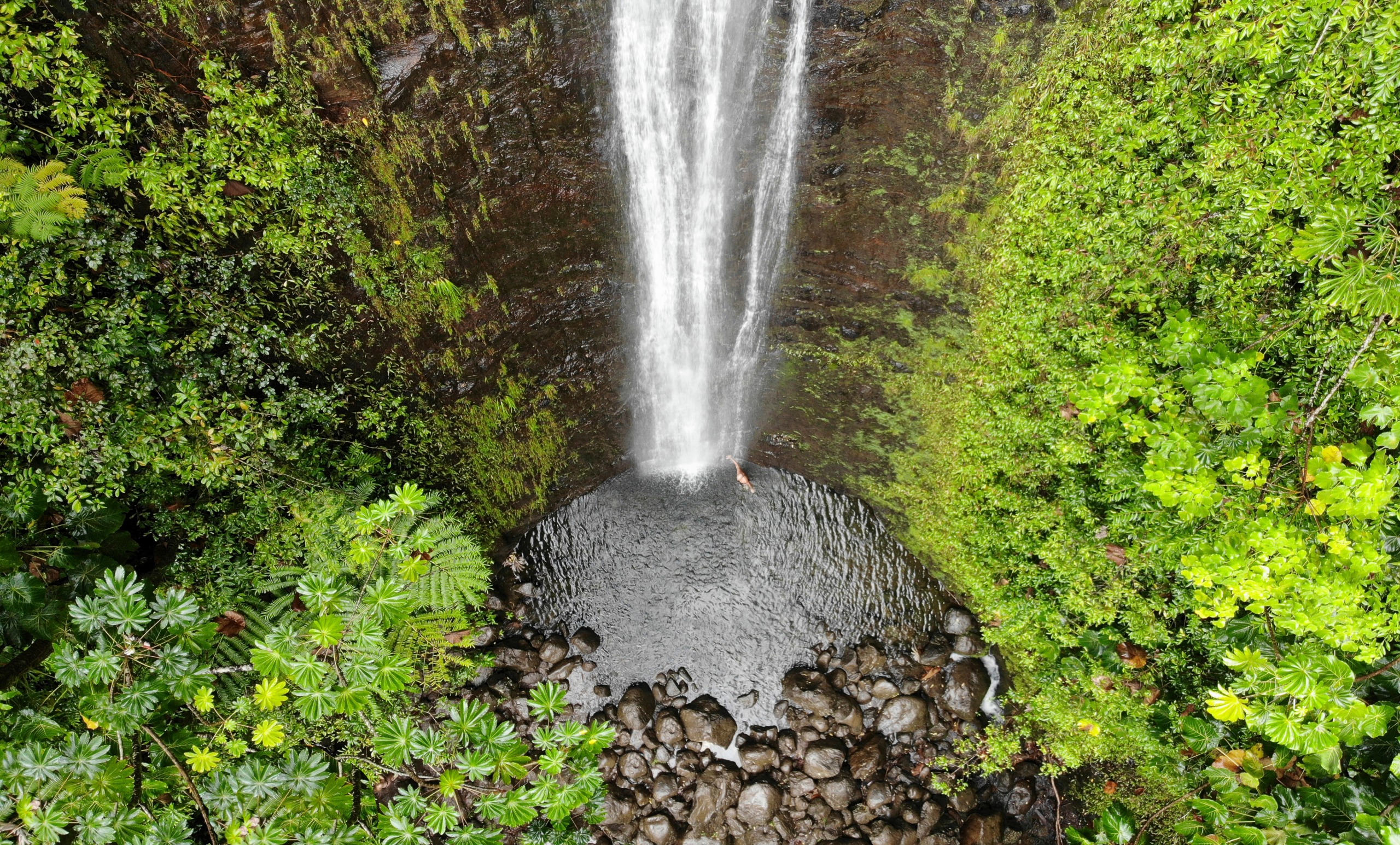
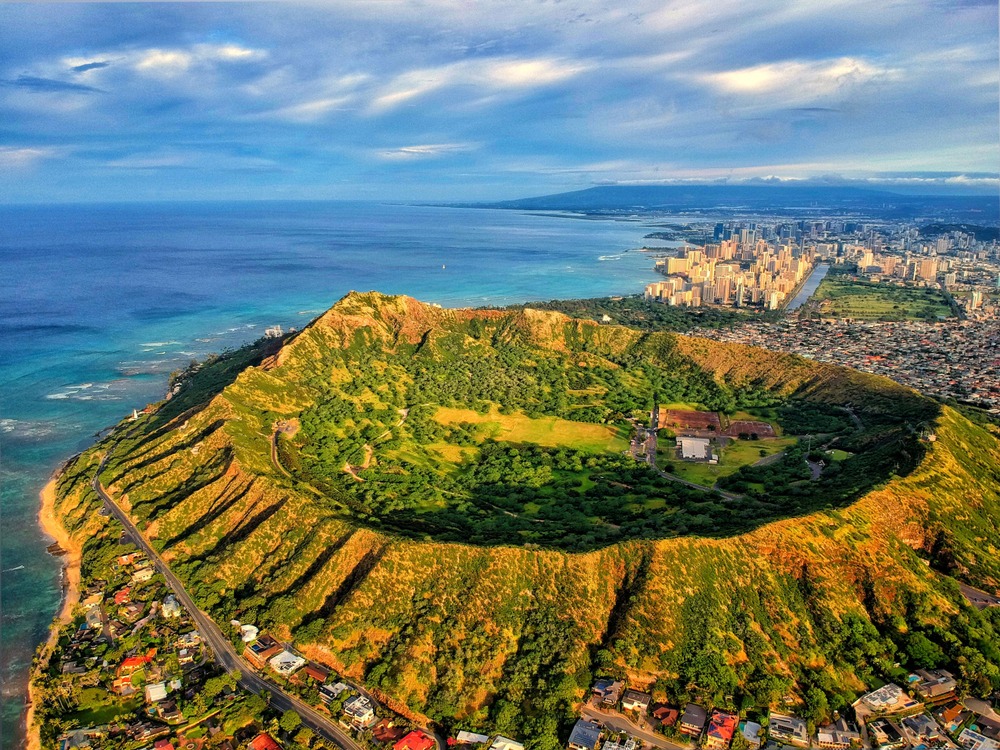
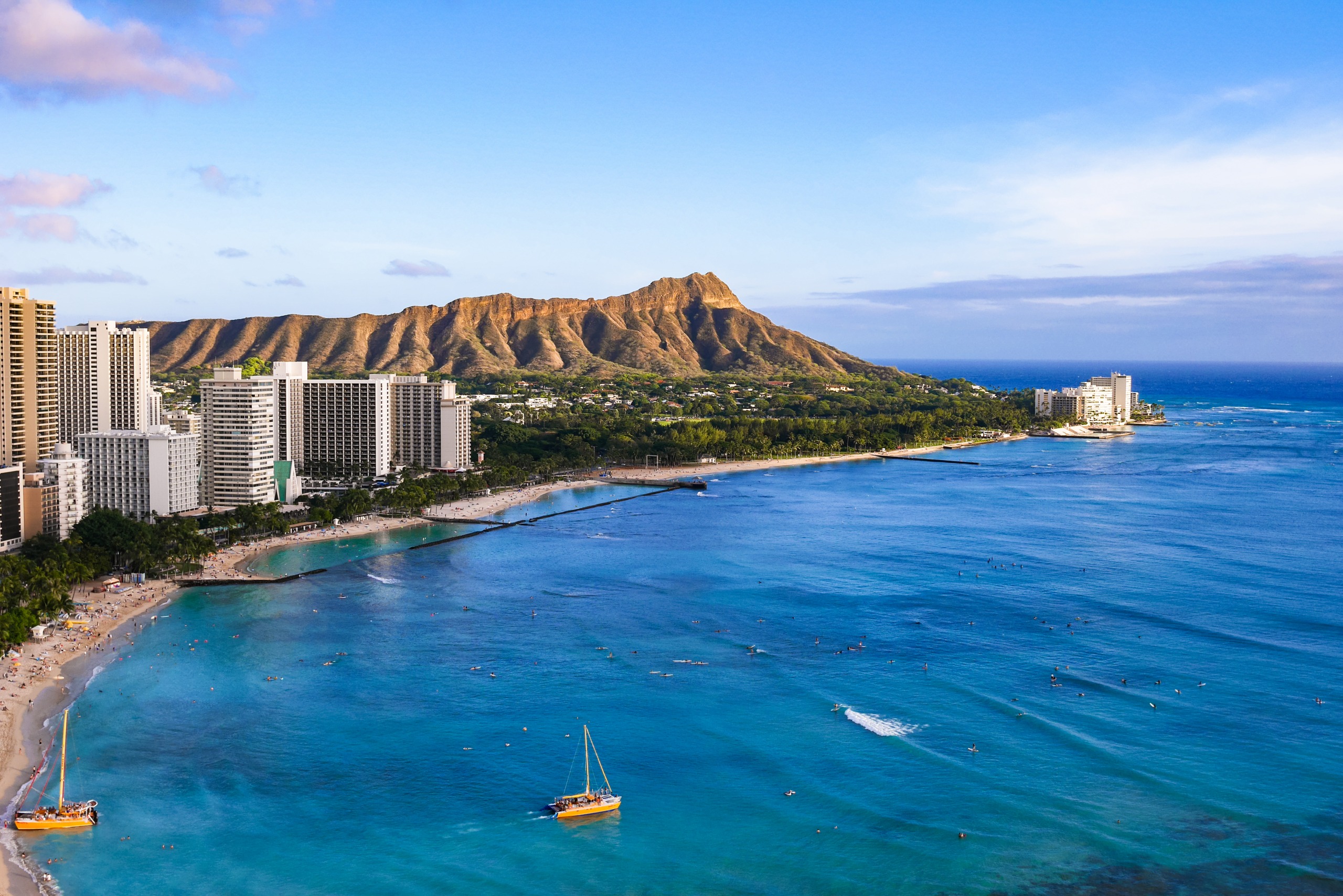
Makapu'u Point easily combines with other southeast Oahu sites for a full day: Hanauma Bay for snorkeling, Sandy Beach for bodyboarders, or Koko Head viewpoint. To extend your Hawaii stay, you can also explore the windward side of the island, including the Manoa Falls, accessible from the valley of the same name.
Frequently asked questions
Frequently asked questions
No. It is a former paved road about 3 km round trip with moderate elevation gain. The route is suitable for families, but the lack of shade makes it demanding in full sun.
No, the automated lighthouse is not open to the public. It can be observed from the viewing platform at the end of the trail.
Humpback whales frequent Oahu's southeastern coast from November to May, with peak activity between January and March. Bring binoculars and scan the open ocean from the final viewpoint.
Trail entry is free. Parking is also free, but limited in size and accessible only during daylight hours. In high season, it fills quickly in the morning.
It's possible but impractical. No bus line serves the trail head directly. A rental car or organized transfer remain the simplest options.
Include Makapu'u Point in your trip
A natural stop on a full day exploring Oahu's southeastern coast, Makapu'u lighthouse fits into a broader itinerary around Honolulu and the Hawaiian archipelago. To build a custom journey combining coastal hikes, historic sites, and wide open spaces, explore our États-Unis travel ideas.
Nearby
Interested in this visit?
We can include it in your personalised itinerary.