The Kalalau Trail
The Kalalau Trail
An 18 km trail along the Nā Pali coast in Kauai, the Kalalau Trail connects Ke'e Beach to Kalalau Valley. Permits, stages and practical advice.
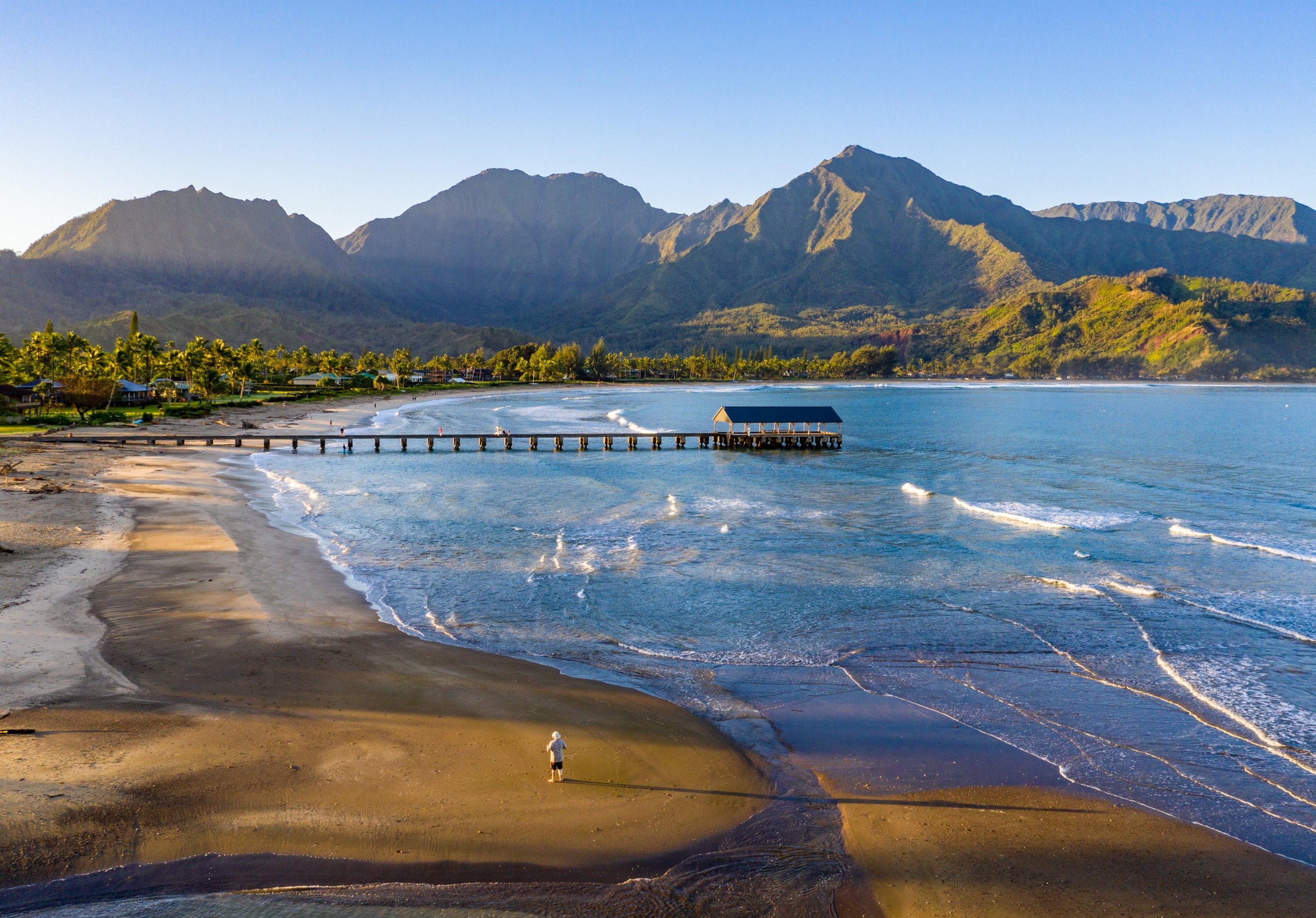
The Kalalau Trail is an 18 km hiking trail that hugs the coastline of the Nā Pali Coast State Park, on the island of Kauai, in Hawaii. It connects Keʻe Beach to Kalalau Valley and ranks among the most challenging coastal routes in the États-Unis. More than a simple walk, it is a trek reserved for prepared hikers, due to isolation, changing weather conditions and exposed passages.
Why hike the Kalalau Trail
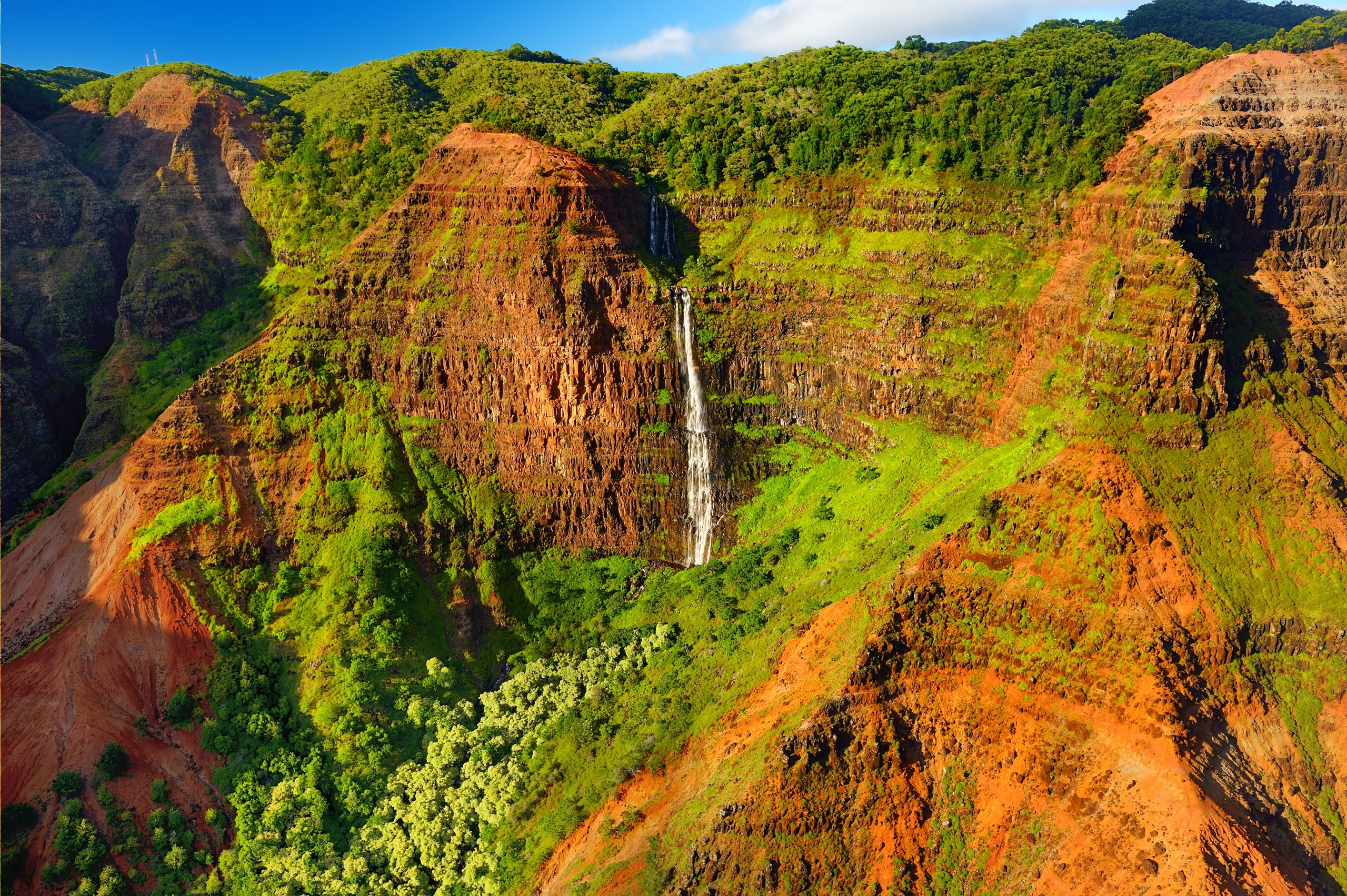
The trail offers a succession of landscapes that few coastlines bring together: sheer cliffs plunging into the Pacific, suspended valleys, isolated beaches and streams flowing from the highlands. It crosses a protected area where no road penetrates, making it one of the last wild stretches of the Nā Pali coast. For experienced hikers, it is also a life-size reading of Hawaiian agricultural history, with ancient terraces still visible along the route.
History
The Kalalau Trail route follows a path used by Hawaiian villagers to reach Kalalau Valley, where they cultivated irrigated terraces. According to historical estimates, approximately 5,000 people are believed to have lived in the area before the arrival of Westerners. The population subsequently declined, and the valley was gradually abandoned. During the twentieth century, informal visitors and residents settled there. In 1983, the State reclaimed the land to create a park, and today it is forbidden to live in the valley. A few agricultural remnants remain visible along the trail, particularly at Hanakoa.
Trail stages
From Ke'e Beach to Hanakapi'ai
The departure is from Ke'e Beach, in Hā'ena State Park. The first section of approximately 3 km leads to Hanakapi'ai Valley. The route remains passable for regular walkers, despite some steep sections, and quickly offers open views of the Nā Pali coastline. Upon arrival at Hanakapi'ai Beach, swimming is strongly discouraged: the currents there are violent and unpredictable.
A secondary trail goes up the valley for 3 additional km to the Hanakapi'ai Falls, which stand over 90 meters high. This section crosses streams, rocky boulders and fallen logs. It becomes dangerous in rainy weather, due to the risk of sudden floods and falling rocks. Allow a full day for the round trip from Ke'e Beach to the falls.
From Hanakapi'ai to Hanakoa
Beyond Hanakapi'ai, the trail becomes significantly more demanding. A steep climb of nearly 240 meters is followed by ridge passages. The route enters the Hono o Na Pali Natural Reserve, which is home to endemic vegetation and suspended valleys, including Ho'olulu and Waiahuakua.
After approximately 6.5 km, you reach Hanakoa Valley, equipped with basic shelters and dry toilets. The area once housed taro terraces, replaced in the nineteenth century by coffee plants. A few remaining trees line the path. A poorly marked variant leads to Hanakoa Falls and requires increased vigilance.
From Hanakoa to Kalalau Beach
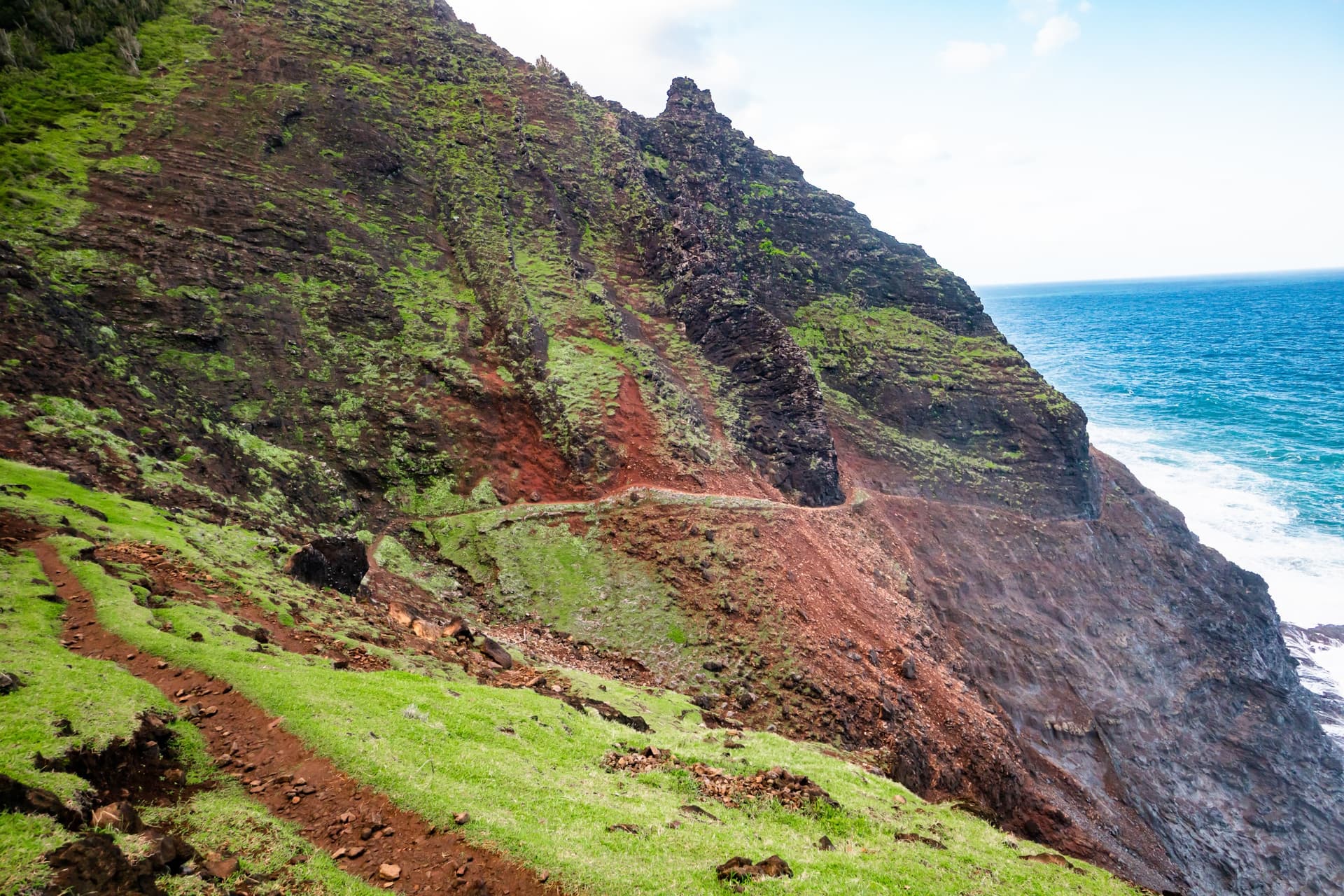
The final 8 km section is the most grueling. The terrain becomes dry, shade becomes scarce and fatigue accumulates. The trail unfolds along narrow passages above cliffs, which become slippery after rain. Views gradually open up onto Kalalau Valley and its sculpted cliffs.
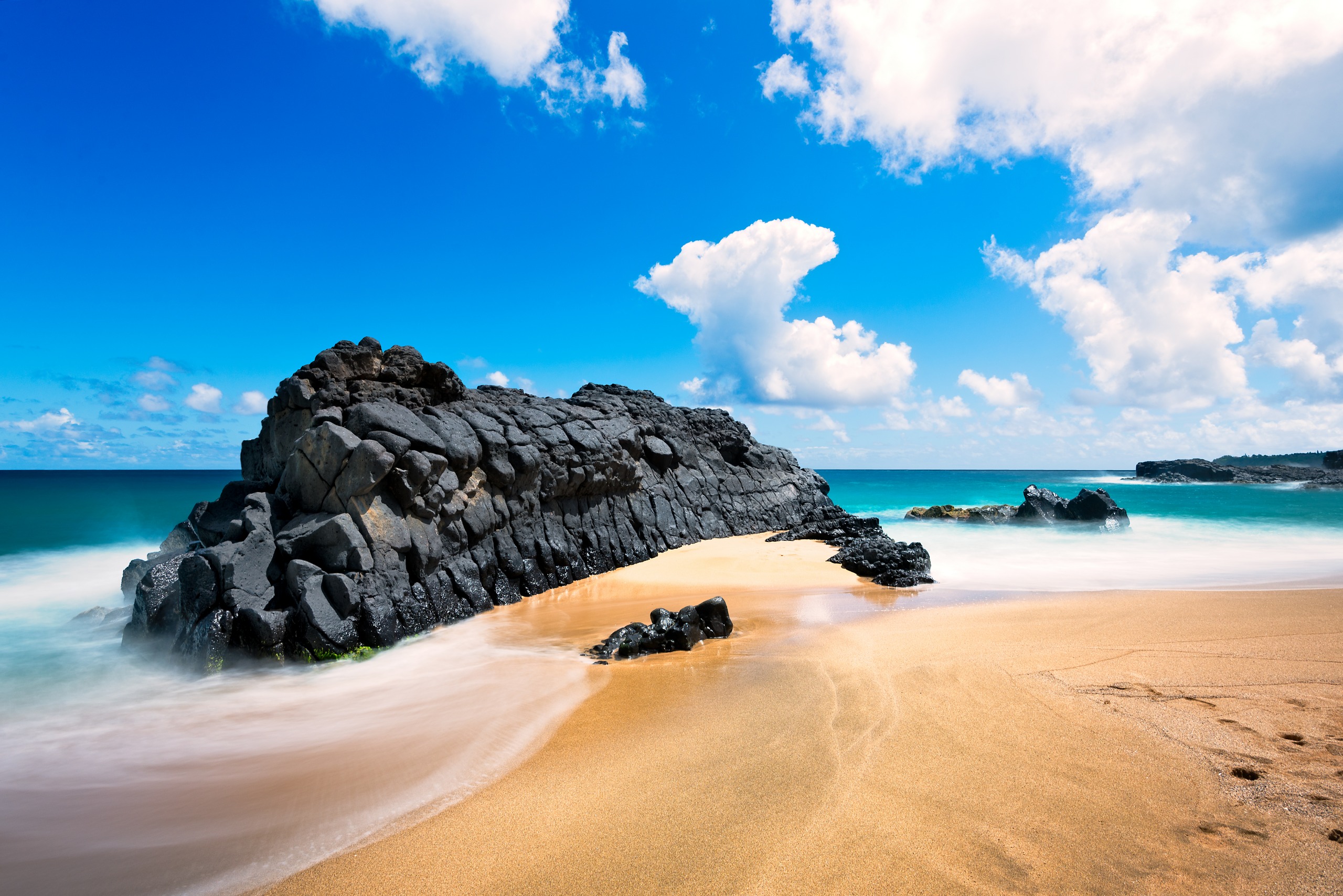
Before arrival, the trail crosses Kalalau Stream, then opens onto the sandy Kalalau Beach. In summer, hikers can explore the sea caves accessible from the beach. In winter, waves cover part of the shore. Behind the beach, a trail climbs the valley to a natural pool fed by the stream, crossing former agricultural terraces now colonized by fruit trees.
Practical information
Reservation and permits
Access to the trail requires several separate authorizations:
- Mandatory reservation to enter Hā'ena State Park (entry + parking spot if you arrive by car).
- Camping permit required to go beyond Hanakapi'ai, valid in the Nāpali Coast State Wilderness Park. This permit serves as authorization to hike the entire trail.
- Permits available up to 90 days in advance, online. Spots fill quickly, especially during peak season.
- Stay authorized for 1 to 5 nights maximum, with a ban on spending two consecutive nights at Hanakoa.
Permit rates vary depending on your status (resident or non-resident) and are applied per night per person. Expect significant costs for international visitors; check the current rate when making your reservation.
Physical condition
The section between Ke'e Beach and Hanakapi'ai remains accessible to regular walkers, but requires constant attention to slippery terrain. Beyond that, the trail requires good preparation and experience with mountain hiking. The final stretch to Kalalau Beach is reserved for experienced hikers, equipped with self-contained camping gear.
When to go
The summer season, from June to September, is the recommended period. Conditions are more stable, streams less likely to swell, and sea caves accessible from Kalalau Beach. In winter, torrential rains regularly cause trail closures and make stream crossings dangerous.
How to get there
The starting point is located at the northern tip of Kauai. Two options exist:
- Shuttle from Waipa Park and Ride: recommended solution, which avoids overcrowded parking and requires only park entry reservation.
- Personal vehicle: follow Highway 56 heading north to its end. A large sign reading "Kalalau Trail" marks the start of the trail, uphill from the beach. Reservation of a parking spot at Hā'ena State Park is mandatory.
Commercial boat transport to Kalalau Beach is prohibited. Access by kayak remains possible in season, subject to favorable sea conditions.
Frequently asked questions
Frequently asked questions
Allow 3 to 4 hours to reach Hanakapi'ai Beach, 6 to 8 hours to reach the falls, and 7 to 10 hours to reach Kalalau Beach. The complete 35 km round trip cannot be done in one day: plan for at least two days with one night of camping.
Yes. Serious accidents, including drownings at Hanakapi'ai Beach and falls along exposed passages, are regularly reported. The main risks are sudden floods, falling rocks and narrow ridge trails. Serious preparation is essential.
Only the first section to Hanakapi'ai Beach may suit athletic families with children accustomed to hiking. Caution remains necessary on narrow sections, and swimming is discouraged.
No guide is required. The permit and solid mountain hiking experience are, however, essential for the section beyond Hanakapi'ai.
No. Commercial passenger boat transport is prohibited. The only legal options are hiking with a permit or arriving by kayak, possible only in the summer season.
Plan the rest of your trip
The Kalalau Trail fits into a Hawaii stay where other natural sites deserve a stop, such as the Manoa Falls on Oahu. For lovers of spectacular landscapes on the continent, Bryce Canyon National Park and Canyonlands National Park offer very different worlds. To build a complete itinerary, consult our trips to the États-Unis.
Interested in this visit?
We can include it in your personalised itinerary.