Hollywood
Hollywood
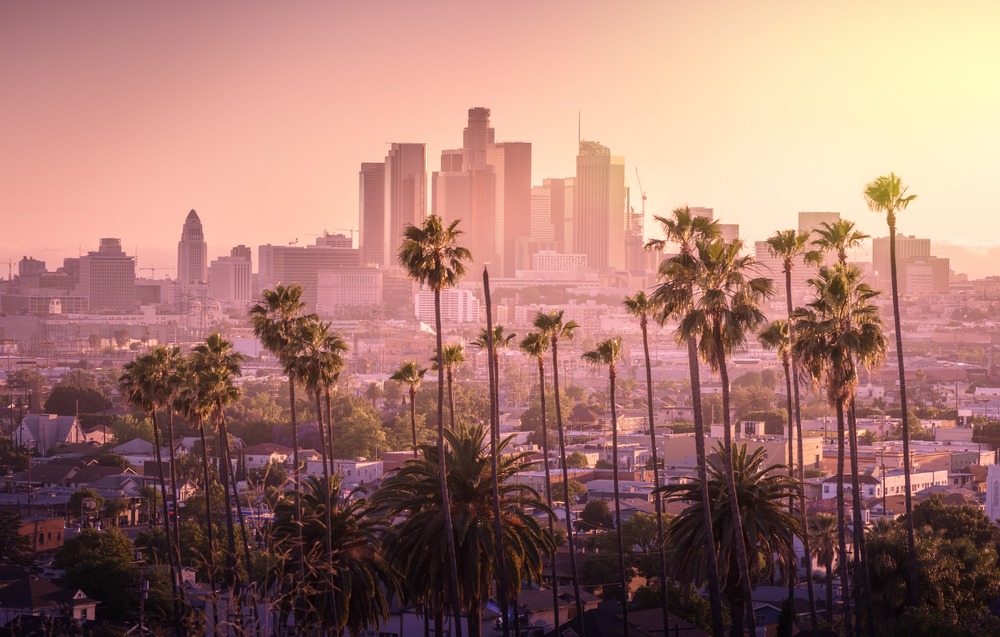
Hollywood is Los Angeles' iconic neighborhood, home to the Walk of Fame, Dolby Theatre, the Hollywood Sign, and active film studios. Your complete visitor guide.
Hollywood, the emblematic neighborhood of Los Angeles, draws nearly 9 million visitors annually. The historical epicenter of American cinema, it concentrates active studios, legendary theaters, stars embedded in the pavement, and California's most photographed sign.
Why visit Hollywood
Hollywood is far more than a backdrop for souvenir photos. The neighborhood preserves genuine cinematic institutions still in operation: studios actively producing films, theaters hosting premieres and ceremonies, renovated performance halls. It's also a place where you can observe the contrast between the image projected by the entertainment industry and the reality of a living Los Angeles neighborhood—sometimes worn, but rich with a brief yet intense history spanning just over a century.
Visitors who take time to explore on foot discover beyond the Walk of Fame charming cafés, concert venues, street art, and quick access to the hills for short hikes with city views.
Hollywood's History
In the 1880s, the area was nothing but agricultural land planted with citrus groves when Harvey Henderson Wilcox and his wife Daeida Wilcox Beveridge, originally from Kansas, purchased it for a real estate development. It was Daeida who named the place Hollywood, meaning "holly wood."
The neighborhood remained isolated until the creation of a streetcar line in 1904, which enabled its real development. The first hotel, the Hotel Hollywood, opened in 1902, followed by the first developed boulevards. Production companies quickly moved in, drawn by affordable land, constant sunshine, and diverse surrounding landscapes. In Old California, considered the first Hollywood film, premiered in 1910.
Between 1910 and 1930, the industry experienced its golden age. Studios multiplied, theaters proliferated, and Los Angeles' then highly diverse population (Native Americans, Hispanics, Chinese, European immigrants) provided a steady supply of extras for film productions. The neighborhood's character transformed within a decade.
What to See in Hollywood
Hollywood Boulevard
The neighborhood's main artery concentrates most tourist sites within a few blocks. Historic theaters, performance venues, souvenir shops, and restaurants line the street. It's the logical starting point for a walking tour.
Walk of Fame
The sidewalk extends primarily along Hollywood Boulevard and Vine Street, featuring approximately 2,600 pink stars set in bronze (the total continues to grow with annual new honorees). The inscribed names honor personalities from cinema, music, radio, television, and theater.
Grauman's Chinese Theatre
Opened in 1927, the TCL Chinese Theatre (formerly Grauman's) is instantly recognizable by its architecture inspired by Chinese temples. Its forecourt displays handprints and footprints of hundreds of stars embedded in cement, including Marilyn Monroe, Humphrey Bogart, and Robert De Niro. The theater continues to host movie premieres.
Dolby Theatre
Formerly the Kodak Theatre, the Dolby Theatre hosts the Academy Awards ceremony each year. Located within the Hollywood & Highland complex, it offers guided tours of the lobby and theater outside of events. Programming beyond the Oscars includes concerts, ballets, and performances.
Paramount Pictures Studio
The oldest of the major studios still operating in Hollywood, Paramount offers guided small-group tours aboard electric carts. The tour provides access to sound stages and outdoor sets; access to an active shoot depends on current studio activity and is not guaranteed.
The Hollywood Sign
Installed on Mount Lee in 1923, the sign was originally an advertisement for the real estate development "Hollywoodland." It was meant to be removed after a few months; it remained and became a cultural icon. Each letter measures 46 feet tall. The sign itself cannot be visited up close, but several trails through Griffith Park allow you to approach it, particularly the Mt. Lee Drive Trail.
Hollywood Bowl
A natural amphitheater nestled against the hills, the Hollywood Bowl can accommodate approximately 30,000 spectators (20,000 seated, 10,000 standing). Programming is primarily summer-focused: classical music, jazz, rock concerts, and themed evenings. A free museum showcases the venue's history.
Universal Studios Hollywood
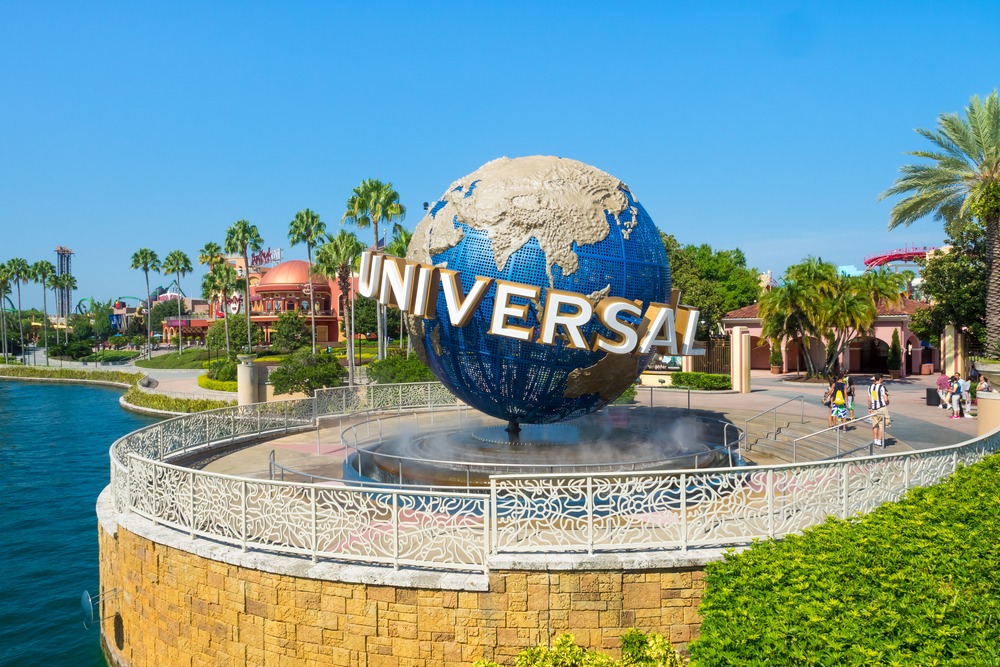
Located on the neighborhood's edge (in Universal City), this theme park combines attractions, rides, and studio tour experiences. Themed areas (Wizarding World of Harry Potter, Jurassic World, Super Nintendo World) make it an ideal family outing, requiring a full day.
Practical Information
Plan a half day to walk Hollywood Boulevard, the Walk of Fame, and the Dolby Theatre surroundings. A full day is necessary if you add Universal Studios or a hike to the sign. Studio tours and Dolby Theatre admission range from moderate to premium; Universal Studios is considerably more expensive. The Walk of Fame and viewing the sign from Griffith Park are free.
Wear comfortable walking shoes (distances between sites are covered on foot), bring sunscreen and water, especially for Griffith Park trails.
When to Visit
Hollywood is accessible year-round thanks to Los Angeles' mild climate. Spring (March to May) and fall (October-November) offer the most pleasant conditions, with fewer tourists than summer. The Hollywood Bowl season typically runs June through September: ideal if you want to catch a concert. Oscar season (late February to early March) brings partial closures around the Dolby Theatre.
Getting There
Hollywood is located in the northwestern part of Los Angeles, bordered by the Hollywood Hills to the north, West Hollywood to the west, and Silver Lake to the east. From downtown Los Angeles:
- Metro: The Red Line connects Union Station to Hollywood/Highland station in approximately 20 minutes. The fastest and simplest option.
- Bus: Lines 2 and 180 serve the neighborhood.
- Car: 20 to 45 minutes depending on traffic. Parking is paid and limited; plan accordingly.
- From the airport (LAX): Shuttle, taxi, or rideshare, expect 30 to 60 minutes depending on traffic.
Nearby Attractions
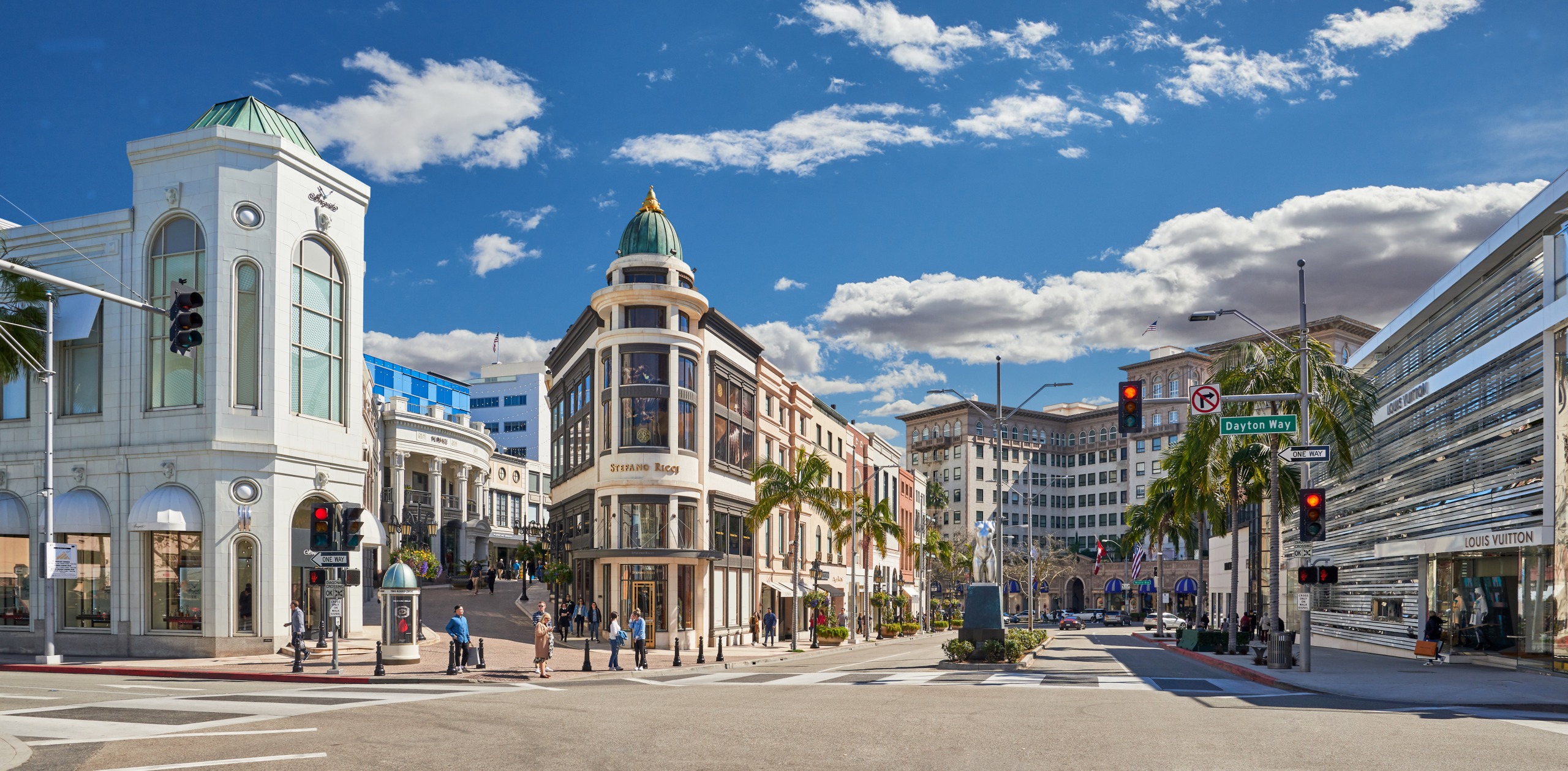
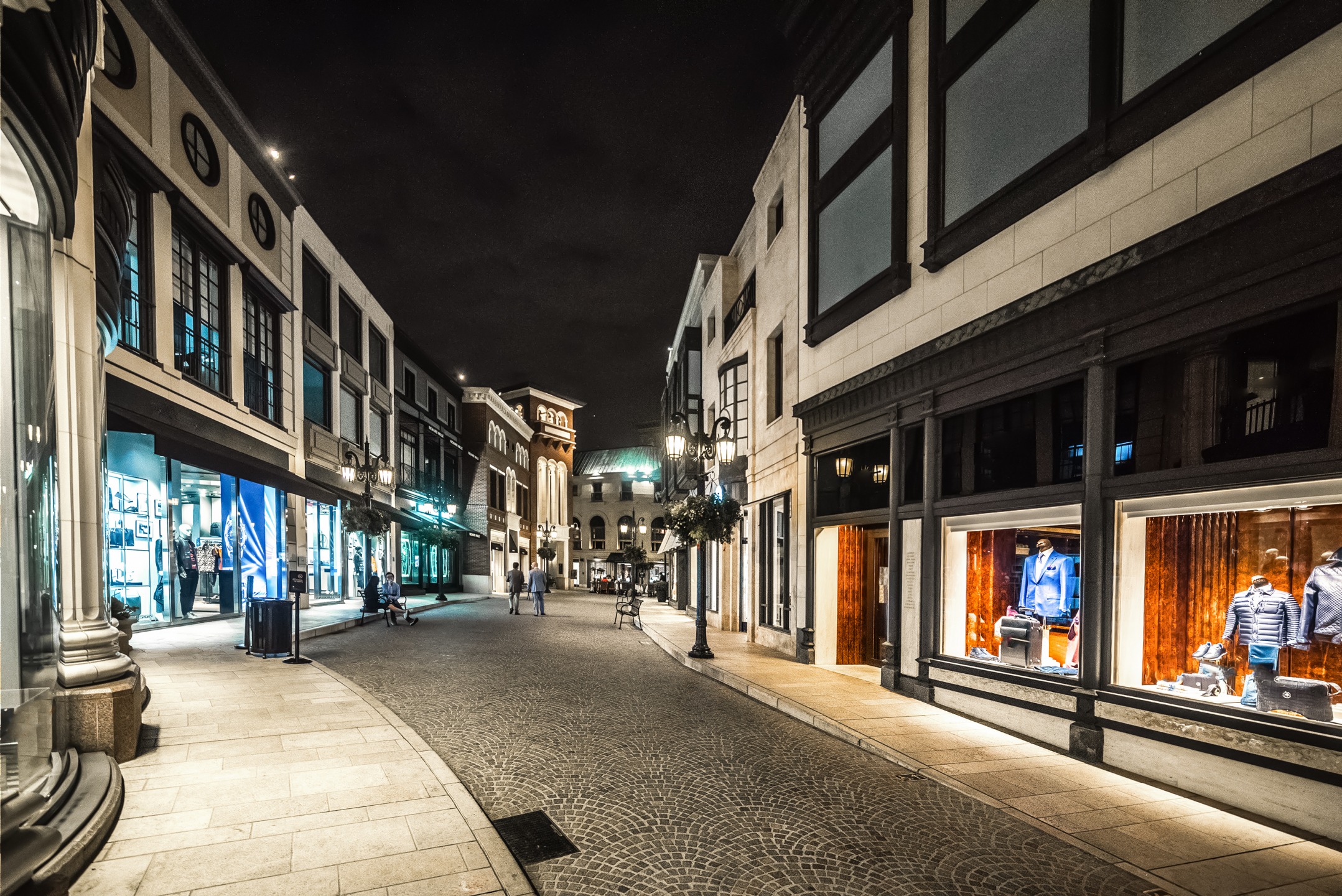
- Beverly Hills, a direct neighbor, for its shopping avenues and celebrity estates.
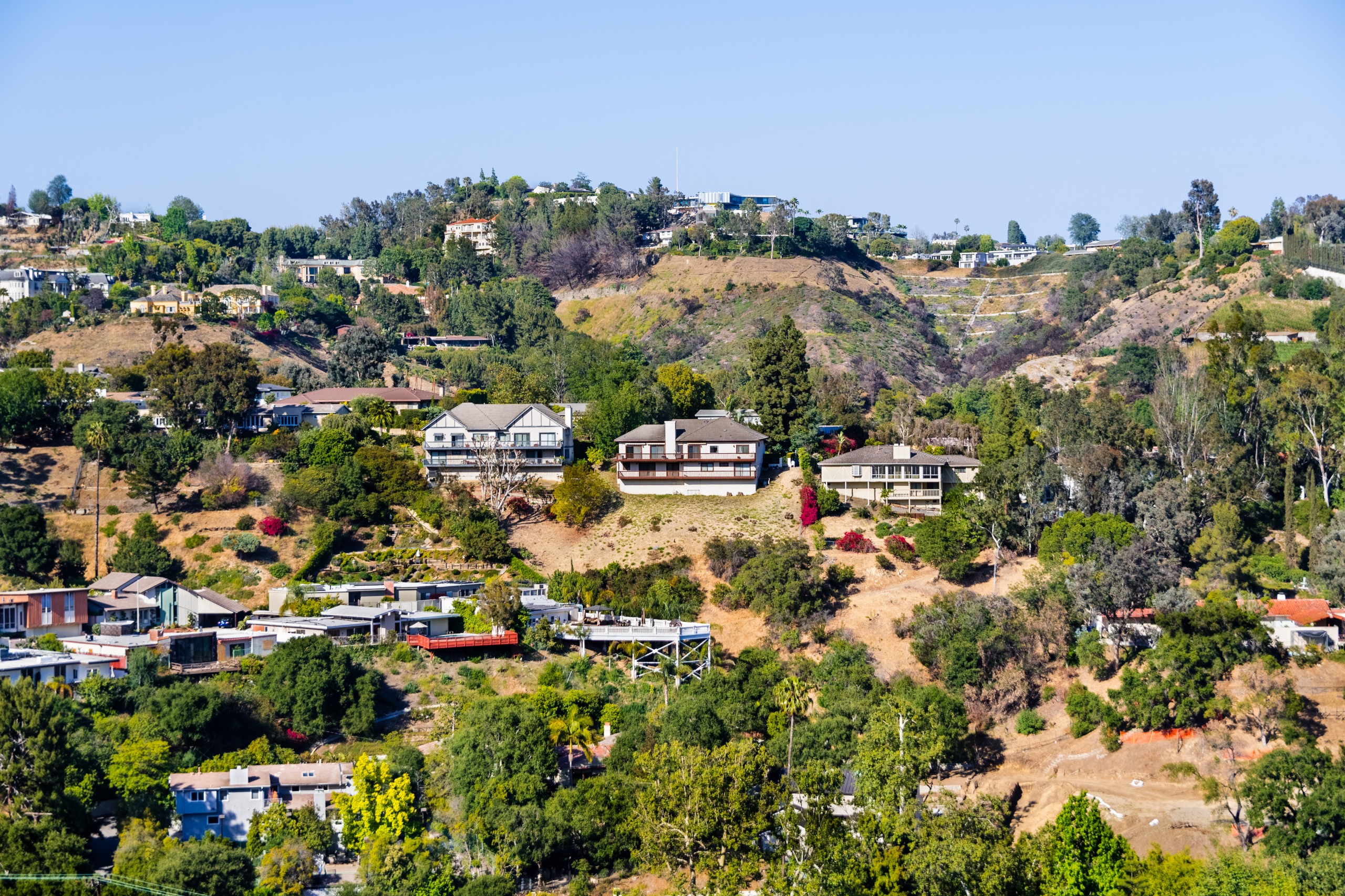
- Bel Air, an upscale residential neighborhood adjacent to Beverly Hills.
- Disneyland in California, approximately 1 hour south, for a full theme park day.
- Griffith Park and its Observatory to the east for panoramic views of the sign and the city.
Frequently Asked Questions
Frequently asked questions
Plan Your Trip
Hollywood naturally fits into a broader California or West Coast itinerary. To organize your route and combine Los Angeles with other iconic destinations, explore our voyages aux États-Unis.
Nearby
Interested in this visit?
We can include it in your personalised itinerary.