Diamond Head Crater (Lēʻahi)
Diamond Head Crater (Lēʻahi)
Volcanic crater rising 232 m above Waikiki, Diamond Head offers a short but challenging hike to a panoramic viewpoint over the south coast of Oahu.
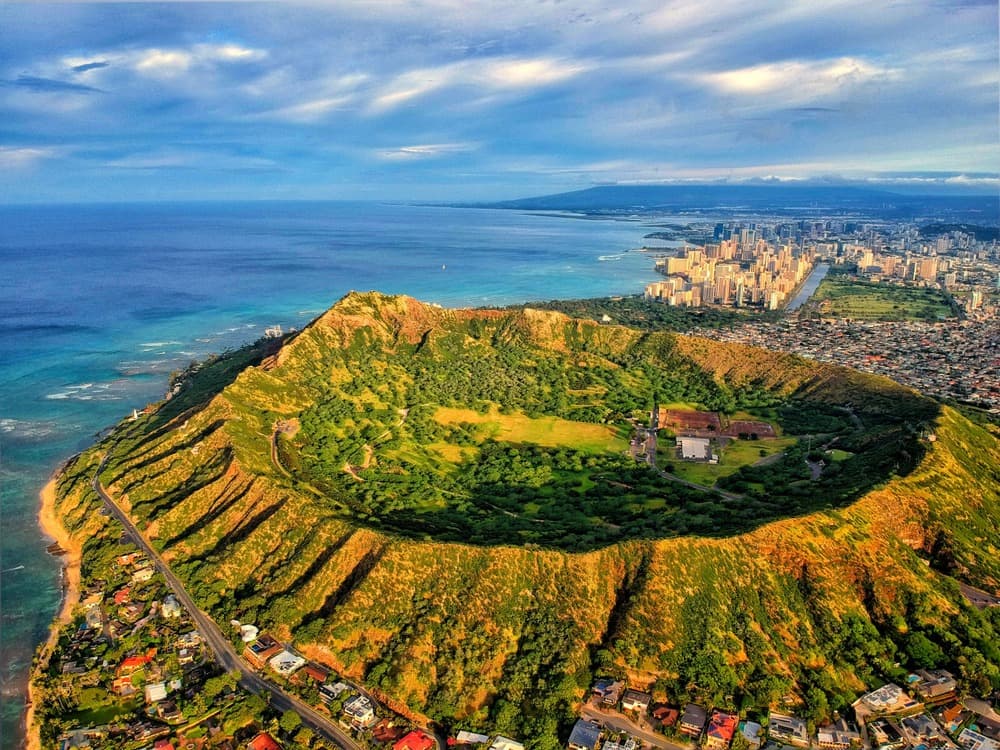
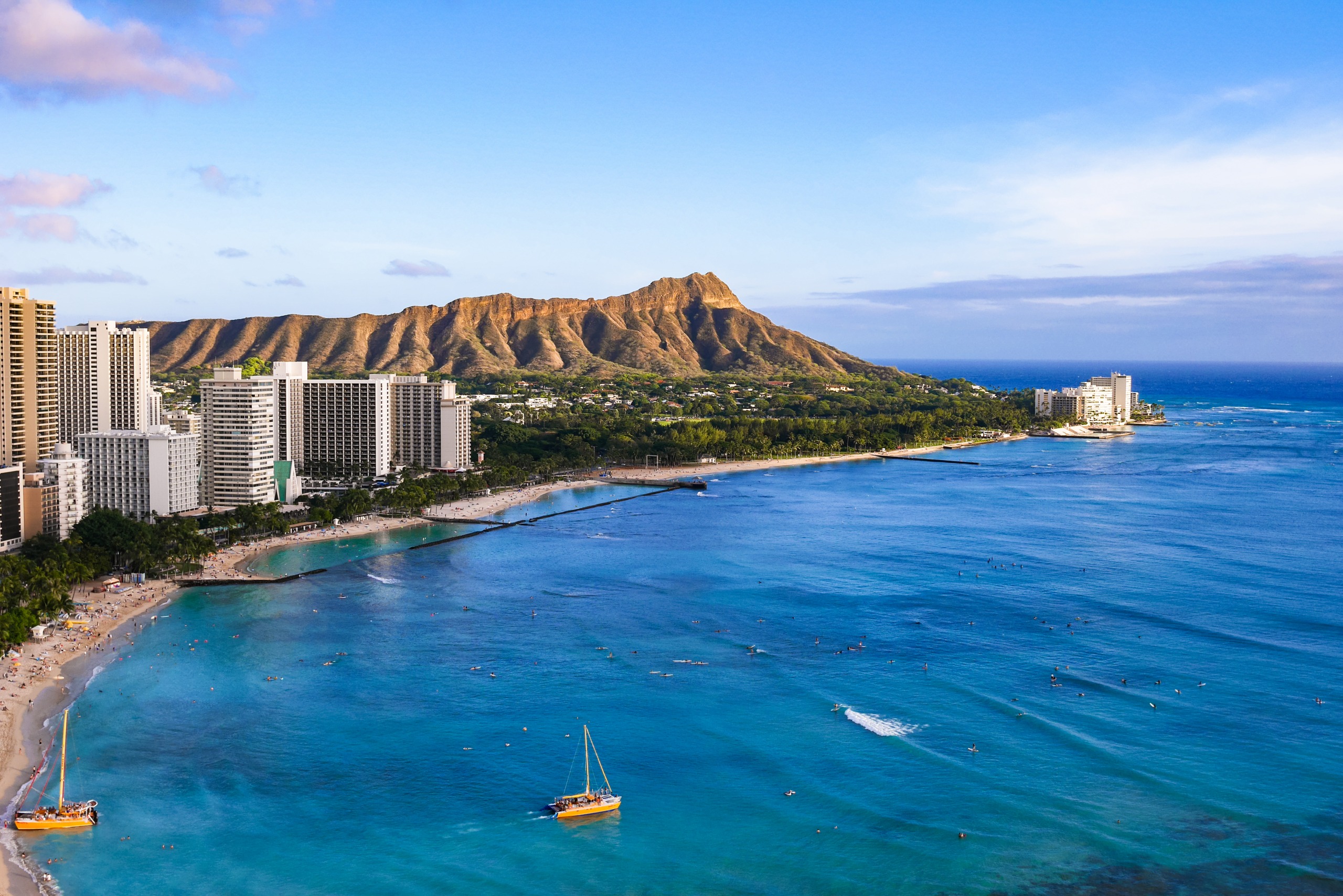
Diamond Head, whose Hawaiian name Lēʻahi is said to evoke the profile of a tuna's brow, is a volcanic crater on the south coast of Oahu, immediately adjacent to Waikiki and Honolulu. Rising to 232 meters above sea level, it serves as a geographical landmark for the entire island and is one of the most visited natural sites in Hawaii.
Why visit Diamond Head?
The crater brings together three interests rarely found on a single site: legible volcanic geology, still-visible military heritage, and a 360° viewpoint over south Oahu. The ascent trail is short but sustained, accessible to hikers in good physical condition, and culminates at a viewing platform set within a former observation post.
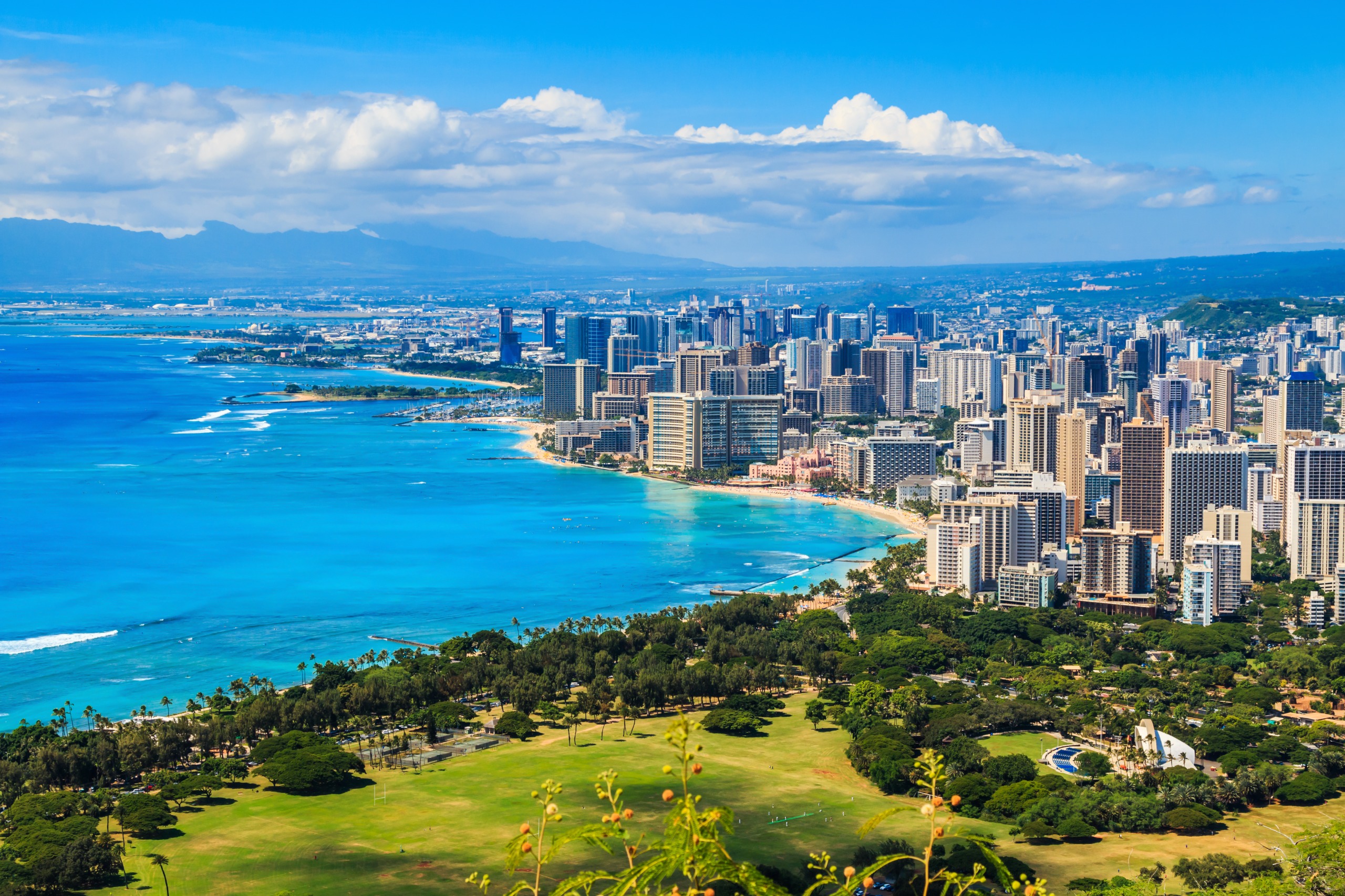
From the summit, views sweep across Waikiki Bay, the heights of the Koʻolau range, and the Pacific Ocean. The site is designated a State Monument, making it a protected park managed by the State of Hawaii.
History and geology of the crater
Diamond Head is a tuff volcanic cone formed 400,000 to 500,000 years ago. It belongs to the Koʻolau volcanic chain, whose underwater activity dates back approximately 2.6 million years. It is what geologists call a monogenetic volcano: it erupted only once and has been dormant for over 150,000 years.
The English name comes from 19th-century British sailors who, observing calcite crystals glinting on its slopes, mistook them for diamonds. The Hawaiian name Lēʻahi is generally translated as "tuna's brow," referencing the shape of the ridge, though some sources suggest "cape" or "tuna's crest" instead.
In the early 20th century, the American military chose the crater as a strategic control post due to its advanced position on the coastline. Casemates, bunkers, and concrete corridors were carved into it; these installations are now integrated into the visitor route. Park authorities report the site welcomes more than 3,000 visitors daily during peak season.
What to see and do here
The Diamond Head Summit Trail
The trail passes through the crater's interior before climbing its walls. The route winds through switchbacks, a narrow tunnel, and several steep staircase sections. A few intermediate platforms offer rest stops. The trail ends in a former military control post converted into a viewing platform, which overlooks the south coast of Oahu.
Military remnants
Throughout the route, educational panels explain the formation of the tuff cone and the site's strategic role. Bunkers and concrete corridors are open to self-exploration and add a historical dimension to the hike.
The Diamond Head Lighthouse
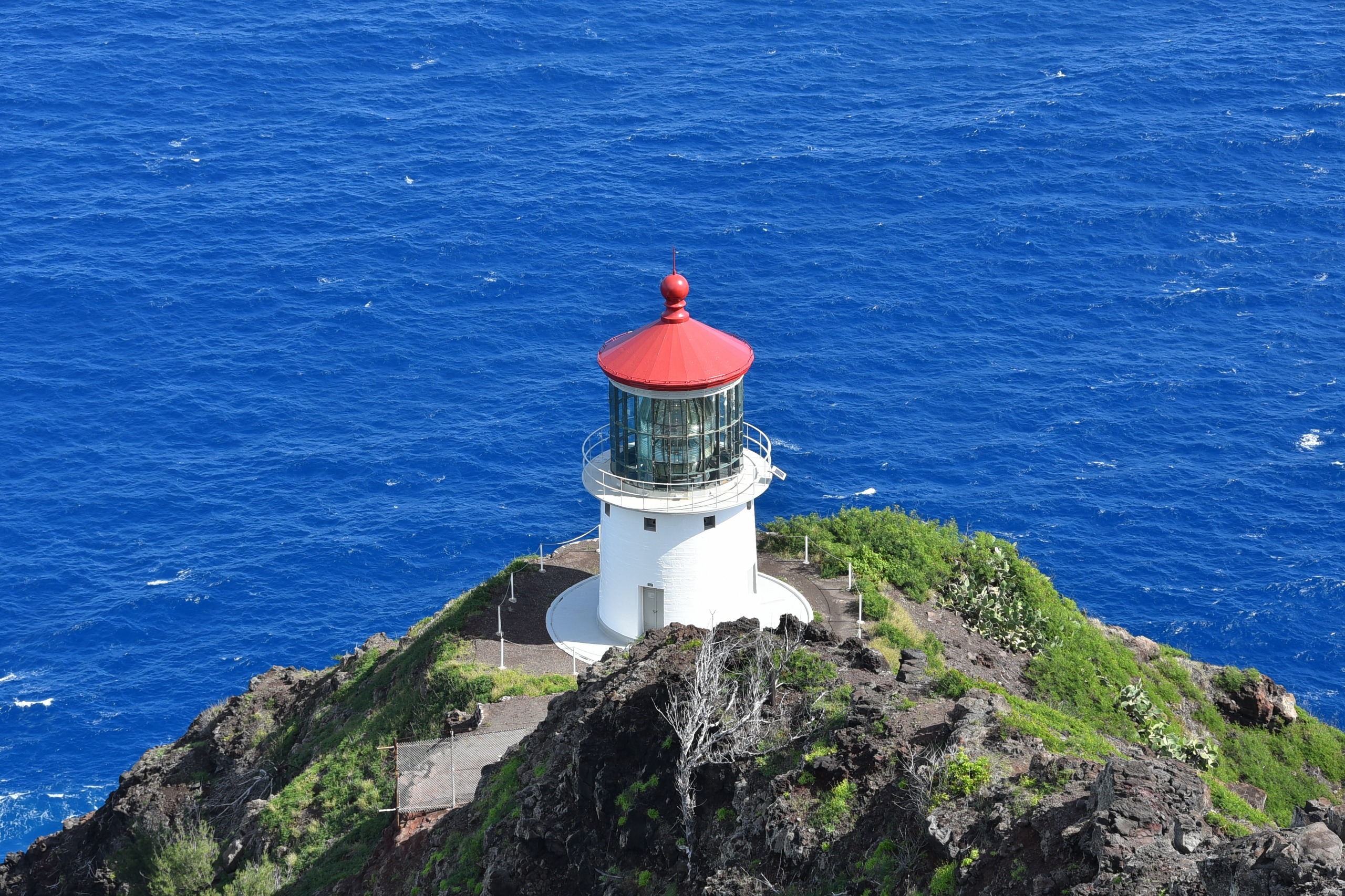
Below stands an active white lighthouse that guides ships approaching Honolulu. It is not open to visitors, but it can be observed clearly from the ridge, with the ocean as a backdrop.
The visitor center
At the park entrance, a small interpretive center and kiosk offer maps, educational panels about wildlife and flora, and refreshments. This is also the practical point for obtaining advice before your ascent.
Practical information
- Booking: mandatory online for non-Hawaii residents, to be completed before your visit date.
- Admission: paid entry at a modest rate, varying depending on whether you arrive on foot or by vehicle.
- Hours: daily daytime operation, with final entry mid-afternoon to allow time for descent.
- Duration of visit: allow 1.5 to 2 hours round trip, depending on your pace.
- What to bring: water, closed-toe shoes, a hat, and sunscreen; the trail is very exposed.
When to visit?
The most comfortable period runs from November to April, with milder temperatures and steady winds. In summer, temperatures frequently exceed 30°C, making the climb strenuous midday. Autumn can experience rainy episodes that make the trail slippery. Regardless of season, arriving early in the morning helps avoid both heat and crowds.
How to get there?
Diamond Head is located approximately 5 km east of Waikiki. Several options:
- By bus: line 23 departs from Kuhio Avenue in Waikiki and drops visitors near the park, followed by roughly 10 minutes' walk to the trail entrance.
- By car: parking is available at the entrance, but spaces are limited during peak season; booking is required for access.
- By bike or on foot: possible from Waikiki for athletic visitors, using Monsarrat Avenue.
Nearby attractions
Once you finish exploring the crater, several sites complement a day trip on Oahu:
- Honolulu and the Waikiki neighborhood, for beaches, local cuisine, and museums.
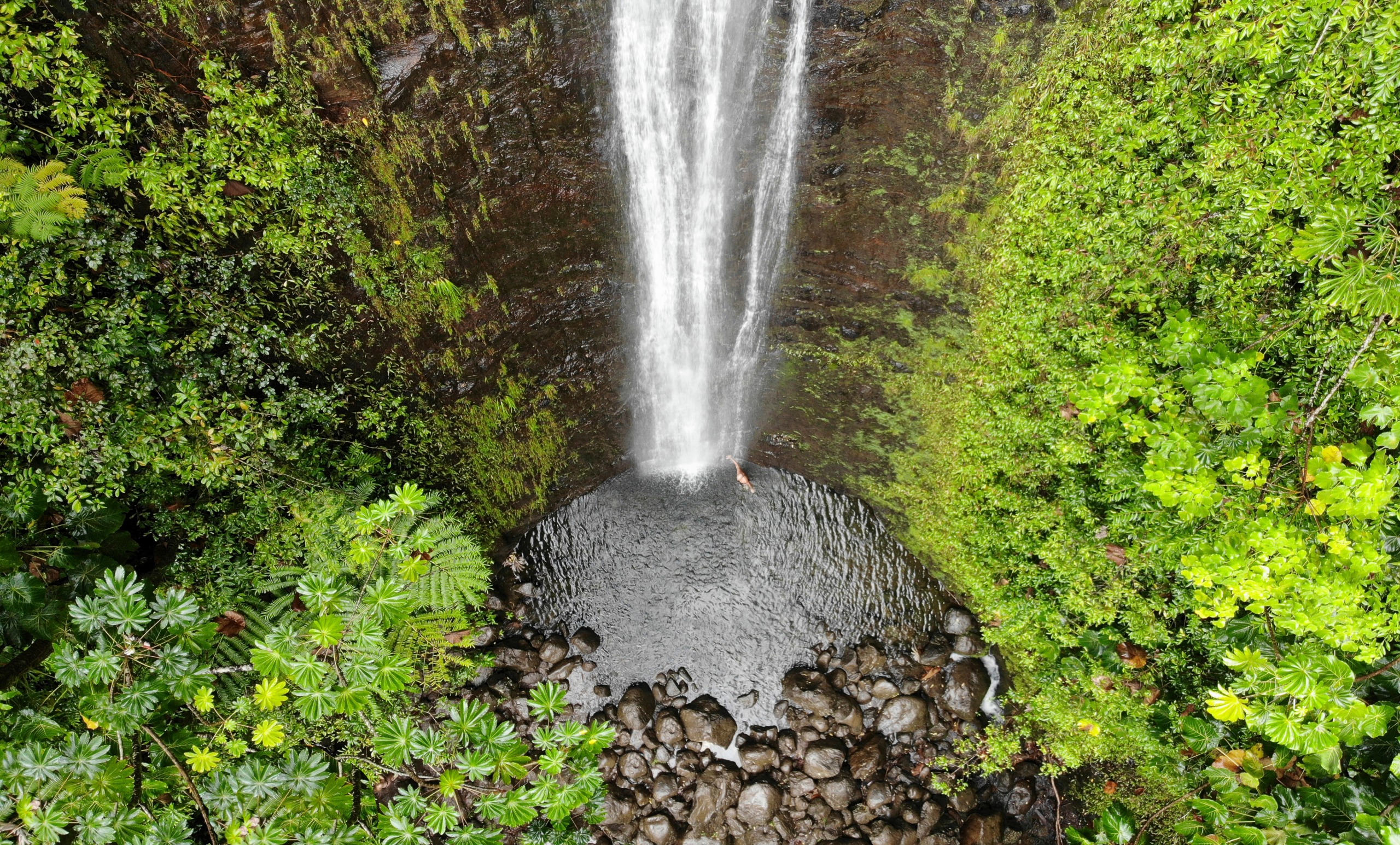
- Manoa Falls, nestled in a tropical valley north of Honolulu, accessible by a short forest hike.
- Waikiki beaches, immediately below the crater, to finish your day in the water.
Frequently asked questions
Frequently asked questions
Plan your trip
Diamond Head integrates easily into a multi-day Oahu itinerary, itself frequently combined with other islands in the archipelago. To design a custom stay and include it in a broader circuit, explore our United States travel ideas.
Nearby
Interested in this visit?
We can include it in your personalised itinerary.