Central Park
Central Park
341 hectares in the heart of Manhattan: iconic sites, history, activities and practical advice for visiting Central Park in New York.
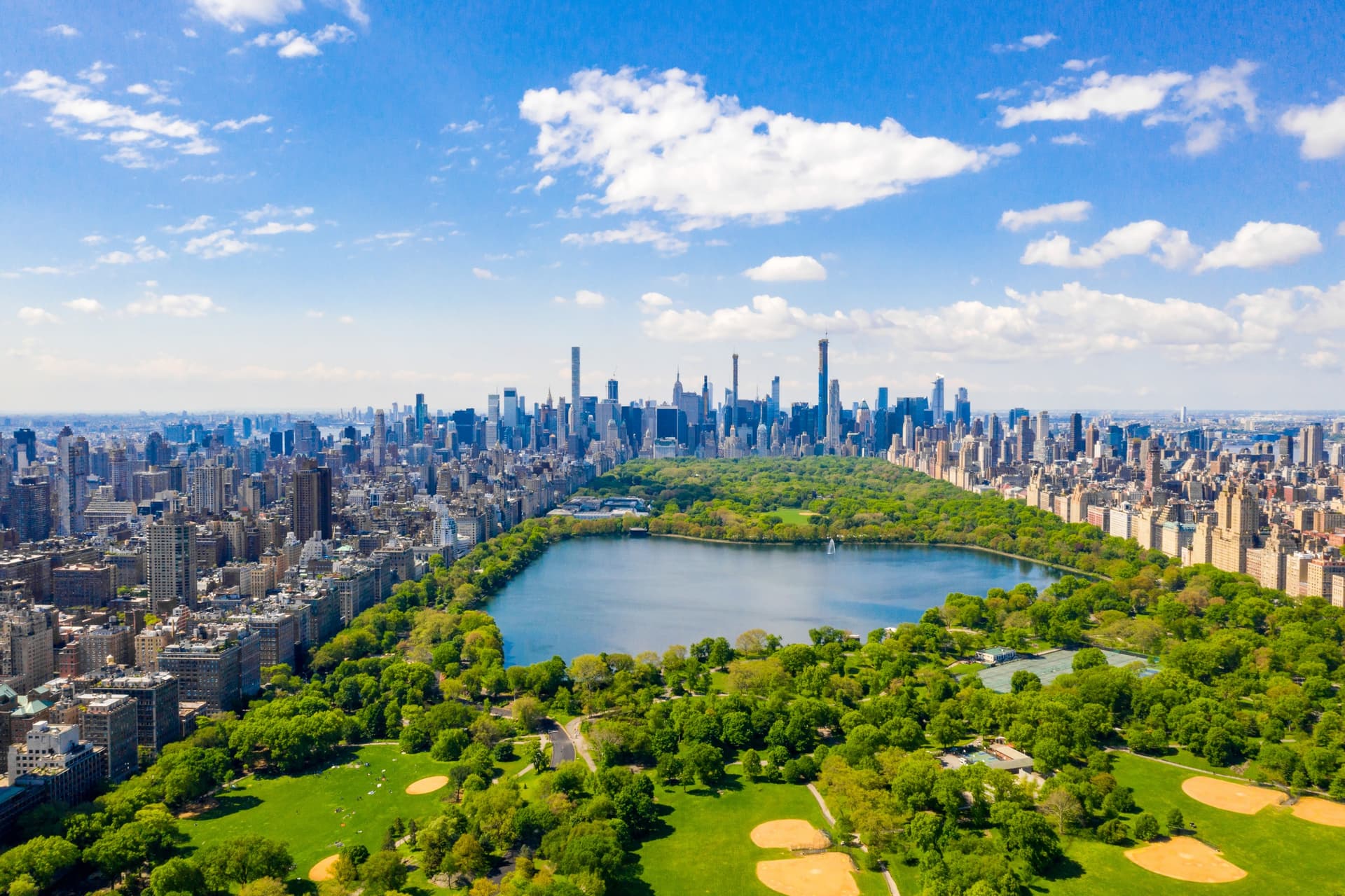
Central Park occupies the center of Manhattan over 4 kilometers long and 800 meters wide, spanning 341 hectares of green space in the heart of New York. Lawns, lakes, woods, cast-iron bridges, landscaped gardens and even a zoo: the space is both a 19th-century landscape park and a daily urban playground for New Yorkers. Here's the essentials to prepare your visit.
Why visit Central Park
The park brings together several facets of New York in one place: a registered landscape heritage site, a summer cultural scene (concerts, Shakespeare in the Park), sports activities open to all (jogging, cycling, boating) and around twenty playgrounds for families. Admission is free and the park remains one of the rare spaces in Manhattan where you can escape the noise of traffic.
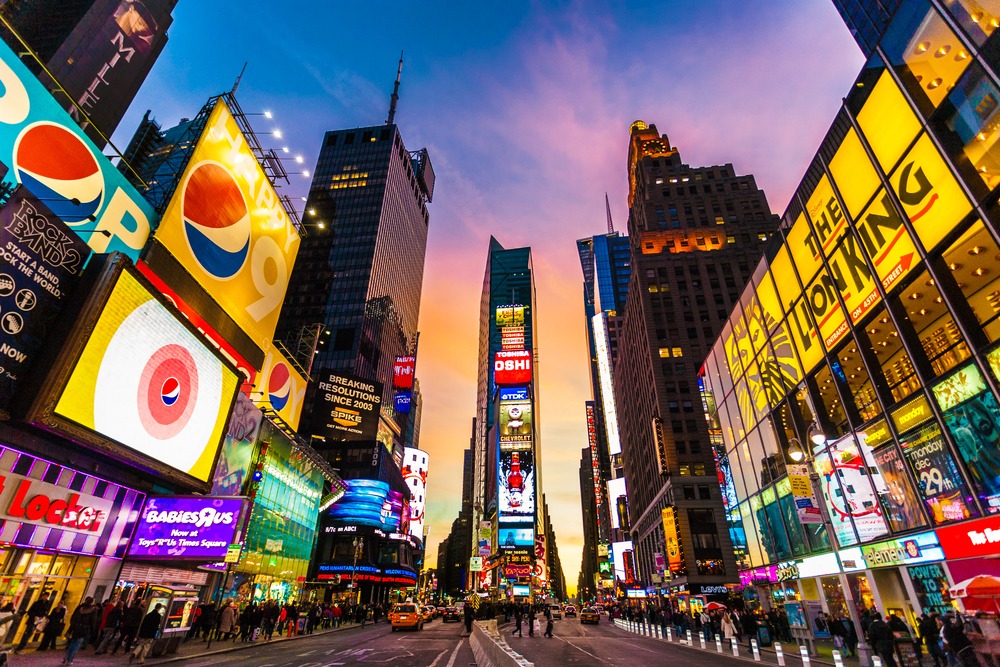
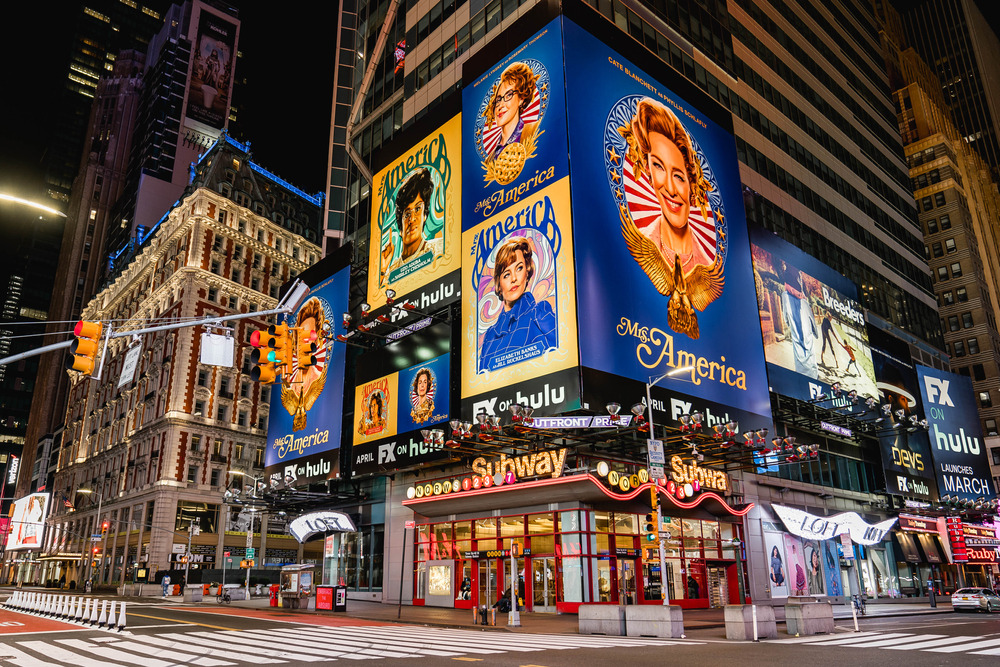
If you're planning to combine this with other highlights of the city, note that the theaters of Broadway are just a few subway stops south of the park.
History of Central Park
In the early 19th century, Manhattan densified rapidly. New York had about 200,000 inhabitants in 1830 and urban pressure led part of the elite and media to demand a large public park, modeled on London's parks. The city launched a design competition won in 1858 by Frederick Law Olmsted and Calvert Vaux, whose "Greensward Plan" shaped the current structure.
Construction spanned about fifteen years: the park opened progressively from 1858 and its main development was completed around 1873. The project mobilized thousands of workers, displaced large quantities of rock with explosives, and resulted in worker fatalities. Several hundred thousand trees were planted. Communities living on the site, including the African American village of Seneca Village, were displaced before work began.
The park evolved over the following decades: sports facilities were added, the zoo took its modern form in 1964, and progressive restoration began in the 1980s under the Central Park Conservancy.
What to see and do
Bethesda Terrace and Fountain
The nerve center of the park, Bethesda Terrace descends toward The Lake. The fountain is crowned by the statue of the Angel of the Waters, a tribute to the drinking water system that fed New York in the 19th century. The steps form a natural amphitheater where musicians and dancers regularly perform.
Bow Bridge
Built of cast iron in the 19th century, this bridge connects The Mall to the wooded Ramble area, spanning The Lake. It offers a clear view of the Upper West Side skyscrapers.
The Mall and Literary Walk
This tree-lined avenue with American elms crosses the southern part of the park. Here you'll find statues of Shakespeare, Robert Burns and Fitz-Greene Halleck, which gave its name to the section known as Literary Walk.
Strawberry Fields
Designed in memory of John Lennon, near the Dakota Building where he lived, this garden is home to the "Imagine" mosaic. Visitors frequently leave flowers here.
Belvedere Castle
A small Neo-Gothic structure perched on Vista Rock, it overlooks Turtle Pond and the Great Lawn. The building also serves as a weather observation center: official Central Park readings are taken here.
Conservatory Garden
In the northeast corner of the park, this formal garden is divided into three sections inspired by French, Italian and English design. A quieter atmosphere with fewer visitors than the south.
Sheep Meadow and the Reservoir
Sheep Meadow served as a sheep pasture until 1934; today it's a vast picnic lawn. Further north, the Jacqueline Kennedy Onassis Reservoir is surrounded by a 2.5 km running track popular with joggers.
Central Park Zoo and family statues
The zoo, located near 5th Avenue at 64th Street, features various species including sea lions and tropical birds in the Equatorial House. Around its edges and throughout the park, several statues have become classic stops: Alice in Wonderland, Balto, Hans Christian Andersen.
Seasonal activities
- Boating on The Lake: rentals at Loeb Boathouse, spring through autumn.
- Cycling: approximately 10 km of bike paths circle the park, with several rental shops at main entrances.
- Ice skating: Wollman Rink opens in winter at the south end of the park.
- Performances: Shakespeare in the Park festival takes place in summer at the Delacorte Theater.
- Playgrounds: over 20 children's areas, including Heckscher, Adventure and Ancient Playground (Ancient Egypt theme).
- Dining: Tavern on the Green, Le Pain Quotidien and Loeb Boathouse lakeside, plus food trucks and kiosks.
Practical information
- Admission: free. Only certain activities require payment (zoo, boat rental, ice skating rink, performances).
- Hours: open daily from 6 a.m. to 1 a.m.
- Accessibility: most main paths are accessible to people with reduced mobility.
- Animals: dogs allowed on leash; off-leash allowed in certain areas before 9 a.m. and after 9 p.m.
- Official website: centralparknyc.org (Central Park Conservancy) for event calendar.
When to go
The park is worth visiting year-round. Spring (April-May) brings cherry blossoms around the Reservoir. Summer features concerts and performances but also peak crowds and humidity. Autumn (mid-October through early November) offers stunning foliage, particularly at the Mall and Ramble. Winter allows for ice skating and reveals a bare, sometimes snow-covered park.
How to get there
The park is well served by subway depending on which area you want to visit:
- Southeast: N, Q, R lines — 5th Avenue/59th Street stop, near The Pond, Wollman Rink, the zoo and The Mall. Recommended entrance for a first visit.
- Southwest: A, B, C, D, 1 lines — Columbus Circle/59th Street, convenient from Times Square.
- East (Upper East Side): 4, 5, 6 lines — 77th, 86th or 96th Street stops, near the Metropolitan Museum.
- North (Harlem): 2, 3 lines — Central Park North/110th Street, more local atmosphere.
Many bus lines run along the park on the east side (5th Avenue, Madison) and west side (Central Park West), with east-west crossings at 66th, 72nd, 79th, 86th and 96th streets.
Nearby attractions
The park is bordered by several major museums: the Metropolitan Museum of Art and the Guggenheim on 5th Avenue, the American Museum of Natural History on Central Park West. To the south, the Broadway theater district is accessible on foot from Columbus Circle. To extend your États-Unis trip, consider contrasting stops like Cadillac Ranch in Texas or the Bullock Museum in Austin.
Frequently asked questions
Frequently asked questions
Yes, access to the park is completely free. Only certain activities within it (zoo, Wollman ice rink, boat rental, performances) require payment.
Allow 2 hours for the main sites in the south (Bethesda, Bow Bridge, Sheep Meadow), half a day to reach Belvedere Castle and the northern half, and a full day to combine walks, boating, dining and nearby museums.
The southeast entrance at 5th Avenue and 59th Street (Grand Army Plaza) provides access to the park's most iconic sites in a short loop.
Central Park is regularly patrolled and remains busy during the day. As in any large city, it's best to avoid isolated areas once darkness falls.
Yes, approximately 10 km of bike paths circle the park, mostly separated from traffic. Several rental shops are located near the main entrances.
Plan your trip
Central Park fits naturally into a New York stay, but also serves as one stop among many on a larger circuit. To build your itinerary, explore our ideas for trips to the États-Unis.
Nearby
Interested in this visit?
We can include it in your personalised itinerary.