Beverly Hills
Beverly Hills
An independent city nestled within Los Angeles, Beverly Hills brings together Rodeo Drive, listed architectural heritage, public gardens, and century-old hotels.
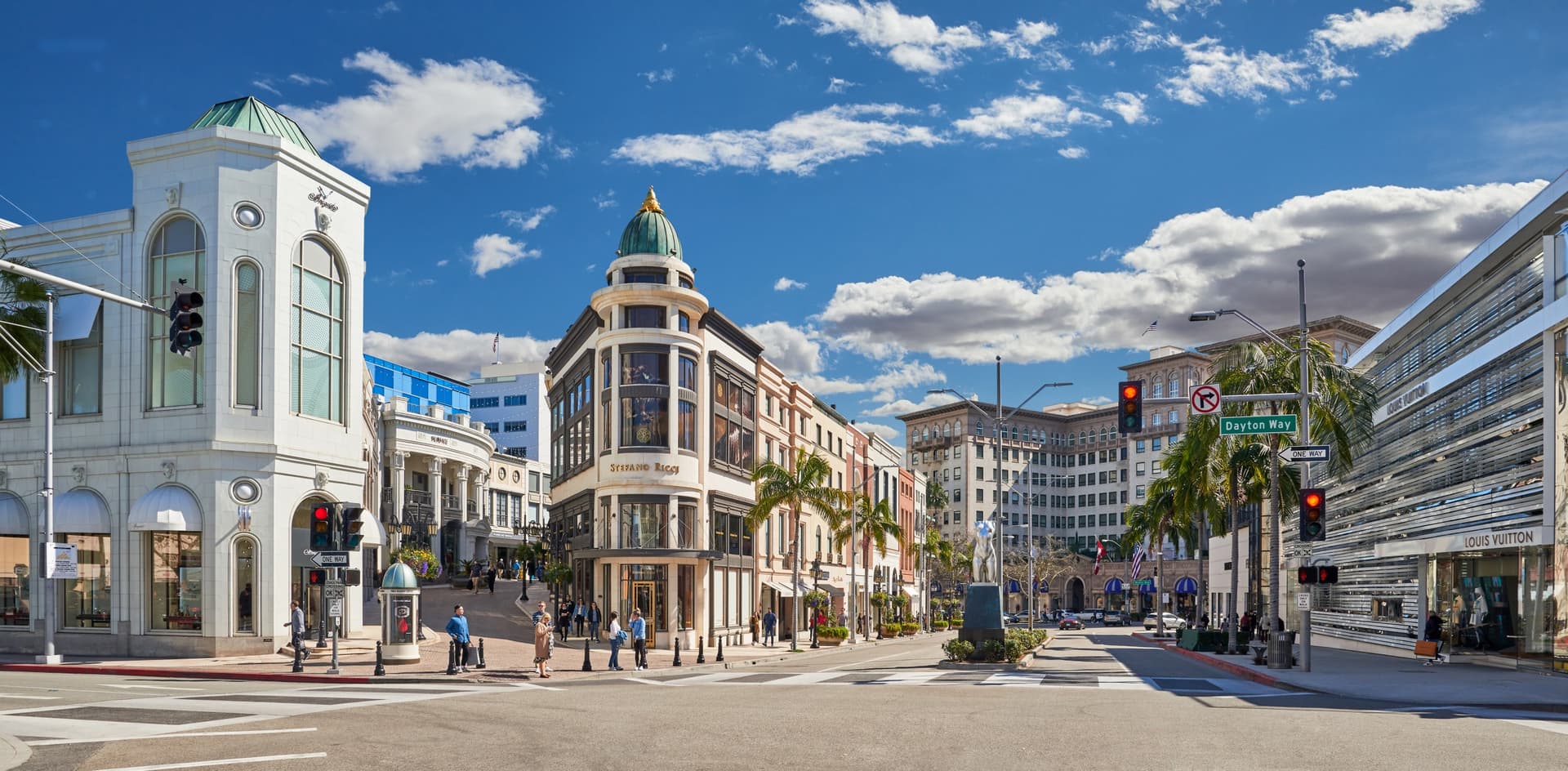
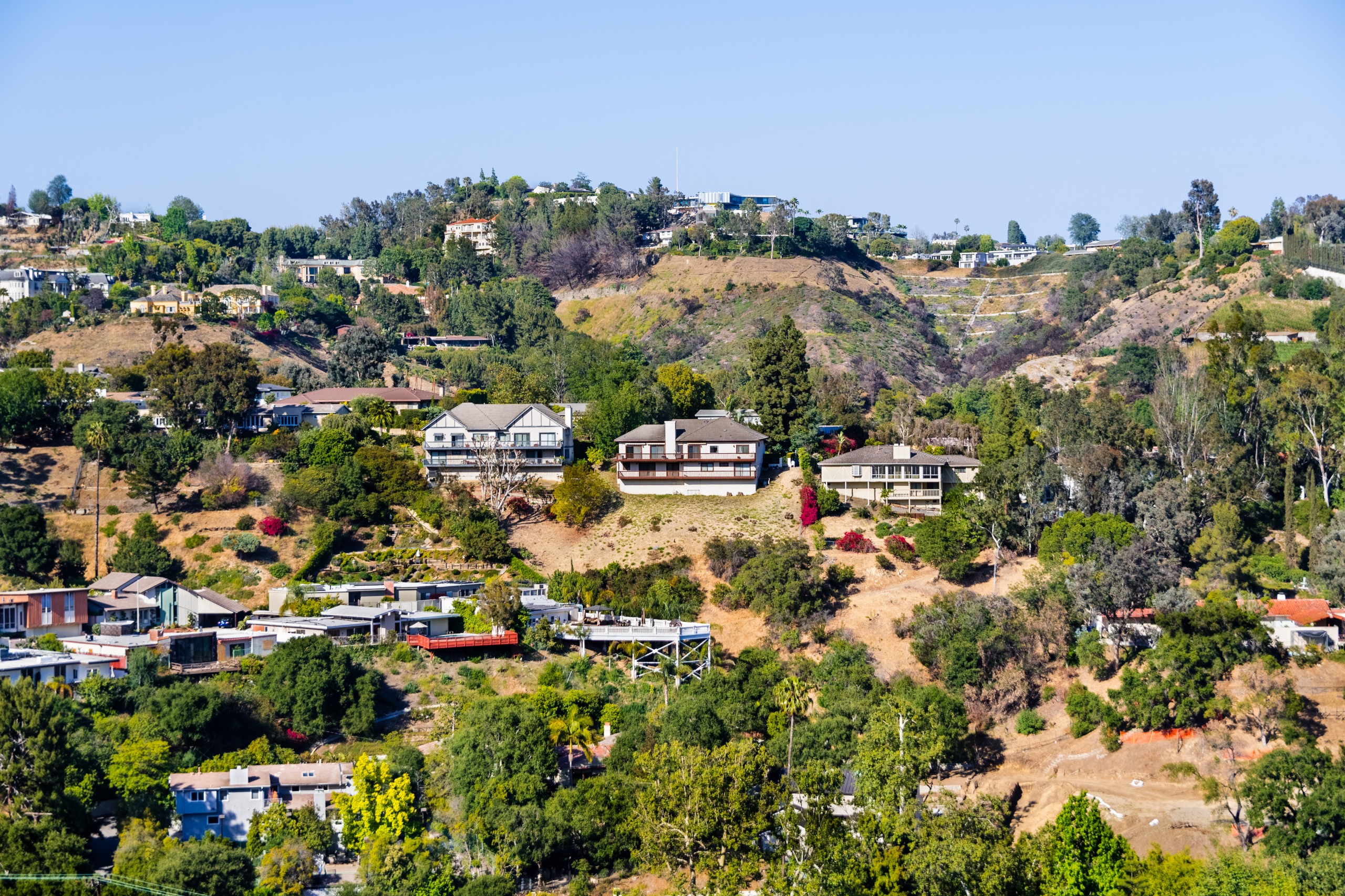
Beverly Hills is not a neighborhood of Los Angeles, but an independent city of 5.7 km² enclosed between West Hollywood and Westwood. Its palm-lined streets, villas, historic hotels, and the commercial artery of Rodeo Drive have made it a symbol of affluent Los Angeles. Beyond the Hollywood imagery, the city brings together diverse architectural heritage, several public gardens, and cultural institutions visited year-round.
Why Visit Beverly Hills
Beverly Hills is easily explored on foot in its central sectors and makes a logical stop on a Los Angeles visit. The city concentrates within a few square kilometers a City Hall listed on the National Register of Historic Places, two century-old palaces, a 55-room mansion open to the public, a museum dedicated to human rights, and several public gardens. It is also a good starting point for visiting neighboring Bel Air, Holmby Hills, and West Hollywood.
History
Before urbanization, the current Beverly Hills territory served as pastureland and agricultural land. In 1907, Burton E. Green and several investors founded the Rodeo Land and Water Company to develop the sector. They chose the name Beverly Hills in tribute to Beverly Farms in Massachusetts. The city was officially incorporated in 1914.
The arrival of actors and producers in the 1920s, attracted by proximity to the studios and quality of life, transformed Beverly Hills into a prestigious address. The Beverly Hills Hotel, opened as early as 1912, became a gathering point for the film industry. The city resisted several annexation attempts by Los Angeles and has since maintained its status as an autonomous municipality, with its own police force, schools, and city hall.
What to See in Beverly Hills
Rodeo Drive
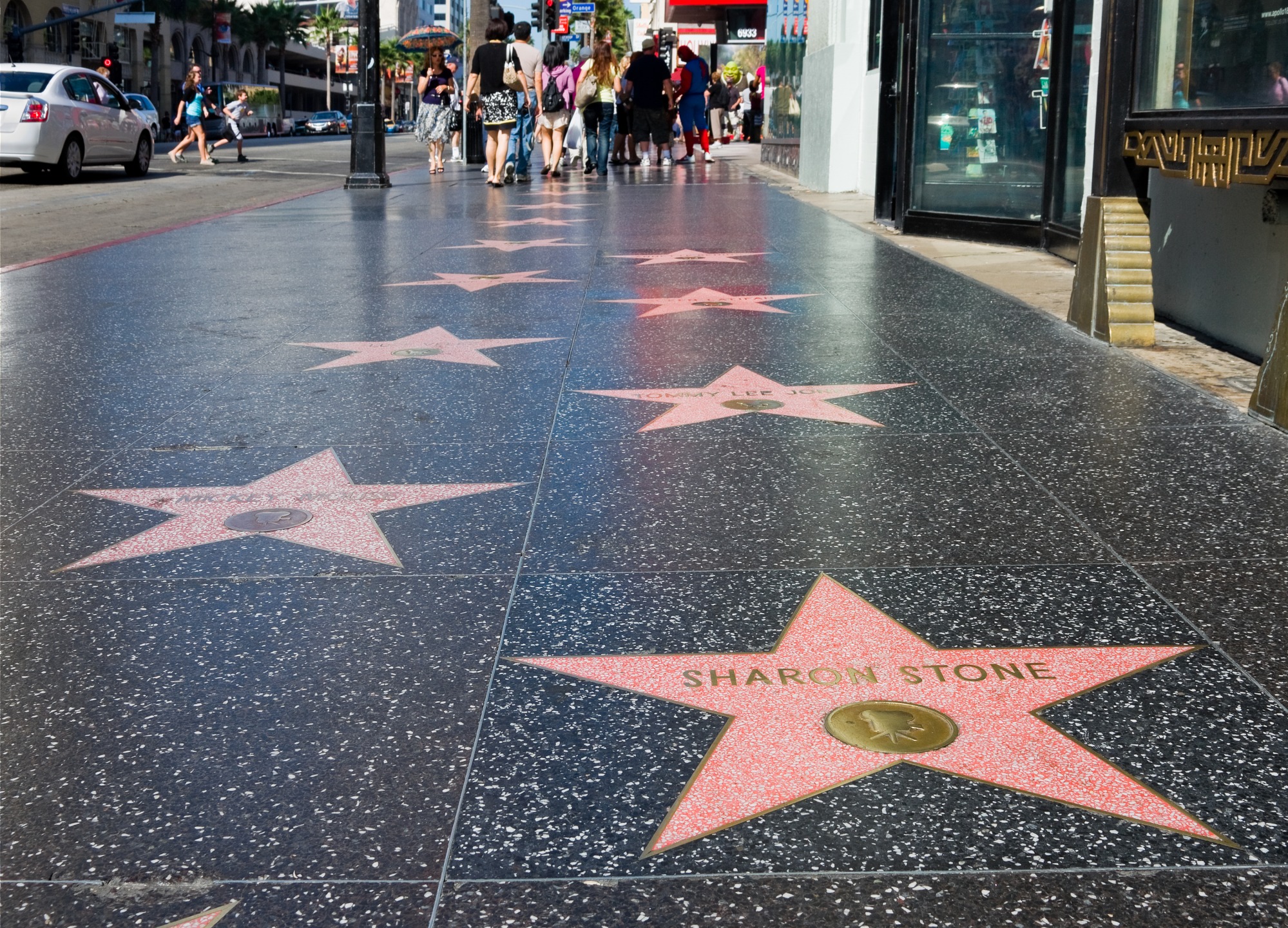
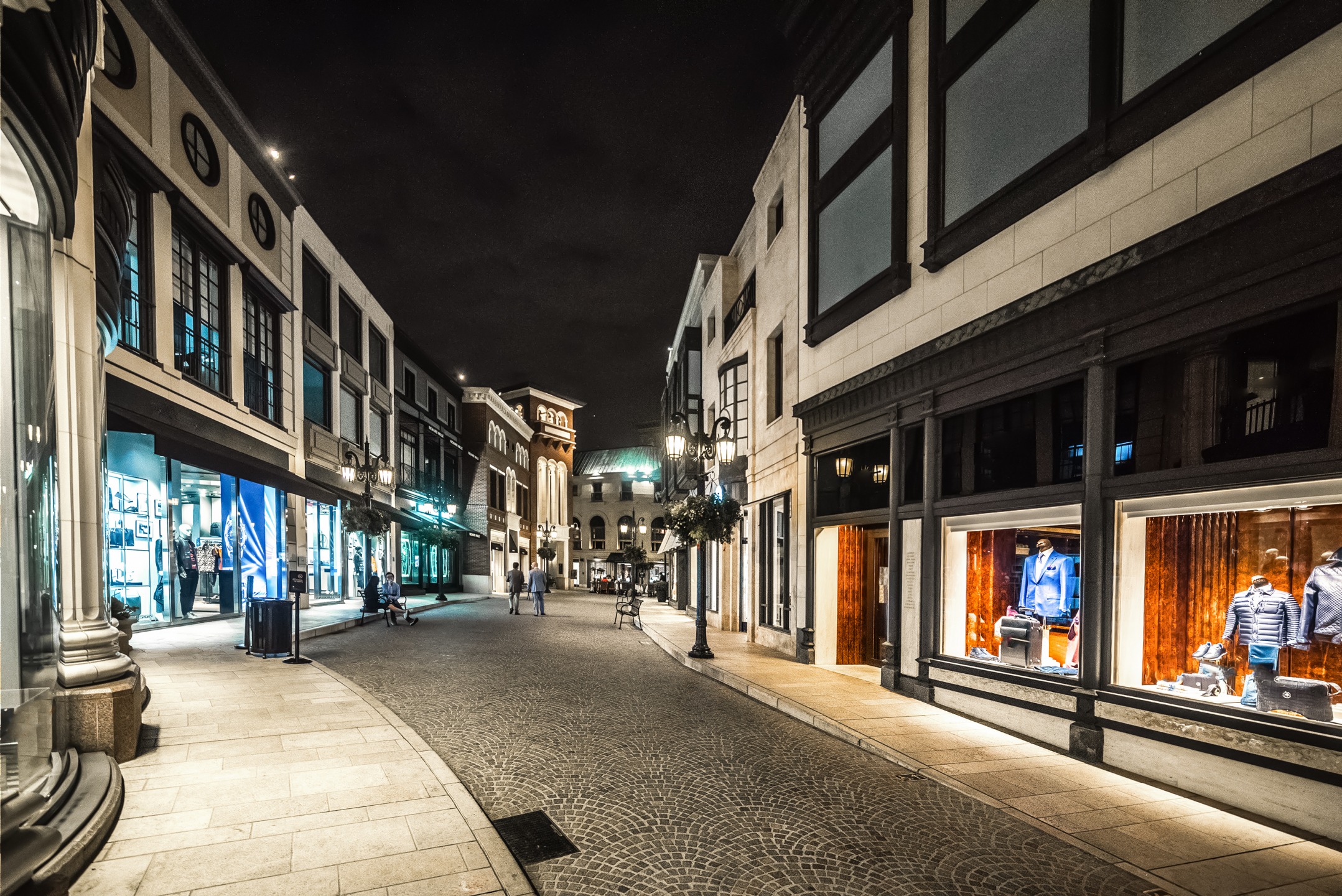
Over three city blocks between Wilshire Boulevard and Santa Monica Boulevard, Rodeo Drive lines up international luxury brands: Dior, Armani, Saint Laurent, Chanel, Cartier. The street does not require shopping; the architecture of the boutiques, the window displays, and the Via Rodeo pedestrian passage, modeled on a European alley, justify a stroll. The Rodeo Drive Walk of Style pays tribute with bronze plaques to figures in fashion and design.
Beverly Hills City Hall
Inaugurated in 1932, Beverly Hills City Hall is listed on the National Register of Historic Places. Its light façade, ceramic dome, and arcades reflect the Spanish Renaissance Revival style characteristic of interwar California. The building is part of Beverly Hills Civic Center, freely accessible through its gardens.
Greystone Mansion
Designed in 1928 by architect Gordon Kaufmann for Ned Doheny, son of oil magnate Edward Doheny, this 55-room residence stands on an 18.3-acre park overlooking the Los Angeles basin. A few months after moving in, Ned Doheny died in the house in a murder-suicide whose circumstances remain debated. The estate now belongs to the municipality and the park is open to the public. The mansion has served as a setting for numerous films, including The Big Lebowski and Ghostbusters.
Will Rogers Memorial Park
Located across from the Beverly Hills Hotel, this park honors Will Rogers, a comedian, actor, writer, and social commentator among the most popular in the United States in the 1920s and 1930s. Lawns, fountains, and palm trees make it a shaded stop minutes from Rodeo Drive.
Museum of Tolerance
Managed by the Simon Wiesenthal Center, this museum explores the mechanisms of racism, discrimination, and genocide, with a major section devoted to the Holocaust. Interactive exhibits address both the general public and school groups. Plan 2 to 3 hours for your visit; online reservation is recommended.
Beverly Hills 9/11 Memorial Garden
Located in the Civic Center, this memorial garden incorporates a fragment of steel from the World Trade Center towers. Access is free.
Wallis Annenberg Center for the Performing Arts
Inaugurated in 2013, the Wallis presents theater, dance, and concerts in a complex combining the historic Beverly Hills Post Office and a contemporary hall with over 500 seats. The season runs from October to June.
Iconic Homes and Hotels
- Spadena House — Built in 1921 by Harry Oliver as a film production building in Culver City before being moved to Beverly Hills, this house nicknamed the Witch's House is located at 516 Walden Drive, at the corner of Carmelita Avenue. Sagging roofs, asymmetrical windows, and a deliberately unkempt garden; visible only from the street.
- O'Neill House — Private residence on Walden Drive remarkable for its façade with curves inspired by Gaudí. The house cannot be visited but can be admired from the sidewalk.
- Beverly Wilshire Hotel — Built in 1928 at the corner of Wilshire Boulevard and Rodeo Drive, immortalized by Pretty Woman. Elvis Presley, Al Pacino, and John Lennon stayed here.
- Beverly Hills Hotel — Opened in 1912, the "Pink Palace" hosted John F. Kennedy, Richard Burton, Frank Sinatra, Prince Rainier of Monaco, Michael Jackson, and the Duke and Duchess of Windsor. The Polo Lounge remains one of the city's historic addresses.
- Virginia Robinson Gardens — A 6.2-acre estate that belonged to Virginia Robinson, heiress to the Robinson department stores. Mediterranean architecture, a listed palm grove, and terraced gardens, accessible only by guided reservation.
- Hotel Bel-Air — North of Beverly Hills, the establishment maintains a suite dedicated to Grace Kelly. Marilyn Monroe had her final photo session here, a few weeks before her death in 1962.
Other Walks
- Beverly Gardens Park: a 3.2 km green ribbon along Santa Monica Boulevard, dotted with fountains, rose gardens, and the famous "Beverly Hills" sign.
- Beverly Cañon Gardens: a small landscape garden in the heart of the Golden Triangle, ideal for a break.
- Franklin Canyon Park: at the northern edge of the city, hiking trails and a lake in the Santa Monica Mountains.
Practical Information
Most outdoor sites (Civic Center, Rodeo Drive, parks, house façades) are freely accessible. The Museum of Tolerance, Virginia Robinson Gardens, and Greystone Mansion operate on seasonal hours and some require reservation. Beverly Hills' Mediterranean climate allows visits year-round; April to June and September to November offer the most pleasant temperatures, with summers being dry and warm. Allow half a day for the central sector, a full day if you add Greystone and the Museum of Tolerance.
How to Get There
Beverly Hills is located about 15 km west of downtown Los Angeles.
- By car: from Downtown LA, I-10 West then La Cienega or Robertson exit, or Wilshire Boulevard heading west. Plan 20 to 40 minutes depending on traffic. Paid surface parking and several municipal parking lots at reduced rates for the first hour.
- By metro: the D line (Purple) of the Los Angeles Metro serves Wilshire/La Cienega station, at the southeast entrance to Beverly Hills. The extension toward Century City has progressively expanded service to the area.
- By bus: Metro lines 16, 20, and 720 run on Wilshire Boulevard.
- By ride-hailing: Uber and Lyft are the most direct solution from LAX airport (30 to 45 minutes depending on traffic), at variable rates.
Nearby
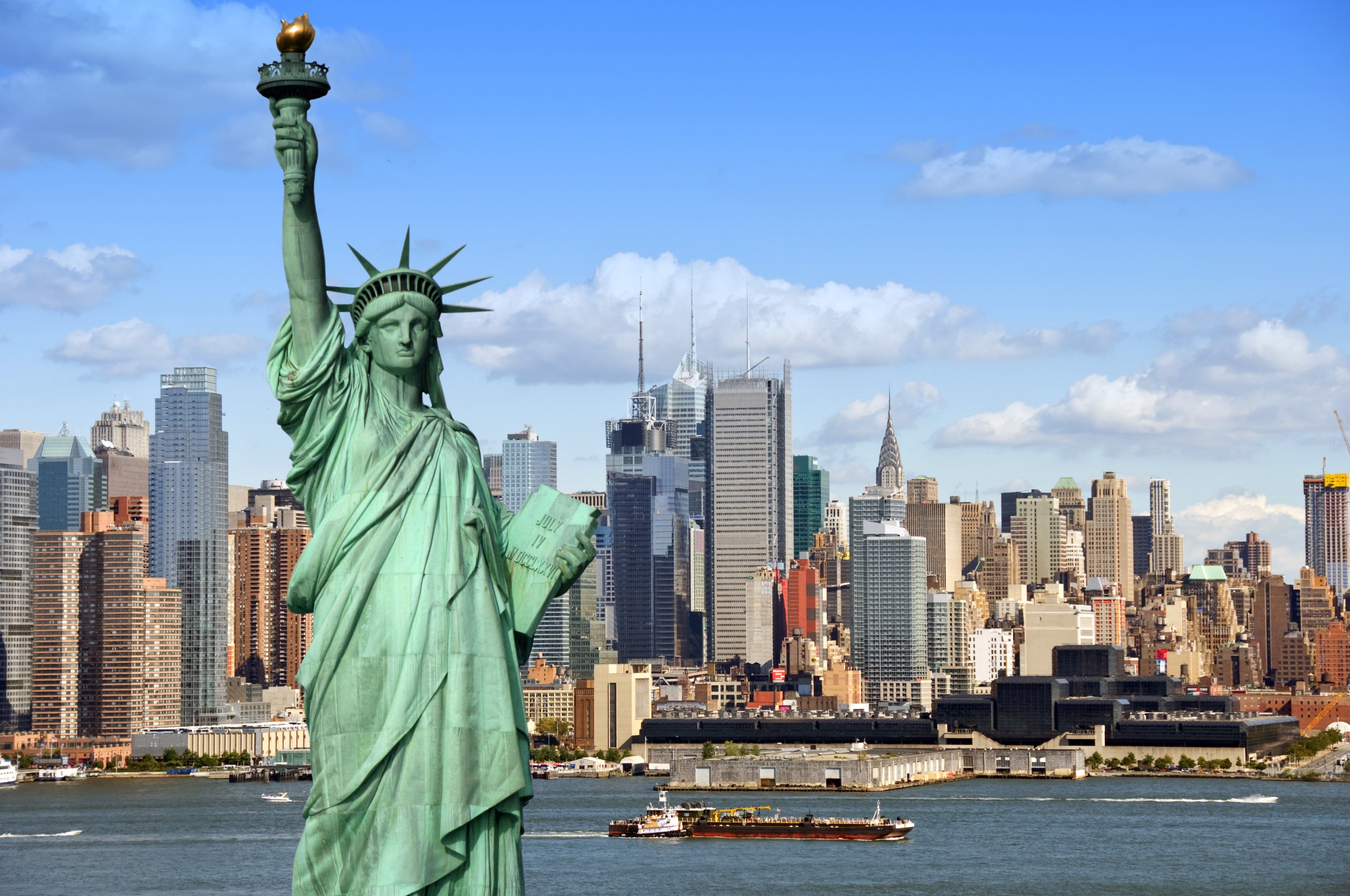
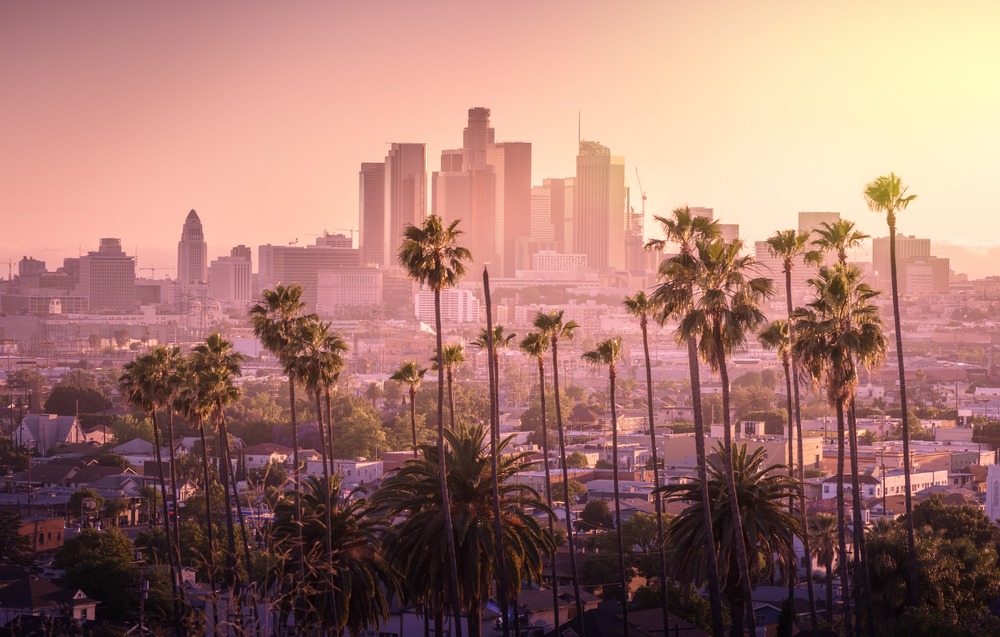
Beverly Hills fits naturally into a broader Los Angeles and California itinerary. To explore other facets of the metropolis, consult our Los Angeles guide. For wide open spaces, Bryce Canyon National Park in neighboring Utah and, on the east coast, Broadway in New York offer interesting counterpoints to the California experience.
Frequently Asked Questions
Frequently asked questions
No. Beverly Hills is an independent city, enclosed between West Hollywood and Westwood, with its own municipality, police force, and school system. It is often mistakenly considered a neighborhood of Los Angeles due to its geographic position.
Half a day is enough to explore Rodeo Drive, the Civic Center, and central gardens. Plan a full day if you include Greystone Mansion, the Museum of Tolerance, or Virginia Robinson Gardens.
Homes are private residences and not open to the public. Several operators offer guided minibus tours through Bel Air and Holmby Hills, passing by the most well-known façades. Greystone Mansion and Virginia Robinson Gardens are open to the public.
The Mediterranean climate allows visits year-round. April to June and September to November offer a good balance between mild temperatures and lower tourist crowds.
Online reservation is strongly recommended, especially on Sundays and during American school holidays.
Plan Your Trip
Beverly Hills fits naturally into a broader California itinerary, between Pacific Coast, national parks, and major cities. To build a customized itinerary, explore our travel ideas for the United States.
Nearby
Interested in this visit?
We can include it in your personalised itinerary.